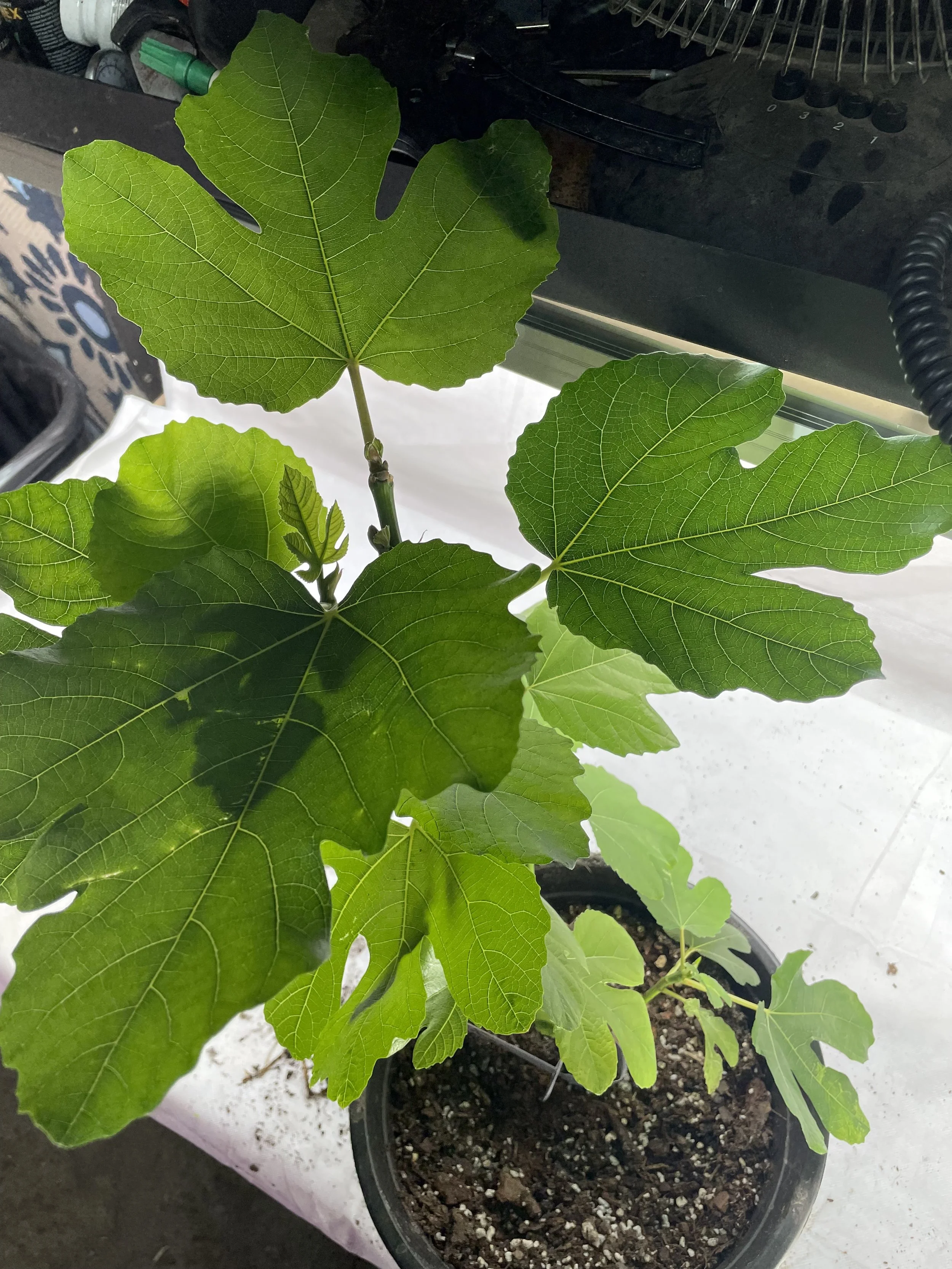
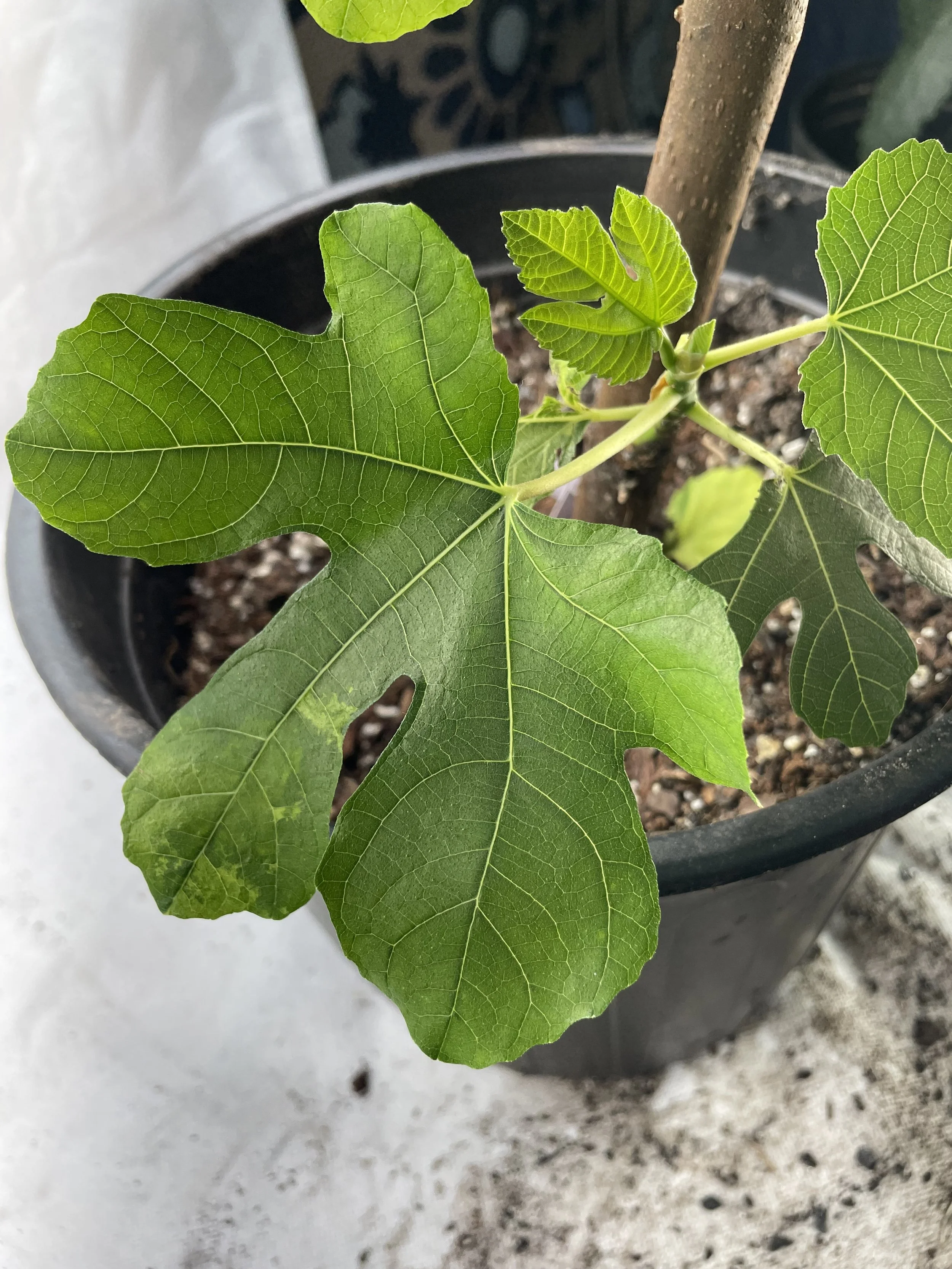
Fig Reference Library
Giles County Figs Fall 2025 Set
A curated group of fig cultivars under evaluation for Zone 7b performance.
This reference library documents fig cultivars under structured evaluation in Pulaski, Tennessee (USDA Zone 7b). Each profile reflects multi-season field observation focused on winter response, regrowth stability, fruit timing, and long-term orchard reliability in a cold-edge southeastern climate.
Each variety profile is evaluated within the context of our Zone 7b orchard trial and research documentation framework.
Malta Black (FIG-01)
Reference Page: Malta Black
Included to evaluate a dark-fruited fig for recovery behavior and long-term orchard reliability under Zone 7b conditions. Malta Black is observed for how it establishes structure, responds to winter dieback, and resumes growth within a shortened growing season. Particular attention is given to whether its recovery timing supports consistent fruit development. This reference helps clarify whether Malta Black can serve as a dependable orchard fig rather than a warm-climate specialty.
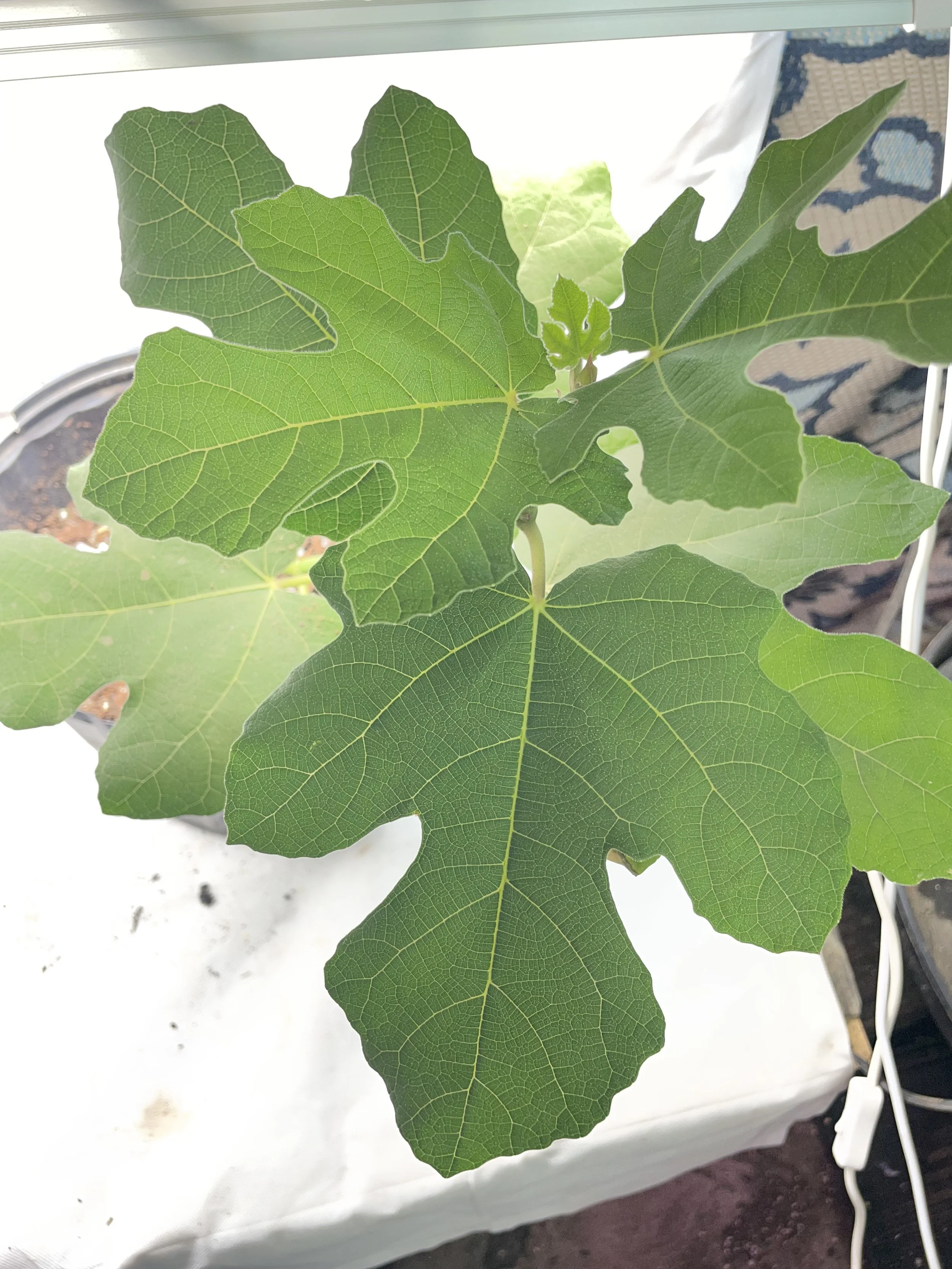
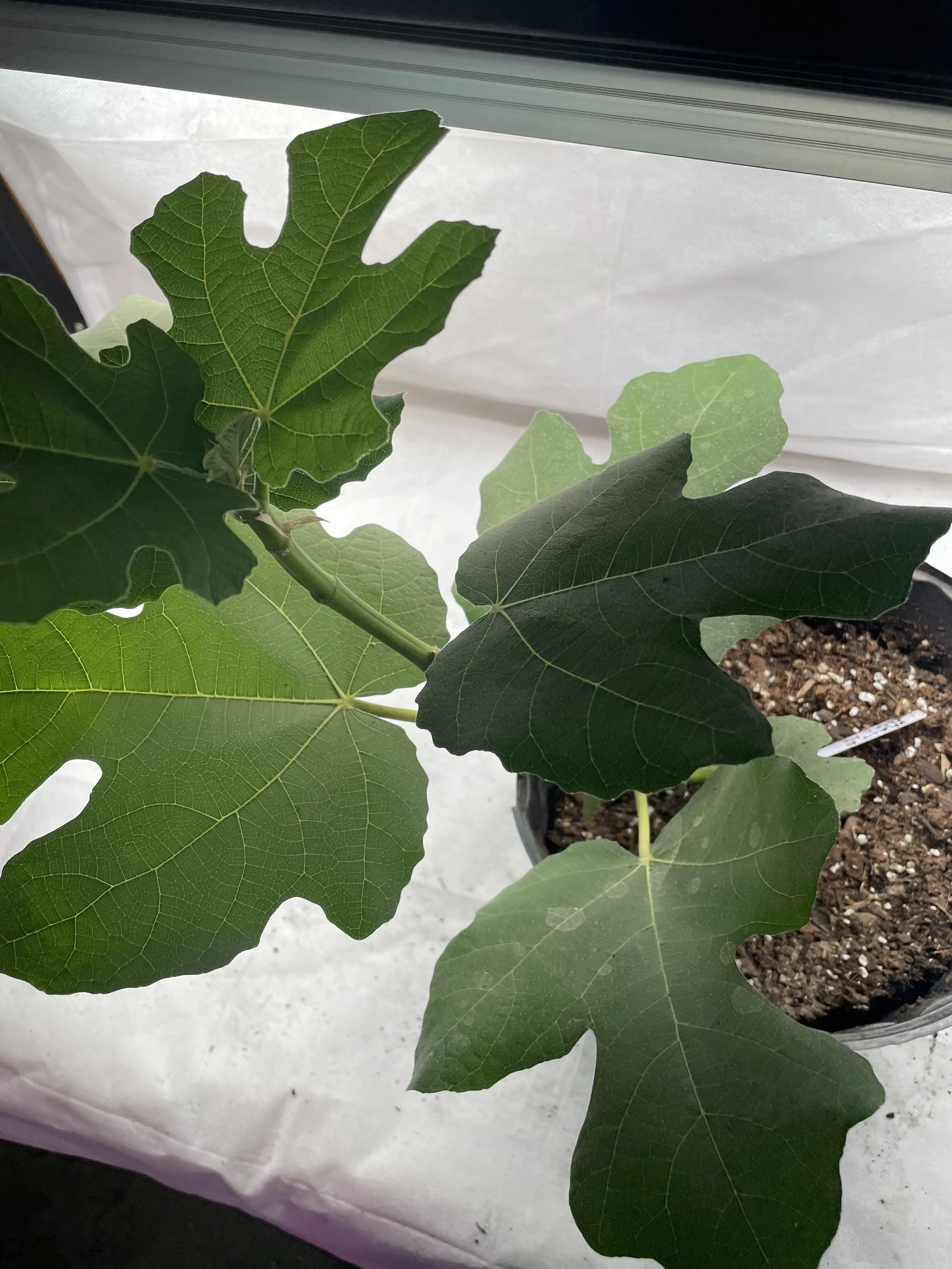
Rhonda de Boureaux (FIG-02)
Reference Page: Rhonda de Boureaux
Included to document how a named European fig responds to cold exposure and orchard management in Zone 7b. Rhonda de Boureaux is evaluated for recovery timing, structural balance, and overall reliability following winter stress. Observations focus on whether its growth cycle aligns with the available season. This reference helps determine its suitability beyond regions with milder winters
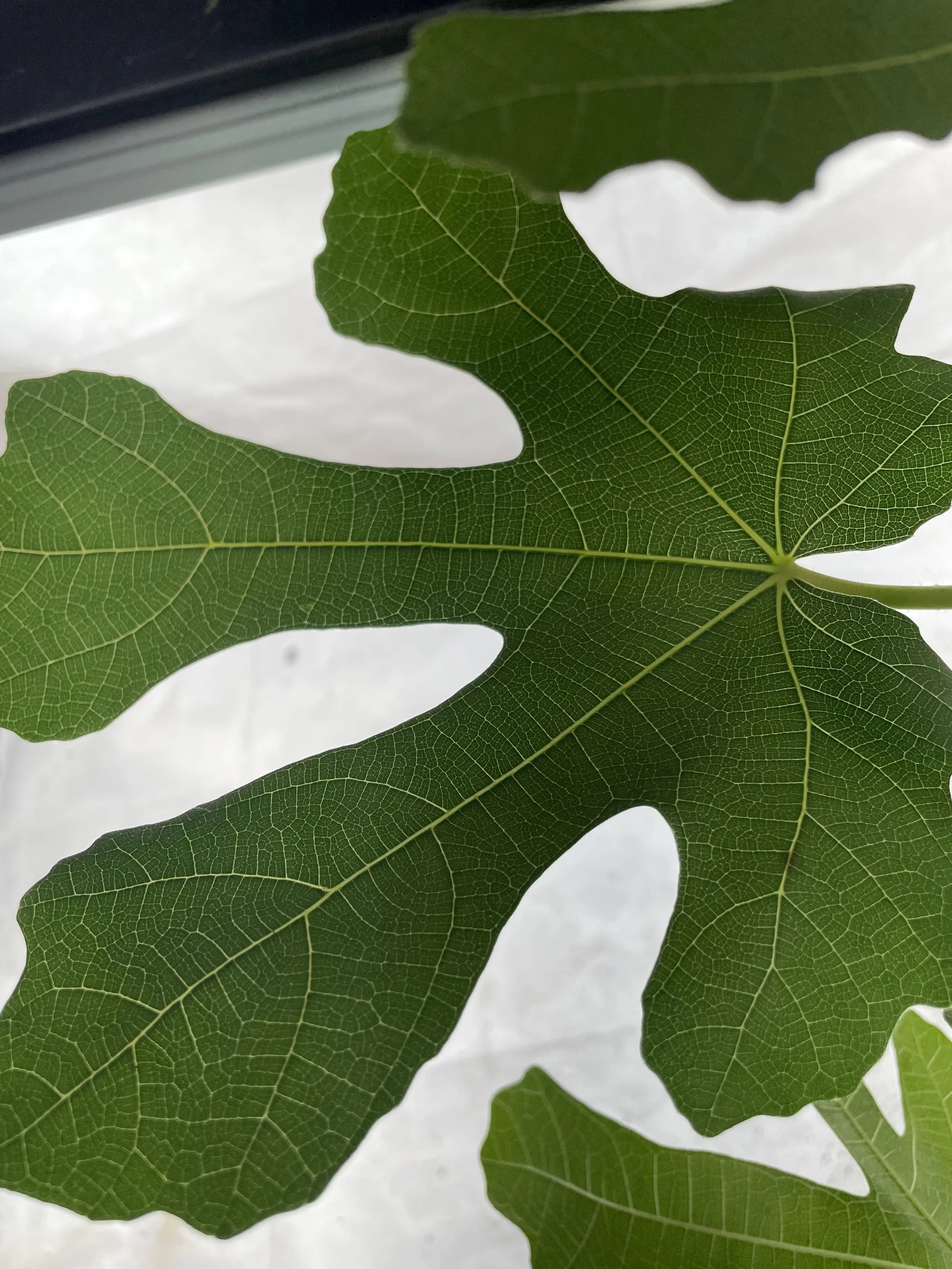
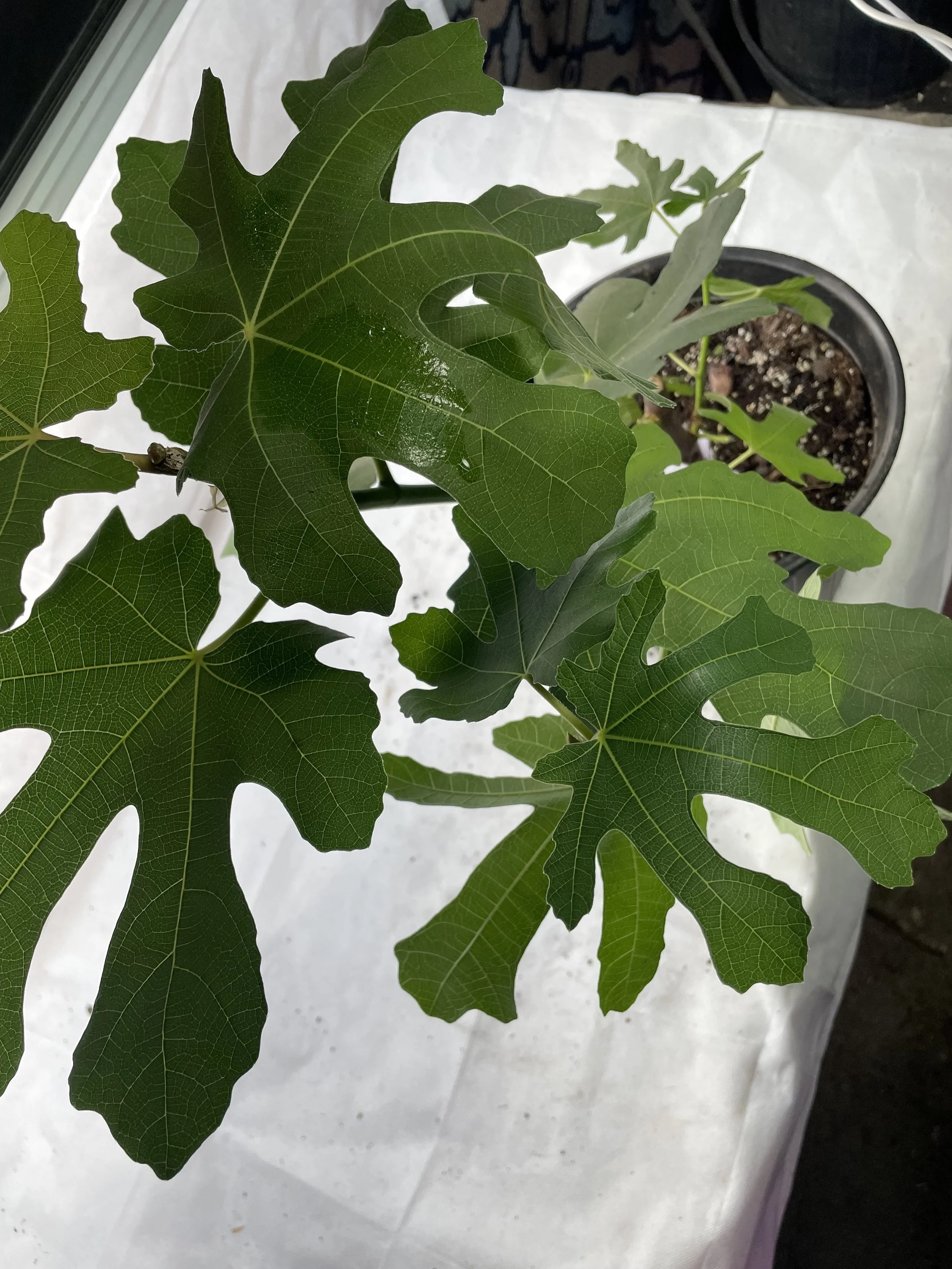
Marseilles Black VS (FIG-03)
Reference Page: Marseilles Black VS
Included as a Mt. Etna–type reference to benchmark cold hardiness and rebound reliability. Marseilles Black VS is observed for its ability to tolerate dieback and resume productive growth quickly in spring. Its performance helps anchor comparisons across the orchard. This fig serves as a functional hardiness reference rather than a fruit-quality outlier.
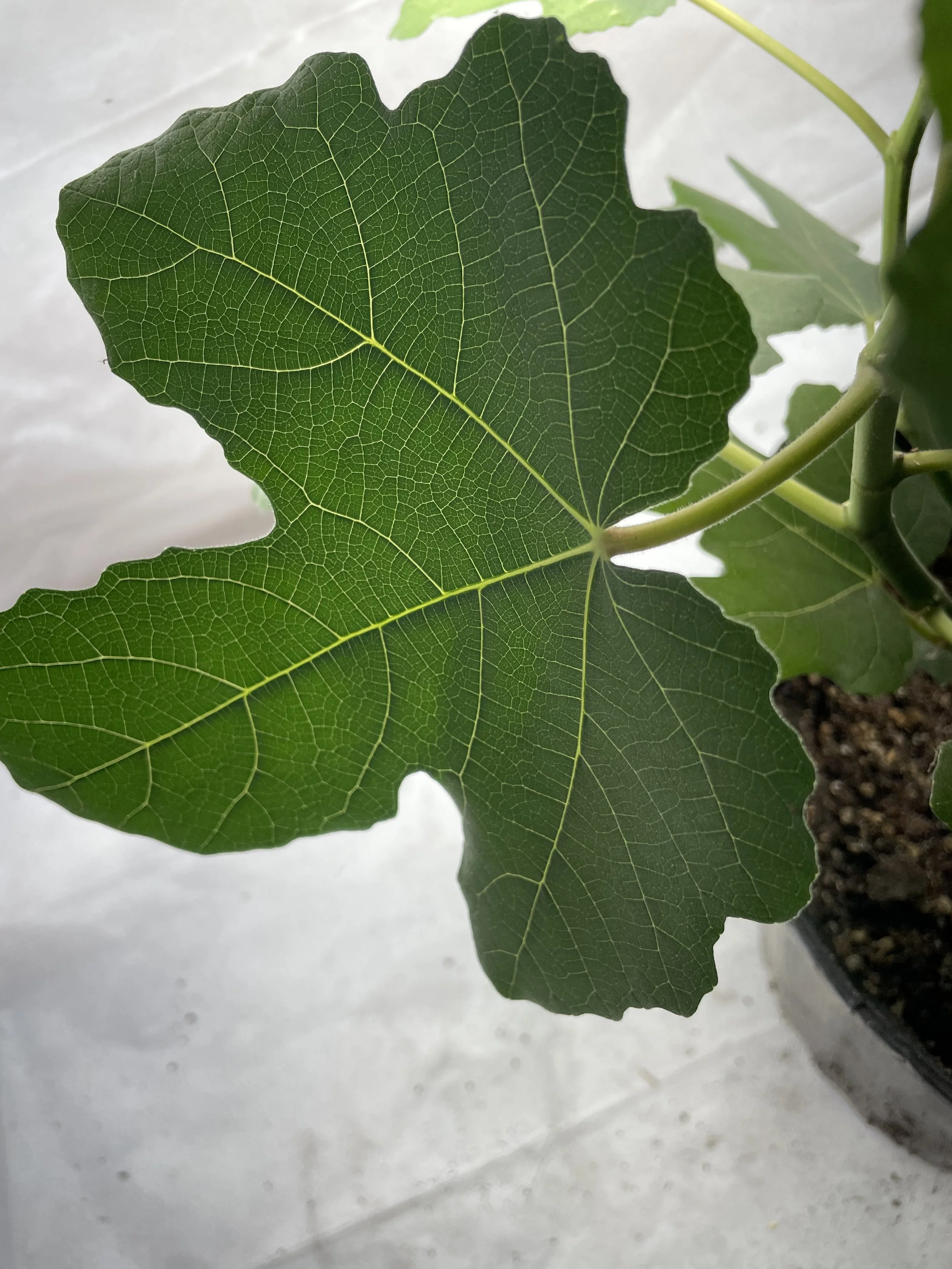
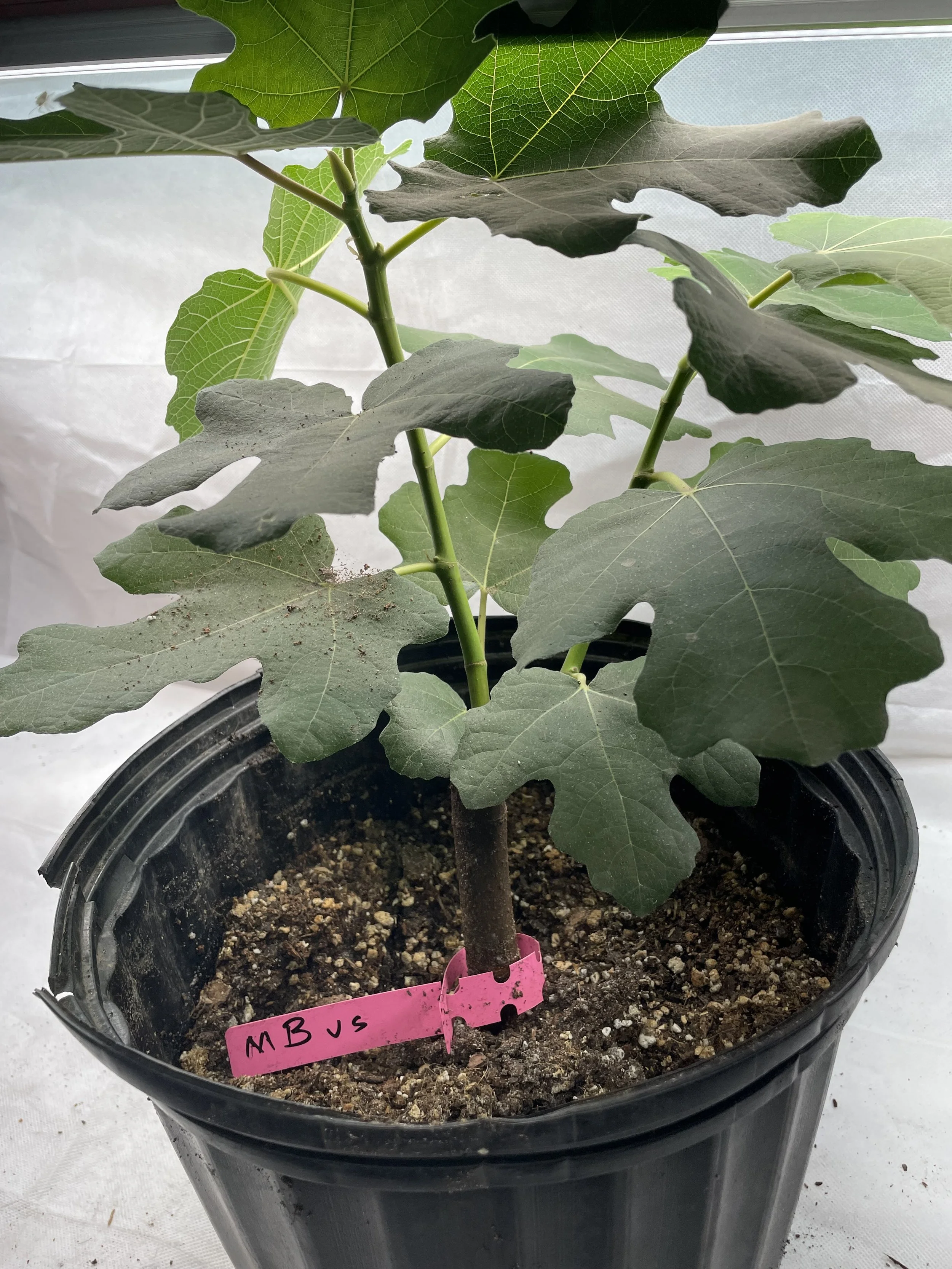
Florea (FIG-04)
Reference Page: Florea
Included to evaluate a fig with a distinctly different growth and fruiting profile within a Zone 7b orchard. Florea is observed for how its structure, recovery behavior, and seasonal timing differ from more common orchard standards. The focus is on functional role rather than similarity to existing cultivars. This reference helps broaden understanding of alternative fig use cases.
LSU Scott’s Black (FIG-05)
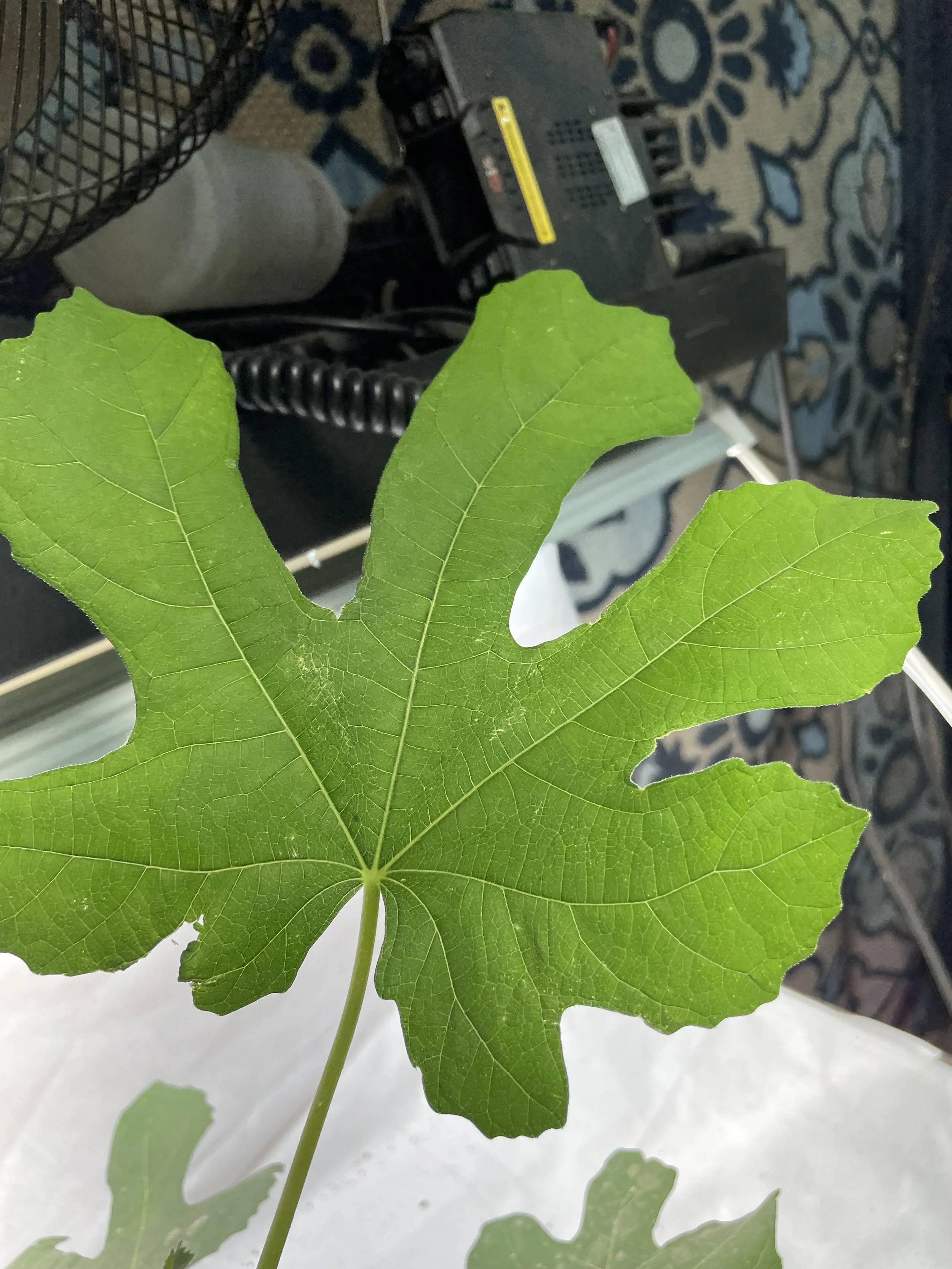
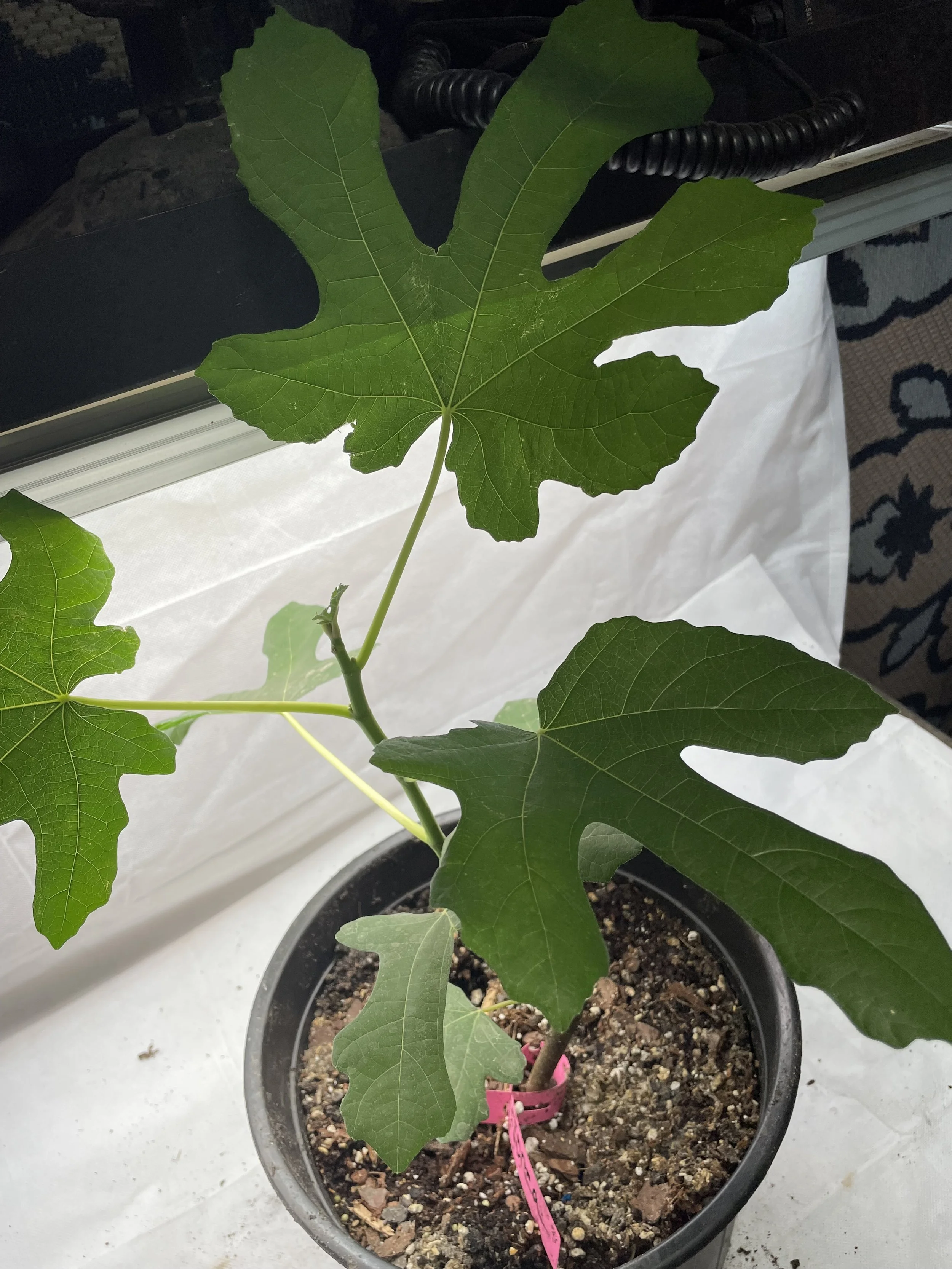
Reference Page: LSU Scott’s Black
Included to assess how an LSU-bred fig performs when moved from warm-climate intent into Zone 7b reality. LSU Scott’s Black is evaluated for vigor, winter response, and recovery timing. Observations focus on whether its breeding translates into practical orchard reliability. This reference helps clarify regional adaptability limits.
LSU Tiger (FIG-06)
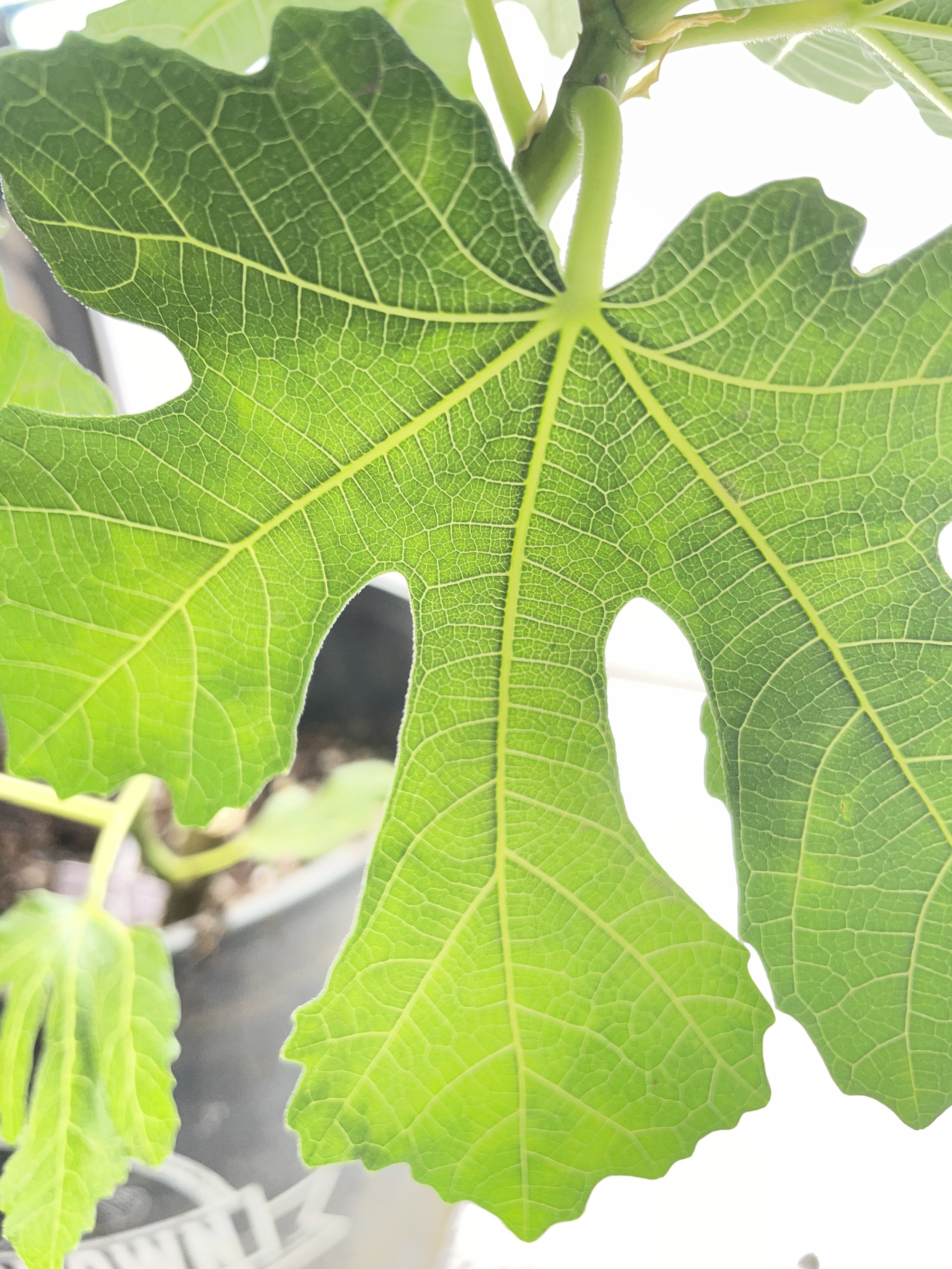
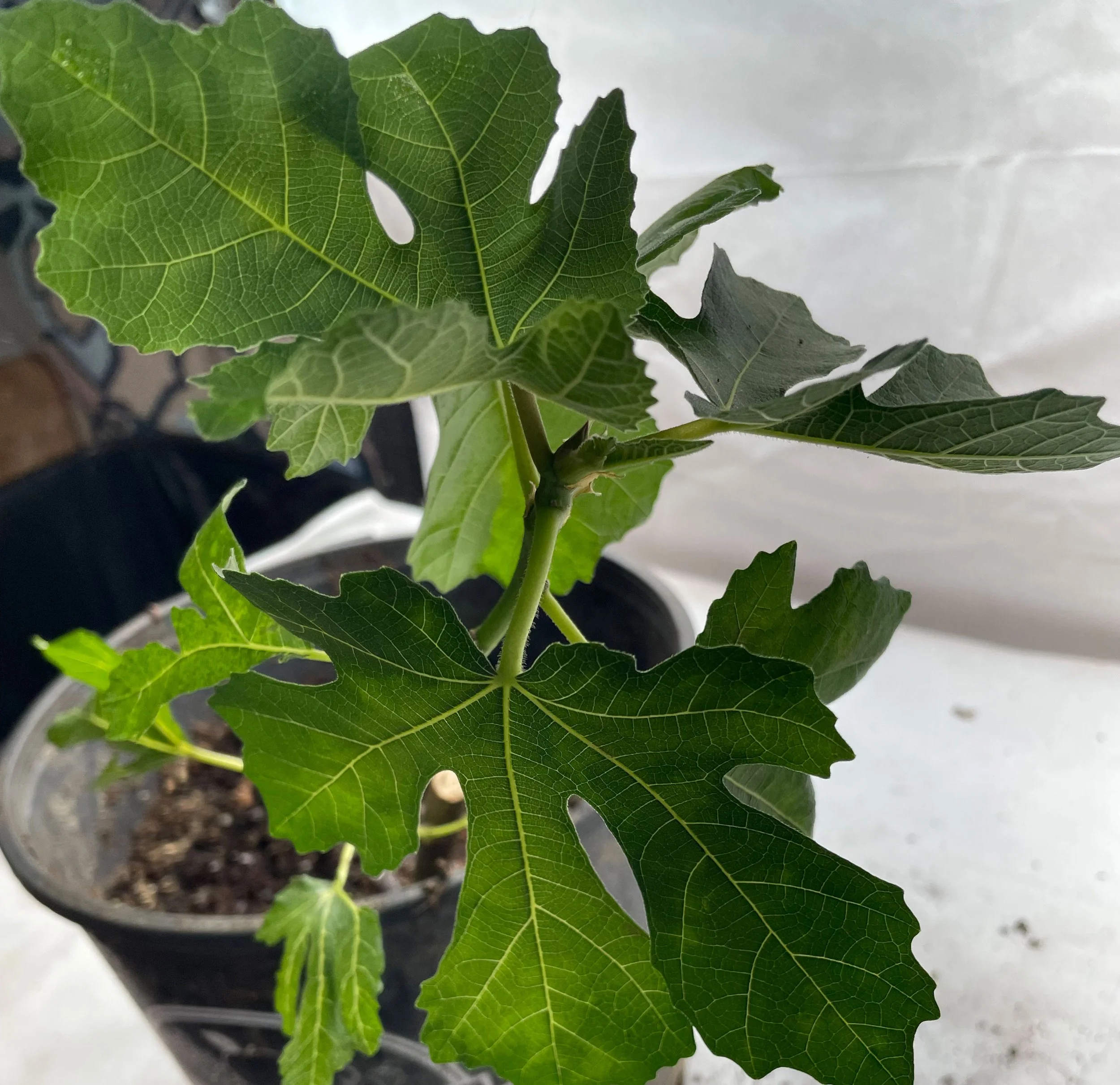
Reference Page: LSU Tiger
Included to observe vigor, recovery behavior, and fruiting feasibility of a strongly growing LSU selection. LSU Tiger is evaluated for how its energetic growth responds to winter dieback and whether recovery supports timely fruit development. Its performance helps clarify tradeoffs between vigor and reliability. This reference informs placement decisions for vigorous figs in cooler orchards.
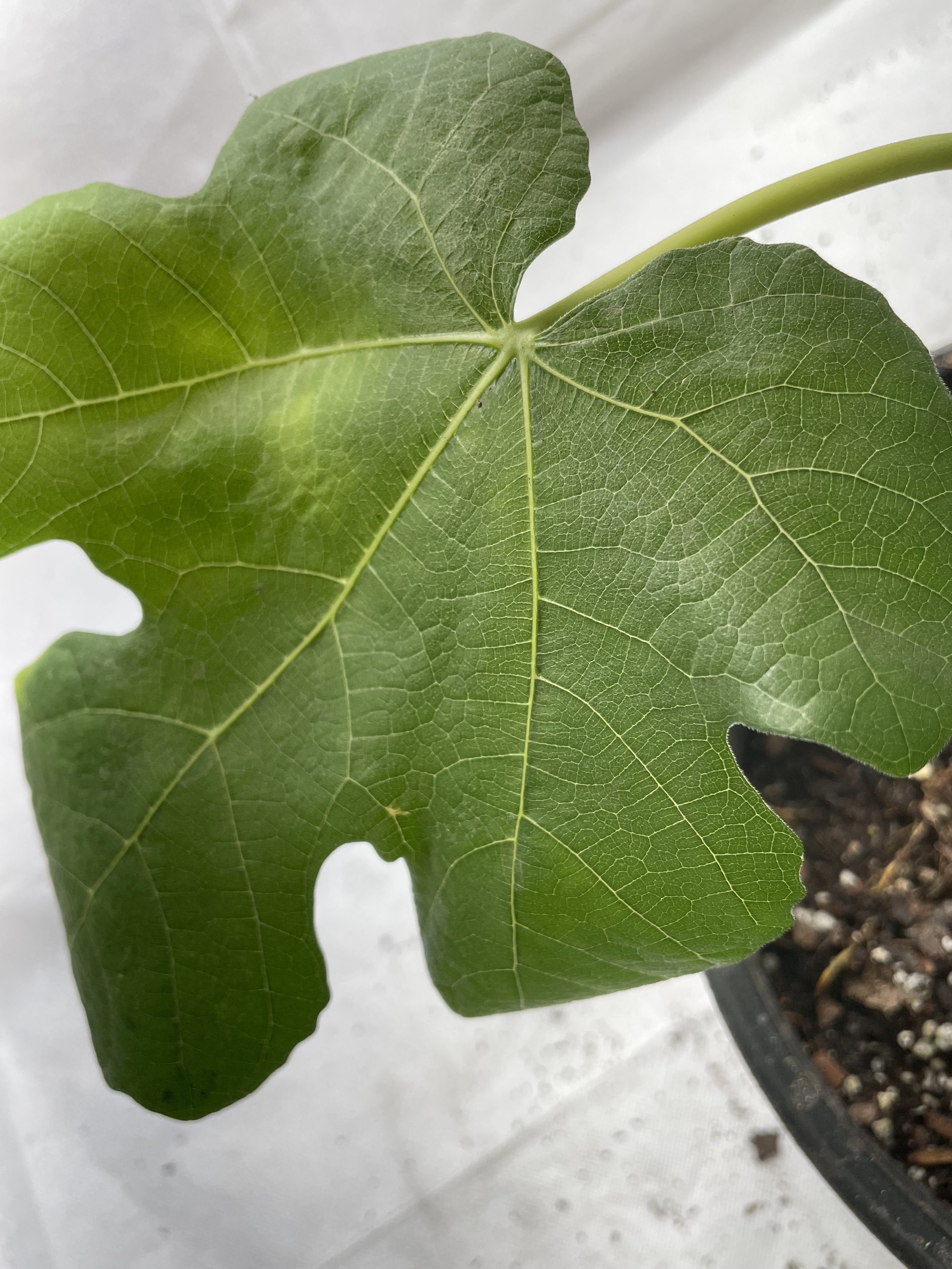
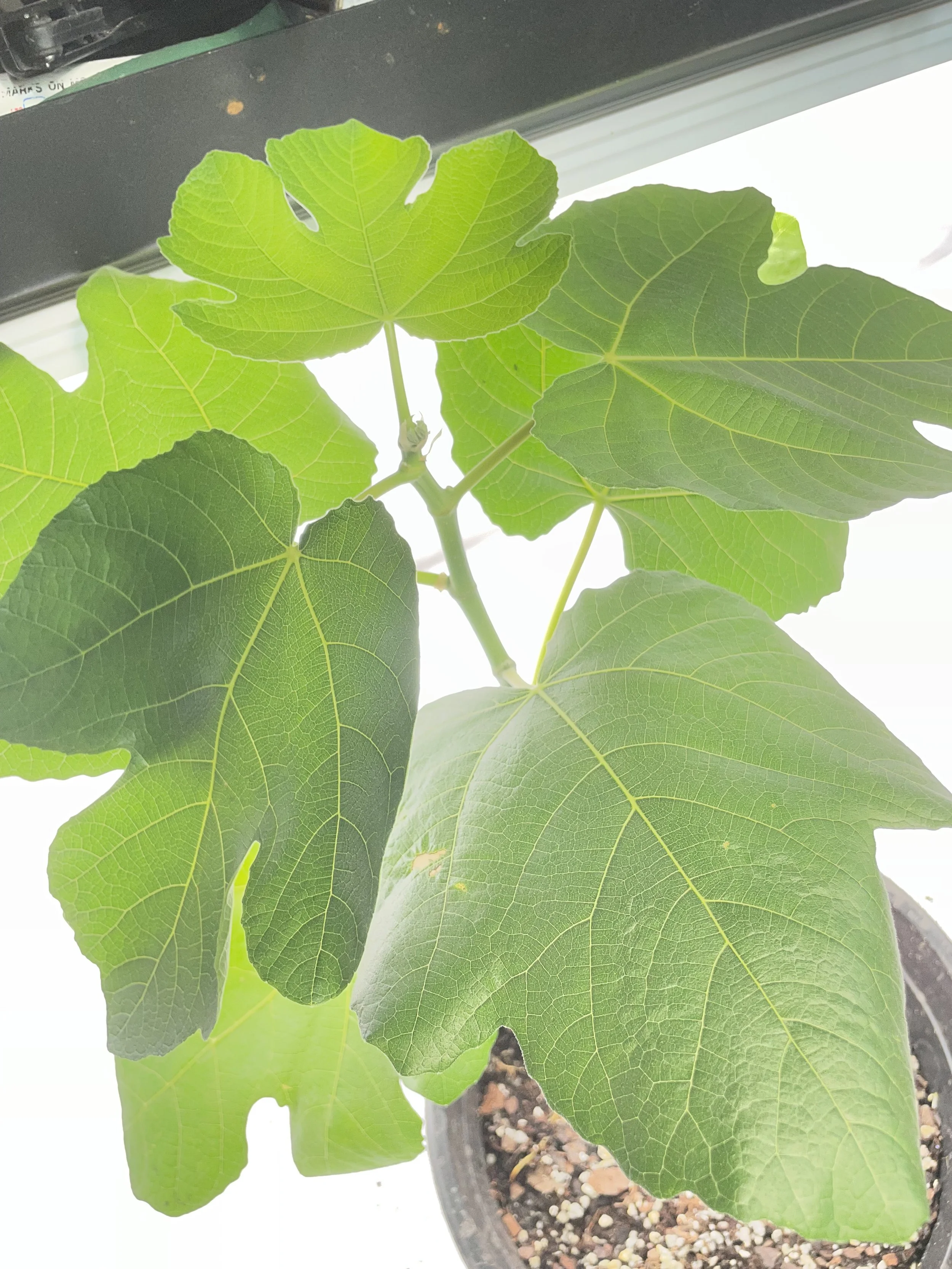
Improved Celeste (FIG-07)
Reference Page: Improved Celeste
Included as a Celeste-type candidate for early reliability and potential backbone use in Zone 7b. Improved Celeste is observed for recovery speed, structural consistency, and alignment with the local growing season. The focus is on whether it can serve as a dependable orchard standard. This reference helps evaluate Celeste-derived figs for cooler climates.
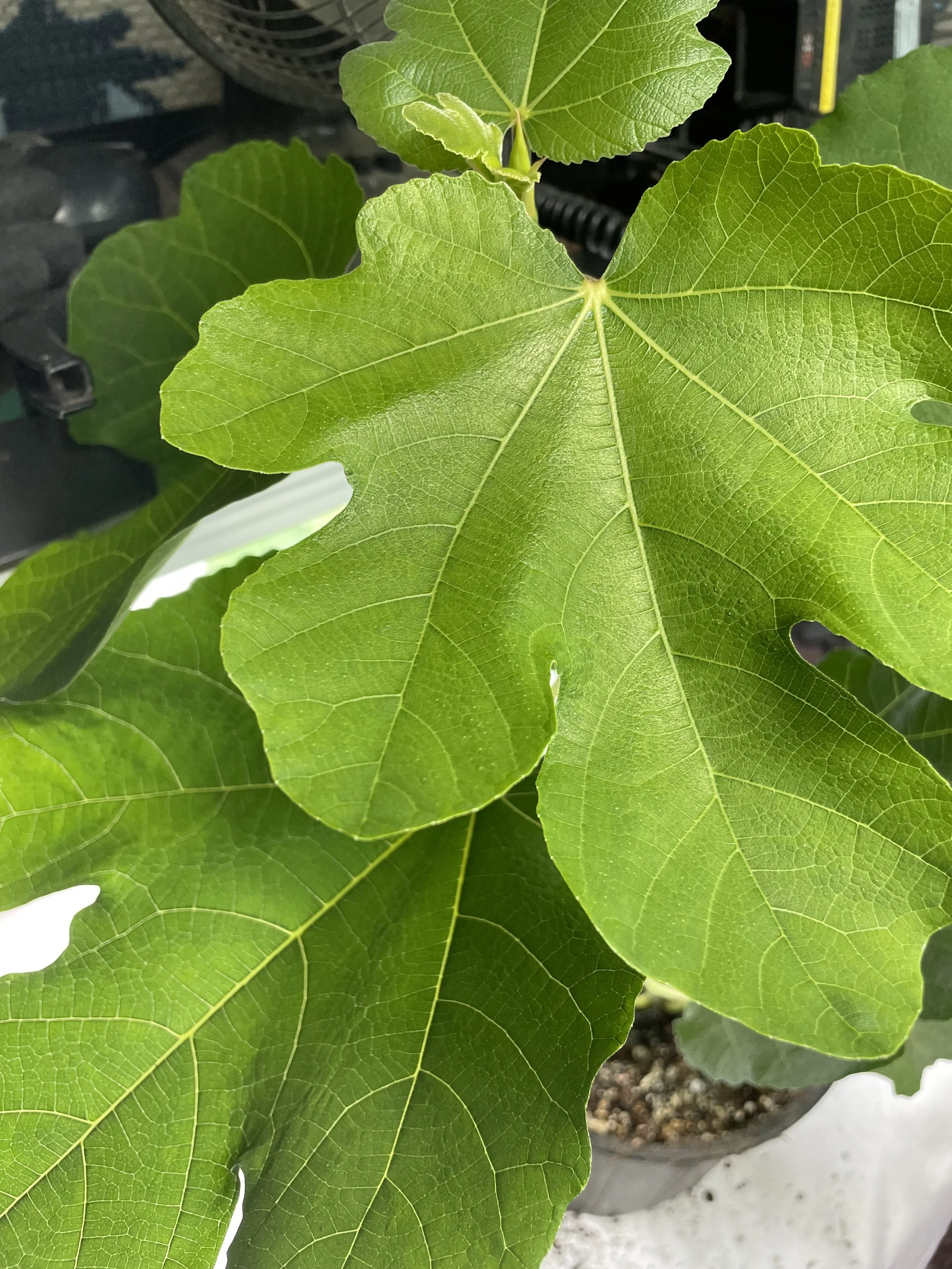
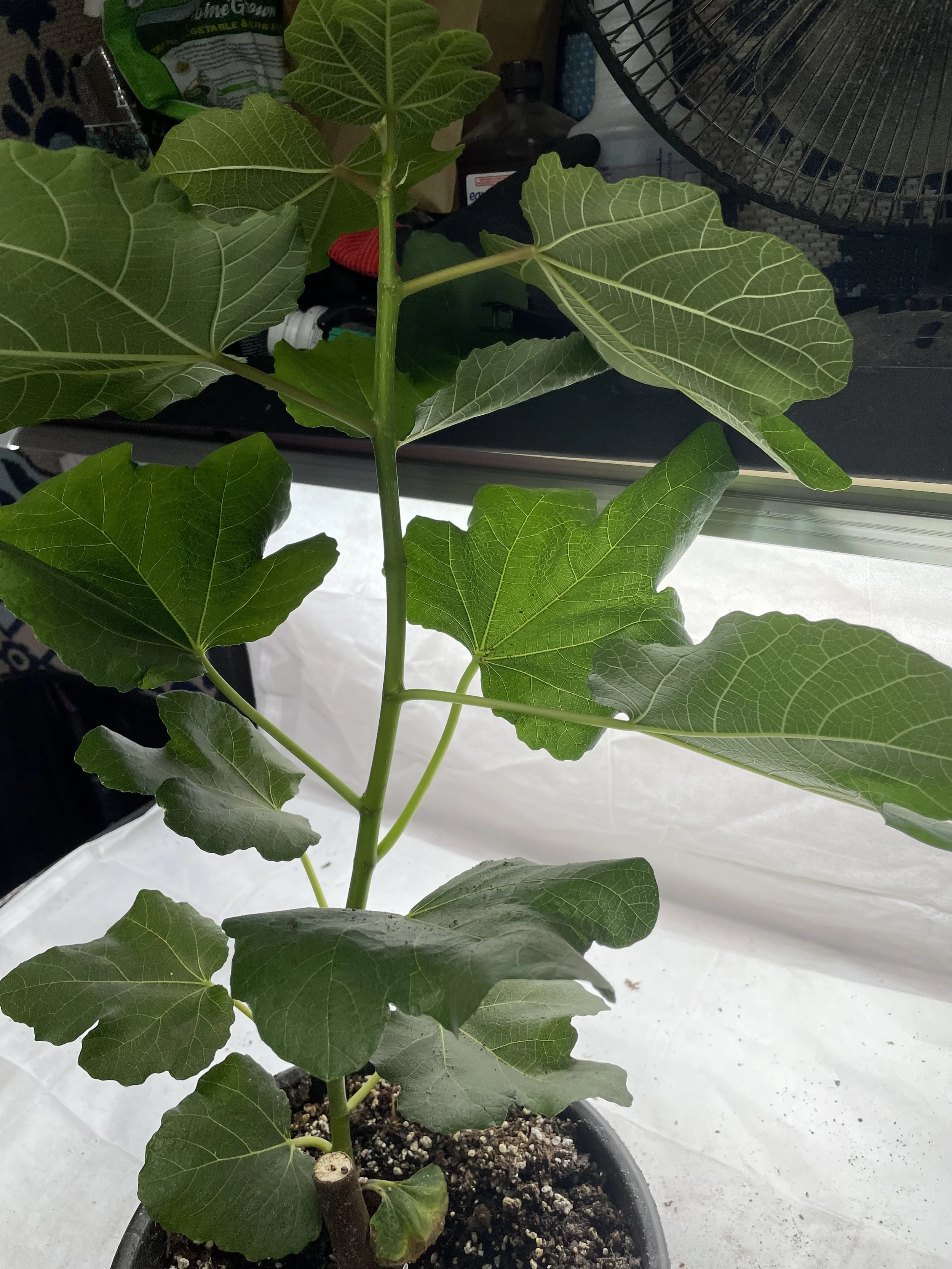
I-258 (FIG-08)
Reference Page: I-258
Included as a numbered selection to document performance without reputation bias. I-258 is evaluated strictly through observation of growth habit, winter response, and recovery timing. The absence of a widely recognized name allows neutral assessment. This reference contributes objective data to orchard planning decisions.
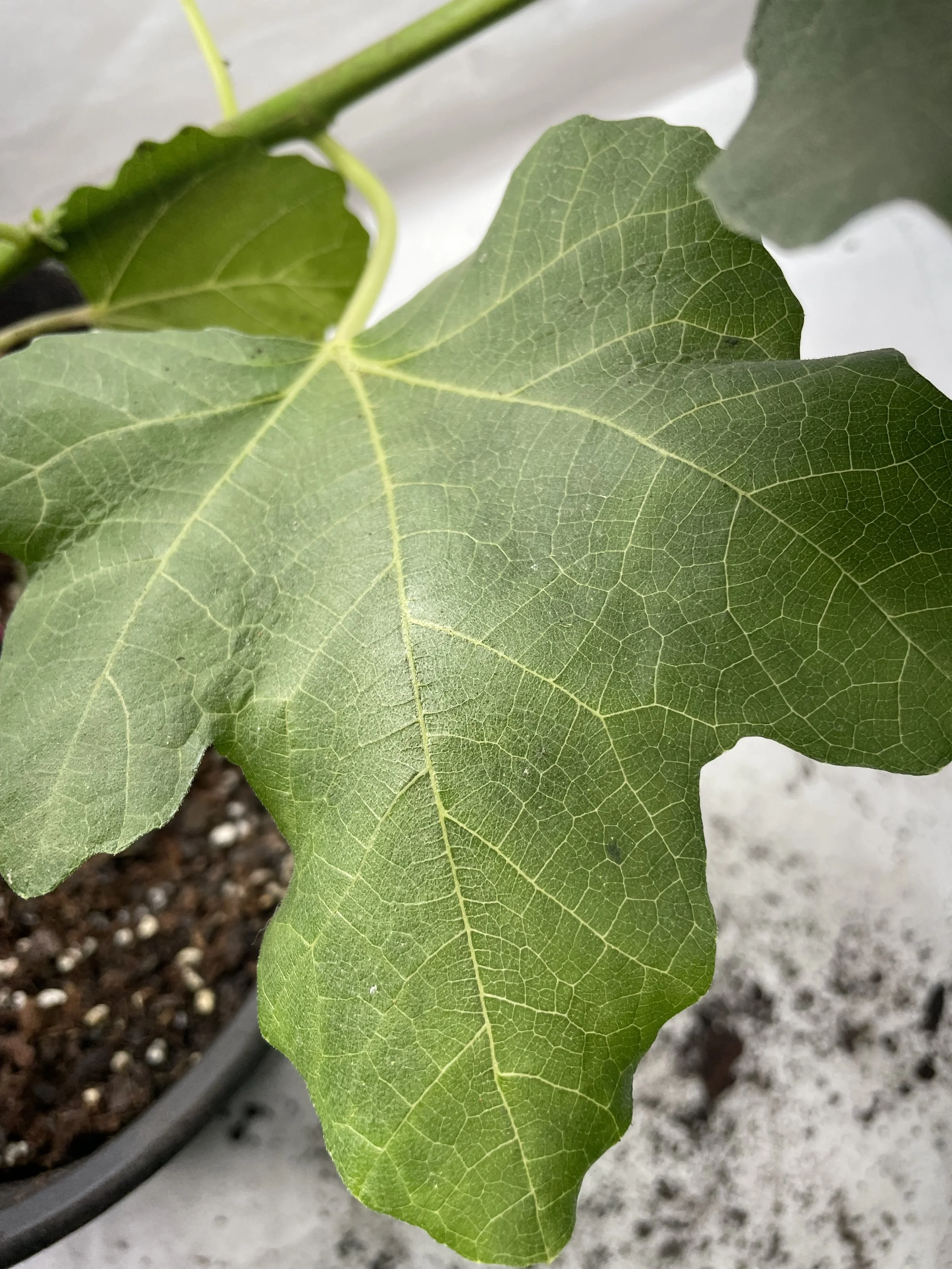
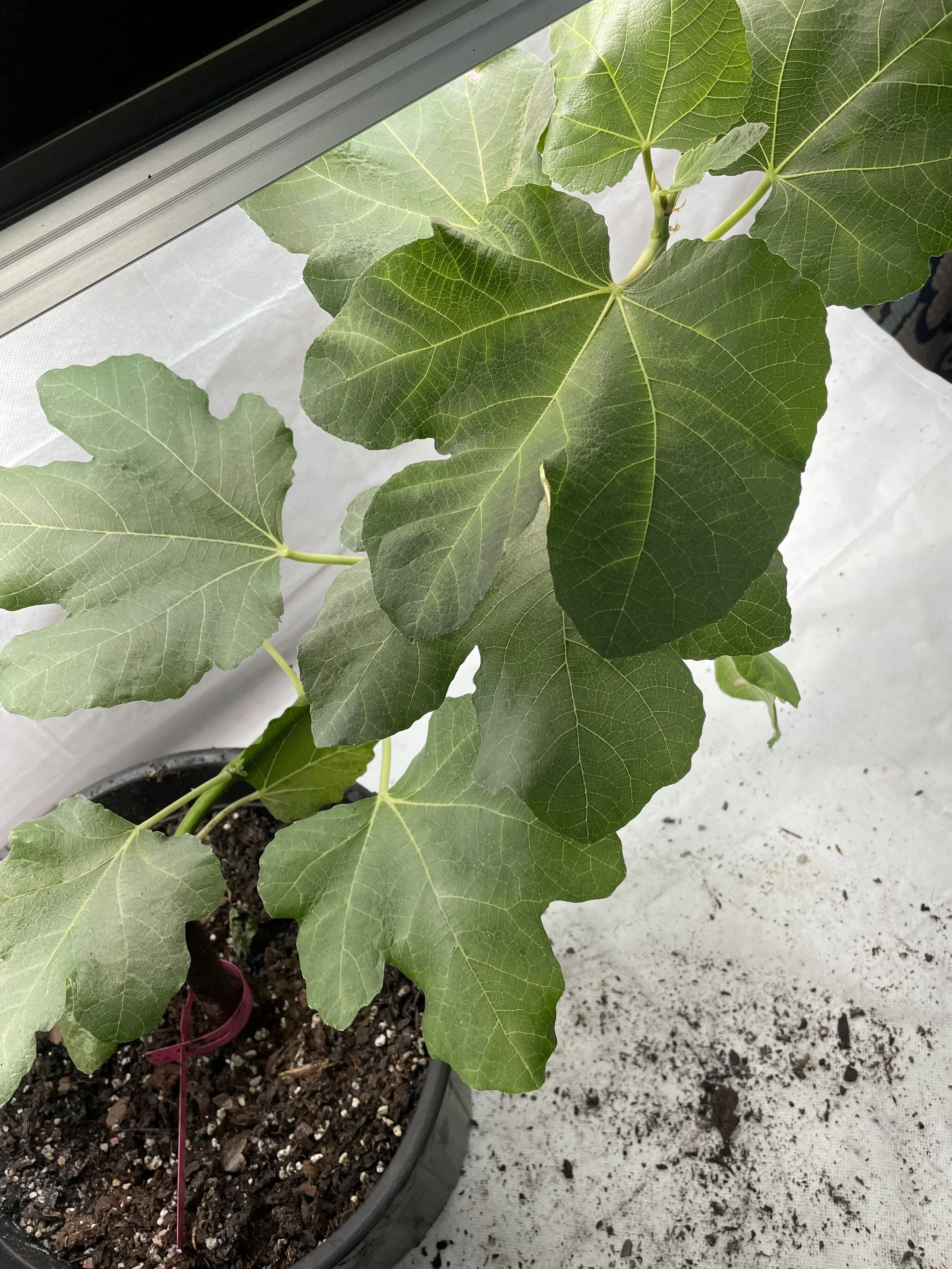
Sultane (FIG-09)
Reference Page: Sultane
Included to test whether a Mediterranean-type fig can recover and fruit reliably in Zone 7b. Sultane is observed for how winter stress affects its growth cycle and whether recovery aligns with the available season. The focus is on functional performance rather than historical reputation. This reference helps define climate boundaries for warm-region figs.
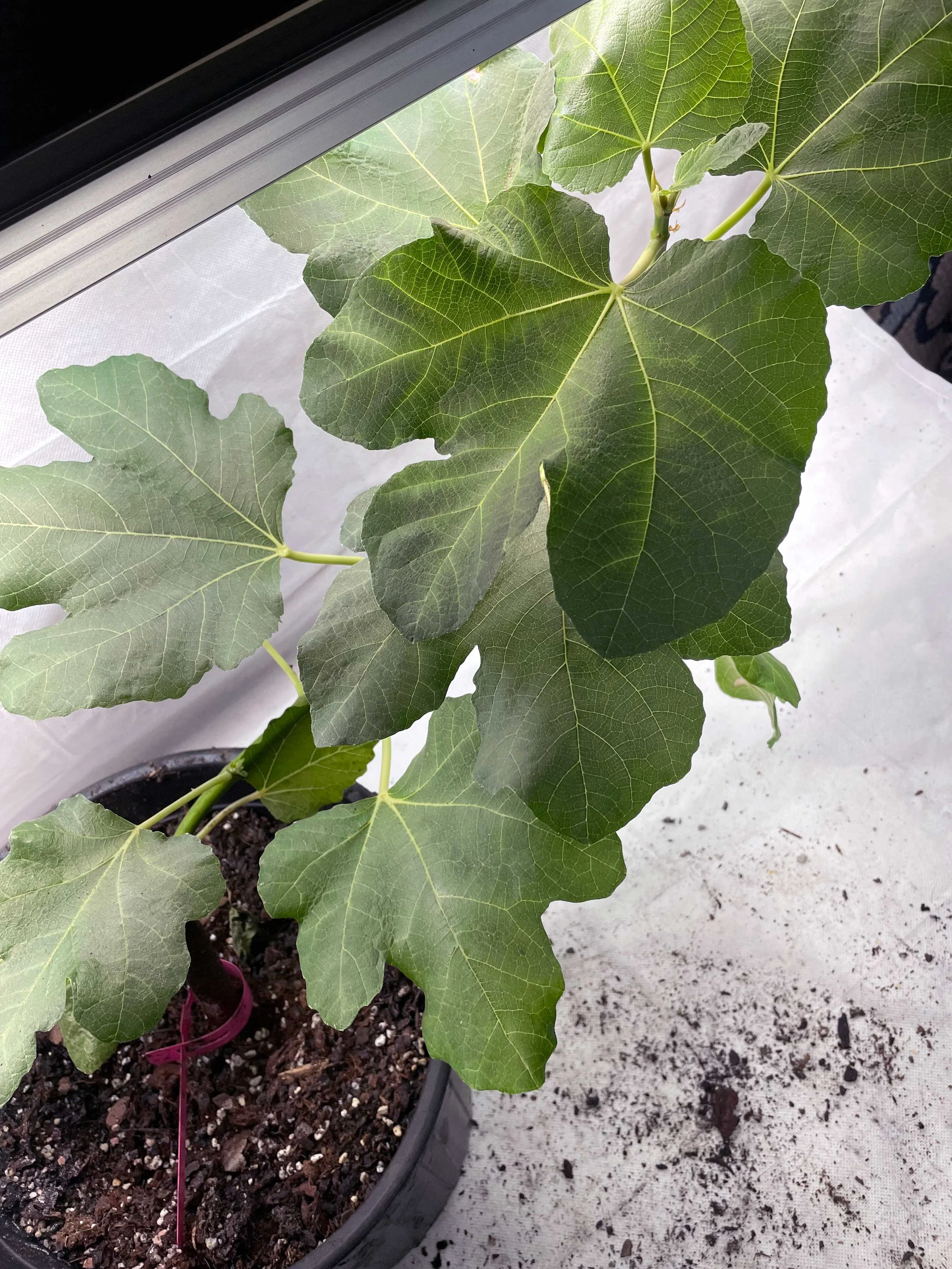
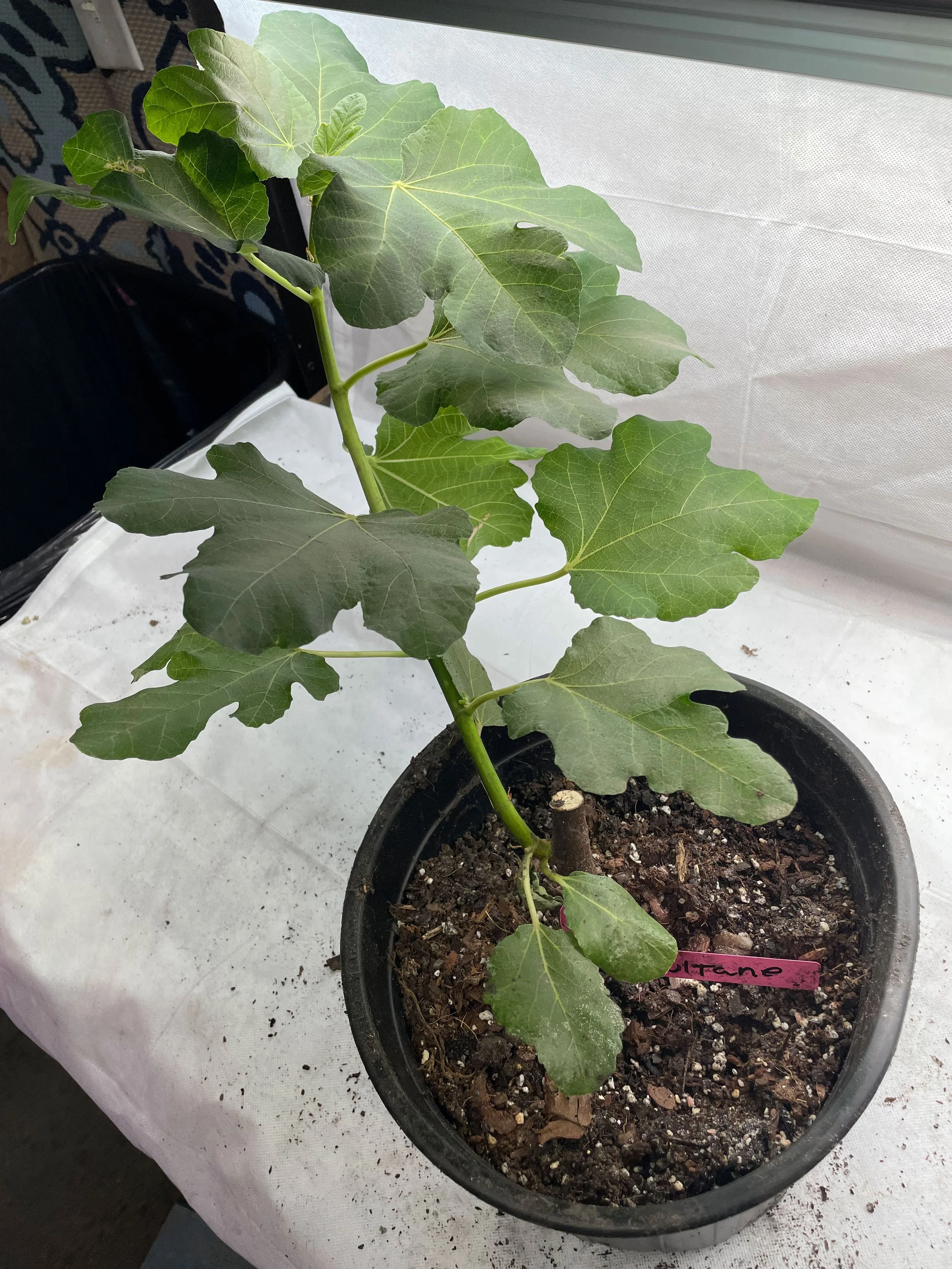
Longue d’Août (FIG-10)
Reference Page: Longue d’Août
Included to evaluate whether a traditional European fig can meet the ripening and recovery demands of a colder orchard environment. Longue d’Août is historically associated with longer, warmer seasons where fruit development is less constrained. In Zone 7b, this reference focuses on rebound timing and seasonal alignment. Observations help clarify whether classic European figs can function reliably outside their traditional climate range.
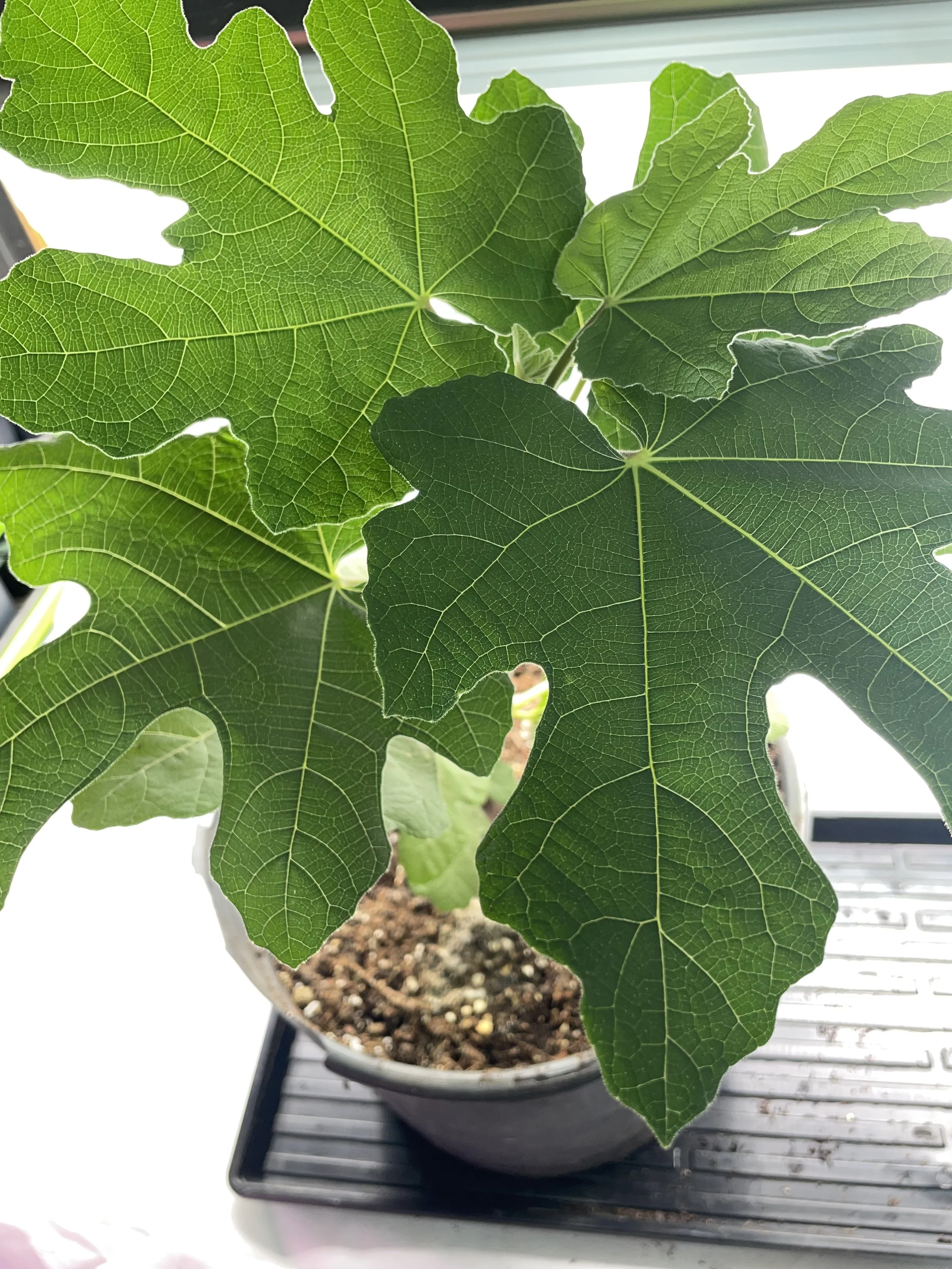
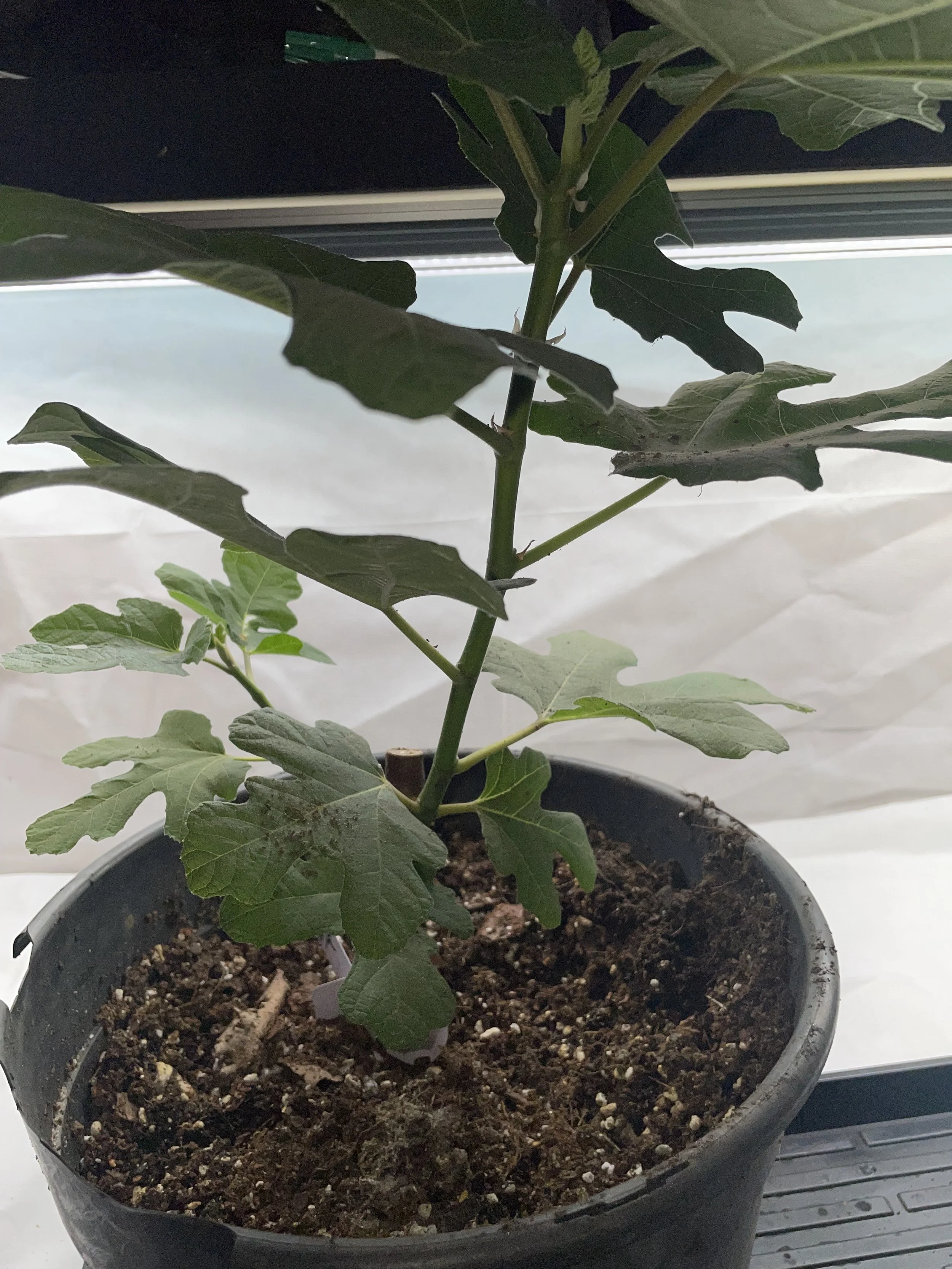
Col de Dame Grise (FIG-11)
Reference Page: Col de Dame Grise
Included to test whether premium fruit quality can be achieved consistently within Zone 7b constraints. Col de Dame Grise is evaluated for recovery behavior, ripening feasibility, and orchard placement requirements. Observations focus on whether quality justifies management demands. This reference helps define the limits of high-end figs in colder orchards.
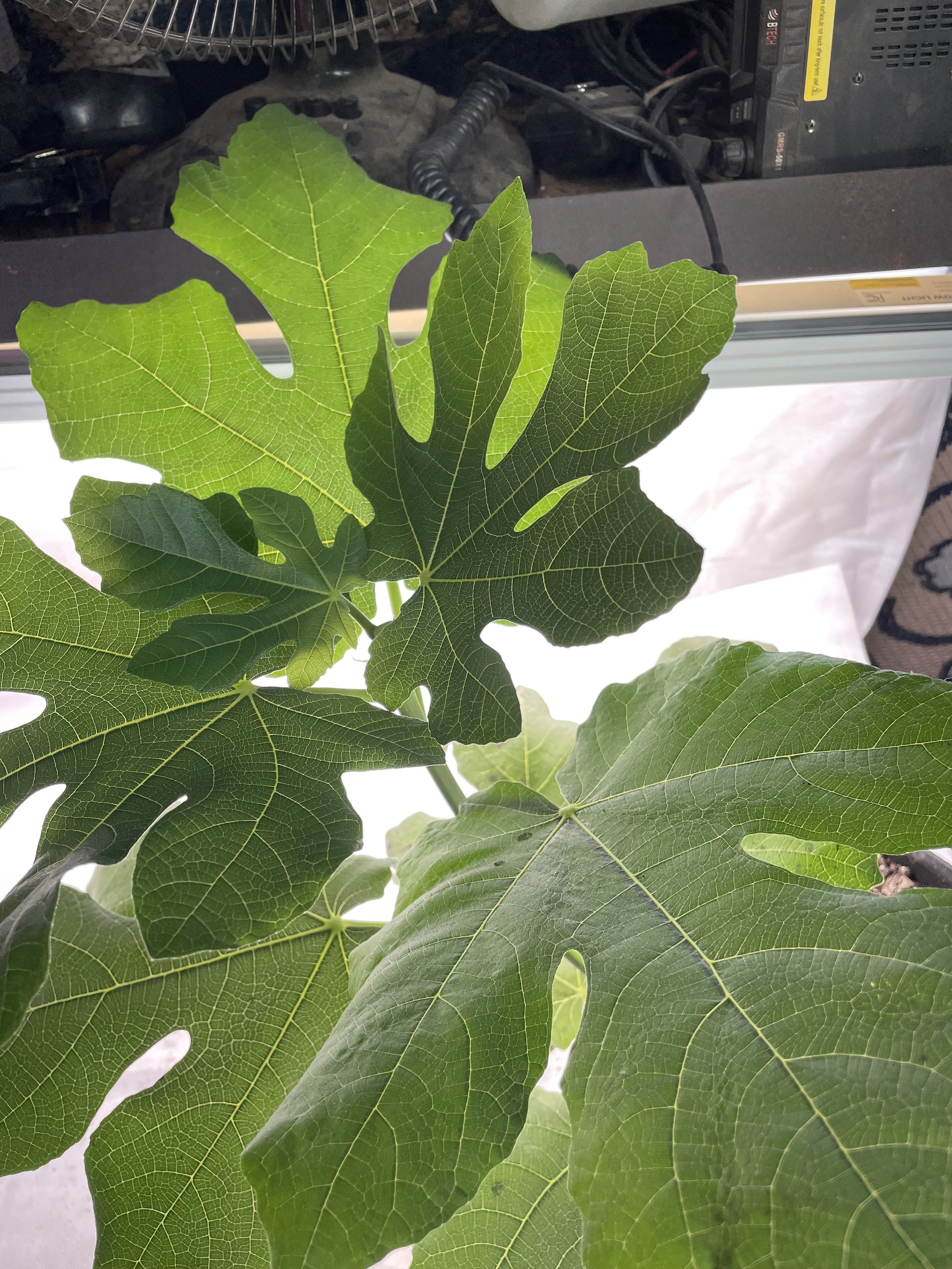
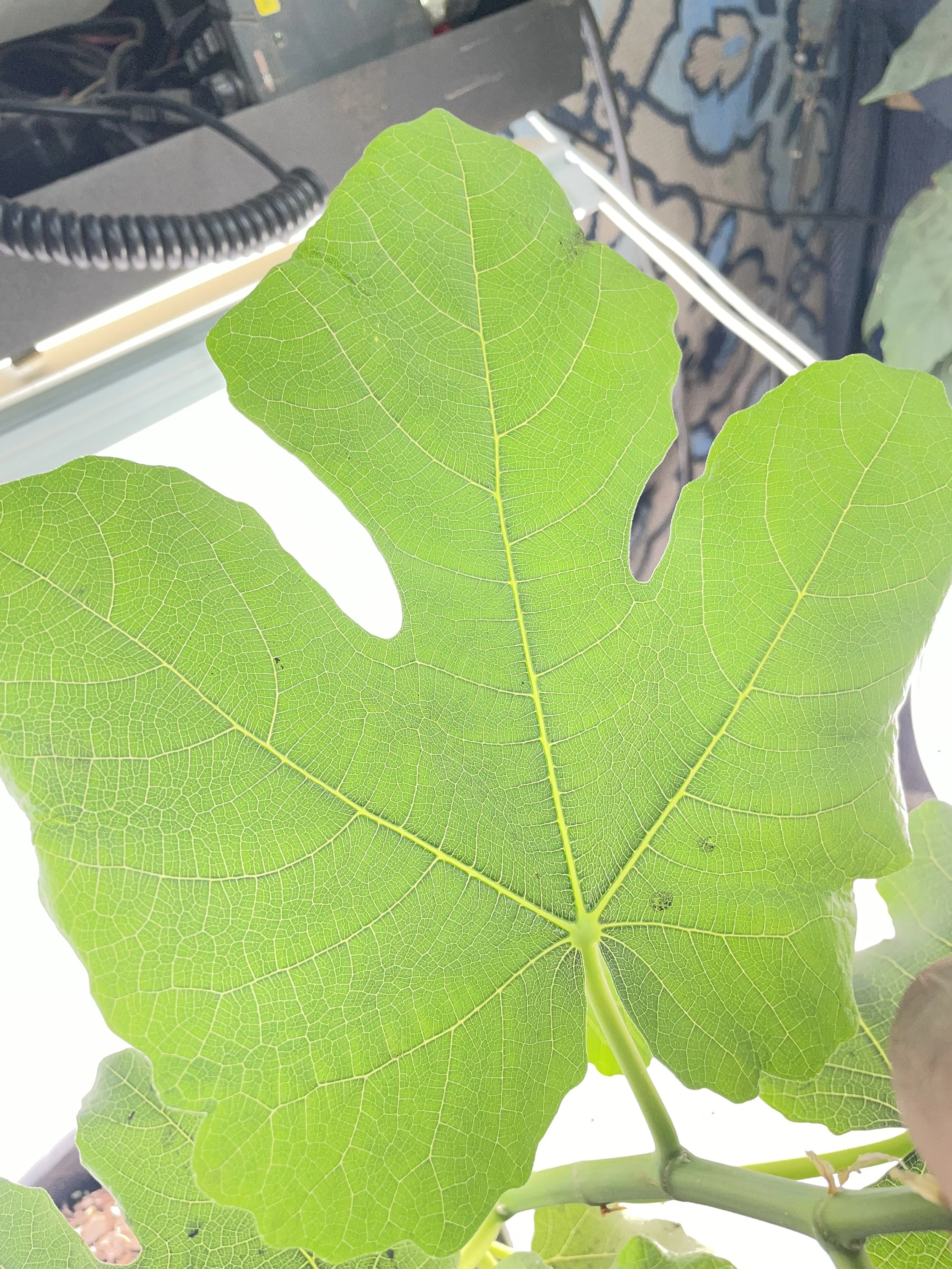
Nordland (FIG-12)
Reference Page: Nordland
Included to evaluate a cold-leaning cultivar for structural reliability and low-intervention orchard use. Nordland is observed for winter response, rebound consistency, and growth balance. The focus is on resilience rather than peak fruit quality. This reference informs decisions about orchard backbone cultivars.
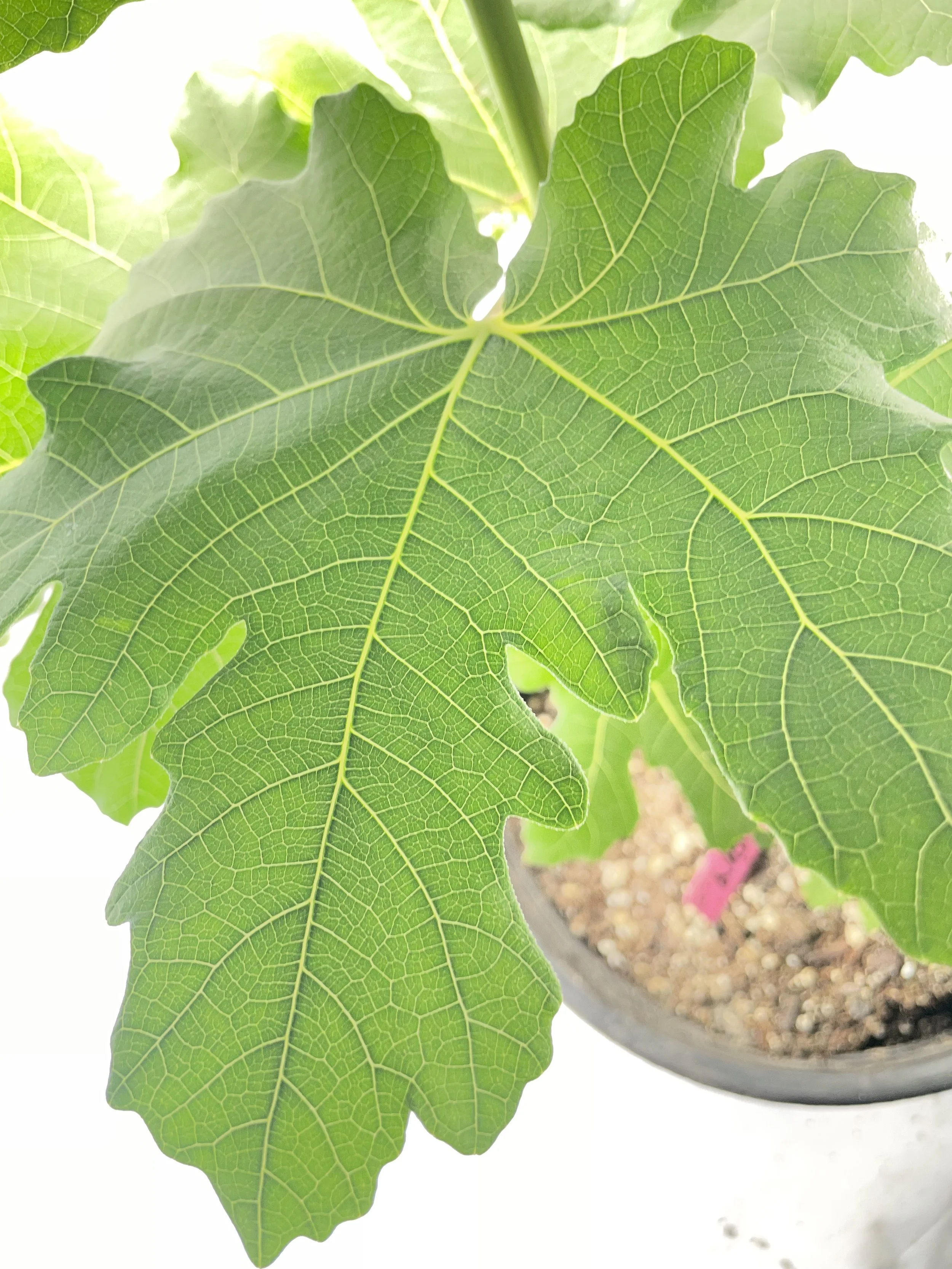
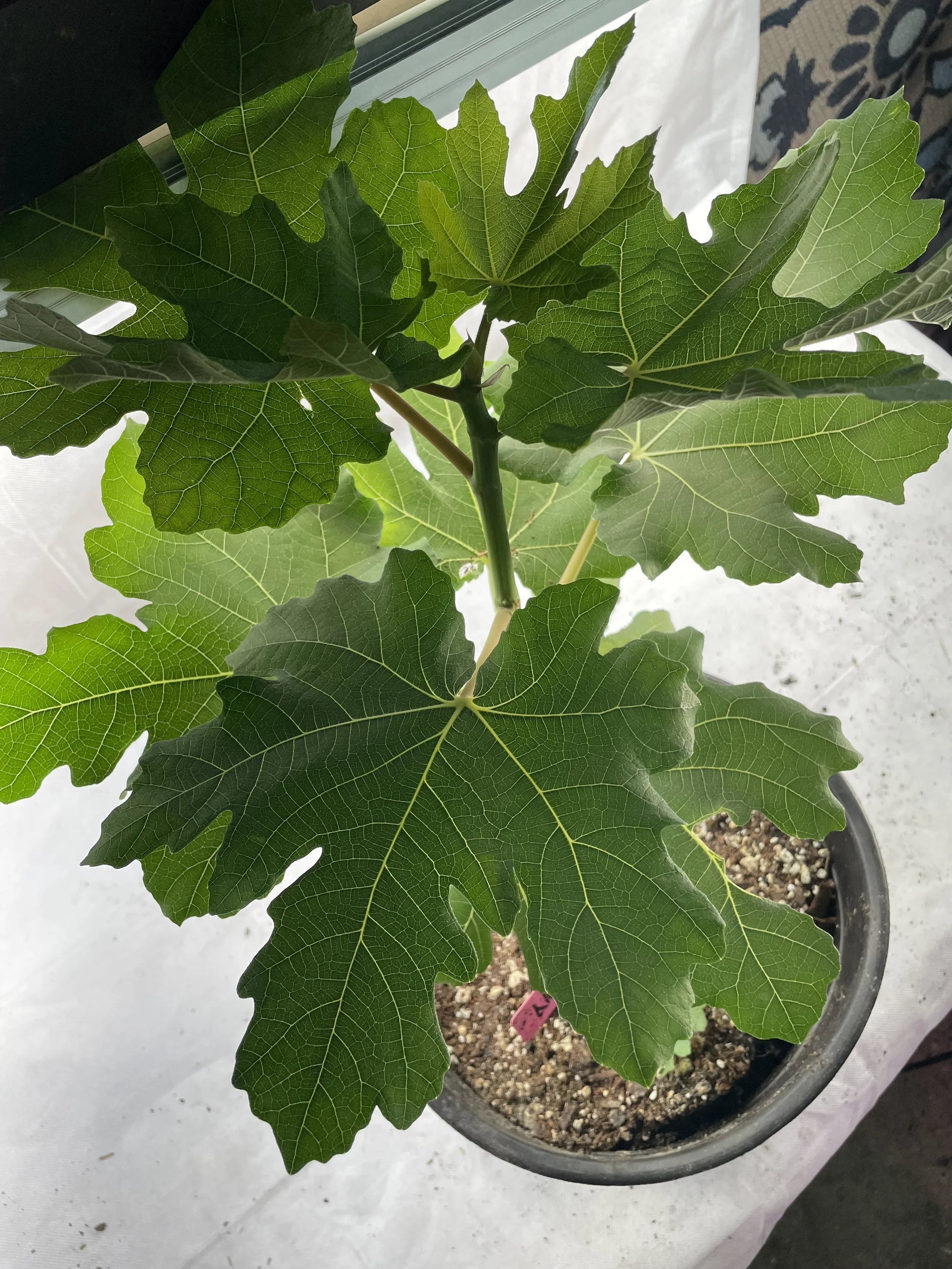
Takema Violet (FIG-13)
Reference Page: Takema Violet
Included as a specialty fig to assess whether distinctiveness can coexist with cold-edge reliability. Takema Violet is evaluated for recovery timing, structural behavior, and seasonal alignment. Observations focus on whether specialty characteristics translate into practical orchard value. This reference helps weigh uniqueness against reliability.
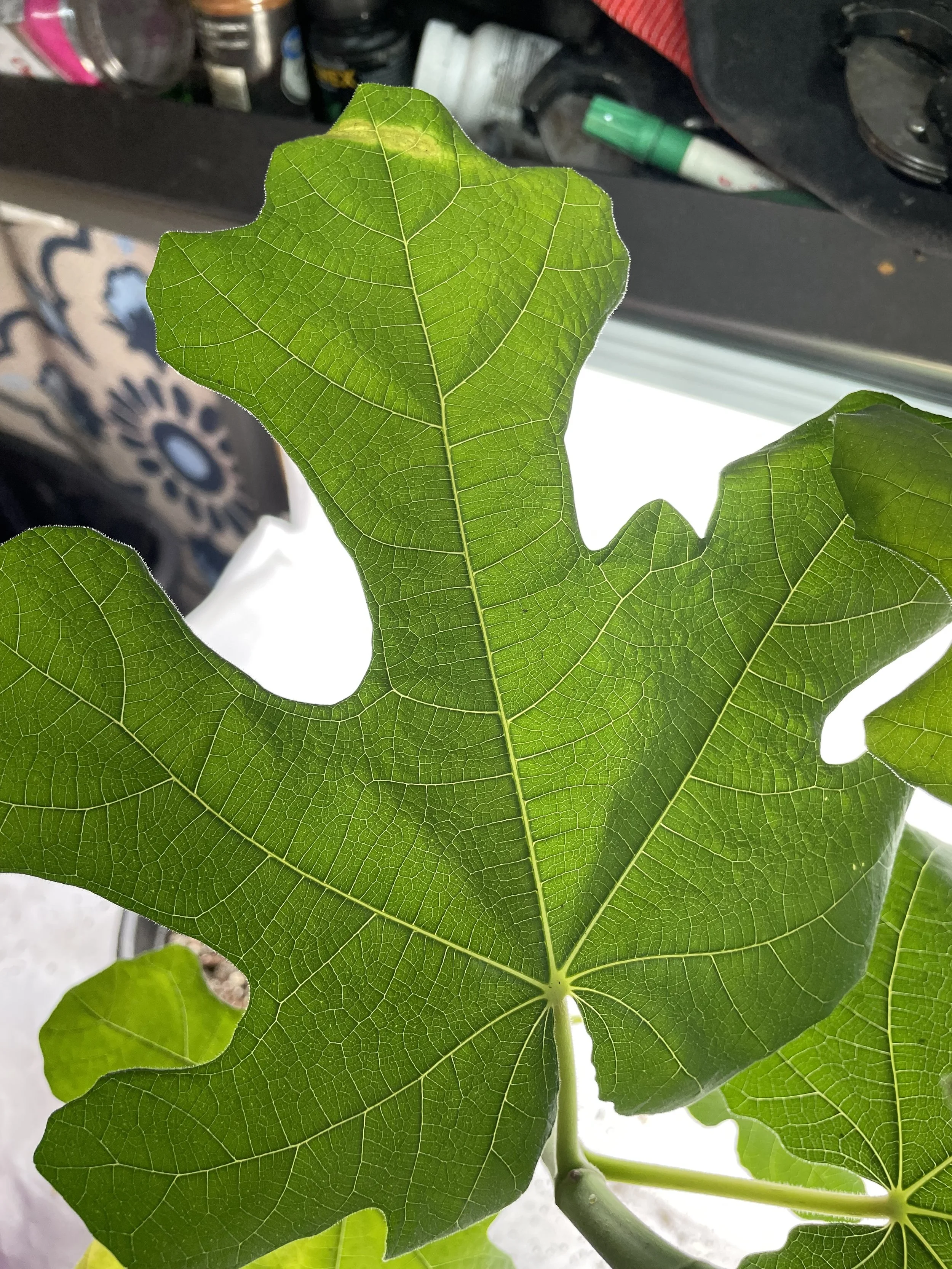
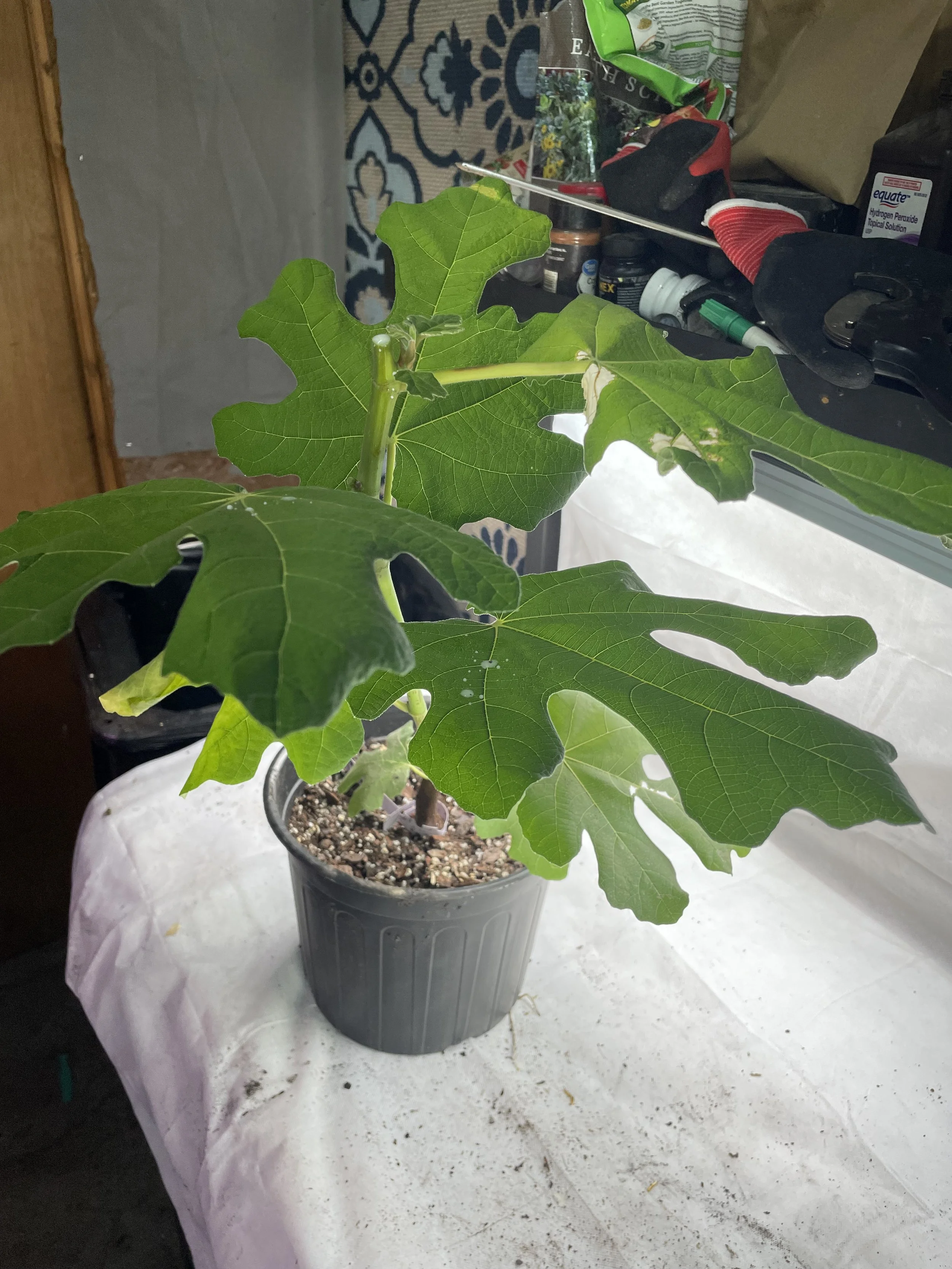
Gino’s Black (FIG-14)
Reference Page: Gino’s Black
Included to evaluate fruit-quality potential balanced against winter dieback and season length. Gino’s Black is observed for recovery consistency and ability to mature fruit within Zone 7b limits. The focus is on functional reliability rather than reputation alone. This reference helps guide selective orchard placement.
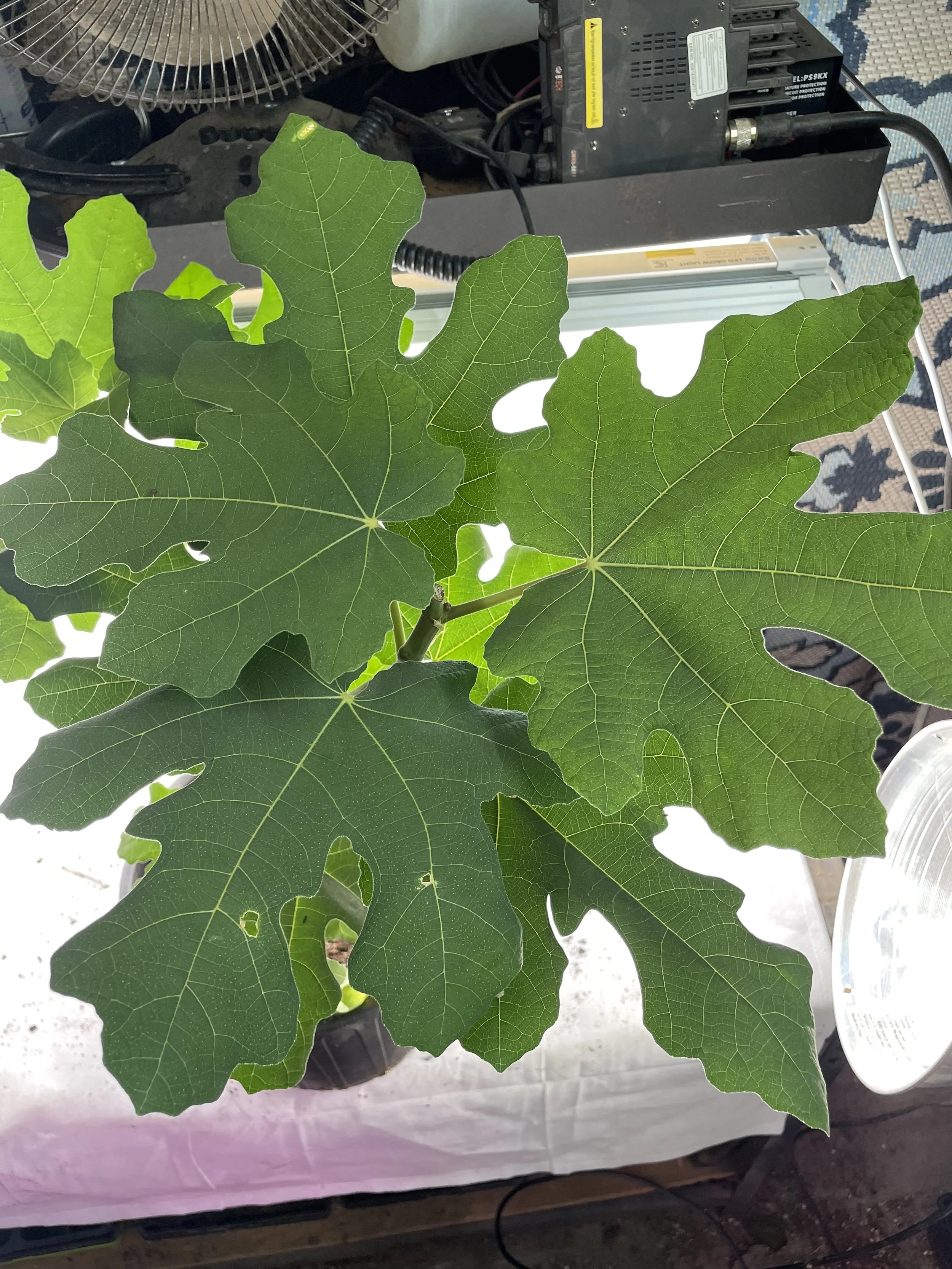
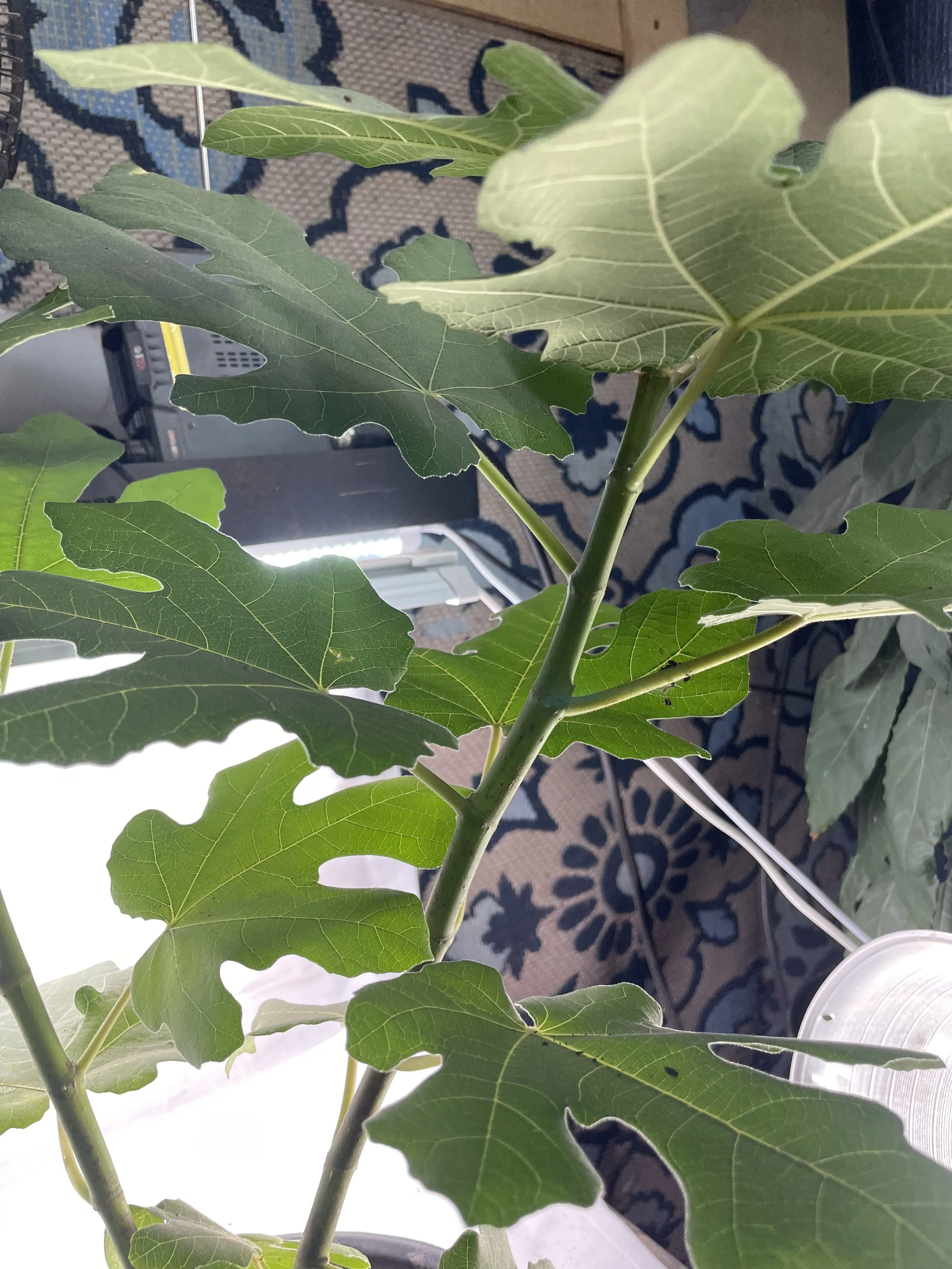
Chicago Hardy (FIG-15)
Reference Page: Chicago Hardy
Included as a cold-hardiness benchmark to anchor comparisons across the orchard. Chicago Hardy is observed for rebound timing, fruiting reliability, and consistency under winter stress. Its performance provides a reference standard for other cultivars. This fig serves as a baseline for Zone 7b evaluation.
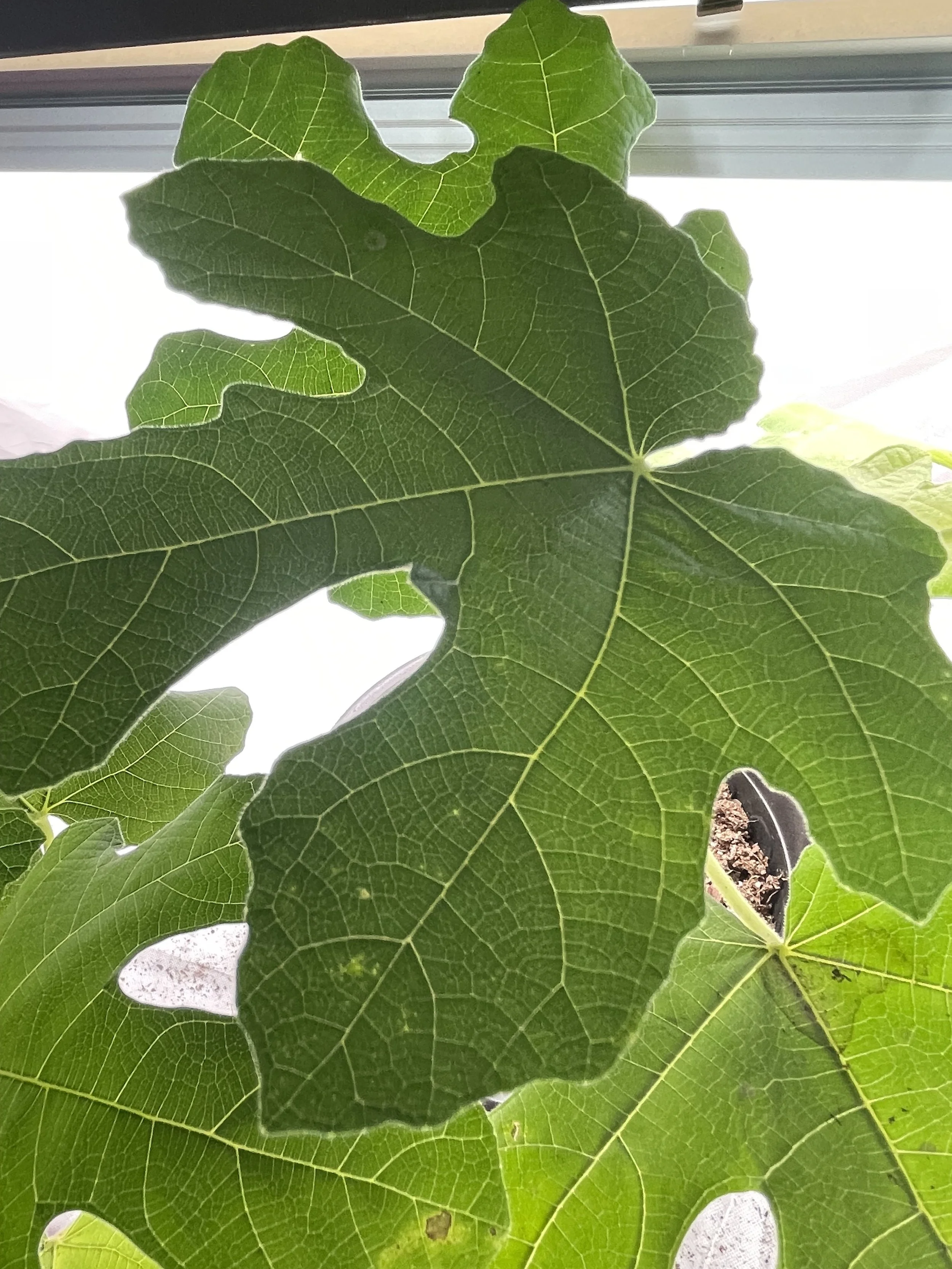
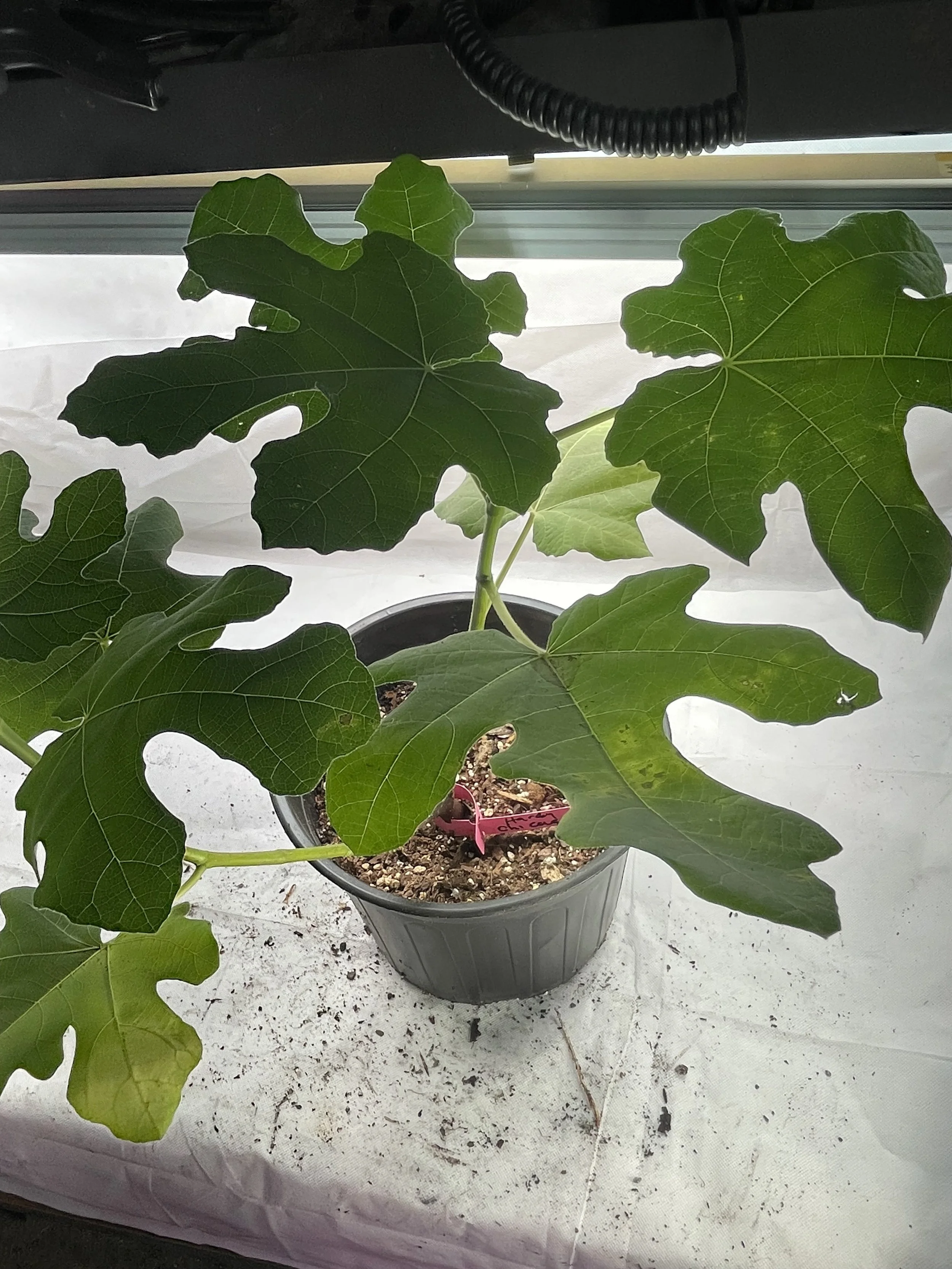
Smith (FIG-16)
Reference Page: Smith
Included to assess whether a Gulf Coast favorite can adapt to colder winter conditions. Smith is evaluated for recovery behavior, growth balance, and ripening feasibility in Zone 7b. Observations focus on whether warm-region quality translates into colder climates. This reference clarifies regional flexibility.
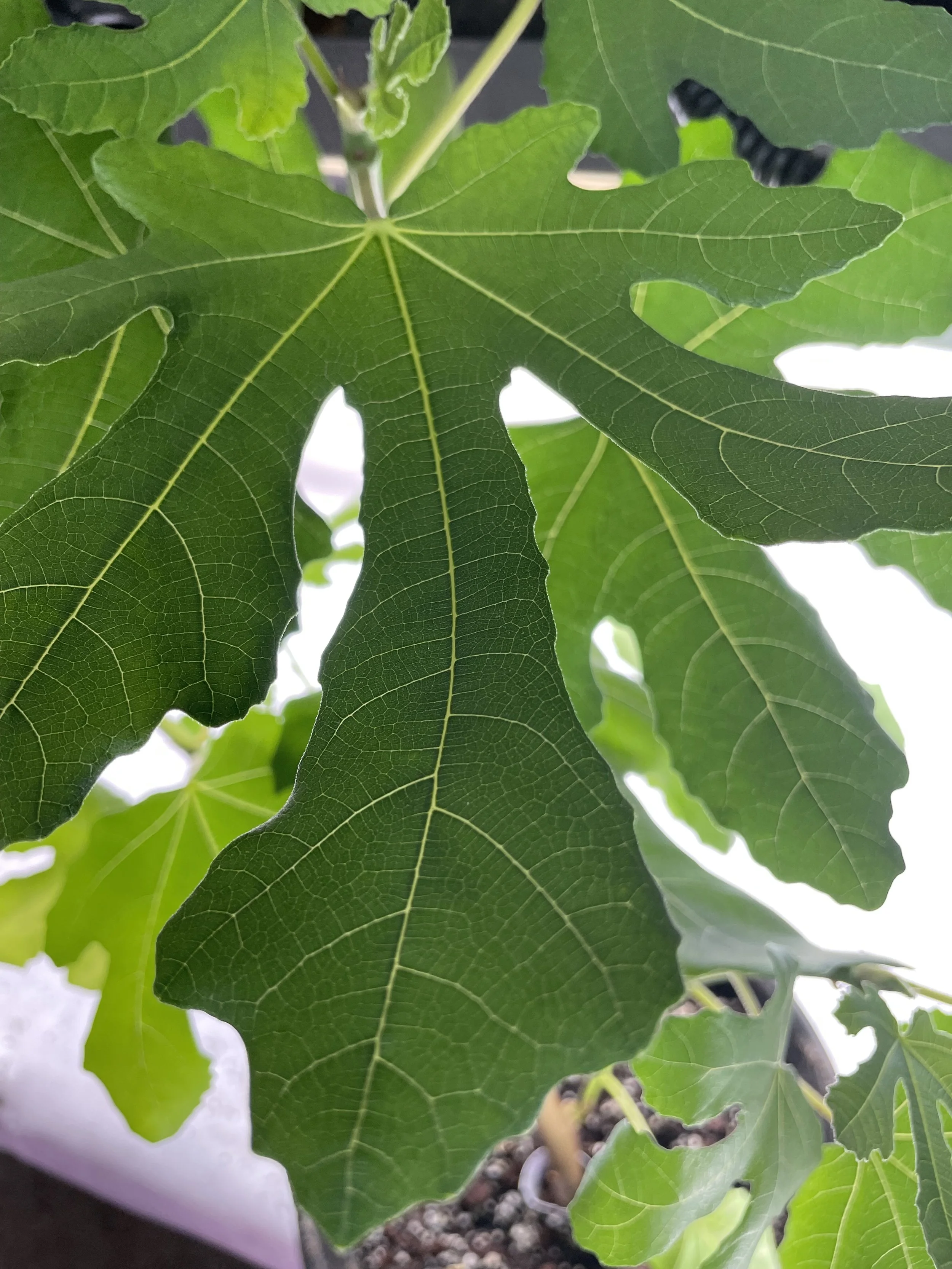
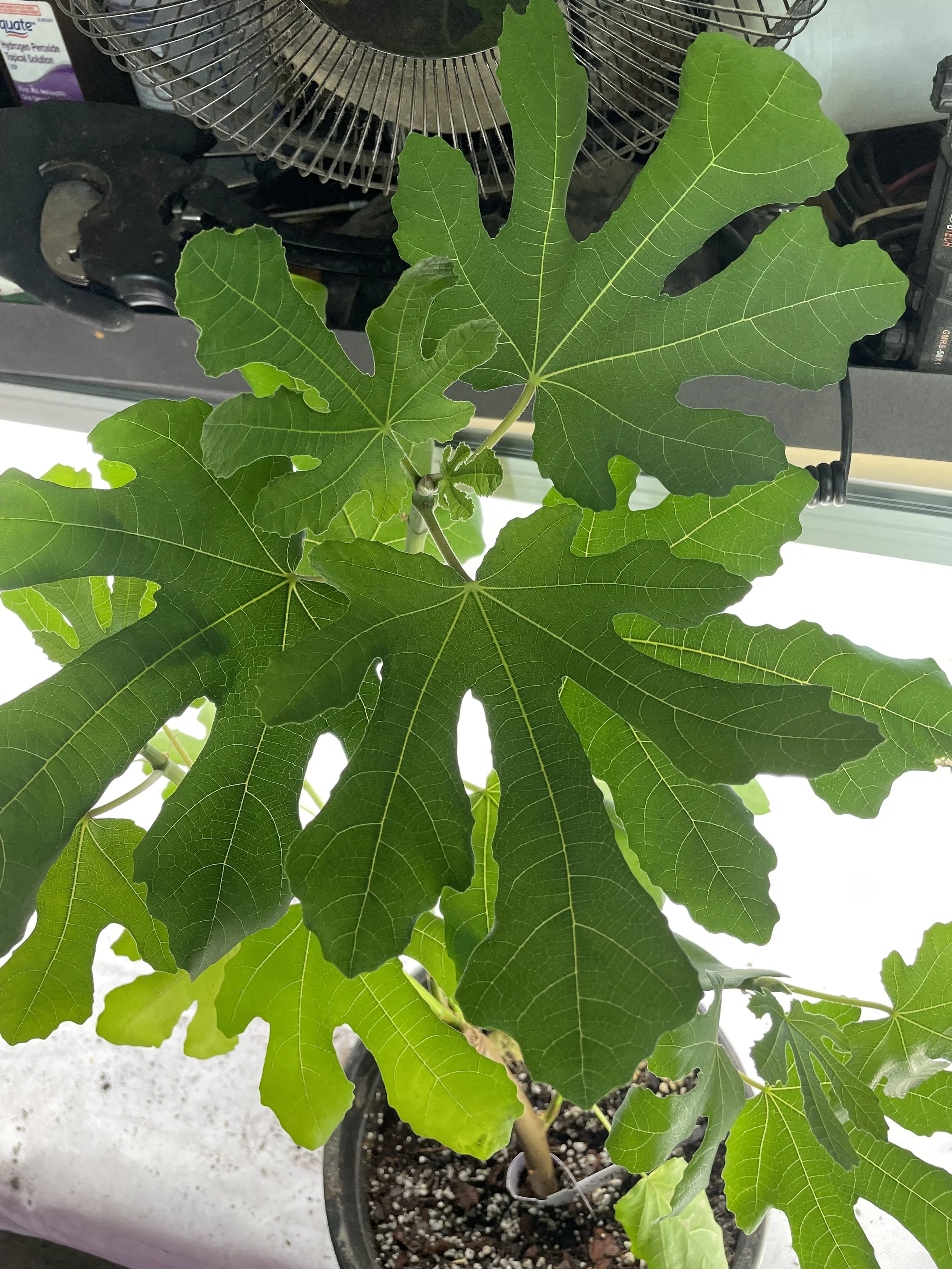
Yellow Lebanese (FIG-17)
Reference Page: Yellow Lebanese
Included to assess whether a Gulf Coast favorite can adapt to colder winter conditions. Smith is evaluated for recovery behavior, growth balance, and ripening feasibility in Zone 7b. Observations focus on whether warm-region quality translates into colder climates. This reference clarifies regional flexibility.
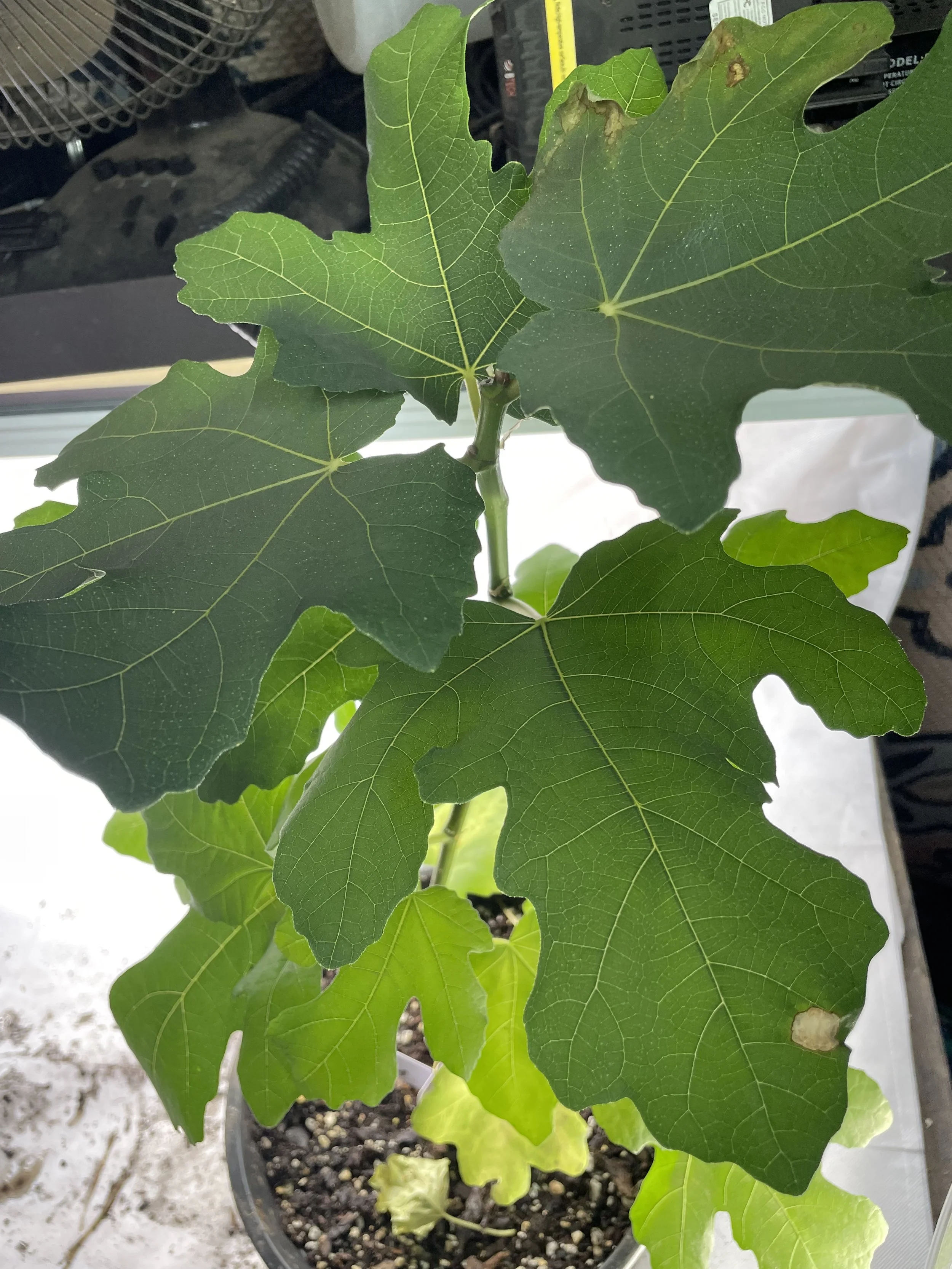
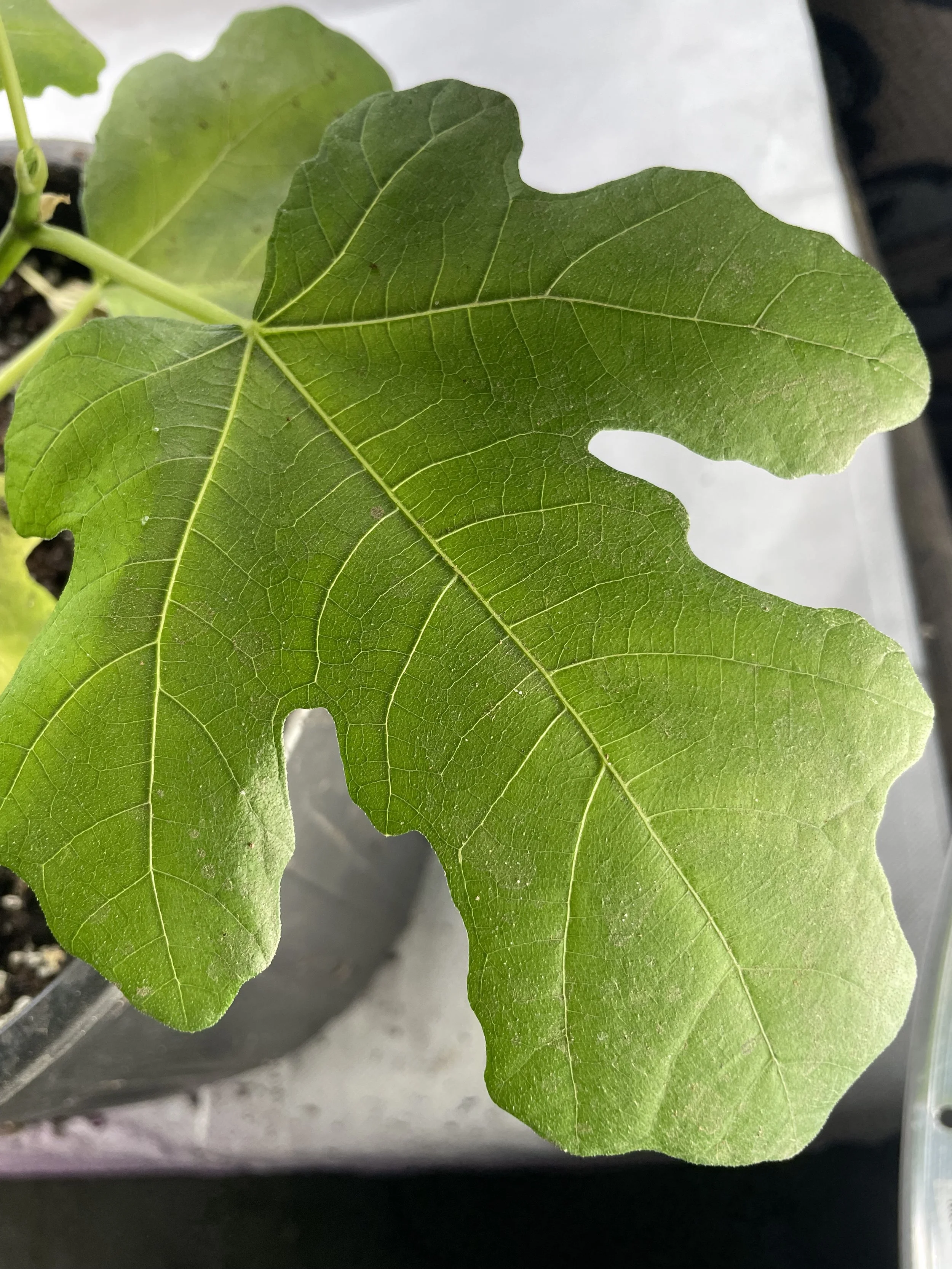
White Triana (FIG-18)
Reference Page: White Triana
Included to assess whether a Gulf Coast favorite can adapt to colder winter conditions. Smith is evaluated for recovery behavior, growth balance, and ripening feasibility in Zone 7b. Observations focus on whether warm-region quality translates into colder climates. This reference clarifies regional flexibility.