Beginner’s Guide to Growing Figs in Zone 7b
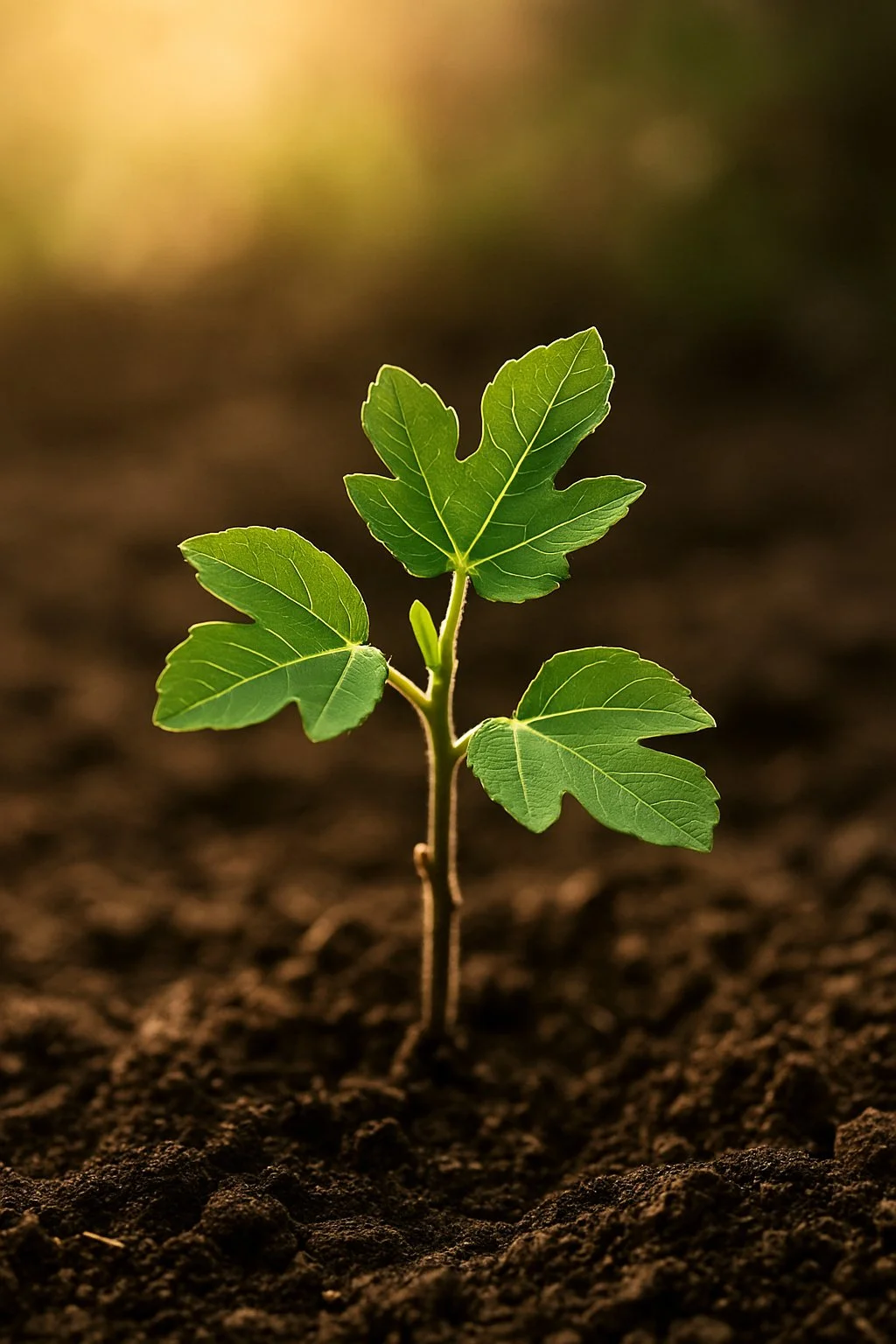
Beginner Guide Starting with Figs in Zone 7b
This article gives you a simple overview of starting with figs in Zone 7b. If you want the full professional propagation system we use at Giles County Figs, read our pillar guide Fig Propagation & Cutting Techniques.
A complete, professional beginner’s guide from planting to your first harvest.
Growing figs in Zone 7b is surprisingly simple once you understand the conditions they prefer. The warm, humid summers of the South give figs the long season they need to ripen fully, while the winters—although occasionally harsh—are not severe enough to prevent successful production for most varieties. With thoughtful planning in the first year, you can establish a fig tree that becomes increasingly productive with each season.
Figs thrive in full sun, so choosing the right location is your most important early decision. Select a planting site that receives at least eight hours of direct sun and, whenever possible, choose a southern or southeastern exposure. Planting near a wall, fence, or structure provides beneficial radiant heat in winter and creates a microclimate that helps figs awaken earlier in spring and avoid cold damage. Just as important is drainage: figs do best in loose, well-aerated soils. In heavy or compacted soil, create a raised mound or berm eight to twelve inches high to elevate the root zone above standing water and improve soil warming.
Once the location is set, the next step is choosing the right variety. Zone 7b growers benefit from early- and mid-season ripening cultivars that reliably finish before fall temperatures cool. Celeste, Brown Turkey, Chicago Hardy, LSU Purple, LSU Gold, and Smith are excellent choices known for vigor and consistent performance. Later varieties, while delicious, often struggle to ripen fully unless grown in containers or provided with advanced protection.
The Planting Process — More Professional Guidance
Planting a fig tree is straightforward, but there are a few horticultural details that make a significant difference in long-term success. Begin by removing the tree from its pot and inspecting the root system. If the roots are circling or densely matted along the container edge, gently loosen them with your fingers or lightly score the sides. This encourages new roots to grow outward into the native soil rather than continuing to spiral.
Dig a hole only as deep as the root ball but two to three times as wide. Planting too deeply is a common mistake; figs prefer to be planted at the same height they were growing in the nursery container. The surrounding soil should be your native soil, not a heavily amended mixture. Backfilling with a drastically different soil texture creates a “pot-in-a-hole” effect, trapping water around the roots. Using native soil ensures uniform moisture movement and encourages the tree to anchor deeply.
After placing the tree in the hole, backfill in layers, firming the soil gently with your hands to eliminate large air pockets without compacting the soil. Water thoroughly with one to two gallons to settle the soil around the roots. Once the water drains, apply a three- to four-inch layer of mulch, keeping it several inches away from the trunk to prevent excess moisture directly against the bark.
Young figs grow vigorously and can lean as they establish, so anchoring the tree with a simple stake during the first season provides stability and prevents wind stress on the developing roots.
Container Growing for Zone 7b
Many growers in Zone 7b prefer to grow figs in containers during the first few years. A fifteen- to twenty-five-gallon grow bag or nursery pot filled with a bark-based, fast-draining mix provides the ideal root environment. Containers offer complete control over soil, water, and fertilizer—and, just as importantly, allow the tree to be moved indoors or into a garage when extreme winter cold is forecast. Container-grown figs often fruit sooner and more reliably during the early years of growth.
Caring for Your Fig During the First Year
Throughout the first season, the goal is steady, healthy growth. In spring, begin with moderate fertilization once new leaves appear, and maintain consistent soil moisture without overwatering. Figs respond best when the soil dries slightly between waterings rather than remaining constantly saturated.
During summer, strong new shoots will form, and this is the ideal time to begin light structural training. Whether shaping your tree as a single-trunk standard or a multi-stem bush, early decisions help create the permanent framework that will support fruiting branches in the years ahead.
As fall approaches, taper off fertilization by early August and gradually reduce watering. This helps the tree slow down naturally and enter dormancy in a controlled manner, which improves winter hardiness and reduces the risk of cold injury.
How Soon Will You Get Figs?
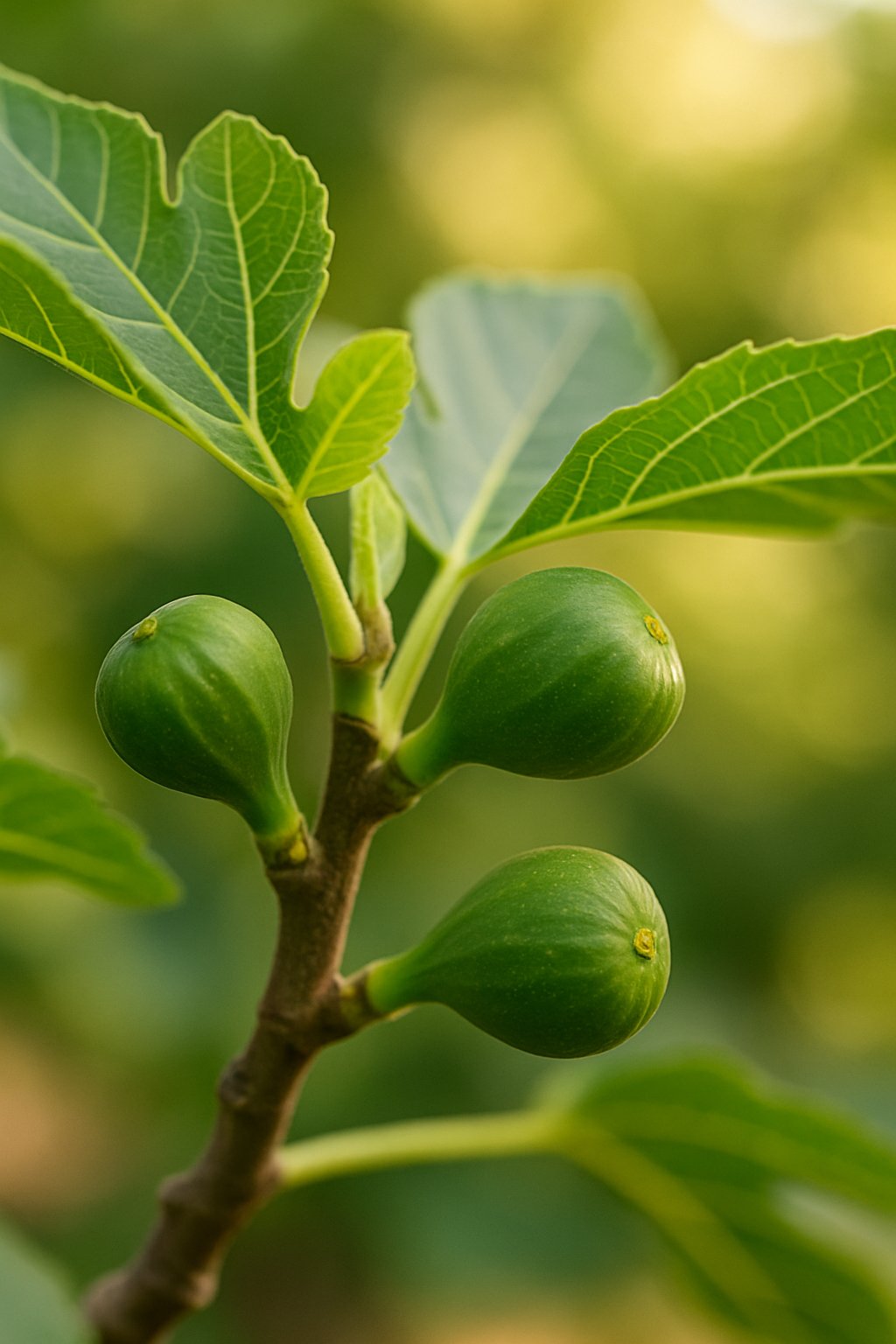
Container trees often produce fruit in the first or second year, while in-ground trees typically require two to three years to reach mature productivity. Good winter care and protection from dieback dramatically improve the speed and consistency of fruiting. Even young trees show impressive vigor once established, and a well-cared-for fig becomes increasingly productive with age.
With the right location, careful planting, and consistent early care, your fig tree will reward you with strong growth and dependable harvests for decades.
Ready to go deeper into propagation?
Learn the full nursery-level process in our pillar article Fig Propagation & Cutting Techniques.
