Fig Farm Practices
This library contains field-tested guides for growing figs successfully in Zone 7b and similar climates. Each guide focuses on a core growing practice—from propagation and pruning to irrigation, winter protection, and harvest—so you can build skills systematically and apply techniques with confidence.
Use these pillar guides as foundations. Each one introduces a major aspect of fig care and prepares you for more detailed, situation-specific guidance as your trees mature and conditions change.
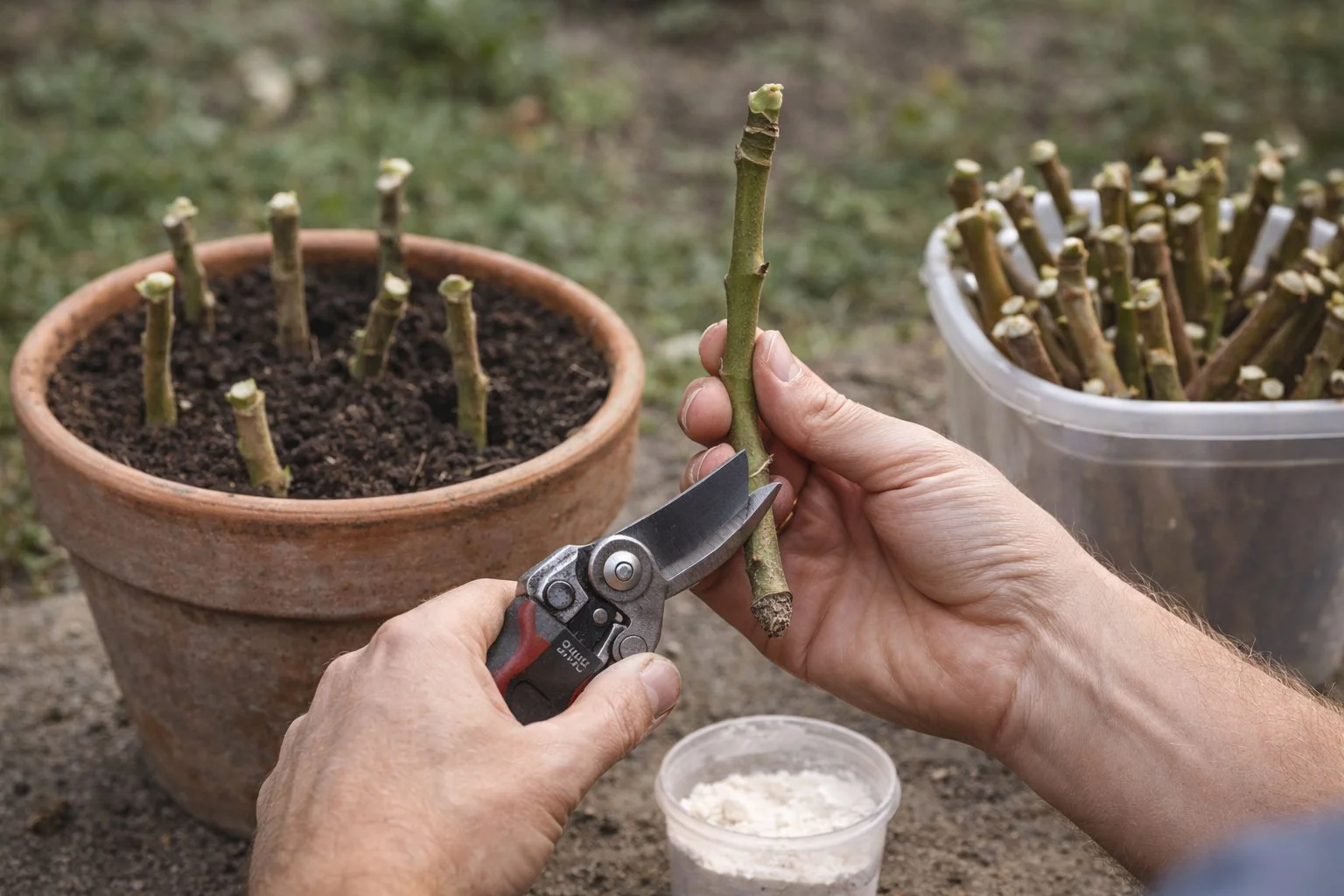
Fig trees propagate easily, but reliable success depends on correct timing, clean technique, and careful moisture management. Selecting healthy wood, preventing rot, and encouraging strong root formation are critical steps that determine whether a cutting thrives or fails.
This section explains how fig propagation works from start to finish, emphasizing repeatable methods that produce vigorous young trees. It is designed for growers who want predictable results rather than trial-and-error outcomes.
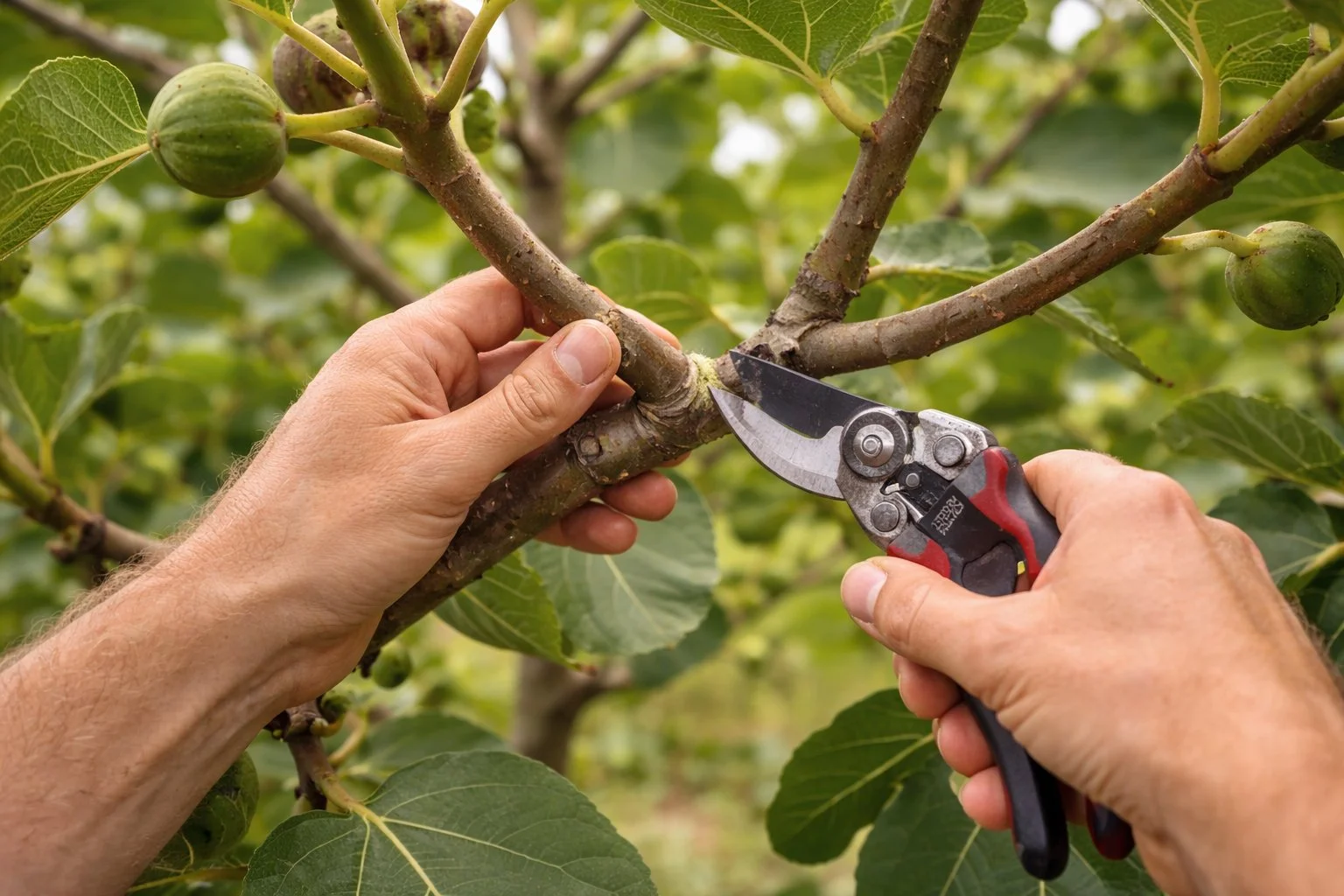
Pruning shapes how a fig tree grows, fruits, and responds to winter damage. Poor pruning can reduce yields, create structural weakness, or delay recovery after cold events, while thoughtful pruning encourages balanced growth and reliable production.
This section covers how and why figs are pruned at different stages of development, including structure building, crop management, and recovery after dieback. The focus is on long-term tree health rather than cosmetic cutting.
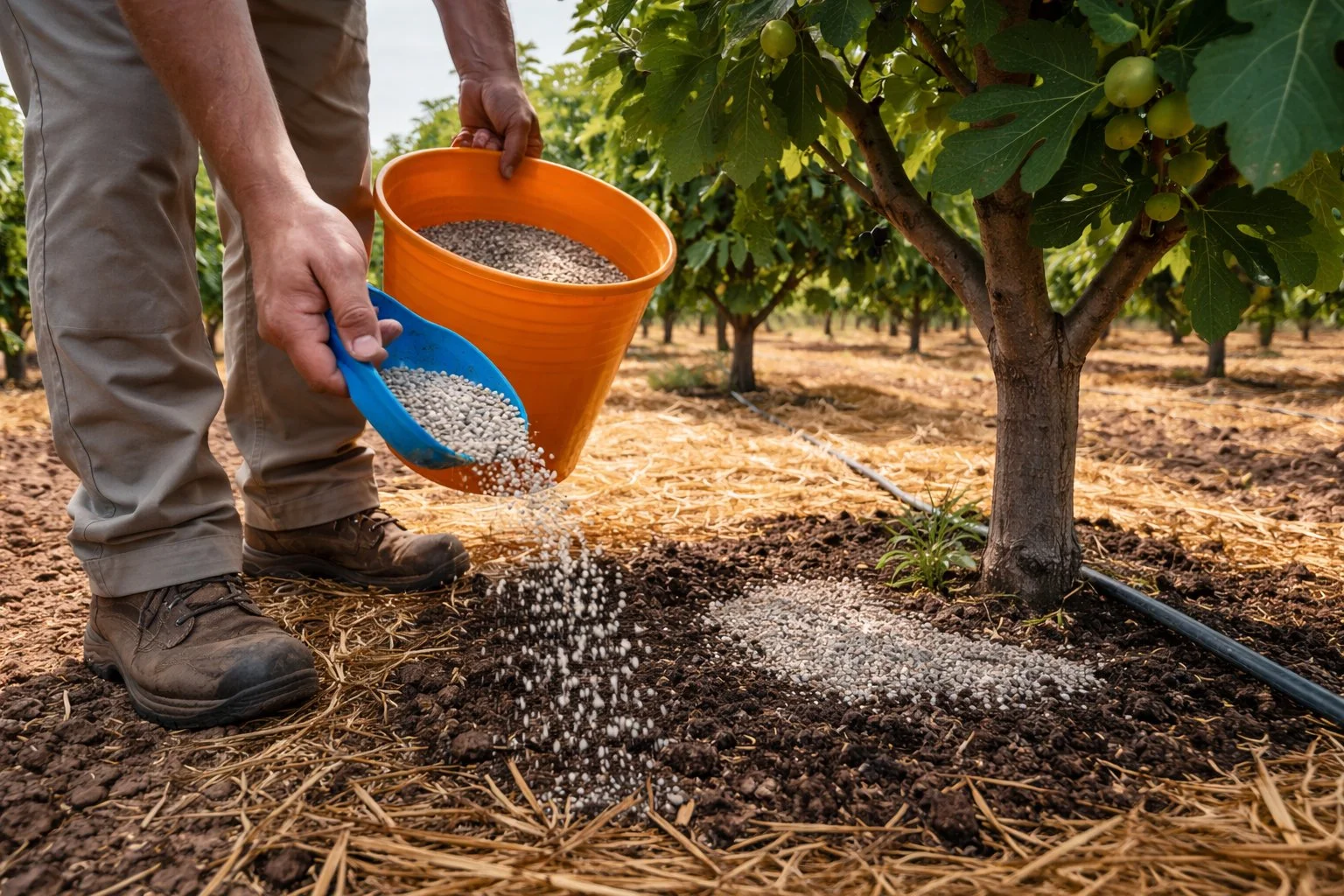
Balanced nutrition supports steady growth, fruit development, and resilience against stress. Both deficiencies and excess fertilization can weaken fig trees, delay ripening, or increase disease pressure.
This section explains how soil composition, organic matter, and fertilizer timing interact, helping growers nourish fig trees without forcing excessive vegetative growth or creating nutrient imbalances.
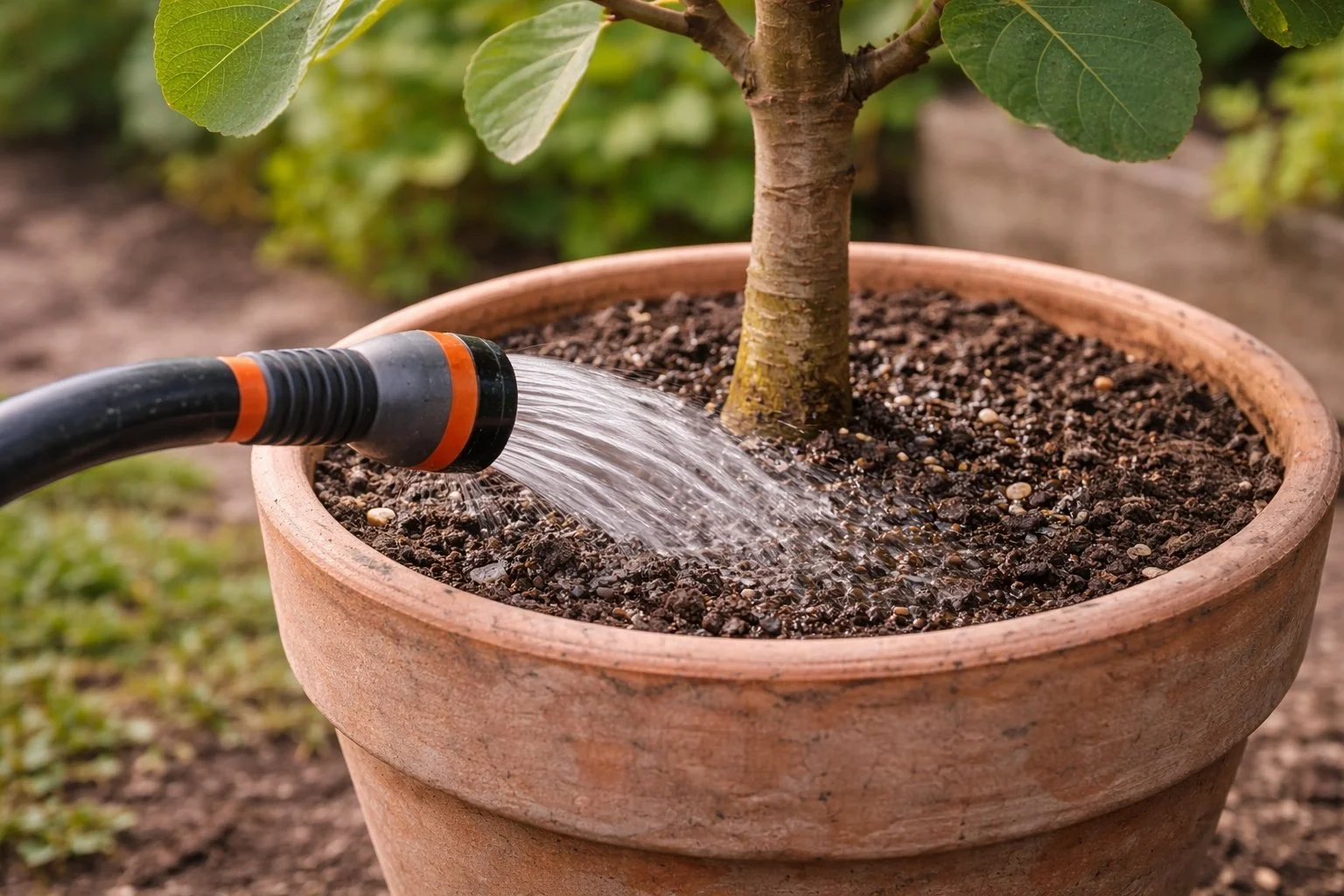
Water management plays a central role in fig health and fruit quality. Overwatering and underwatering can both lead to stress, reduced yields, and root problems, especially in containers or poorly drained soils.
This section focuses on matching water delivery to soil type, weather conditions, and growth stage, allowing growers to maintain consistent moisture while avoiding conditions that promote disease or fruit defects.

In cooler climates, winter injury is often the main limiting factor for fig production. Freeze damage can kill above-ground wood, delay fruiting, and weaken trees if not managed correctly.
This section addresses practical ways to protect figs through winter by preserving living wood, moderating temperature swings, and reducing exposure to wind and prolonged cold—especially important in Zone 7b and similar regions.
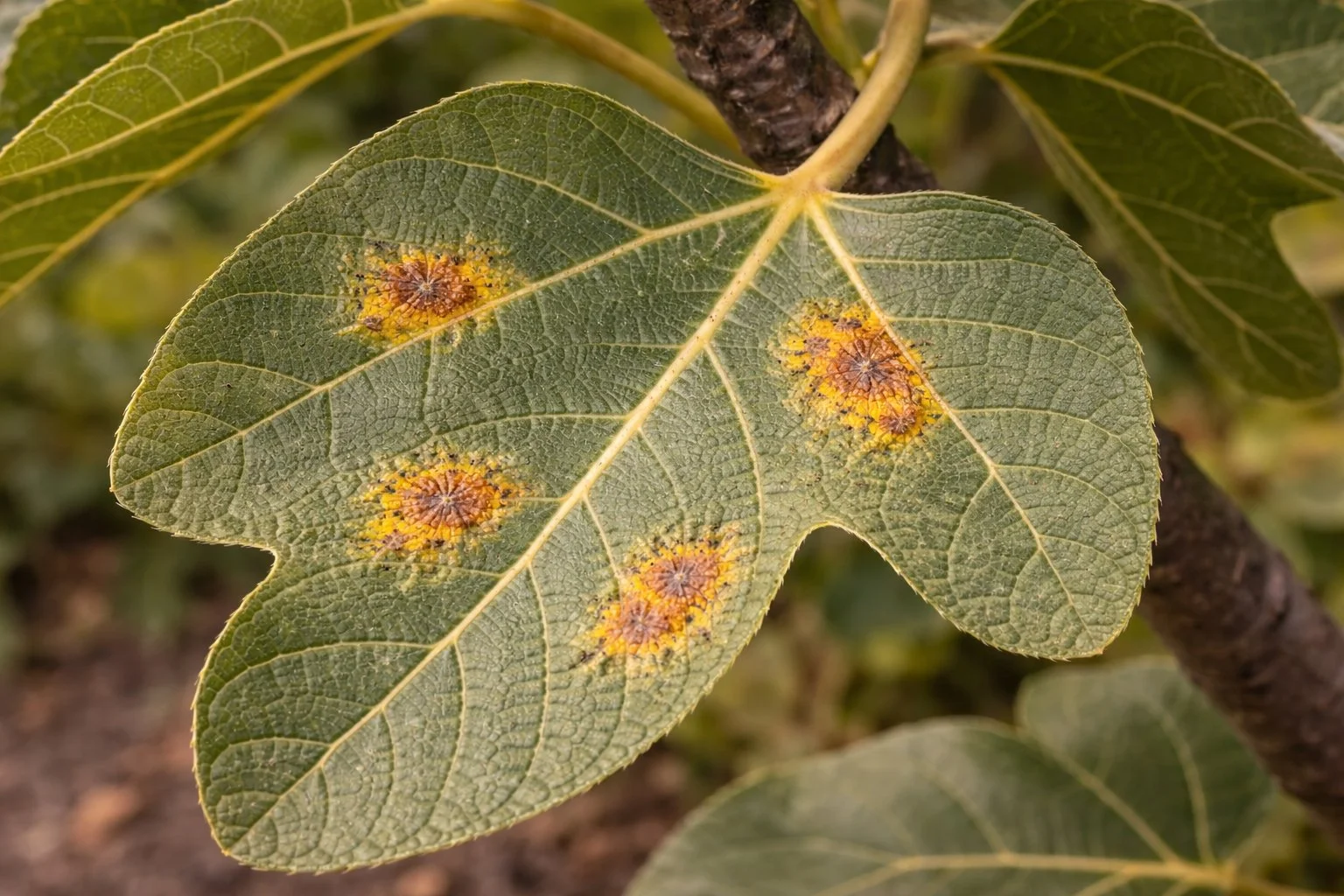
Most fig pest and disease problems are linked to stress, moisture imbalance, poor airflow, or site conditions rather than sudden infestations. Early recognition and prevention are far more effective than reactive treatments.
This section emphasizes accurate diagnosis, cultural controls, and low-intervention management strategies appropriate for home orchards and small-scale production.
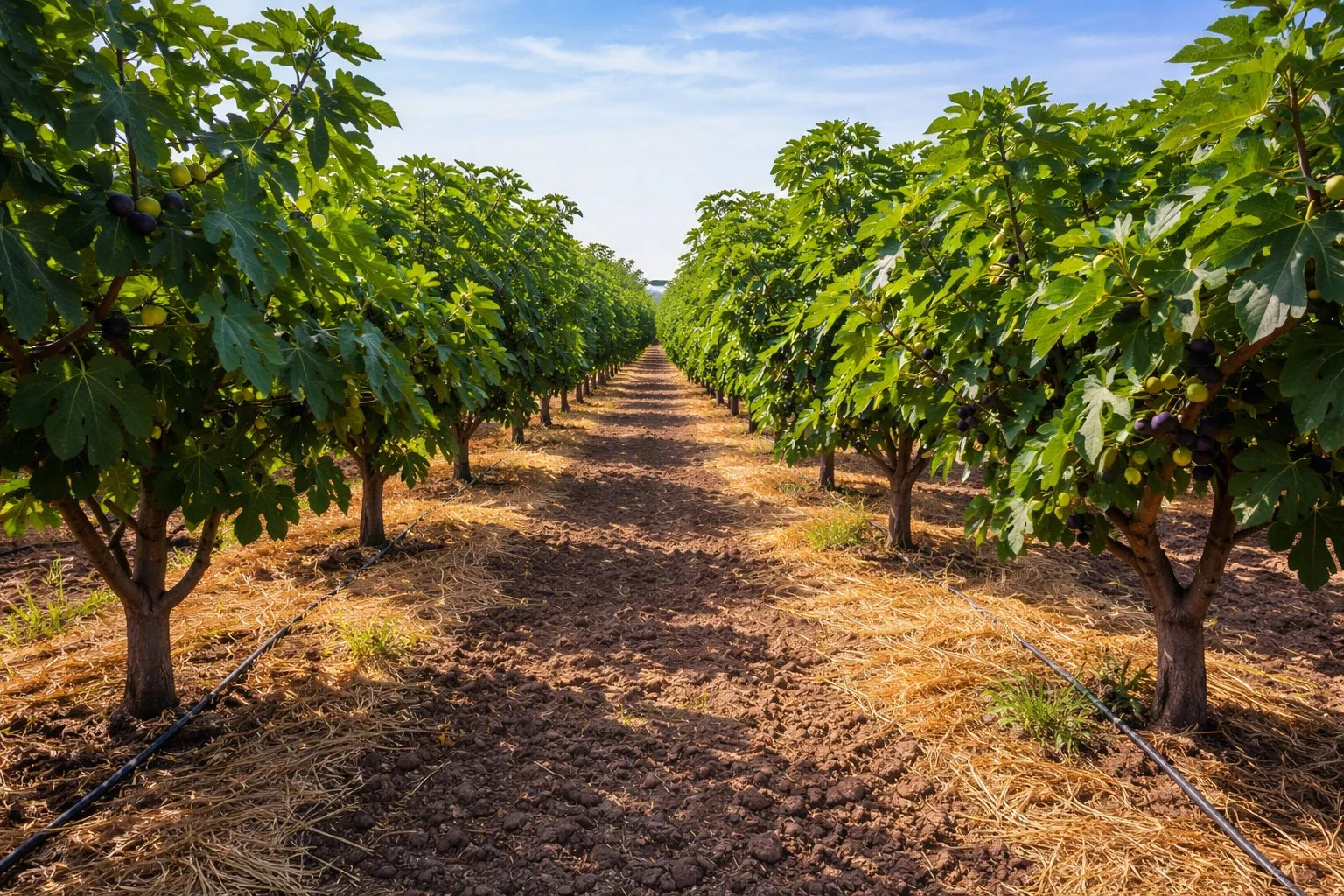
Orchard layout influences airflow, light penetration, disease pressure, irrigation efficiency, and long-term maintenance. Poor spacing or access planning can create problems that persist for decades.
This section covers practical orchard design principles, including spacing, row orientation, access lanes, and protective considerations such as fencing, helping growers build orchards that remain productive and manageable as trees mature.
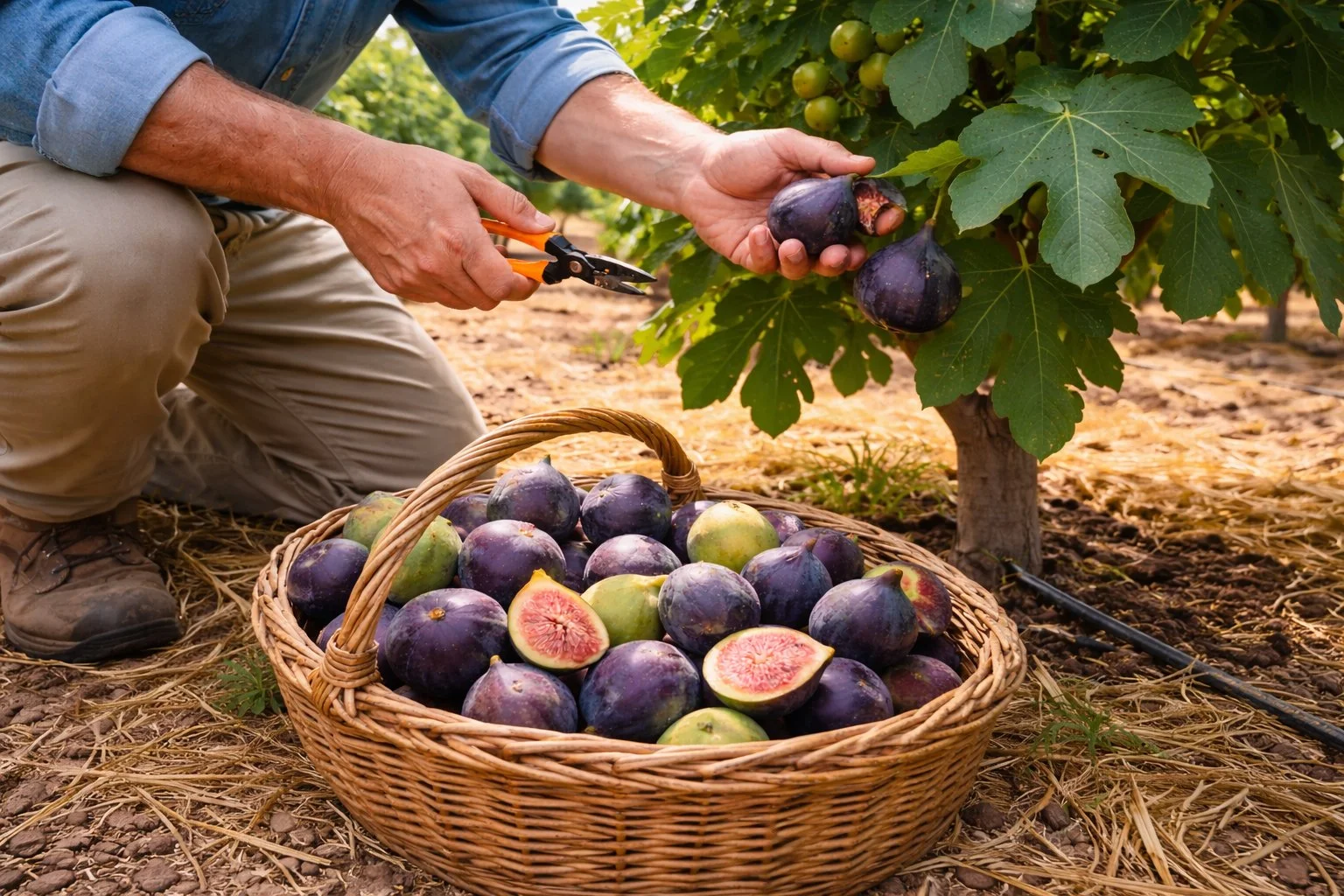
Figs must be harvested at peak ripeness, as they do not continue to ripen after picking. Timing, handling, and harvest frequency all affect flavor, texture, and shelf life—especially during hot or humid weather.
This section explains how to recognize ripeness, harvest efficiently, and manage fruit after picking to reduce splitting, souring, and quality loss.
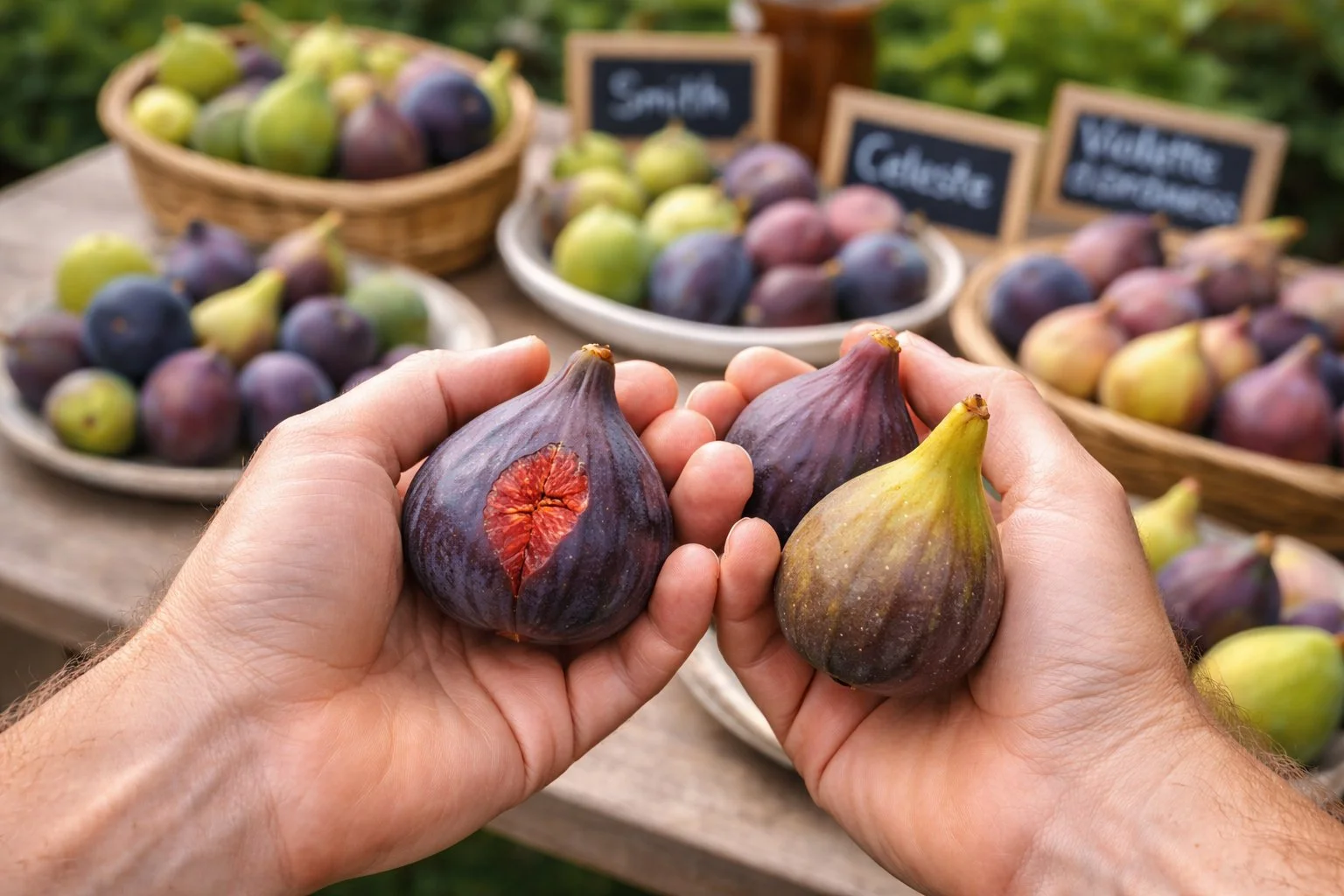
Choosing the right fig variety determines long-term success more than any single cultural practice. Cold tolerance, growth habit, ripening window, and flavor profile all influence how a tree performs in containers or in-ground plantings.
This section helps growers evaluate fig varieties based on real-world performance in Zone 7b rather than catalog descriptions alone, reducing winter losses and improving consistency.
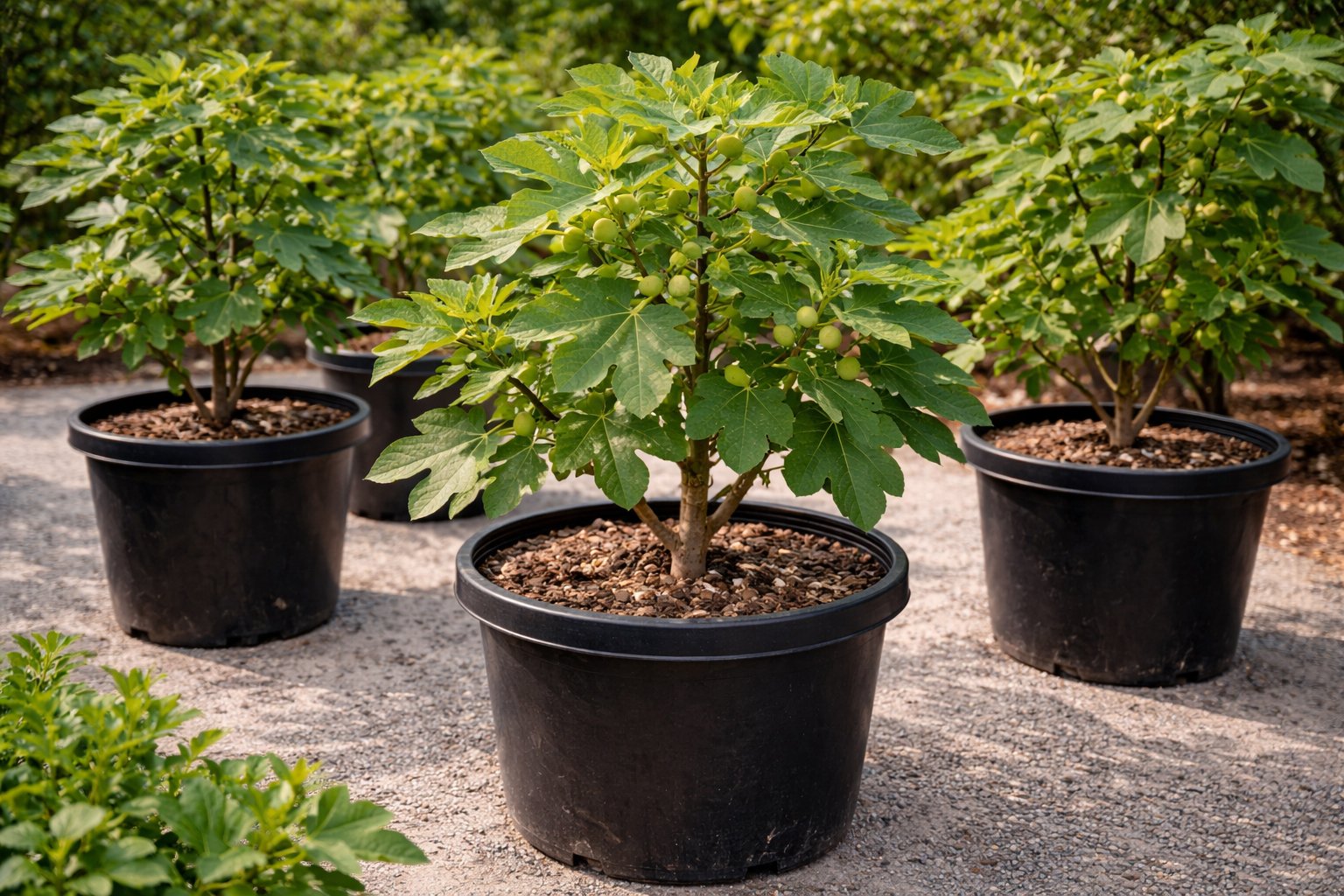
Container growing allows precise control over soil, water, exposure, and winter protection. In colder climates, it is often the most reliable way to maintain healthy fig trees and consistent fruiting.
This section presents container fig growing as a complete system, covering pot selection, soil structure, pruning, feeding, and seasonal movement for both single trees and larger collections.