How Often Should You Water Fig Trees? A Complete Seasonal Guide
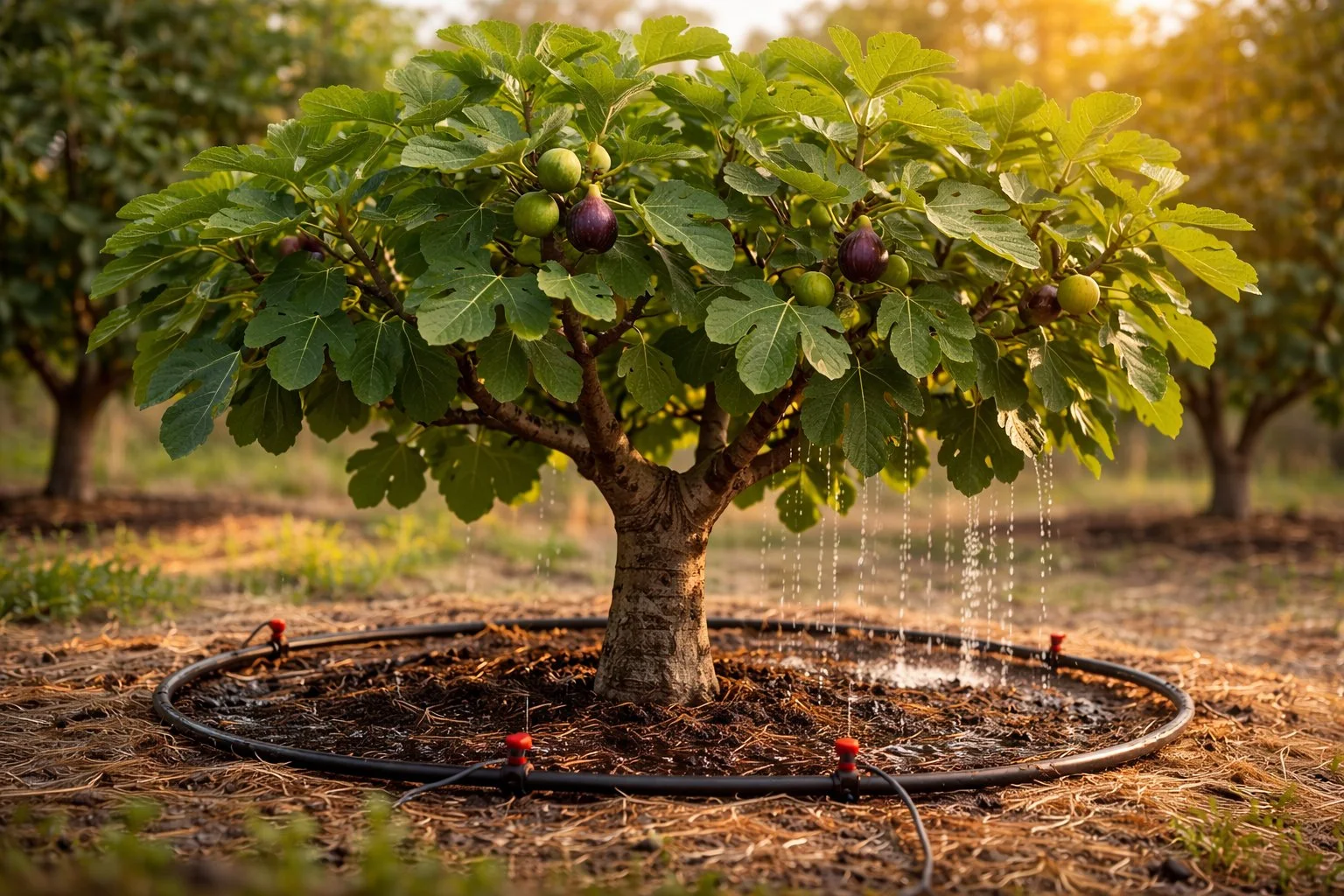
One of the most common questions fig growers ask is deceptively simple: How often should I water my fig tree? The answer depends less on a fixed schedule and more on season, growth stage, planting method, and soil conditions. Fig trees are adaptable and forgiving, but consistent mistakes with watering—especially over time—can quietly limit growth, reduce fruit quality, and increase stress. Understanding how water needs change throughout the year is the foundation of healthy, productive fig trees.
Fig trees evolved in climates with wet winters and dry summers, which explains both their drought tolerance and their sensitivity to prolonged saturation. They do not want constant moisture, but they do require reliable access to water during active growth and fruit development. Learning to match irrigation to the tree’s seasonal rhythm is far more effective than watering by habit or calendar.
Early Spring: Supporting Wake-Up Without Forcing Growth
As fig trees break dormancy in early spring, their water needs increase modestly but not aggressively. Bud swell and early shoot growth rely on stored energy from the previous season, and excessive watering at this stage can do more harm than good. Soil that is consistently damp—but not wet—supports root activity without encouraging overly soft growth.
In Zone 7b, spring weather is often variable, with alternating rain and cool spells. In-ground figs may need little to no supplemental watering during this period if rainfall is regular. Container-grown figs, however, dry out more quickly and usually require light, periodic watering to prevent stress. The goal in early spring is stability, not stimulation.
Late Spring to Early Summer: Establishing a Consistent Rhythm
Once leaf expansion accelerates and shoots lengthen, fig trees enter a phase of steady water demand. This is the time to establish a reliable watering rhythm that matches soil type and planting method. In-ground figs typically benefit from deep watering every 7–10 days during dry stretches, allowing moisture to penetrate the root zone and then recede slightly between waterings.
Container figs require more frequent attention during this phase, often every 2–4 days depending on pot size, material, and exposure. Because root volume is limited, container trees respond quickly to both drought and excess. Water should thoroughly saturate the container and then drain freely, ensuring oxygen remains available to the roots.
Mid-Summer: Meeting Peak Demand Without Overwatering
Mid-summer represents the highest water demand of the season. High temperatures, active shoot growth, and fruit development converge, increasing transpiration and water uptake. During this period, figs are most vulnerable to inconsistent watering. Fluctuations between dry and saturated soil can lead to fruit drop, splitting, or bland flavor.
In-ground trees may need deep watering every 5–7 days during prolonged heat, especially in sandy or fast-draining soils. Clay soils require less frequent watering but must be monitored carefully to avoid saturation. Container figs often need daily watering during extreme heat, particularly when grown in fabric pots or placed in full sun.
The key during mid-summer is not volume alone, but consistency. Even moisture supports steady fruit sizing and reduces stress responses that can disrupt production.
Late Summer to Early Fall: Adjusting as Growth Slows
As day length shortens and temperatures moderate, fig trees begin to slow vegetative growth while finishing fruit development. Water needs gradually decline, and irrigation should be adjusted accordingly. Continuing mid-summer watering rates into early fall can prolong soft growth and delay natural hardening of wood.
For in-ground figs, extending the interval between waterings allows the tree to transition toward dormancy without stress. Container figs should still be monitored closely, but watering frequency can often be reduced slightly as evaporation decreases. The goal during this phase is balance—supporting late fruit without pushing unnecessary growth.
Late Fall: Preparing for Dormancy
Once leaves yellow and drop, fig trees enter dormancy and water needs drop dramatically. At this stage, overwatering is far more harmful than underwatering. Roots are less active, and saturated soil increases the risk of rot and cold injury.
In-ground figs typically require no supplemental watering during late fall unless conditions are unusually dry. Container figs should be watered sparingly, just enough to prevent complete root desiccation. Soil should feel cool and barely moist, never wet.
Winter: Minimal Water, Maximum Caution
During winter dormancy, fig trees require very little water. In-ground trees rely almost entirely on natural precipitation. Container figs stored in protected locations still need occasional moisture, but watering should be infrequent and conservative. Excess water during winter is one of the most common causes of container fig loss, particularly in colder climates where roots are more vulnerable.
Water only when soil is dry several inches below the surface, and avoid watering before extended cold spells. The objective is survival, not growth.
The Takeaway
There is no single watering schedule that works year-round for fig trees. Instead, successful watering follows the seasons—lighter in spring, consistent in summer, reduced in fall, and minimal in winter. By adjusting frequency and volume to match growth stage, soil conditions, and planting method, fig growers can avoid stress, improve fruit quality, and support long-term tree health. Watering figs well is less about how often you water, and more about when and why you do it.
This article is part of the Irrigation & Water Management for Figs guide.
Common Questions About Watering Fig Trees in Zone 7b
Q: How often should I water fig trees in Zone 7b during summer?
A: In mid-summer heat (Tennessee highs 85–95°F+), in-ground figs need deep watering every 5–7 days during dry spells—aim for 1–2 inches penetrating the root zone. Containers dry faster and often require every 1–3 days (daily in extreme heat/full sun). Check top 2 inches of soil; water thoroughly until it drains out bottom to avoid shallow roots and stress that reduces fruit size/flavor.
Q: How much water do fig trees really need in spring in Tennessee?
A: Early spring (bud swell to leaf-out) requires modest moisture—keep soil damp but not soggy. In-ground trees often get enough from natural rain in Zone 7b; supplement only during dry stretches. Containers need light watering every 4–7 days as roots activate. Overwatering here causes soft growth vulnerable to late frosts.
Q: What are signs my fig tree is overwatered or underwatered?
A: Overwatering: yellowing leaves, soft/mushy fruit, root rot smell, or dieback in winter (saturation harms more than drought). Underwatering: wilting leaves (especially afternoons), small/cracked fruit, premature drop, or stunted growth. In containers, drooping is a quick drought signal—recover fast with deep soak.
Q: Do container figs need different watering than in-ground in Zone 7b?
A: Yes—containers lose moisture faster (daily checks in summer vs. weekly for in-ground). Use bark-based mix for drainage, elevate pots, and water until runoff. In-ground benefits from deeper roots and soil buffering; mulch helps both but is critical for pots in Tennessee clay/heavy rains.
Q: How do I reduce watering in fall for fig trees in cold climates?
A: As growth slows (late summer/early fall), cut back gradually—every 7–10 days for in-ground, 4–7 for containers—to harden off and prepare for dormancy. Stop almost entirely by late fall unless unusually dry. This prevents tender late growth that freezes easily in Zone 7b winters.
Q: How should I water figs during winter in Zone 7b?
A: Minimal—figs are dormant and need little moisture. In-ground relies on rain; containers get infrequent sips only when soil is dry several inches down (avoid saturation to prevent rot/freezing damage). Group pots or shelter during hard freezes for better root protection.
