Wind Protection and Fencing Considerations
Introduction
Wind is one of the most underestimated forces in fig orchard design. While figs tolerate summer breezes and benefit from airflow, unmanaged wind exposure—especially in winter—can increase cold injury, desiccate branches, damage fruit, and complicate orchard maintenance. Fencing, often installed for animal control or boundary definition, can either mitigate or worsen these effects depending on how it is designed and placed.
In Zone 7b, where figs exist near the edge of reliable winter survival, wind protection is not a cosmetic concern. It is a structural design element that directly influences tree health, winter outcomes, and long-term productivity.
Understanding Wind as a Stress Multiplier
Wind rarely harms fig trees in isolation. Instead, it amplifies other stresses. Cold temperatures feel colder under wind exposure, increasing freeze damage. Dry winds accelerate moisture loss from branches and buds. During the growing season, persistent wind can reduce leaf efficiency and increase water demand.
Designing an orchard without accounting for wind is equivalent to ignoring slope or drainage—it creates problems that compound quietly over time.
Seasonal Differences in Wind Impact
Not all wind is harmful. Summer airflow reduces humidity, cools foliage, and helps prevent disease. Winter wind, by contrast, strips heat from tissues and accelerates dehydration. In Zone 7b, winter winds—often from the northwest—pose the greatest risk to fig survival.
Effective orchard design preserves beneficial summer airflow while reducing exposure to damaging winter wind.
Natural Windbreaks: Using the Landscape
Existing features such as tree lines, hedgerows, buildings, and terrain can serve as effective windbreaks when positioned correctly. A windbreak does not need to block wind entirely; reducing wind speed is sufficient to lower stress.
Ideally, windbreaks should be placed far enough from fig trees to avoid shading and root competition while still interrupting prevailing winter winds. Distance matters as much as height.
Living Windbreaks: Advantages and Cautions
Living windbreaks offer flexibility and ecological benefits, but they must be chosen carefully. Dense evergreen windbreaks block wind effectively but can create stagnant air and shade if placed too close. Deciduous windbreaks reduce winter wind while allowing more summer airflow.
Windbreak species should be selected with long-term growth, maintenance, and root spread in mind. Poorly chosen windbreaks often become larger problems than the wind they were meant to stop.
Artificial Wind Barriers
In open or exposed sites, artificial barriers may be necessary. Temporary fencing, wind cloth, or seasonal panels can reduce winter wind without permanently altering orchard airflow. These solutions are particularly useful during the establishment years or in high-risk locations.
Temporary barriers also allow growers to experiment and adjust placement before committing to permanent structures.
Fence Placement and Wind Behavior
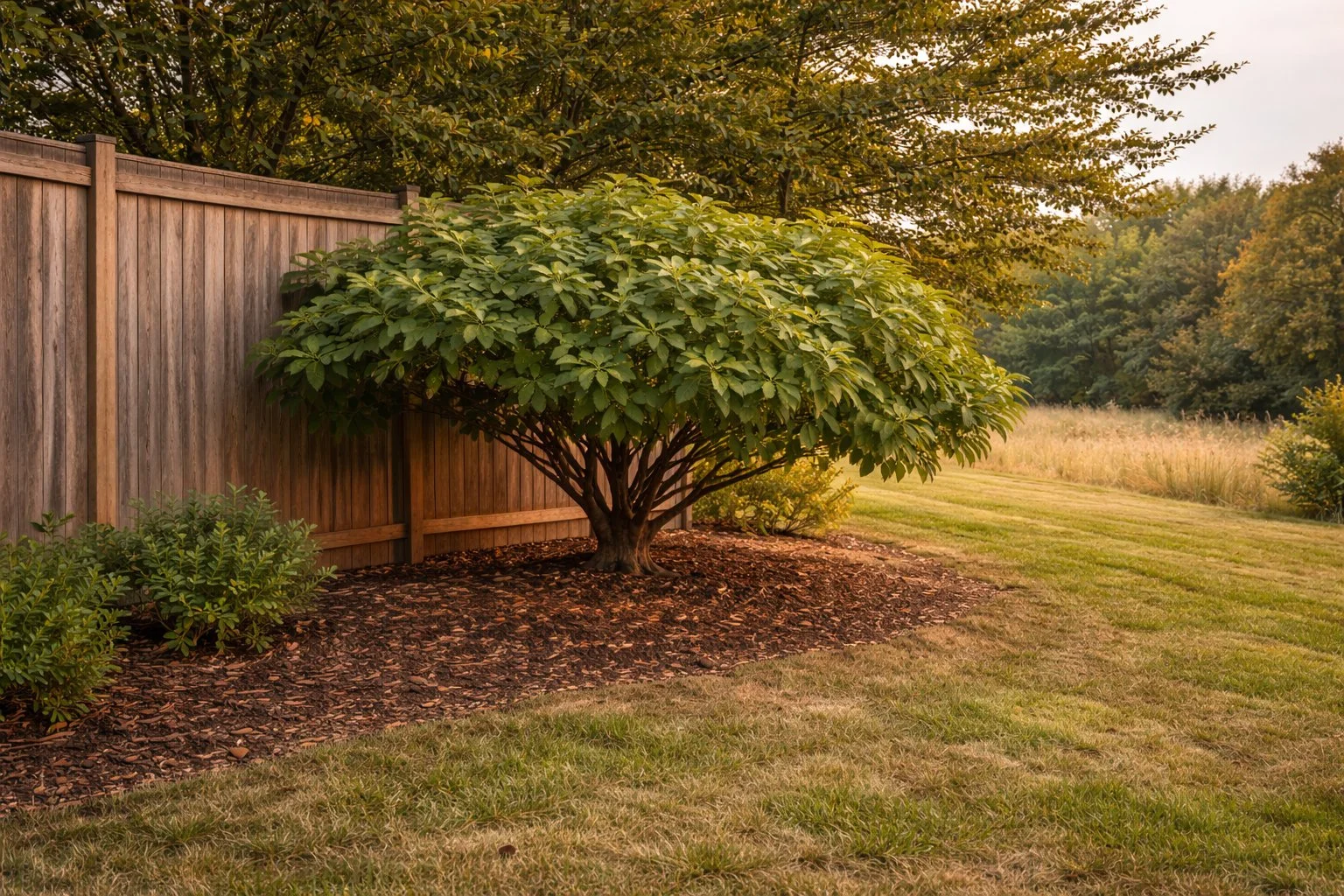
Fences influence wind in complex ways. Solid fences block wind but create turbulence on the leeward side, which can be damaging if trees are planted too close. Open fencing allows airflow but may offer limited protection.
The goal is moderation: slowing wind speed without creating destructive eddies. Permeable fencing often performs better than solid walls when combined with proper spacing.
Fencing for Wildlife Control
Fencing is often installed to exclude deer, livestock, or other animals. These fences should be designed as orchard infrastructure, not afterthoughts. Fence height, mesh size, and placement all affect access, airflow, and maintenance.
Fences placed too close to trees restrict movement, complicate pruning and winter protection, and create shaded zones. Adequate setback from tree rows preserves function.
Integrating Fencing with Orchard Access
Orchard fencing must accommodate gates, equipment access, and harvest movement. Narrow or poorly placed gates become bottlenecks. Thoughtful gate placement aligns fencing with access lanes rather than obstructing them.
Designing fencing and access together prevents costly rework later.
Wind Protection and Winter Survival
In Zone 7b, wind protection significantly improves winter outcomes. Reduced wind exposure preserves bud viability, minimizes branch dieback, and improves the effectiveness of wraps, cages, and other winter protection systems.
Trees protected from wind require less insulation and recover more quickly in spring.
Avoiding Overprotection
Blocking all wind is rarely desirable. Excessive shelter can trap humidity, increase disease pressure, and reduce summer cooling. Orchard design must balance protection with ventilation, especially in humid climates.
The best systems reduce extremes without eliminating natural airflow.
Evaluating Wind Patterns Before Planting
Wind patterns vary by site. Observing prevailing wind direction during different seasons informs placement of rows, windbreaks, and fences. Flags, tape, or simple observation during storms reveal patterns that maps and averages cannot.
Design should respond to actual site behavior, not assumptions.
Long-Term Maintenance of Wind Structures
Windbreaks and fences require maintenance. Trees grow, fences sag, and materials degrade. Designs should allow for inspection, repair, and eventual replacement without disrupting orchard operations.
Choosing durable materials and allowing access space simplifies long-term upkeep.
The Takeaway
Wind protection and fencing are foundational orchard design decisions, not accessories. By understanding seasonal wind behavior, using natural and artificial barriers thoughtfully, and integrating fencing with access and maintenance needs, growers create fig orchards that are resilient, manageable, and better protected against winter stress. Good wind design works quietly—reducing damage without calling attention to itself.
This article is part of the complete guide to Fig Orchard Design & Spacing.
Related reading:
Row Orientation, Sun Exposure, and Airflow
Designing for Equipment, Access, and Maintenance
Scaling from Backyard to Small Orchard
