Best Fig Varieties for Small Yards in Zone 7b
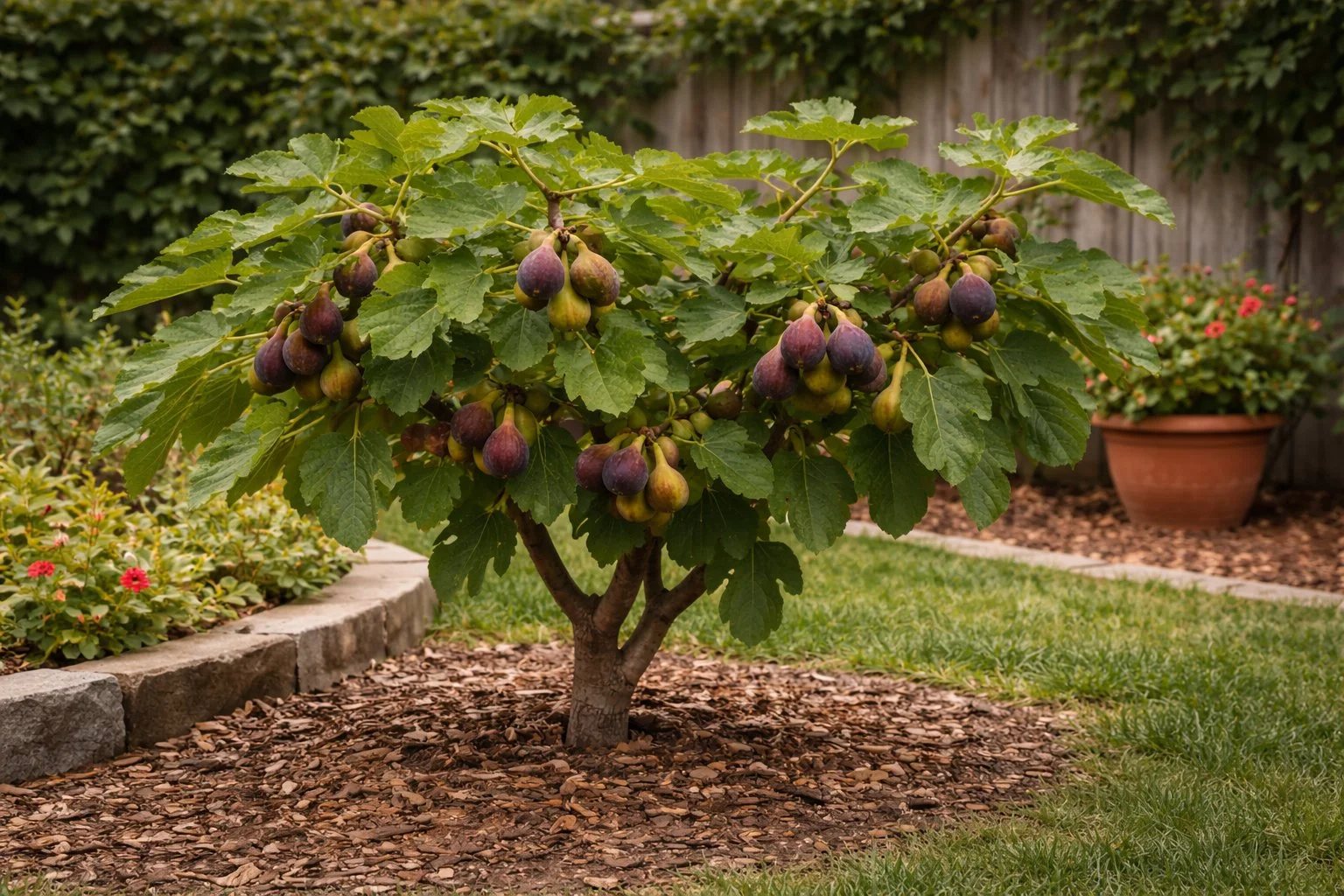
Limited space does not mean limited fig options. In Zone 7b, many fig varieties adapt well to small yards when growth habit, pruning response, and ripening window are considered upfront. The key is choosing figs that stay manageable without sacrificing reliability. This article explains which fig varieties fit small spaces best—and how to grow them successfully without turning a yard into an overgrown thicket.
This topic fits into the broader framework of Fig variety selection for Zone 7b, where climate, plant size, and long-term performance guide smart choices.
What Makes a Fig Suitable for a Small Yard
A good small-yard fig is not simply “dwarf.” Instead, it has a growth habit that responds well to pruning, fruits reliably on new wood, and does not require large, permanent scaffolds to produce. Varieties that reset well after pruning or winter dieback are often easier to manage than those that insist on tall, woody structure.
Equally important is ripening time. Early and mid-season figs allow smaller trees to carry a meaningful crop without extended growth.
Naturally Compact or Well-Behaved Varieties
Some figs naturally lend themselves to tight spaces.
Celeste and Improved Celeste
These varieties remain relatively compact and respond well to annual pruning. They ripen early, recover quickly after winter damage, and rarely require large canopies to produce consistent crops.
Violette de Bordeaux
Violette de Bordeaux stays smaller than many figs and tolerates size control well. With modest winter protection, it delivers high-quality fruit without aggressive vertical growth.
LSU Purple
LSU Purple grows vigorously but remains cooperative when pruned. Its upright habit works well along fences or property lines, making it a strong choice for narrow yards.
Varieties That Perform Well With Pruning
Some figs grow larger by nature but adapt well to size management.
Hardy Chicago
Hardy Chicago can be kept compact through annual pruning and still fruit reliably. Its ability to produce on new growth makes it forgiving even when cut back hard.
Brown Turkey (Southern Types)
Brown Turkey tolerates shaping and responds predictably to pruning. While it can grow large if ignored, it adapts well to controlled forms in small yards.
Training Strategies That Save Space
Small-yard success depends as much on training as on variety choice. Bush forms, low multi-stem training, and espalier systems all allow figs to stay productive without encroaching on walkways or structures. Keeping figs low also simplifies winter protection when needed.
Consistent annual pruning is more effective than occasional heavy cuts.
Containers as a Small-Yard Solution
Containers offer maximum control in limited spaces. Many figs thrive in large pots and can be overwintered in protected locations. While containers require more attention to watering and feeding, they allow growers to enjoy a wider range of varieties without permanent planting commitments.
For renters or urban growers, containers are often the best option.
Varieties to Avoid in Tight Spaces
Some figs naturally grow tall, wide, or irregularly and resist size control. Late-season, large-canopy varieties often demand more space and longer seasons than small yards can realistically provide. Avoid figs that require preserved tall scaffolds unless you plan to espalier or protect them carefully.
Choosing restraint at planting saves years of frustration.
Takeaway
In Zone 7b, small yards can support excellent fig production with the right varieties and training strategies. Celeste, Violette de Bordeaux, LSU Purple, and Hardy Chicago all adapt well to limited space when pruned intentionally. By selecting figs that cooperate with pruning and ripen on time, growers can enjoy abundant harvests without sacrificing their entire yard to a single tree.
For a complete framework on choosing figs that actually succeed in this climate, see Fig Variety Selection for Zone 7b.
