What to Expect When Growing Fig Trees in the First Few Years (Zone 7b)
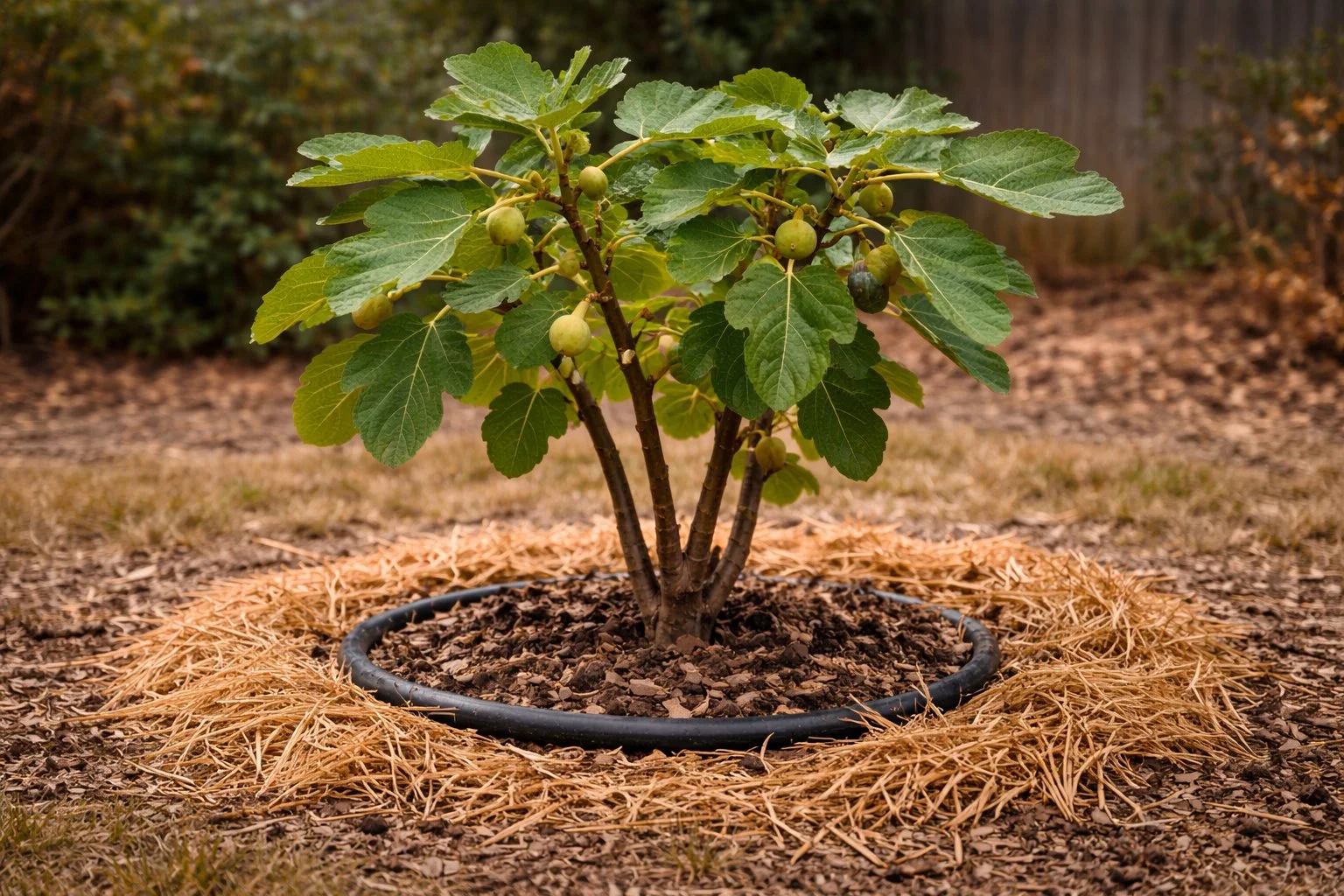
Growing fig trees in Zone 7b is a long game, and many frustrations come from mismatched expectations during the early years. Figs often behave differently in this climate than they do in warmer regions, especially as they establish roots, respond to winter cold, and adjust to pruning. This article explains what growers should realistically expect during the first several years—and how to interpret what their trees are telling them.
This topic fits into the broader framework of Fig variety selection for Zone 7b, where patience, climate response, and long-term performance matter more than first impressions.
Year One: Establishment, Not Production
In the first year, a fig tree’s primary job is survival and root development. Above-ground growth may appear modest or uneven, especially if the tree was planted late or experienced transplant shock. In Zone 7b, new figs often die back partially or completely during their first winter.
This is normal. A lack of fruit—or even a lack of strong top growth—does not indicate failure.
Year Two: Recovery and Structure Building
During the second year, fig trees begin to show their growth habits more clearly. Spring regrowth after winter dieback reveals how well the variety recovers and how quickly it can rebuild structure. Some figs push vigorous shoots early, while others remain slower but steadier.
Fruit may appear this year, but harvests are often light and inconsistent. The focus remains on shaping structure and encouraging healthy branching rather than maximizing yield.
Year Three: First Meaningful Harvests
By the third growing season, many figs in Zone 7b begin producing their first reliable crops—assuming the variety is well matched to the climate. Trees that recover quickly from winter and ripen early or mid-season figs often come into their own at this stage.
This is also when differences between varieties become obvious. Some figs stabilize and improve each year; others continue to struggle with timing or winter damage.
The Role of Winter Dieback in Early Years
Winter dieback is a defining feature of fig growing in Zone 7b. Young trees are especially vulnerable, and repeated dieback can delay fruiting timelines. However, many figs adapt over time as root systems strengthen and trunks thicken.
Understanding that dieback is part of the process—not a sign of failure—helps growers avoid unnecessary interventions or removals.
Why Growth Does Not Equal Fruit
Young fig trees often produce vigorous growth without fruit. This can be confusing, but it reflects the tree’s priority: building reserves and structure. Excess nitrogen, aggressive pruning, or frequent dieback can further delay fruiting.
Patience and restraint during these early years often lead to better long-term results than forcing production too soon.
Pruning Expectations in the Early Years
Pruning during the first few seasons should focus on shaping, not size control. Removing dead wood, selecting strong shoots, and establishing a manageable form prepares the tree for future productivity. Heavy pruning aimed at forcing fruit often backfires by delaying ripening.
Learning how a specific variety responds to pruning takes time.
When to Intervene—and When to Wait
Intervention is appropriate when trees show clear signs of stress, disease, or repeated failure to leaf out. However, many perceived problems resolve naturally as trees establish. Constant changes—moving, replanting, or replacing trees too quickly—often slow progress rather than accelerate it.
Consistency builds momentum.
Setting Realistic Expectations
In Zone 7b, figs reward growers who think in seasons rather than months. A fig that takes three years to produce reliably may outperform faster-starting trees over the long term. Understanding this timeline helps growers stay committed long enough to see success.
Takeaway
The first few years of growing fig trees in Zone 7b are about establishment, learning, and patience—not instant harvests. Winter dieback, uneven growth, and delayed fruiting are normal parts of the process. By allowing trees time to adapt and focusing on long-term structure rather than short-term yield, growers set the stage for many productive seasons ahead.
For a complete framework on choosing figs that actually succeed in this climate, see Fig Variety Selection for Zone 7b.
