Reliable vs High-Maintenance Fig Varieties
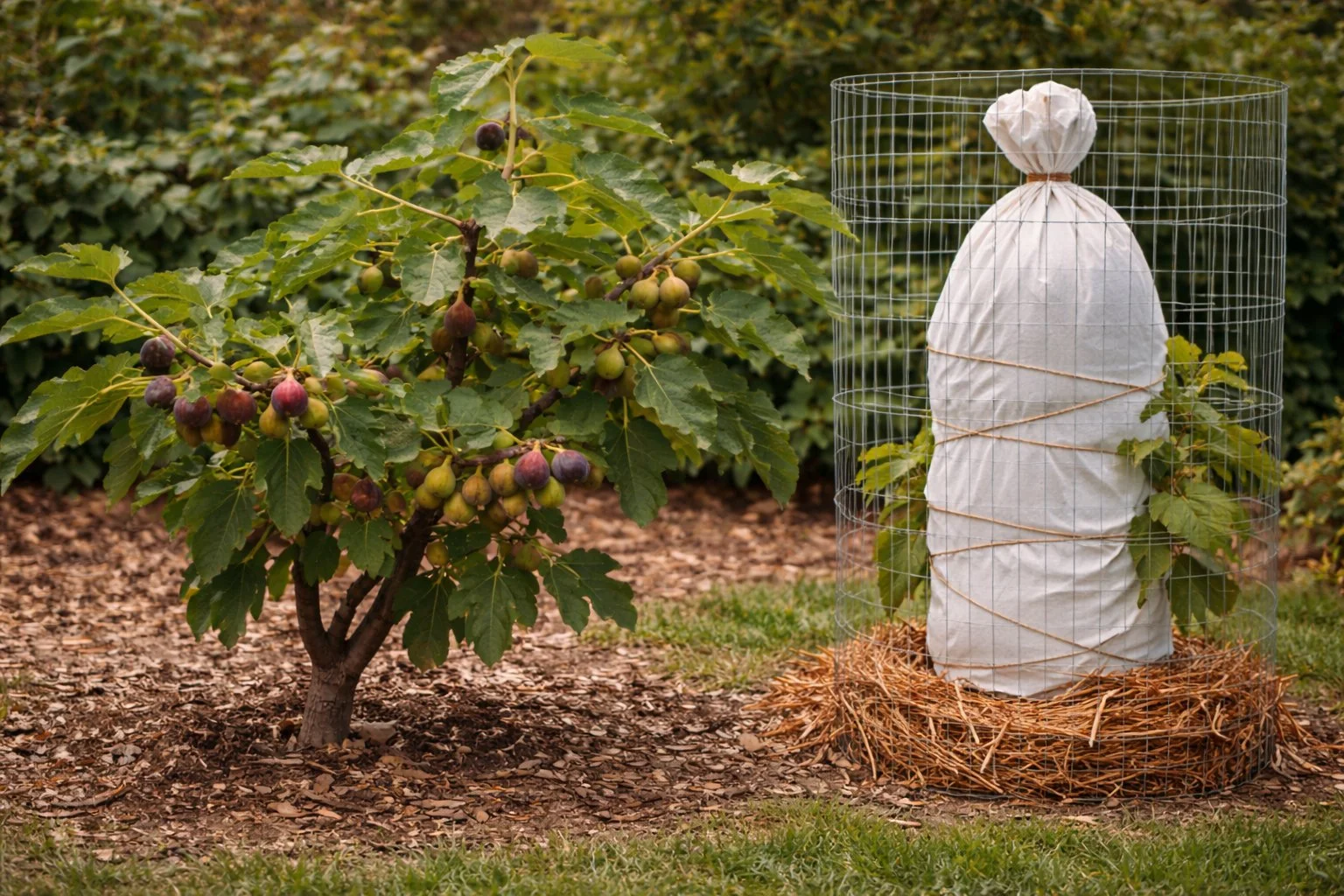
One of the most important—and often overlooked—decisions fig growers make in Zone 7b is choosing between reliable varieties and high-maintenance ones. Both can produce excellent fruit, but they demand very different levels of time, protection, and tolerance for risk. This article helps growers understand what separates reliable figs from high-maintenance figs, and how to choose the right balance for their orchard and lifestyle.
This topic fits into the broader framework of Fig variety selection for Zone 7b, where cold tolerance, ripening windows, and long-term reliability are considered together.
What Makes a Fig “Reliable”
Reliable fig varieties produce fruit consistently across a wide range of seasons with minimal intervention. They recover well from winter dieback, ripen early enough to beat fall frost, and tolerate summer humidity without frequent splitting or souring. In Zone 7b, reliability is usually tied to genetics that favor early fruiting on new growth and fast spring recovery.
These figs may not always deliver elite, competition-level flavor, but they reward growers with dependable harvests year after year.
What Defines a High-Maintenance Fig
High-maintenance fig varieties demand specific conditions to succeed. They often require preserved wood, extended heat, or protection from cold, rain, or both. Many produce exceptional fruit when conditions are ideal, but fail to ripen consistently without deliberate management.
Maintenance may include winter wrapping, low tunnels, container overwintering, careful pruning, or accepting occasional crop loss. These figs are best suited to growers who enjoy experimentation and fine-tuning.
Reliable Fig Varieties for Zone 7b
Reliable figs are the backbone of most successful orchards.
Varieties such as Hardy Chicago, Celeste, Improved Celeste, and many LSU selections recover quickly after winter damage and ripen early enough to produce crops even in shortened seasons. They tolerate imperfect conditions and are forgiving of missed steps or unexpected weather.
For new growers—or those who value consistency over perfection—these varieties provide confidence and steady results.
High-Maintenance Fig Varieties Worth the Effort
High-maintenance figs often justify their demands with superior flavor or unique qualities.
Varieties like Adriatic JH, Strawberry Verte, Violette de Bordeaux, Col de Dame types, and Black Madeira can deliver extraordinary fruit, but only when ripening timelines and winter survival are carefully managed. Without protection, these figs may grow vigorously yet fail to produce ripe fruit in many years.
For growers willing to invest time and attention, these varieties can be deeply rewarding.
The Hidden Cost of Maintenance
Maintenance is not just labor—it is emotional investment. High-maintenance figs can be frustrating when weather undermines a season’s work. Understanding this upfront helps growers decide whether a variety fits their temperament as much as their climate.
Reliable figs reduce stress and uncertainty. High-maintenance figs increase both risk and potential reward.
Mixing Reliability and Reward in One Orchard
Most experienced growers combine both types. Reliable figs ensure annual harvests and learning opportunities, while a few high-maintenance varieties provide experimentation and exceptional fruit when conditions align.
This mixed strategy spreads risk and keeps orchards productive even in difficult years.
Choosing Based on Your Goals
Growers focused on fresh eating, sharing, or low effort should lean heavily toward reliable varieties. Those chasing peak flavor, rarity, or personal challenge may accept higher maintenance in exchange for standout fruit. Neither choice is wrong—the mistake is choosing without understanding the tradeoff.
Takeaway
In Zone 7b, the difference between reliable and high-maintenance fig varieties shapes the entire growing experience. Reliable figs offer consistency and peace of mind, while high-maintenance figs offer exceptional flavor with added risk. By choosing varieties that match both climate realities and personal goals, growers build orchards that are productive, enjoyable, and sustainable over the long term.
For a complete framework on choosing figs that actually succeed in this climate, see Fig Variety Selection for Zone 7b.
