Fig Variety Selection for Zone 7b
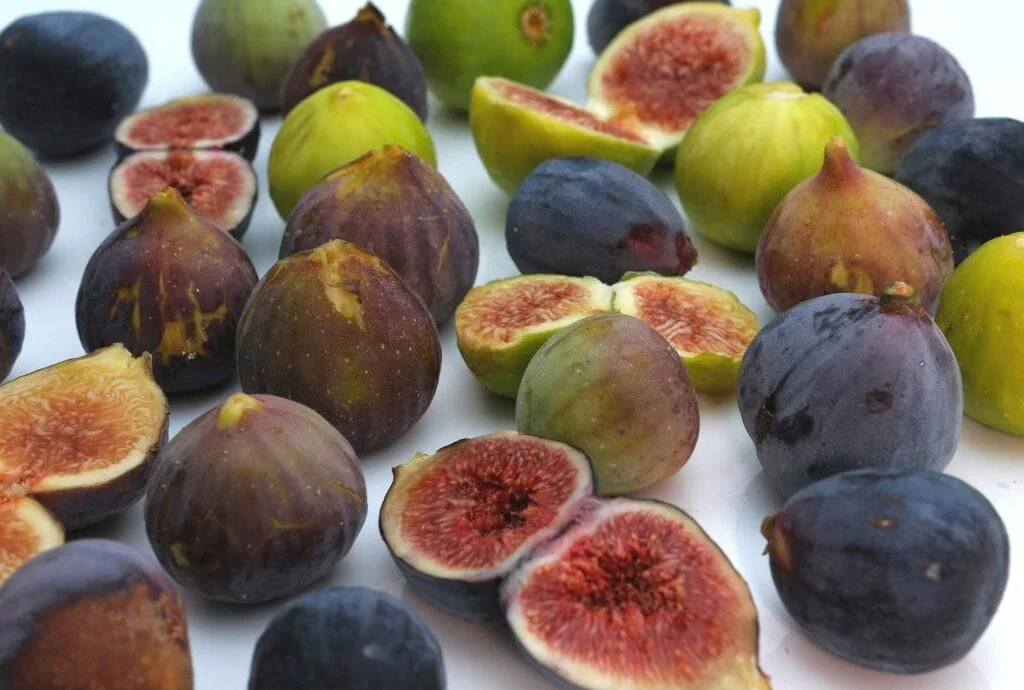
How to Choose the Best Fig Varieties for Cold Tolerance, Flavor, Productivity, and Reliability in Tennessee’s Climate
Choosing fig varieties in Zone 7b is not about chasing rare cultivars or internet hype—it is about stacking the odds in your favor. Tennessee sits at a climatic crossroads: cold enough to test wood survival, hot and humid enough to challenge fruit quality, and unpredictable enough that a single poor choice can cost an entire season. The goal of this pillar is simple but serious: help growers choose fig varieties that actually succeed in Zone 7b, not just survive.
This guide answers the questions growers are really asking before they plant:
Will this fig ripen here? What happens after winter dieback? How much protection does it need? What does a “bad year” look like—and can I still harvest fruit?
1. What Zone 7b Really Demands From a Fig Variety
Zone 7b figs must solve three problems at once. First, winter temperatures periodically drop low enough to kill exposed wood, resetting trees to the ground. Second, spring can be erratic, delaying growth and compressing the ripening window. Third, summer humidity and rain threaten splitting, souring, and flavor dilution right when fruit is maturing.
A successful Zone 7b fig must therefore do at least one of the following extremely well:
it must fruit early on new growth, recover aggressively after dieback, resist rain-related fruit failure, or reward winter protection with reliable ripening. Varieties that lack all of these traits often look promising for a year or two—then disappoint.
2. Why Fig “Types” Matter More Than Individual Names
Fig varieties behave predictably based on their genetic group. Understanding these groups allows growers to anticipate performance before planting.
Mt. Etna types are naturally cold-resilient and fruit readily on new wood, making them forgiving after winter damage.
Celeste-type figs are compact, early, and remarkably resistant to humidity-related problems.
LSU varieties were bred for southern heat and rain, prioritizing productivity and fruit integrity.
Adriatic and berry types deliver superior flavor but demand preserved wood or season extension to succeed consistently.
Recognizing which group a fig belongs to is often more important than the cultivar name itself.
3. Proven Fig Varieties for Zone 7b (What to Expect in the Real World)
Each fig below is described not just by reputation, but by how it behaves in Zone 7b over multiple seasons.
Hardy Chicago (Mt. Etna Group)
Hardy Chicago is one of the most forgiving figs a Zone 7b grower can plant. Even when frozen to the ground, it regrows quickly and sets a heavy main crop that reliably ripens before fall. Its tight eye resists souring, and its berry flavor holds up well in humidity. Expect consistent harvests, even in years with severe dieback, making this an ideal foundation variety.
Celeste
Celeste answers the question many beginners ask: “What fig will almost never fail?” It ripens early, resists splitting, and shrugs off summer rain. While flavor is mild compared to berry figs, Celeste produces dependable crops with minimal care. In poor years, it still fruits; in good years, it excels.
Improved Celeste (O’Rourke)
Improved Celeste retains the reliability of standard Celeste but offers larger fruit and stronger yields. It performs especially well in wet summers, where many figs sour. Growers can expect early ripening, manageable size, and dependable production with little intervention—an excellent choice for both orchards and containers.
Brown Turkey (Southern Types)
Southern Brown Turkey is vigorous and adaptable, making it a common choice for large plantings. It tolerates pruning, recovers well after cold damage, and produces heavy crops. Flavor is moderate, but the tree’s resilience makes it valuable where reliability matters more than refinement.
Adriatic JH
Adriatic JH is often a grower’s first “serious flavor fig.” It produces striking red interiors and complex berry sweetness, but it needs preserved wood to shine. Without winter protection, crops may be inconsistent. With protection, it becomes a dependable mid-season producer that rewards careful management.
Strawberry Verte
Strawberry Verte offers intense berry flavor with green skin that resists sunburn and splitting. In Zone 7b, it benefits greatly from winter protection, which advances ripening into a reliable window. Growers using low tunnels or wraps often find this variety becomes a standout producer.
LSU Purple
LSU Purple bridges the gap between reliability and flavor. It tolerates heat and humidity exceptionally well and resists souring better than many dark figs. Expect strong yields and rich, jammy flavor even in challenging summers, making it a dependable choice with modest winter care.
Violette de Bordeaux (VdB)
VdB is compact and well-suited to containers or protected rows. It produces high-quality breba and main crops when wood is preserved and responds well to training and pruning. Without protection, crops may be reduced; with it, VdB becomes a reliable high-flavor option.
LSU Tiger
LSU Tiger is a workhorse variety for humid climates. It produces consistently, resists rain damage, and maintains fruit quality through storms. Flavor is good rather than elite, but reliability is excellent, especially in difficult summers.
LSU Champagne
LSU Champagne is a honey-type fig with better rain tolerance than most in its category. It ripens reliably in hot summers and provides balance to an orchard dominated by berry figs. Expect dependable yields and clean fruit even in wet years.
Col de Dame (Noir, Blanc, Grise)
Col de Dame figs are among the finest dessert figs in the world—but only when conditions are right. In Zone 7b, they require winter protection to preserve fruiting wood and enough heat to finish ripening. Without protection, crops are often lost; with it, quality is unmatched.
Preto
Preto delivers deep, complex flavor similar to late-season elite figs but ripens slightly earlier. It still requires protection in Zone 7b, but growers willing to provide it are rewarded with exceptional fruit quality and improved consistency compared to ultra-late varieties.
Black Madeira (and BMKK types)
Black Madeira represents the upper limit of what is practical in Zone 7b. It is extremely late ripening and intolerant of wood loss. Only growers using tunnels, strong heat retention, and disciplined management should attempt it—but those who succeed harvest world-class fruit.
4. Ripening Windows: Why Timing Determines Success
Early-season figs offer the highest reliability in Zone 7b. Mid-season figs perform well when wood is preserved. Late-season figs should only be planted with a clear plan for winter protection or season extension. Ignoring ripening windows is one of the most common reasons fig plantings fail.
5. Choosing Varieties Based on Your Goals
Growers focused on yield and consistency should prioritize Hardy Chicago, Celeste, and LSU Purple. Flavor-driven growers can layer in Adriatic JH, Strawberry Verte, and VdB with protection. Advanced growers using tunnels unlock elite varieties such as Col de Dame, Preto, and Black Madeira.
6. Pollination: Why Zone 7b Figs Are Simple
All common figs grown in Tennessee are self-fertile and do not require fig wasps. Smyrna and caprifig types are unsuitable for Zone 7b, simplifying planning and ensuring reliable fruit set.
7. Matching Growth Habit to Spacing and Protection
Compact varieties allow tighter spacing and easier protection, while vigorous figs require more room and airflow. Correct spacing reduces disease pressure, improves fruit quality, and simplifies winter strategies.
8. Varieties That Truly Shine Under Winter Protection
Adriatic JH, Strawberry Verte, LSU Purple, VdB, Col de Dame types, Preto, and Black Madeira all respond dramatically to preserved wood. With 3–4 feet of live growth protected each winter, these varieties shift from risky to reliable.
9. Designing an Orchard for Season-Long Harvest
A resilient Zone 7b orchard blends early figs for insurance, mid-season figs for volume and flavor, and protected late figs for premium quality. This layered approach maximizes harvest length while minimizing risk.
10. Final Takeaway: Plant for Reality, Not Reputation
The best fig orchard in Zone 7b is not built on rare names—it is built on varieties that match climate, management style, and goals. Reliability comes first, flavor follows with experience, and winter protection unlocks the full potential of elite cultivars. When varieties are chosen with intention, Zone 7b becomes not a limitation—but an advantage.
Related Articles
Choosing the right fig varieties becomes much easier when you understand how genetics interact with climate, ripening windows, and winter protection. These in-depth guides expand on the most important factors that influence fig success in Zone 7b:
