Harvest Timing for Best Flavor
Introduction
Harvest timing is the single most important factor influencing fig flavor—and the one most easily misjudged. A fig that is harvested even a day too early may appear attractive but taste flat, vegetal, or hollow. One harvested too late may split, sour, or collapse before it ever reaches the kitchen. Unlike many fruits, figs offer no second chance after picking. Their peak flavor exists within a narrow window that shifts with weather, cultivar, and orchard conditions. Learning to time harvest correctly transforms figs from “good” to unforgettable.
Flavor Develops Last—And Fast
In figs, flavor is the final stage of ripening. Sugar accumulation, aromatic complexity, and texture refinement all occur at the end of the process, often within the final 24–48 hours. During this window, figs soften rapidly, gain weight, and develop the rich sweetness they are known for. Harvesting before this stage locks the fruit into mediocrity. Waiting too long risks spoilage. Successful growers learn to recognize this brief flavor peak and adjust harvest timing accordingly.
Why Calendar-Based Harvesting Fails
Many beginners rely on calendars or estimated “ripening dates.” While useful for planning, dates alone are unreliable. Weather patterns—especially temperature, humidity, and rainfall—can accelerate or delay ripening dramatically. A cool week may stall flavor development; a sudden heatwave can push figs to full ripeness overnight. Flavor-based harvesting requires observation, not prediction.
Morning Harvest Protects Flavor
Harvesting in the morning improves both flavor and shelf life. Cooler temperatures preserve firmness, reduce internal breakdown, and limit microbial activity. Morning-harvested figs are easier to evaluate accurately and less prone to bruising. Afternoon harvesting, especially during hot Tennessee summers, increases the risk of over-softening and early souring—even in figs that appeared perfect on the tree.
Daily Checks During Peak Season
During peak ripening, figs should be checked daily—and sometimes twice daily. Many cultivars move from nearly ripe to fully ripe in a single day. Skipping checks often results in either premature picking or fruit loss. Consistency matters more than speed; a steady daily routine yields better results than occasional bulk harvesting.
Flavor Peaks Before Visual Perfection
The most flavorful figs are often harvested just before they look “too ripe.” Waiting for maximum size or extreme softness increases the risk of splitting and fermentation. Experienced growers learn to harvest at the point where softness, droop, aroma, and weight converge—while the skin is still intact and resilient. This timing delivers peak sweetness without sacrificing structure.
Weather’s Direct Impact on Flavor Timing
Rainfall, irrigation, and humidity influence harvest timing more than many growers realize. Excess moisture late in ripening dilutes sugars and encourages splitting. Drought followed by sudden rain causes rapid fruit expansion and cracking. Balanced irrigation and mulch stabilize flavor development and widen the harvest window, making timing easier and more predictable.
Cultivar-Specific Timing Matters
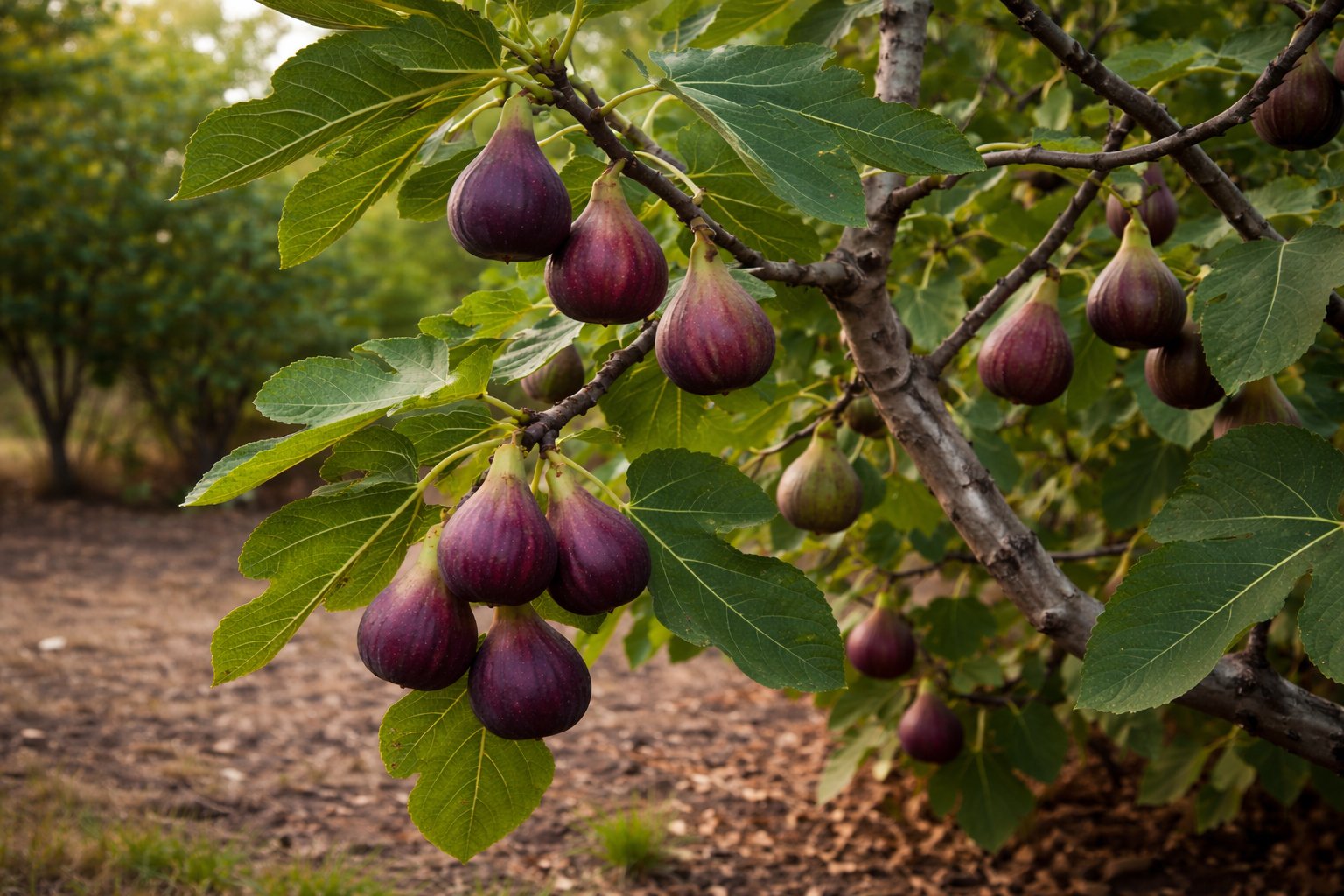
Each fig variety expresses peak flavor differently. Some cultivars benefit from being harvested slightly earlier, while others reach full sweetness only when extremely soft. Honey figs often peak earlier in texture but later in flavor. Dark figs may appear ripe before flavor fully develops. Learning cultivar-specific timing is essential, especially in mixed orchards.
Timing for Fresh Eating vs Storage
Figs intended for immediate fresh eating can be harvested at full softness. Those destined for short-term storage or local sales benefit from being picked slightly earlier in the ripening window, when flavor is developed but structure remains firm. This distinction allows growers to tailor harvest timing to intended use without sacrificing quality.
Common Timing Mistakes That Reduce Flavor
The most common mistake is harvesting too early out of fear—fear of pests, birds, splitting, or loss. The second most common mistake is waiting too long, hoping for more sweetness that never arrives. Flavor does not improve indefinitely. It peaks, then declines. Understanding that curve is the key to confident harvesting.
The Takeaway
Exceptional fig flavor depends on timing, not size or color. By harvesting during the narrow window where sweetness, aroma, and texture align—and by adjusting timing to weather, cultivar, and intended use—growers unlock the true potential of their figs. Precision, patience, and daily attention are rewarded every time.
This article is part of the complete guide to Harvesting & Post-Harvest Care for Fig Trees.
Related reading:
How to Tell When Figs Are Truly Ripe
Handling and Storing Fresh Figs
Common Harvesting Mistakes Beginners Make
