Harvesting, Handling & Post-Harvest Care
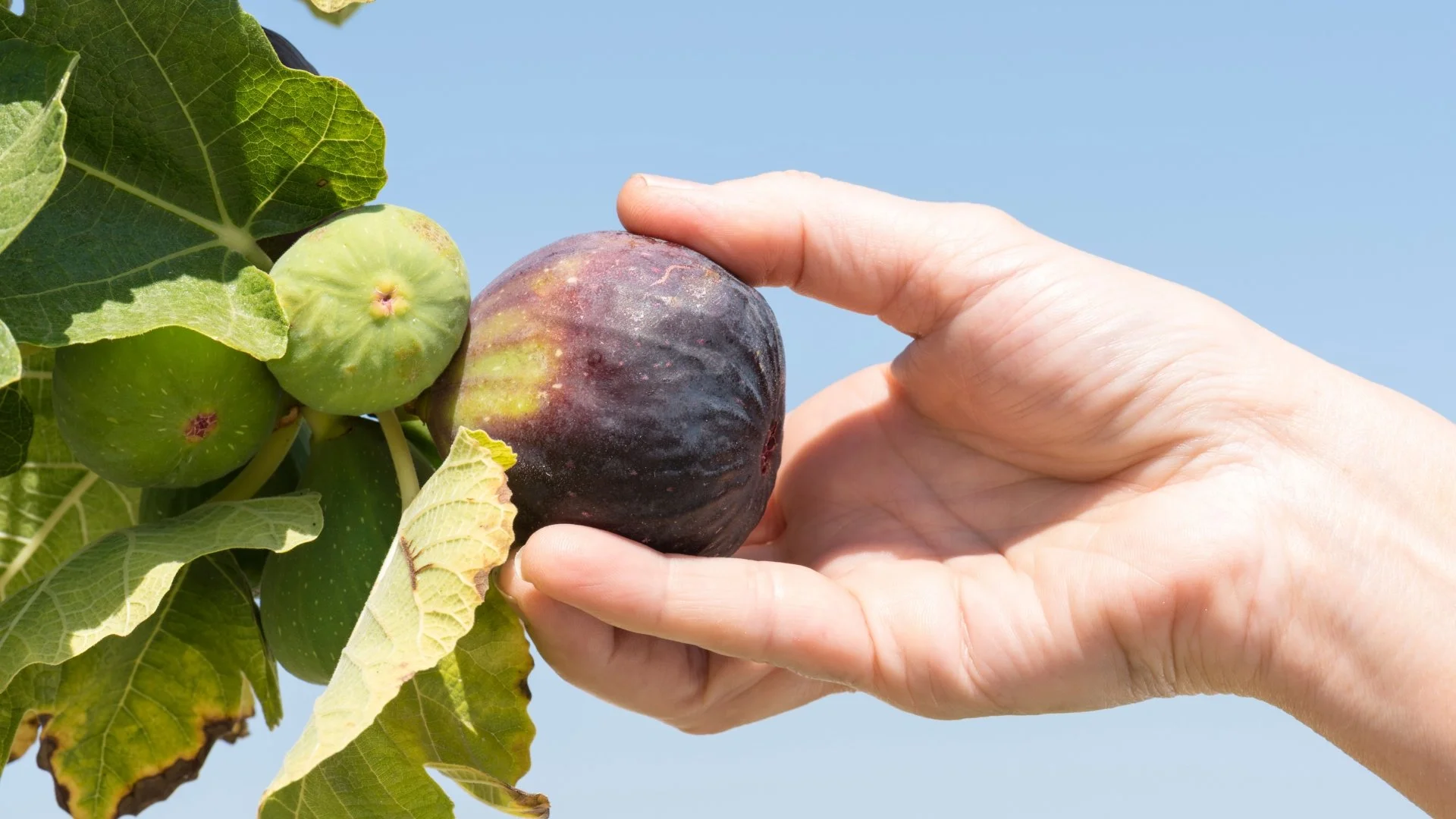
How to Harvest Figs at Peak Ripeness, Protect Their Delicate Skin, and Maintain Quality for Fresh Eating or Small-Scale Sales in Zone 7b
Harvesting figs is one of the most rewarding moments of the growing season—and also one of the most demanding. Unlike apples, peaches, or tomatoes, a fig does not continue ripening after it is picked. Every bit of sugar, aroma, and flavor complexity must develop on the tree. This makes harvesting both an art and a science: the grower must learn to recognize the narrow window where the fig reaches its peak sweetness, softens just enough to droop on the branch, and offers the full aroma that signals perfection. Pick too early, and the fruit remains bland. Pick too late, and the fig may split, sour, or collapse in the heat.
Because figs ripen in waves throughout summer and fall in Zone 7b, successful growers must learn to evaluate ripeness quickly, handle fruit gently, and cool figs rapidly after harvest. Whether the fruit is intended for fresh household eating, gifting to neighbors, local sales, or eventual small-scale distribution from your orchard at Giles County Figs, proper harvesting and post-harvest handling protect quality and reduce waste. This guide brings together the full system: understanding fig physiology, identifying ripeness, mastering gentle harvest technique, preventing fruit loss, and storing figs to preserve their remarkable—but fragile—fresh flavor.
1. How Figs Ripen: Understanding Their Physiology
Figs ripen in a way that sets them apart from most orchard fruit. They do not use ethylene gas to trigger ripening, nor do they continue producing sugars once removed from the branch. Instead, all sugar accumulation, flesh softening, and aromatic development occur while the fig remains attached to the tree. As ripening begins, the fruit undergoes internal pressure changes that convert stored carbohydrates into sugars, expand the inner pulp, and soften the neck that connects the fruit to the stem.
Growers often notice several early indicators that a fig is approaching maturity. The neck begins to soften and flex; the fruit becomes heavier and starts to droop downward; the skin shifts from opaque firmness to a deeper or more translucent tone. Many cultivars produce a tiny honey-colored bead of nectar at the ostiole—the “eye”—which signals active sugar movement. While each variety follows its own rhythm, these physiological changes offer the first clues that ripening is underway and that close monitoring is required.
2. How to Recognize a Truly Ripe Fig
Determining ripeness is a matter of observing texture, weight, aroma, and posture. A ripe fig feels soft but not mushy, droops naturally from the branch rather than pointing upright, and carries a noticeable weight that belies its size. When gently cupped in the hand, a ripe fig yields slightly to pressure and often releases a sweet, fruity aroma that is immediately recognizable to experienced growers.
Unripe figs lack these qualities. They remain firm, stand upright, and feel hollow or light when handled. Their skin often appears tight and shiny, and when tasted, the fruit is bland, vegetal, or even astringent. Adding to the complexity, ripeness presents differently depending on cultivar. Dark figs deepen in color; Adriatic and honey figs may soften more noticeably without dramatic color change; yellow cultivars can appear deceptively firm even when fully ripe. Because of this, growers learn ripeness through a combination of visual signs and hands-on familiarity with each variety.
3. When to Harvest: Timing for Optimal Quality
Since figs do not ripen after picking, the timing of harvest is crucial. During peak season, many varieties require daily harvesting, especially those known for rapid softening in warm weather. Slower cultivars may be ready every two or three days, but all benefit from being checked frequently during humid Tennessee summers. Morning is the ideal time to harvest because the fruit is cooler, firmer, and less prone to early souring caused by afternoon heat.
In Zone 7b, early varieties begin ripening in mid-July, main-season types peak through August and September, and late varieties continue well into October if frost allows. Growers who preserve 3–4 feet of wood through winter—your specialty—often enjoy earlier and heavier harvests compared to trees that die back annually. Maintaining consistent orchard rhythms, watching cultivar patterns, and adjusting harvest frequency to weather conditions all contribute to optimum fruit quality.
4. Harvest Technique: How to Pick Without Damaging the Fruit
Figs bruise more easily than almost any other orchard crop, making harvest technique just as important as timing. The correct method relies on minimal pressure and gentle support. The fruit should be cupped from below and lifted upward until it naturally separates from the branch. Twisting, squeezing, or pulling tears the skin and shortens shelf life. Once picked, figs should be placed directly into shallow trays rather than deep buckets, as stacking even a few layers deep leads to compression, leaking, and microbial breakdown.
Simple tools—like small snips for tight clusters and breathable field trays—make the process easier, but the essence of fig harvesting lies in slow, careful handling. A fig should be treated like an egg: firm enough to move with confidence, but delicate enough to require complete attentiveness.
5. Preventing the Most Common Harvest-Season Problems
Harvest time in Zone 7b comes with several predictable challenges, many tied to heat, humidity, and sudden rain. Moisture fluctuations cause fruit splitting, especially when trees experience drought followed by a heavy storm or deep irrigation. Splitting invites yeast and bacteria into the fruit and accelerates souring. Consistent irrigation and thick mulch reduce these swings and stabilize fruit quality.
Souring itself often results not from disease but from vinegar flies and bacteria entering a cracked or overly open fig. Harvesting earlier in the softening window, removing fallen fruit, avoiding overhead watering, and choosing varieties with tight ostioles help prevent this. Ants, wasps, and hornets are also attracted to ripe figs; picking slightly earlier and maintaining orchard cleanliness reduces pressure. Birds remain one of the most significant threats to ripening figs, and structural solutions—such as full-row netting or integrating low-tunnel netted frames into orchard design—offer the most consistent long-term protection.
6. Immediate Post-Harvest Handling: Preserving Quality From the First Minute
A freshly picked fig begins deteriorating the moment it leaves the tree. Heat accelerates softening, moisture encourages microbial activity, and physical handling increases the risk of bruising. The best approach mirrors professional practices: avoid washing the fruit unless necessary, cool figs quickly—ideally within 30 minutes—and store them in a single layer to prevent compression. Breathable containers prevent condensation, which can otherwise cause surface breakdown and mold.
Figs kept at room temperature remain at peak condition for only a day or two. With proper rapid cooling, they can maintain excellent quality for nearly a week.
7. Cooling & Storage: Extending Shelf Life Without Sacrificing Flavor
Proper cooling is the centerpiece of post-harvest care. Figs maintain their texture, sweetness, and aroma longest when held at 32–36°F and high humidity (around 90–95%). Rapid cooling arrests the physiological processes that continue inside the fruit after picking and slows microbial activity. Storage life depends on ripeness: fully ripe figs may last three to five days, slightly underripe fruit may extend to a week, and fruit handled with near-commercial precision may last up to ten days. Still, for local sales or direct distribution, figs are best delivered or sold within 24–48 hours for optimal eating quality.
8. Sorting, Grading & Packaging for Fresh Sales
When figs are destined for market, careful grading protects your reputation and ensures consistent customer experience. Premium fruit shows perfect shape, no cracking, and full ripeness. Select fruit may show slight imperfections but still offers excellent quality. Soft or cosmetically damaged fruit is best directed toward processing—jams, dehydrated products, or fig paste.
Packaging emphasizes protection over decoration. Shallow, ventilated trays, berry boxes, or paperboard cartons prevent bruising and allow fruit to breathe. Any packaging that compresses figs—even slightly—shortens shelf life and reduces visual appeal.
9. Special Handling for Delicate or High-Value Cultivars
Certain fig varieties—especially honey types and thin-skinned Adriatics—require gentler handling due to their fragile skin and rapid softening. These should be harvested at cooler times of day, picked slightly earlier in the ripening curve, and stored individually or with cushioning to avoid abrasion. Field-packing—placing figs directly into their final container at the moment of harvest—reduces handling steps and protects premium fruit. For rare or specialty cultivars, these extra steps become selling points that elevate the orchard’s brand and product value.
10. Post-Harvest Uses: Fresh, Dried, Frozen, or Processed
Figs lend themselves to multiple post-harvest products. Drying condenses sugars and produces a shelf-stable fruit that lasts months. Freezing works well for smoothies and baking even though texture softens after thawing. Jams, preserves, fig butter, and dehydrated fig leather create value-added products that transform imperfect or overripe fruit into long-lasting goods. A well-structured orchard and thoughtful harvest system ensure that every grade of fruit finds a productive use, reducing waste and increasing profitability.
11. How Orchard Management Shapes Harvest Quality
Every element of orchard management influences the final flavor and quality of harvested figs. Balanced irrigation prevents splitting; strong nutrition supports larger, sweeter fruit; good pruning increases sunlight penetration and airflow; and winter protection preserves fruiting wood that leads to earlier and more abundant crops. Even post-harvest success begins months earlier—with the cultural practices that shape tree health. When all eight pillars work together, the harvest becomes predictable, high-quality, and deeply satisfying year after year.
