Preventing Spoilage and Souring on the Tree
Introduction
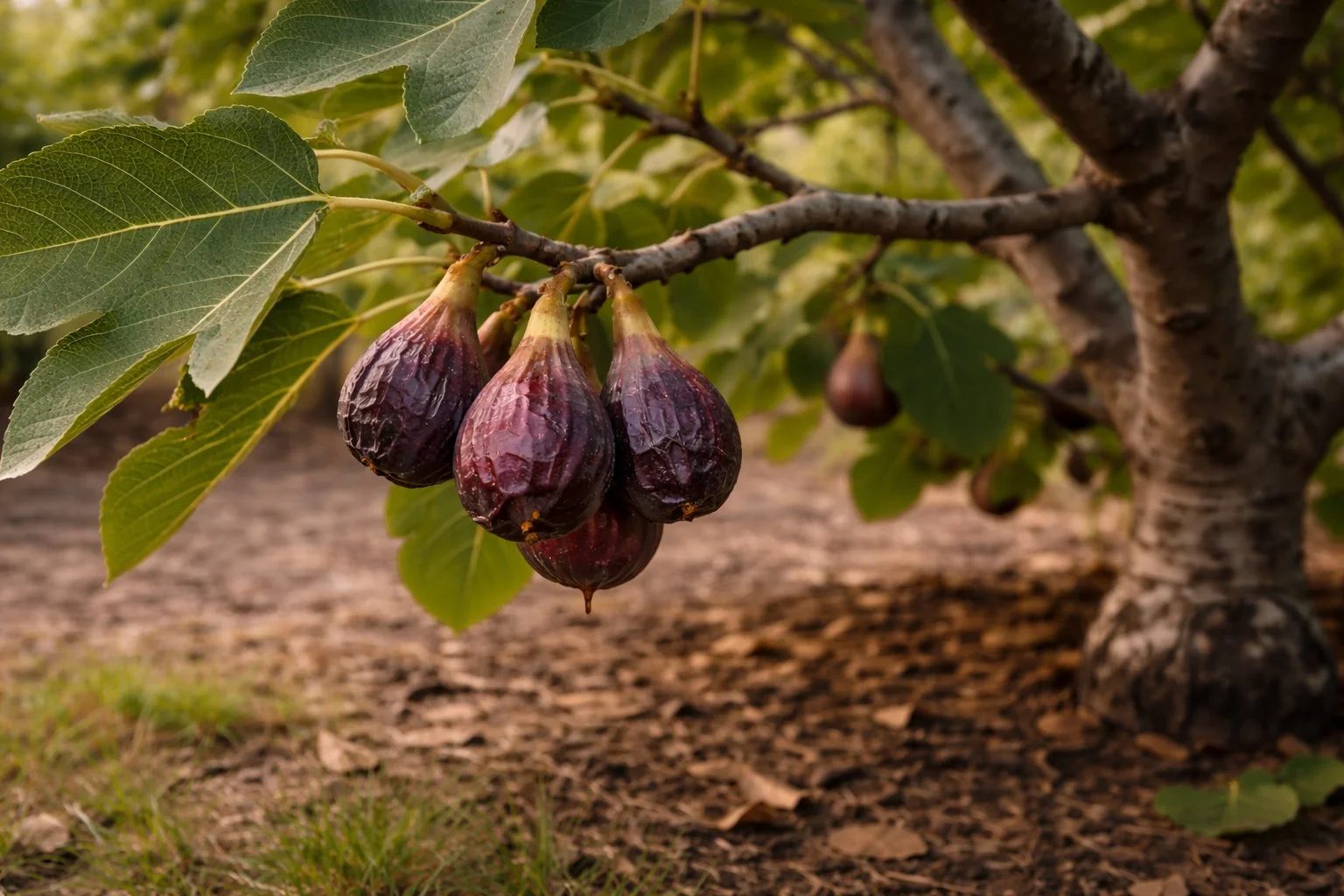
Few experiences are more frustrating for fig growers than watching nearly ripe fruit sour or collapse before harvest. Spoilage on the tree is rarely caused by disease alone; it is almost always the result of environmental conditions, fruit structure, and timing. Understanding why figs sour—and how to prevent it—allows growers to protect quality without overreacting or resorting to unnecessary treatments.
What “Souring” Really Means
Souring occurs when yeasts and bacteria enter the fig and begin fermentation before harvest. This process produces unpleasant odors, off-flavors, and internal breakdown. Souring is not a contagious disease spreading through the tree; it is an opportunistic process that begins when conditions allow microorganisms access to the fruit’s interior.
The Role of the Ostiole (“Eye”)
The fig’s ostiole is both a defining feature and a vulnerability. As figs ripen, the ostiole may loosen slightly, allowing moisture, insects, and microorganisms inside. Varieties with tighter ostioles are naturally more resistant to souring, while those with open eyes require closer monitoring and earlier harvest timing.
Moisture Is the Primary Trigger
Excess moisture is the most common driver of spoilage. Heavy rain, overhead irrigation, or extreme humidity near full ripeness increases internal pressure and dilutes sugars, encouraging splitting and microbial growth. Consistent irrigation earlier in the season, combined with deep mulch, reduces sudden moisture swings and stabilizes fruit development.
Timing Prevents Most Losses
Harvest timing is the single most effective preventive measure. Figs allowed to hang too long become overly soft and structurally weak. Harvesting at peak ripeness—before collapse—prevents most souring issues. Daily checks during warm, humid periods dramatically reduce losses.
Insects as Entry Points, Not Causes
Vinegar flies, ants, wasps, and beetles are often blamed for souring, but they are usually symptoms, not causes. These insects are attracted to already-soft or damaged fruit. Removing fallen figs, harvesting promptly, and maintaining orchard cleanliness reduces insect pressure without intervention.
Splitting Opens the Door
Fruit splitting exposes the interior directly to microbes. Splitting is often caused by uneven water uptake late in ripening. Balanced irrigation, thick organic mulch, and avoiding heavy watering near harvest reduce the risk. Once a fig splits, it should be harvested immediately or removed.
Heat Accelerates Breakdown
High temperatures speed fermentation and softening. During heat waves, figs may reach peak ripeness and decline within hours. Adjusting harvest frequency—sometimes harvesting twice daily—protects fruit quality during extreme conditions.
Cultivar Choice Matters
Some cultivars are naturally more prone to souring due to thin skin or open ostioles. Learning which varieties require earlier harvest allows growers to adapt practices rather than fight genetics. Matching cultivar behavior to local climate reduces frustration and waste.
When to Remove Fruit
Any fig showing leakage, strong odor, or internal collapse should be removed promptly. Leaving spoiled fruit on the tree attracts insects and increases losses in surrounding fruit. Removal is a sanitation practice, not a failure.
Avoiding Unnecessary Treatments
Chemical treatments are rarely effective against souring and often unnecessary. Most solutions are cultural: timing, cleanliness, irrigation balance, and variety awareness. Calm observation and adjustment outperform reactionary spraying.
The Takeaway
Preventing spoilage and souring on the tree is about managing conditions, not fighting disease. By stabilizing moisture, harvesting at the right moment, maintaining cleanliness, and understanding cultivar behavior, growers dramatically reduce losses and protect fig quality without stress or intervention.
This article is part of the complete guide to Harvesting & Post-Harvest Care for Fig Trees.
Related reading:
How to Tell When Figs Are Truly Ripe
Harvesting from Container vs In-Ground Fig Trees
Common Harvesting Mistakes Beginners Make
