How Fig Varieties Handle Winter Dieback in Zone 7b
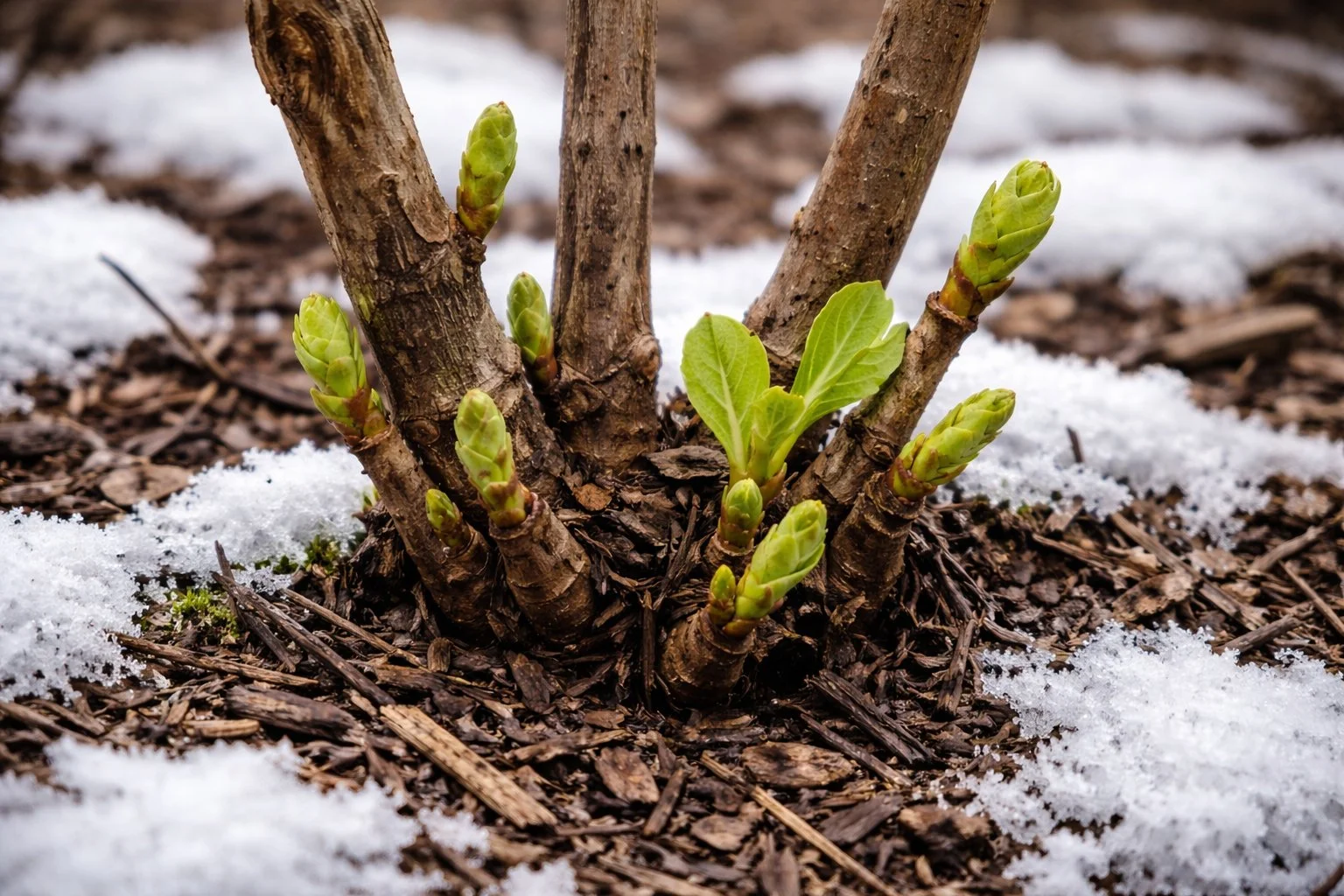
Winter dieback is a normal part of growing figs in Zone 7b, not a sign of failure. Many fig trees lose some or all above-ground wood during cold snaps, then rebound vigorously when spring arrives. What separates reliable varieties from disappointing ones is how they respond to that loss—how quickly they regrow, where they set fruit, and whether the season is long enough for figs to finish ripening. This article explains what really happens after winter dieback and how different fig varieties behave in Zone 7b.
This topic fits into the broader framework of Fig variety selection for Zone 7b, where cold tolerance, ripening windows, and long-term reliability are considered together.
What Winter Dieback Looks Like in Zone 7b
In Zone 7b, winter injury rarely kills fig trees outright. Instead, cold temperatures damage exposed wood above a certain height, leaving lower trunks or roots alive. Some winters cause only tip dieback, while others reset trees completely to ground level. The severity depends on temperature lows, duration of cold, wind exposure, and whether the soil remained insulated.
Understanding that dieback is often partial—not total—helps growers avoid overreacting in early spring.
Why Dieback Does Not Mean Crop Loss
Many fig varieties are capable of fruiting on new growth. After dieback, dormant buds at the base or along surviving wood break rapidly once soils warm. If the variety sets figs early on new shoots and grows aggressively, it can still ripen a full main crop before fall.
Varieties that require older wood or late-season heat are far more likely to fail after severe dieback, even if the tree looks healthy by midsummer.
How Different Fig Types Respond After Dieback
Fig genetics strongly influence post-winter behavior.
Mt. Etna types typically respond best, pushing fast, upright growth that sets fruit early enough to ripen reliably.
Celeste-type figs often lose wood but compensate by ripening very early, allowing fruit to mature even after delayed regrowth.
LSU varieties recover well and maintain fruit integrity, though some benefit from partial wood survival for best yields.
Berry and Adriatic types often regrow vigorously but may not ripen consistently unless some fruiting wood is preserved.
Knowing which group a fig belongs to sets realistic expectations after cold winters.
Timing: The Hidden Factor After Dieback
The clock matters. After winter dieback, a fig must leaf out, extend shoots, set fruit, and ripen—all within a compressed season. Early-ripening varieties reset this clock quickly, while late varieties may simply run out of time.
This is why a tree can look lush and healthy yet produce no ripe figs. Growth alone does not guarantee harvest.
Pruning After Winter Damage: Less Is Often More
Many growers prune too aggressively after dieback, removing wood that might still be alive. In Zone 7b, it is often better to wait until growth begins before making final cuts. Living wood reveals itself quickly, and preserving even a foot or two of surviving branches can significantly improve ripening.
Patience in spring often results in better yields later.
When Dieback Becomes a Problem
Dieback becomes limiting when it happens every year to varieties that need older wood or long seasons. In these cases, growers face a choice: accept inconsistent harvests or adopt winter protection strategies to preserve fruiting wood.
Understanding this tradeoff helps growers decide which varieties belong in unprotected plantings and which require extra care.
Takeaway
Winter dieback is normal in Zone 7b, but not all fig varieties respond the same way. Reliable figs either preserve enough wood to fruit early or recover quickly enough to ripen a main crop on new growth. By choosing varieties suited to these realities—and pruning with patience—growers can turn winter damage into a manageable part of fig culture rather than a recurring disappointment.
For a complete framework on choosing figs that actually succeed in this climate, see Fig Variety Selection for Zone 7b.
