Cold-Hardy Fig Varieties for Zone 7b
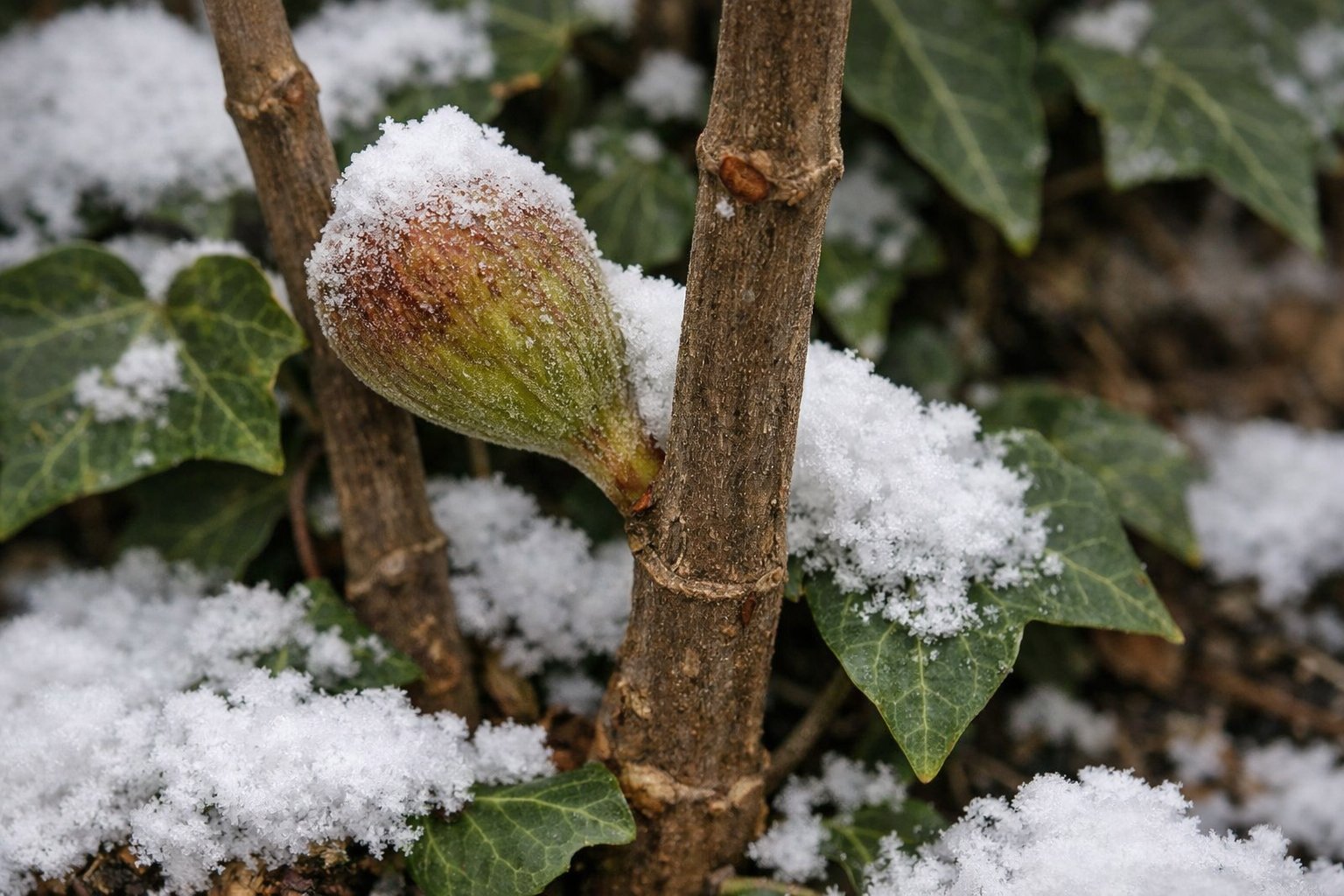
Cold hardiness is the first filter every Zone 7b fig grower should apply before planting. Winters here are not consistently brutal, but they are unpredictable—periodic dips below 10°F can kill exposed wood, reset trees to the ground, or partially damage scaffolds. The fig varieties that succeed long-term are not necessarily those that never freeze, but those that recover quickly and still ripen fruit within a shortened season. This article explains which figs do that best—and why.
This topic fits into the broader framework of Fig variety selection for Zone 7b, where cold tolerance, ripening windows, and long-term reliability are considered together.
What “Cold-Hardy” Really Means for Fig Trees
In Zone 7b, true wood survival above ground is inconsistent from year to year. Even so-called cold-hardy figs may lose branches during severe winters. For practical purposes, a cold-hardy fig is one that either preserves enough live wood to fruit early or regrows fast enough after dieback to still finish a main crop before fall. Varieties that lack both traits often leaf out beautifully but fail to produce ripe figs in time.
Understanding this distinction prevents disappointment and helps growers choose figs that perform reliably rather than occasionally.
Fig Types That Handle Cold Best
Cold tolerance in figs tends to follow genetic groupings rather than individual cultivar claims. Certain fig types consistently outperform others after winter stress.
Mt. Etna Types
Mt. Etna figs are among the most dependable in Zone 7b because they combine moderate wood hardiness with aggressive regrowth and early fruiting. Even after being frozen back to the base, these trees often set figs on new shoots that ripen well before frost. Their tight fruit eyes also reduce losses from rain and humidity during recovery years.
Celeste-Type Figs
Celeste and its improved selections rarely preserve large amounts of wood in severe winters, but they compensate by ripening extremely early. This allows them to produce crops even after moderate dieback. Their resistance to splitting and souring makes them especially valuable following stressful winters when trees are already under recovery pressure.
LSU Varieties
LSU figs were bred for southern climates with heat, humidity, and variable winters. While not always the most cold-hardy in terms of wood survival, they rebound well and maintain fruit quality in difficult seasons. In Zone 7b, they perform best with light winter protection or favorable microclimates.
Most Reliable Cold-Hardy Varieties for Zone 7b
The following varieties consistently perform well after cold winters and are considered low-risk plantings.
Hardy Chicago
Hardy Chicago sets the standard for cold reliability. When frozen to the ground, it regrows rapidly and fruits on new wood early enough to ripen a full main crop. In years with partial wood survival, yields increase further. Expect dependable harvests even after harsh winters.
Celeste
Celeste is one of the safest figs for growers who want fruit regardless of winter conditions. Its early ripening allows it to succeed even when regrowth is delayed. While flavor is mild, consistency is exceptional.
Improved Celeste (O’Rourke)
Improved Celeste offers the same dependability as Celeste with larger fruit and stronger yields. It handles cold recovery well and maintains clean fruit in wet summers that often follow cold winters.
Brown Turkey (Southern Types)
Southern Brown Turkey recovers reliably after dieback and produces heavily on vigorous regrowth. Though not a premium-flavor fig, it is forgiving and productive, making it a solid choice for larger plantings.
Cold-Hardy vs Cold-Resilient: Why the Difference Matters
Some figs preserve wood; others sacrifice it but recover fast. Cold-hardy varieties tend to keep living branches in mild winters, while cold-resilient varieties tolerate complete dieback without losing the season. Both can succeed in Zone 7b, but only if the grower understands which strategy the tree uses. Confusing the two often leads to unrealistic expectations.
Microclimates and Their Impact on Cold Survival
Planting location dramatically affects winter outcomes. Figs planted near south-facing walls, slopes, or wind-protected areas often retain more live wood than the same varieties planted in open fields. Cold-hardy varieties benefit the most from these advantages, sometimes fruiting weeks earlier as a result.
When Cold-Hardy Is “Enough”—and When It Isn’t
For many home growers, cold-hardy figs alone provide all the fruit they need. For growers pursuing higher flavor or late-season varieties, cold hardiness must be combined with winter protection. Knowing where your goals fall on that spectrum determines whether cold-hardy genetics alone are sufficient.
Takeaway
In Zone 7b, cold-hardy fig varieties are the foundation of a reliable orchard. Varieties like Hardy Chicago, Celeste, and Improved Celeste consistently recover from winter damage and ripen fruit on time, even in difficult years. Starting with these figs builds confidence, protects yields, and creates the stability needed to experiment with more demanding varieties later.
For a complete framework on choosing figs that actually succeed in this climate, see Fig Variety Selection for Zone 7b.
