Best Fig Varieties for Winter Protection in Zone 7b
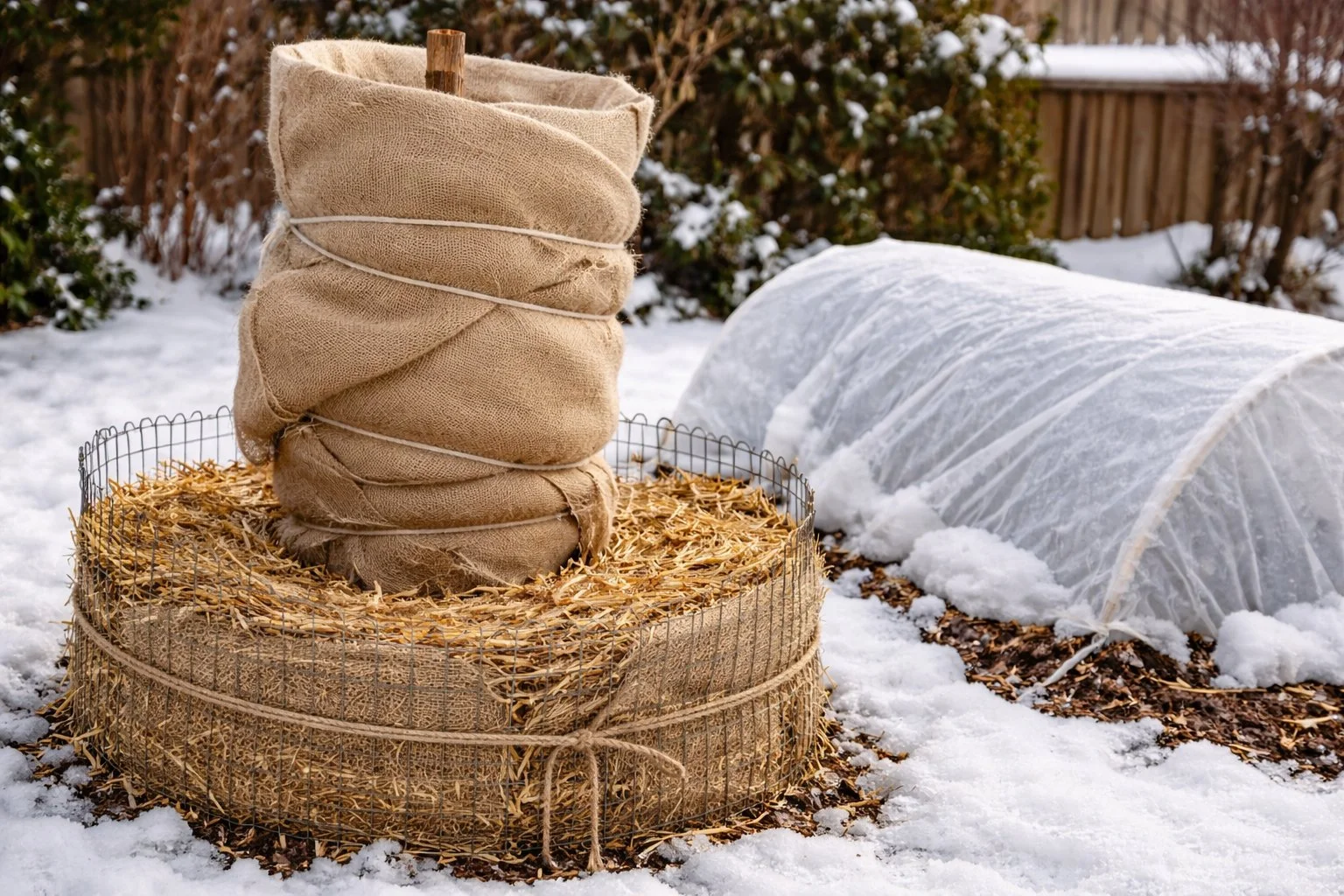
Winter protection changes what is possible with figs in Zone 7b. Without protection, growers are limited to varieties that either tolerate heavy dieback or ripen extremely early. With even modest protection—wraps, mulch cages, or low tunnels—the list of reliable, high-quality figs expands dramatically. This article explains which fig varieties respond best to winter protection and why some figs benefit far more than others.
This topic fits into the broader framework of Fig variety selection for Zone 7b, where cold tolerance, ripening windows, and long-term reliability are considered together.
Why Winter Protection Works for Some Figs and Not Others
Winter protection does not make a fig “cold-hardy.” Instead, it preserves living wood that would otherwise be lost. The payoff depends on what that preserved wood allows the tree to do in spring. Varieties that set fruit earlier, carry breba crops, or require a longer season gain the most from protection. Varieties that already fruit quickly on new growth gain much less.
Understanding this difference helps growers invest effort where it actually changes outcomes.
Fig Varieties That Benefit the Most From Preserved Wood
Some figs show a dramatic improvement when even two to four feet of live wood survives winter.
Adriatic and Berry-Type Figs
Adriatic JH, Strawberry Verte, and similar berry figs often struggle unprotected in Zone 7b because their ripening window is tight. When wood is preserved, these varieties begin fruiting earlier and finish reliably, turning inconsistent performers into dependable producers with outstanding flavor.
Violette de Bordeaux
Violette de Bordeaux responds exceptionally well to protection. Preserved wood increases both breba and main-crop production and shortens the time to ripening. This makes it one of the best candidates for low tunnels, wraps, or container overwintering.
Col de Dame Varieties
Col de Dame figs are among the most dramatic examples of protection payoff. Without protection, they often fail to ripen at all. With preserved wood and added heat, they produce dense, high-quality figs that rival the best Mediterranean fruit.
Varieties That Benefit Moderately From Protection
Some figs already perform acceptably without protection but improve further when wood is preserved.
LSU Varieties
LSU Purple, LSU Tiger, and LSU Champagne maintain fruit quality in humid summers and respond positively to partial wood survival. Protection improves yield consistency and advances ripening, especially after colder winters.
Brown Turkey (Southern Types)
Brown Turkey does not require protection to produce, but protected trees often fruit earlier and more heavily. This can be useful for growers seeking larger or earlier harvests.
Varieties That Gain Little From Winter Protection
Not every fig justifies the extra effort.
Mt. Etna Types
Hardy Chicago and related Mt. Etna figs already fruit reliably on new growth. While protection can improve early yield, it is rarely necessary for consistent harvests.
Celeste-Type Figs
Celeste and Improved Celeste ripen early enough that protection offers minimal advantage. These varieties are best planted unprotected and used as orchard anchors.
Matching Protection Method to Variety
The level of protection should match the variety’s needs. Simple wraps or mulch cages are often sufficient for berry figs. Low tunnels or insulated enclosures are better suited to late-ripening elite varieties. Containers offer the highest level of control but require space and planning.
Choosing varieties after deciding on a protection strategy leads to far better results than trying to retrofit protection to unsuitable figs.
When Winter Protection Is Worth the Effort
Winter protection is most worthwhile when the goal is flavor, extended harvest windows, or growing varieties that would otherwise be marginal. For growers focused on maximum reliability with minimal labor, unprotected cold-resilient figs remain the better choice.
Takeaway
Winter protection unlocks an entirely different tier of fig varieties in Zone 7b. Berry figs, Violette de Bordeaux, and Col de Dame types show the greatest gains from preserved wood, while Mt. Etna and Celeste types need little or none. By matching fig genetics to the level of protection you’re willing to provide, growers can dramatically improve both yield reliability and fruit quality.
For a complete framework on choosing figs that actually succeed in this climate, see Fig Variety Selection for Zone 7b.
