Fungal Issues vs Environmental Stress in Fig Trees
Introduction
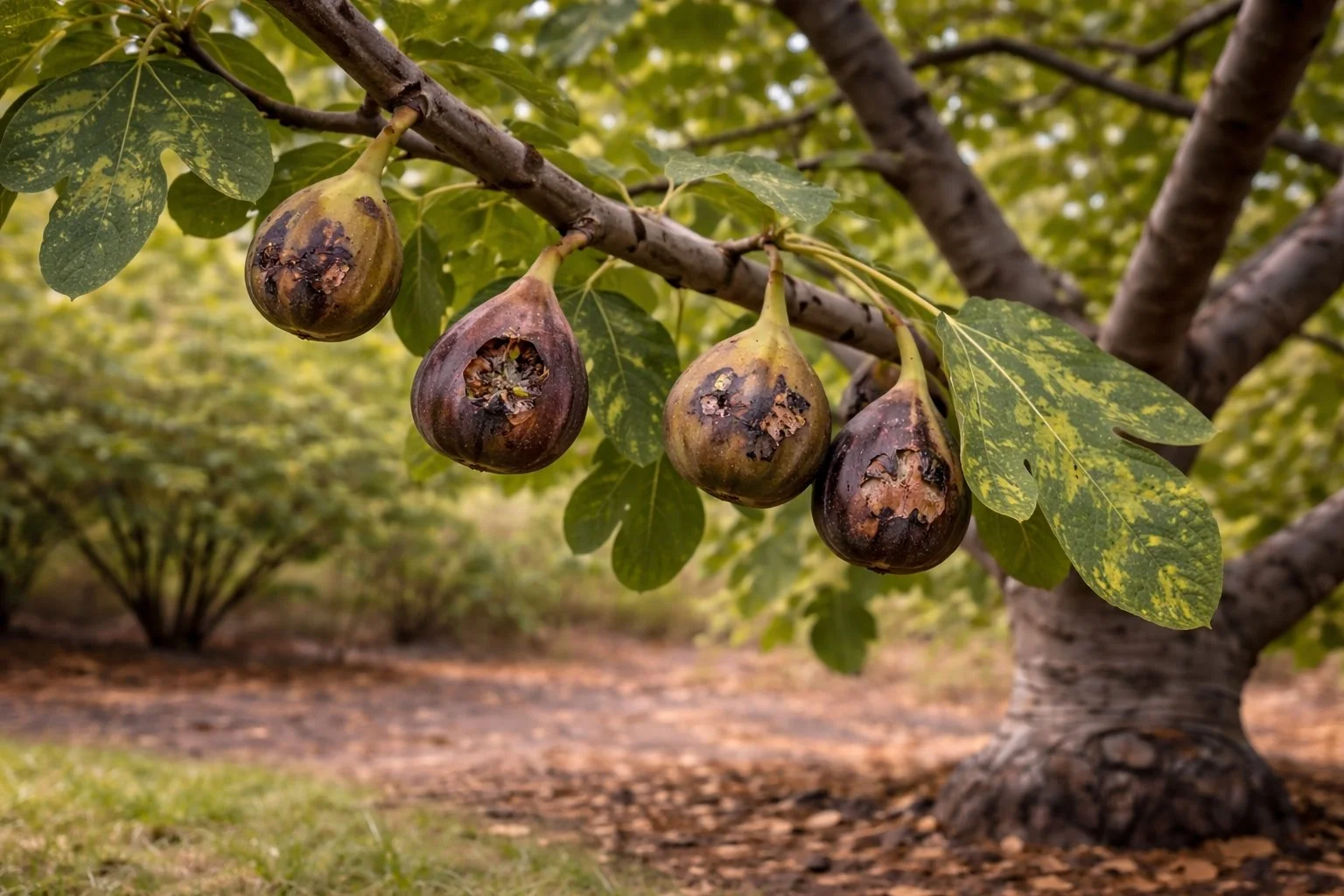
One of the most common sources of confusion in fig growing is the difficulty of distinguishing fungal disease from environmental stress. Leaf discoloration, spotting, drop, and reduced vigor are frequently attributed to infection, yet in many cases the underlying cause is weather, water imbalance, or site conditions rather than a pathogen. In Zone 7b, where figs experience warm, humid summers followed by periods of stress from heat or fluctuating moisture, environmental factors often drive symptoms that closely resemble disease.
This article helps growers separate true fungal problems from stress responses by focusing on patterns, timing, and context. Understanding this distinction prevents unnecessary treatments and encourages responses that actually support tree health.
Why Fig Trees Blur the Line Between Disease and Stress
Fig trees are adaptable but expressive. They respond quickly to changes in their environment, often by shedding leaves or altering growth patterns. These responses can look pathological even when they are protective. When stress triggers symptoms that mimic disease, growers may assume infection and respond with treatments that do not address the real issue.
In Zone 7b, figs regularly experience overlapping stressors, including heat, humidity, inconsistent rainfall, and occasional drought. These conditions interact in ways that make diagnosis based on appearance alone unreliable.
What True Fungal Disease Looks Like Over Time
True fungal disease tends to follow a predictable progression. Symptoms appear under conditions favorable to fungal growth, often during extended periods of warmth and moisture. They may begin in specific areas of the canopy where airflow is limited and gradually spread if conditions remain favorable.
However, even when fungal pathogens are present, fig trees often tolerate them well. Leaf diseases frequently peak and then stabilize or decline as weather patterns change, without intervention.
Environmental Stress as a Primary Driver of Symptoms
Environmental stress often produces sudden or widespread symptoms that do not follow a classic disease progression. Heat stress may cause rapid leaf yellowing or drop during hot spells. Water stress, whether from drought or saturation, can result in wilting, discoloration, or premature defoliation. Nutrient imbalances may cause mottling or uneven coloration that resembles infection.
In many cases, these symptoms appear quickly and resolve just as quickly once conditions improve, distinguishing them from persistent disease.
The Role of Humidity and Leaf Wetness
Humidity is a critical factor in both fungal expression and stress responses. Prolonged leaf wetness creates conditions favorable to fungal growth while also impairing gas exchange and normal leaf function. In Zone 7b, morning dew, frequent rain, and dense canopies often combine to keep leaves wet for extended periods.
When symptoms coincide with periods of high humidity and improve during drier intervals, environmental conditions are often the primary driver.
Timing as a Diagnostic Tool
The timing of symptom appearance provides valuable clues. Environmental stress often produces symptoms during extreme weather events or sudden changes, such as heat waves or heavy rainfall. Fungal disease typically develops more gradually and may follow seasonal patterns year after year.
Symptoms that appear late in the season, particularly after fruiting, are often less concerning and may represent normal senescence rather than disease.
Distribution Patterns Within the Tree
Environmental stress often affects the entire tree or large sections simultaneously. Fungal disease, by contrast, may begin in shaded, lower, or interior portions of the canopy where moisture persists. Observing where symptoms appear helps clarify their origin.
Uniform symptoms across multiple trees may point to environmental causes, while localized patterns suggest site-specific factors or disease.
Why Misdiagnosis Leads to Over-Treatment
When stress symptoms are mistaken for disease, growers often apply treatments that do not address the underlying problem. Fungicides cannot correct poor drainage, improve airflow, or moderate temperature extremes. Repeated treatment without improvement increases frustration and may weaken the tree further.
Recognizing stress-related symptoms allows growers to focus on structural solutions rather than reactive control.
Structural Factors That Influence Both Stress and Disease
Orchard design plays a decisive role in both fungal disease and environmental stress. Poor spacing limits airflow, increasing humidity and disease pressure. Inadequate drainage exacerbates root stress and mimics disease symptoms. Excessive fertility promotes lush growth that retains moisture and attracts problems.
Addressing these factors often resolves both stress and disease simultaneously.
The Self-Limiting Nature of Many Fig Issues
Many fig-related symptoms are self-limiting. As weather changes, canopies open through growth or pruning, and trees adjust to conditions, symptoms often stabilize or disappear. Fig trees are particularly adept at shedding affected leaves and regenerating healthy growth.
Understanding this self-correcting tendency encourages patience and reduces unnecessary intervention.
When Fungal Disease Truly Matters
While many fungal issues are cosmetic, there are situations where disease deserves attention. Persistent early-season defoliation, repeated annual decline, or disease affecting young or newly established trees may warrant closer evaluation. In such cases, improving environmental conditions remains the primary response, with treatment considered only when necessary.
The focus should remain on supporting the tree rather than eliminating every trace of disease.
Emotional Triggers and Visual Bias
Leaf symptoms trigger emotional responses because they are visible and immediate. Humans are naturally inclined to act when something looks wrong. Recognizing this bias helps growers pause and evaluate context before responding.
Confidence grows as patterns become familiar and outcomes predictable.
Observation as the Core Skill
Distinguishing fungal disease from environmental stress requires observation over time rather than single snapshots. Watching how symptoms evolve across days, weeks, and seasons provides insight that no one-time inspection can offer.
Experienced fig growers rely on trend recognition rather than instant diagnosis.
Long-Term Orchard Perspective
Over multiple seasons, most growers observe recurring patterns tied to weather rather than disease progression. Trees that look poor one year often perform well the next. This long-term perspective reduces anxiety and fosters better decision-making.
Environmental stress is a constant variable in Zone 7b, not an anomaly.
The Takeaway
Fungal disease and environmental stress often look alike in fig trees, especially in Zone 7b’s challenging climate. By focusing on timing, distribution, and context, growers can distinguish between the two and respond appropriately. Most symptoms reflect temporary stress rather than serious disease, and the most effective solutions are structural and preventive. Calm observation, rather than immediate treatment, remains the most reliable tool for managing fig health.
This article is part of the complete guide to Pests & Diseases of Fig Trees in Zone 7b.
Related reading:
Fig Rust: Causes, Prevention, and Treatment
Preventative Orchard Hygiene Practices
When to Treat — and When to Leave the Tree Alone
