Pests & Diseases of Fig Trees in Zone 7b
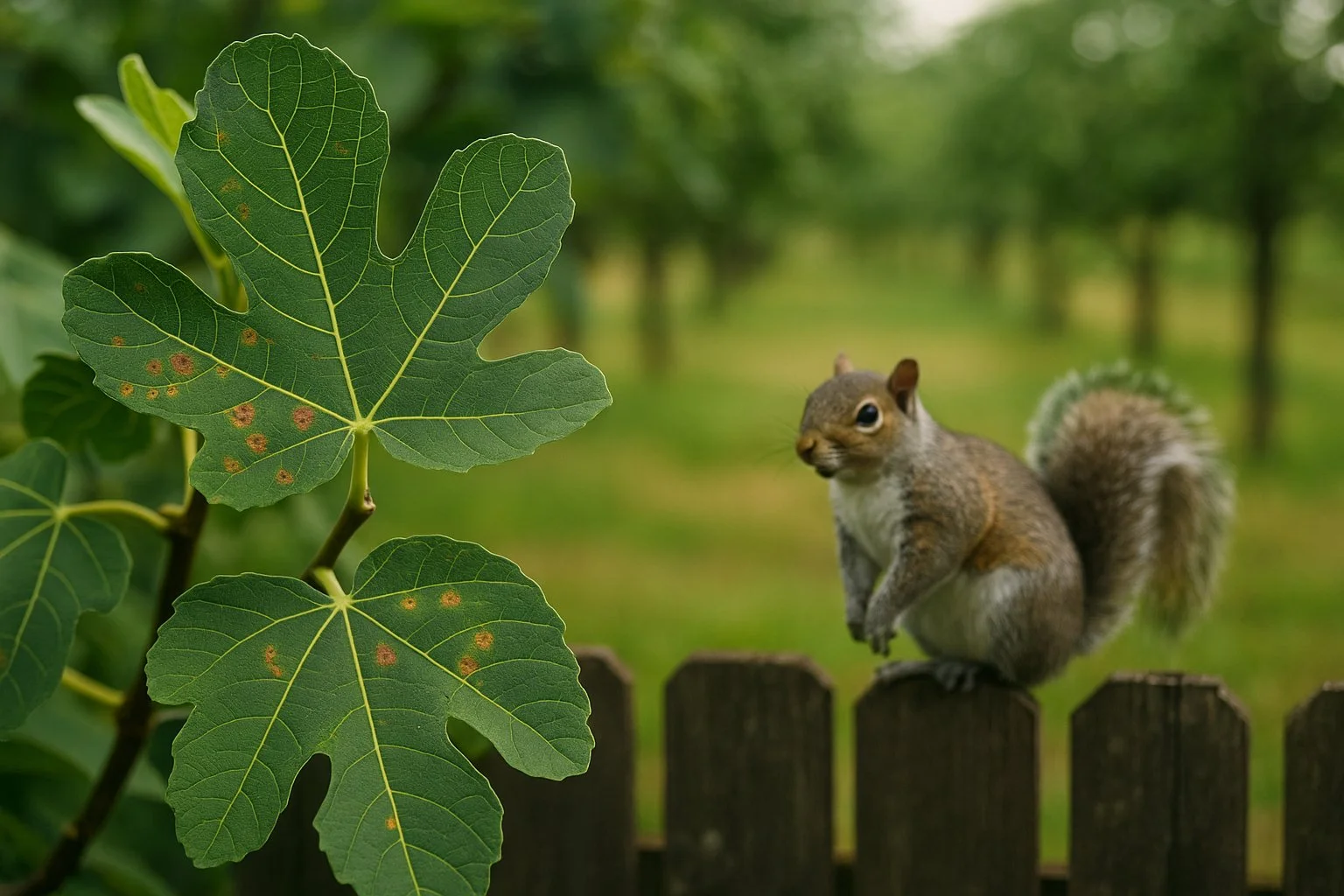
Calm Diagnosis, Clear Judgment, and Knowing When to Intervene
Introduction
Fig trees are frequently misunderstood when it comes to pests and diseases. Leaves develop spots, insects appear on foliage, fruit drops unexpectedly, and growers often assume something has gone wrong. In reality, most fig trees experience minor pest pressure or disease symptoms at some point, especially in Zone 7b where humidity, temperature swings, and seasonal stress are part of the growing environment. The presence of a symptom does not automatically indicate a serious problem, and in many cases, intervention causes more harm than the original issue.
This pillar article is designed to establish a calm, diagnostic framework for understanding pests and diseases in fig trees. Its purpose is not to provide treatments or step-by-step solutions, but to help growers decide what matters, what does not, and when action is truly warranted. Each specific pest or disease referenced here is explored in detail in the supporting articles beneath this pillar.
Why Most Fig Problems Are Not Emergencies
Figs are resilient trees with a remarkable ability to tolerate damage. They can lose leaves late in the season, experience insect feeding, or show cosmetic disease symptoms and still recover fully the following year. Many problems that appear alarming at first glance have little impact on long-term tree health or fruit production. Treating every visible issue as an emergency often leads to unnecessary spraying, increased stress on the tree, and disruption of beneficial organisms in the orchard.
In Zone 7b, where weather patterns change rapidly, many symptoms resolve on their own as conditions shift. Learning to observe rather than react is one of the most valuable skills a fig grower can develop.
Pest, Disease, or Environmental Stress
Correct diagnosis begins by understanding that not all damage is caused by pests or disease. Environmental stress, such as heat, drought, excess moisture, poor drainage, or nutrient imbalance, frequently produces symptoms that mimic disease. Insects are often attracted to stressed tissue rather than being the primary cause of decline, and fungal issues commonly follow periods of prolonged leaf wetness rather than appearing spontaneously.
Context matters. Recent weather, irrigation practices, soil conditions, pruning history, and overall tree vigor provide critical clues. Addressing symptoms without understanding their underlying cause rarely leads to lasting improvement.
Cosmetic Damage Versus Functional Damage
One of the most important distinctions in fig pest and disease management is the difference between cosmetic damage and functional damage. Cosmetic damage affects appearance but does not interfere with photosynthesis, vascular function, or fruit development. Functional damage, by contrast, disrupts the tree’s ability to grow, ripen fruit, or survive winter conditions.
Most fig leaf diseases and minor insect feeding fall into the cosmetic category. While they may look dramatic, they rarely justify intervention. Functional damage is less common and should be the primary threshold for concern.
The Role of Humidity and Airflow in Zone 7b
Humidity plays a central role in pest and disease expression in Zone 7b fig orchards. Warm, moist conditions encourage fungal growth and slow leaf drying, while stagnant air allows problems to persist. Orchard design decisions such as spacing, row orientation, and pruning have a greater influence on disease pressure than most treatments.
Improved airflow often resolves issues naturally, either by reducing moisture retention or by shifting the microclimate around the tree. Structural prevention consistently outperforms reactive control.
Insects as Indicators Rather Than Enemies
The presence of insects on fig trees does not automatically indicate a problem. Many insects feed opportunistically on leaves without causing meaningful harm, while others are beneficial predators that help regulate pest populations. In fig orchards, insect activity often signals excessive vegetative growth, high nitrogen availability, poor airflow, or overripe fruit rather than an urgent infestation.
Intervention should be based on the impact insects have on tree health and fruit production, not on their mere visibility.
Common Leaf and Fungal Issues: A Diagnostic View
Leaf spotting and fungal symptoms are among the most commonly reported fig problems in Zone 7b. These issues typically appear during periods of high humidity and primarily affect foliage rather than woody tissue or roots. In most cases, they are seasonal, self-limiting, and cosmetic in nature.
Understanding that many fungal issues resolve as weather conditions change helps prevent unnecessary treatment. Detailed identification and management of specific diseases are addressed in the supporting articles linked beneath this pillar.
Soil and Root Problems That Mimic Disease
Symptoms such as yellowing leaves, reduced vigor, and dieback are frequently attributed to disease when the underlying cause lies below ground. Poor drainage, compacted soil, root restriction, or nematode pressure can all produce above-ground symptoms that resemble infection. Because figs are tolerant trees, root problems often progress quietly before becoming obvious.
Evaluating soil conditions, planting depth, and water movement is essential when symptoms persist or worsen over time.
Fruit Disorders Versus Pathogens
Not all fruit loss is caused by pests or disease. Splitting, souring, and premature drop are often the result of moisture imbalance, uneven ripening, or environmental stress rather than true infection. Misidentifying these disorders leads to ineffective treatments and continued frustration.
Fruit-related issues are best evaluated through the lens of irrigation practices, harvest timing, and orchard design rather than assuming the presence of a pathogen.
Wildlife as a Primary Crop Threat
In many fig orchards, the most significant losses come not from insects or disease, but from wildlife such as birds, squirrels, deer, and other animals. These pressures are structural challenges that require physical solutions like fencing, exclusion, or harvest timing adjustments. Chemical treatments have no role in managing wildlife damage and often distract from effective prevention strategies.
Prevention Through Orchard Design and Hygiene
The most effective pest and disease management strategies are preventive and structural. Proper spacing and pruning improve airflow and allow foliage to dry quickly after rain or dew, reducing conditions that favor disease development. Regular sanitation, including the removal of fallen fruit and decaying plant material, limits the buildup of pests and pathogens. Using clean tools and containers prevents the spread of disease between trees, while avoiding overhead irrigation reduces prolonged leaf wetness. Together, these practices lower overall pressure across the orchard and protect tree health without constant intervention.
Thresholds: When to Treat and When to Leave the Tree Alone
Treatment should be the exception rather than the default response. Intervention is justified only when damage begins to threaten the structural health of the tree, when fruit loss becomes persistent and meaningful, or when the same problem repeats across multiple seasons despite good orchard management. Most fig problems resolve naturally as stress diminishes or conditions change.
The most important skill in pest and disease management is knowing when patience is appropriate and when action is necessary.
How the Supporting Articles Fit Together
This pillar article provides the diagnostic framework for understanding pests and diseases in fig trees. Each supporting article beneath it addresses a specific condition, organism, or decision point in greater depth, allowing growers to explore details only when they are relevant. The pillar serves as the map, while the supporting articles provide the tools.
The Takeaway
Healthy fig orchards are not free of pests or disease. They are balanced systems where trees tolerate minor stress, recover naturally, and thrive without constant intervention. In Zone 7b, calm observation, accurate diagnosis, and restraint protect fig trees more effectively than aggressive treatment. Judgment, not reaction, is the foundation of successful fig growing.
