Fertilizing In-Ground Fig Trees in Zone 7b: Timing and Rates
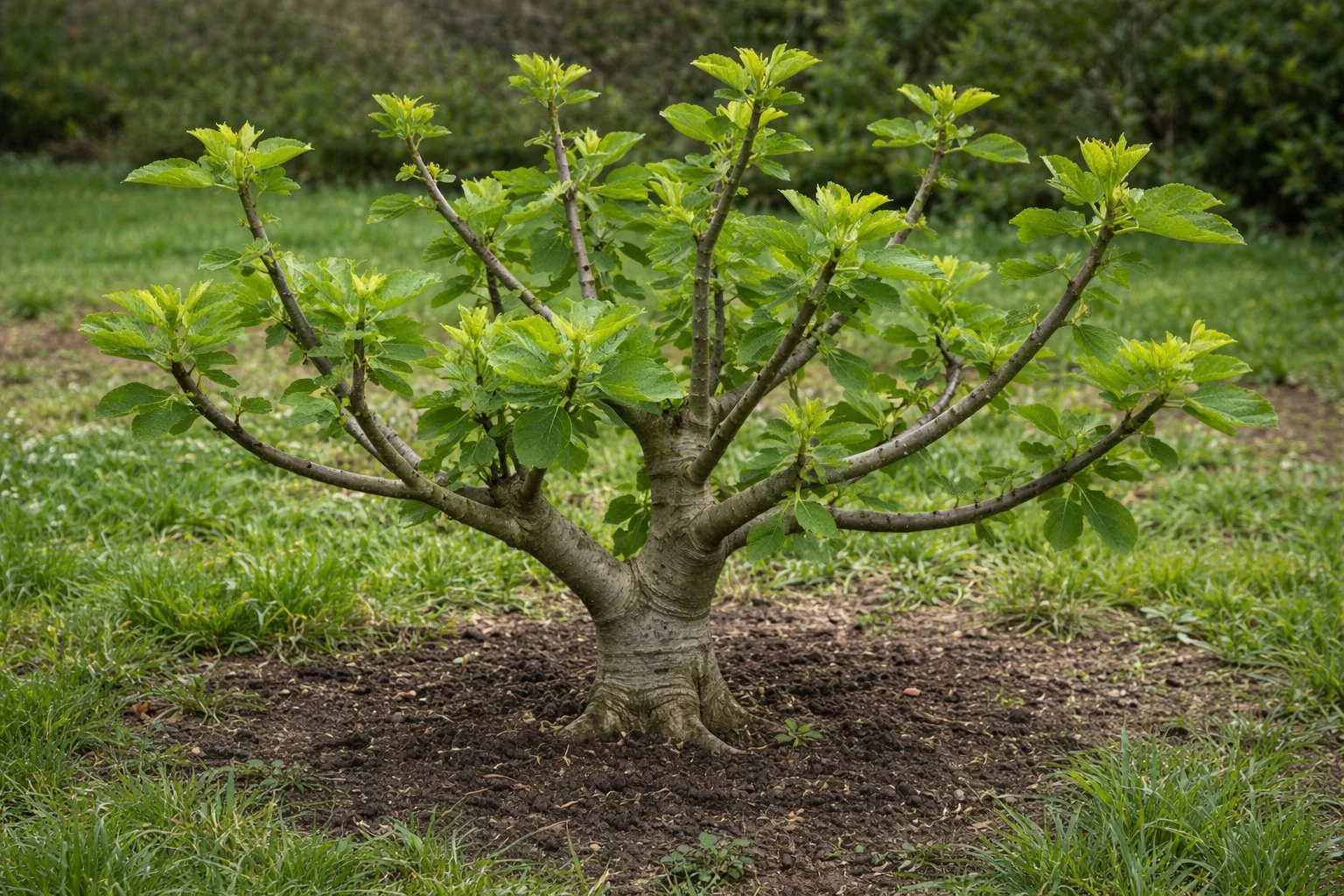
In-ground fig trees behave very differently from container figs when it comes to fertilization. Their roots explore a much larger soil volume, interact with soil biology, and buffer mistakes more effectively. For this reason, in-ground figs in Zone 7b usually require far less fertilizer — and far more restraint — than many growers expect.
The goal is not to push growth, but to support steady development that aligns with the growing season and prepares the tree for winter.
Why In-Ground Figs Need Less Fertilizer
Established in-ground fig trees access nutrients through natural soil cycling, organic matter breakdown, and microbial activity. Even in relatively poor soils, this system often supplies enough nutrition to sustain growth and fruiting without intervention.
When fertilizer is added unnecessarily, in-ground figs tend to respond with excessive vegetative growth rather than improved yield. This imbalance increases pruning demands, delays fruiting maturity, and raises the risk of winter dieback.
For most established trees, fertilization should correct a limitation — not compensate for impatience.
Timing Is More Important Than Quantity
In Zone 7b, timing determines whether fertilization helps or harms. Early-season feeding, once growth has clearly begun, supports shoot development and fruit set. Late-season feeding interferes with dormancy preparation.
Fertilizer applied after mid-summer often encourages soft, late growth that fails to harden before fall. This tender wood is far more vulnerable to cold damage, even in otherwise mild winters.
In-ground figs benefit most from nutrition applied early, then allowed to taper naturally as the season progresses.
Young Trees vs Established Trees
Newly planted fig trees may benefit from light fertilization during their establishment phase, but restraint remains essential. Encouraging aggressive top growth before roots are fully established creates instability and stress.
Once figs are established, fertilization should become minimal and intentional. Many mature trees perform best with no annual fertilizer at all, especially when organic matter is maintained through mulching.
Reading Growth Instead of Following Schedules
Calendar-based feeding schedules rarely align with fig behavior. Instead, growth patterns provide better guidance. Healthy in-ground figs show steady early shoot extension, moderate leaf size, and timely hardening as summer progresses.
When growth appears weak, sparse, or delayed — especially after pruning or winter damage — targeted nutrition may help. When growth is already vigorous, fertilization is more likely to create problems than solve them.
Typical Rates Are Lower Than Expected
When fertilizer is used, modest rates outperform heavy applications. Figs do not respond well to high nitrogen levels, and excessive feeding often reduces fruit quality rather than increasing yield.
In many cases, a single early-season application or light, slow nutrient release is sufficient. Repeated feeding is rarely necessary for in-ground trees.
Soil Quality Shapes Fertilization Needs
Soil texture and organic matter content influence how figs respond to fertilization. Sandy soils may require occasional supplementation because nutrients leach quickly. Heavier soils with good organic matter often need none.
Improving soil structure through compost and mulch often provides greater benefit than direct fertilization.
The Takeaway
In-ground fig trees in Zone 7b require far less fertilizer than container figs, and often less than growers expect. Early, modest nutrition supports healthy growth, while late or excessive feeding increases winter risk. When fertilization follows growth patterns rather than calendars, figs remain balanced, productive, and resilient year after year.
For a complete, season-by-season guide to feeding fig trees correctly, see our full fertilization guide here.
