Do Fig Trees Really Need Fertilizer? When, Why, and How Much
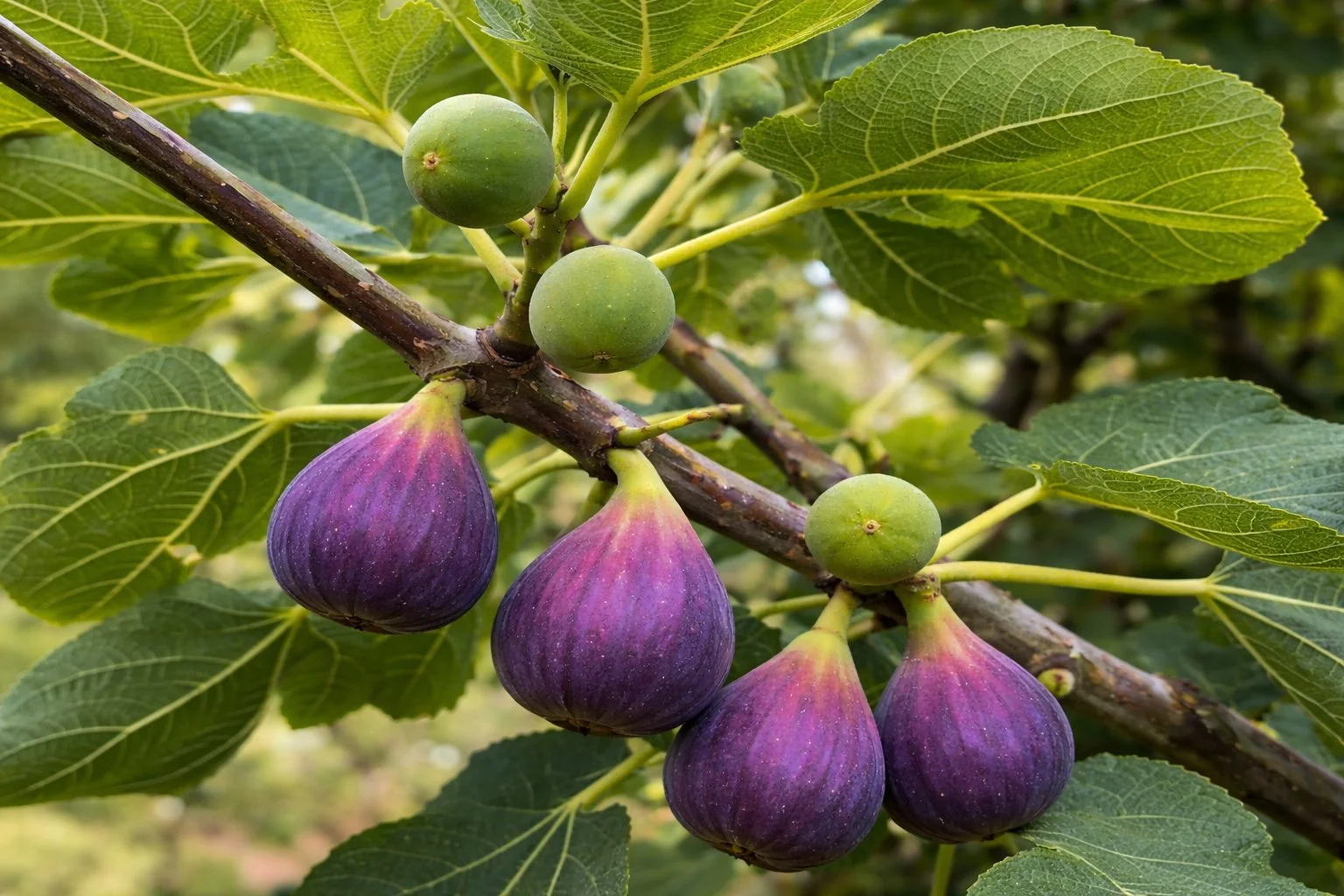
Fig trees are often described as low-maintenance plants that “don’t need fertilizer,” and in a narrow sense, that claim can be true. Figs will survive and even produce fruit in relatively poor soils, especially once established. But survival and long-term productivity are not the same thing. Whether a fig tree needs fertilizer depends less on ideology and more on context: soil type, planting method, tree age, growth goals, and management style all matter.
Understanding when fertilization helps — and when it hurts — is the key to growing figs that remain healthy, productive, and structurally balanced year after year.
Why Figs Have a Reputation for Needing Little Fertilizer
Fig trees evolved to thrive in marginal soils with intermittent water and limited nutrients. They prioritize root exploration and rapid vegetative growth when conditions allow, which gives them resilience in poor environments. In-ground figs with access to deep, biologically active soil can often meet their basic nutrient needs through natural cycling alone.
This adaptability has led many growers to avoid fertilization entirely, especially after seeing excessive growth caused by overfeeding. But the takeaway should not be “never fertilize figs.” It should be “fertilize only when it serves a purpose.”
The Difference Between Survival and Intentional Growth
A fig tree that receives no fertilizer may survive for decades, but that does not mean it is growing optimally. Intentional fertilization is about steering growth, not forcing it. Proper nutrition supports balanced canopy development, consistent fruiting wood, recovery after pruning, and resilience following stress.
When nutrient availability is too low, figs may show reduced shoot extension, small or sparse leaves, delayed fruit set, or weak regrowth after winter dieback. These signs often appear gradually, which is why nutrient stress is easy to overlook.
Containers Change Everything
Container-grown fig trees are the clearest example of when fertilization becomes necessary. Unlike in-ground trees, containers have a fixed volume of soil. Nutrients are depleted quickly and flushed out with regular watering. Even the best soil mix cannot supply long-term nutrition without supplementation.
In containers, fertilizer is not an optional enhancement — it is part of basic care. Without it, growth stalls, fruiting declines, and the tree becomes increasingly sensitive to stress. This is why container figs respond so immediately to feeding decisions, both good and bad.
Tree Age and Establishment Phase Matter
Young fig trees, especially in their first one to two years, have different nutritional needs than mature trees. Newly planted figs focus on root establishment first. Heavy fertilization during this phase can encourage excessive top growth before roots are ready to support it, leading to instability and winter vulnerability.
Once a fig is established, moderate nutrition supports structural development and fruiting without pushing soft, late-season growth. The goal is steady, controlled vigor — not rapid expansion.
When Fertilizer Helps and When It Hurts
Fertilizer helps when it corrects a limitation. It hurts when it overrides the tree’s natural balance. Excess nitrogen is the most common problem, producing long, weak shoots, reduced fruiting, delayed dormancy, and increased winter damage.
On the other hand, a complete absence of nutrients can leave figs underpowered, especially in sandy soils, containers, or heavily pruned trees that need to rebuild structure.
The right question is not “Should I fertilize?” but “What outcome am I trying to support?”
Reading the Tree Instead of the Calendar
Figs communicate their needs clearly through growth patterns. Healthy figs produce steady shoot growth early in the season, set fruit without excessive leaf mass, and harden growth before fall. When these patterns break down, nutrition is often part of the equation.
Fertilization decisions should respond to observed growth, not fixed schedules. A fig that is already growing vigorously does not need encouragement. A fig struggling to rebuild after pruning or winter damage may benefit from targeted support.
How Much Is Usually Enough
Most fig trees require far less fertilizer than many fruit crops. Light, timely feeding almost always outperforms heavy applications. In many cases, a single early-season feeding or slow, steady nutrient release is sufficient.
More fertilizer does not mean more fruit. In figs, it often means more problems.
The Takeaway
Fig trees do not automatically need fertilizer, but they do benefit from thoughtful nutrition when conditions limit natural soil support. Containers, poor soils, recovery periods, and specific growth goals all justify careful feeding. When fertilizer is used as a steering tool rather than a growth accelerator, figs remain balanced, productive, and resilient for the long term.
For a complete, season-by-season guide to feeding fig trees correctly, see our full fertilization guide here.
