When to Stop Fertilizing Fig Trees Before Winter (And Why It Matters)
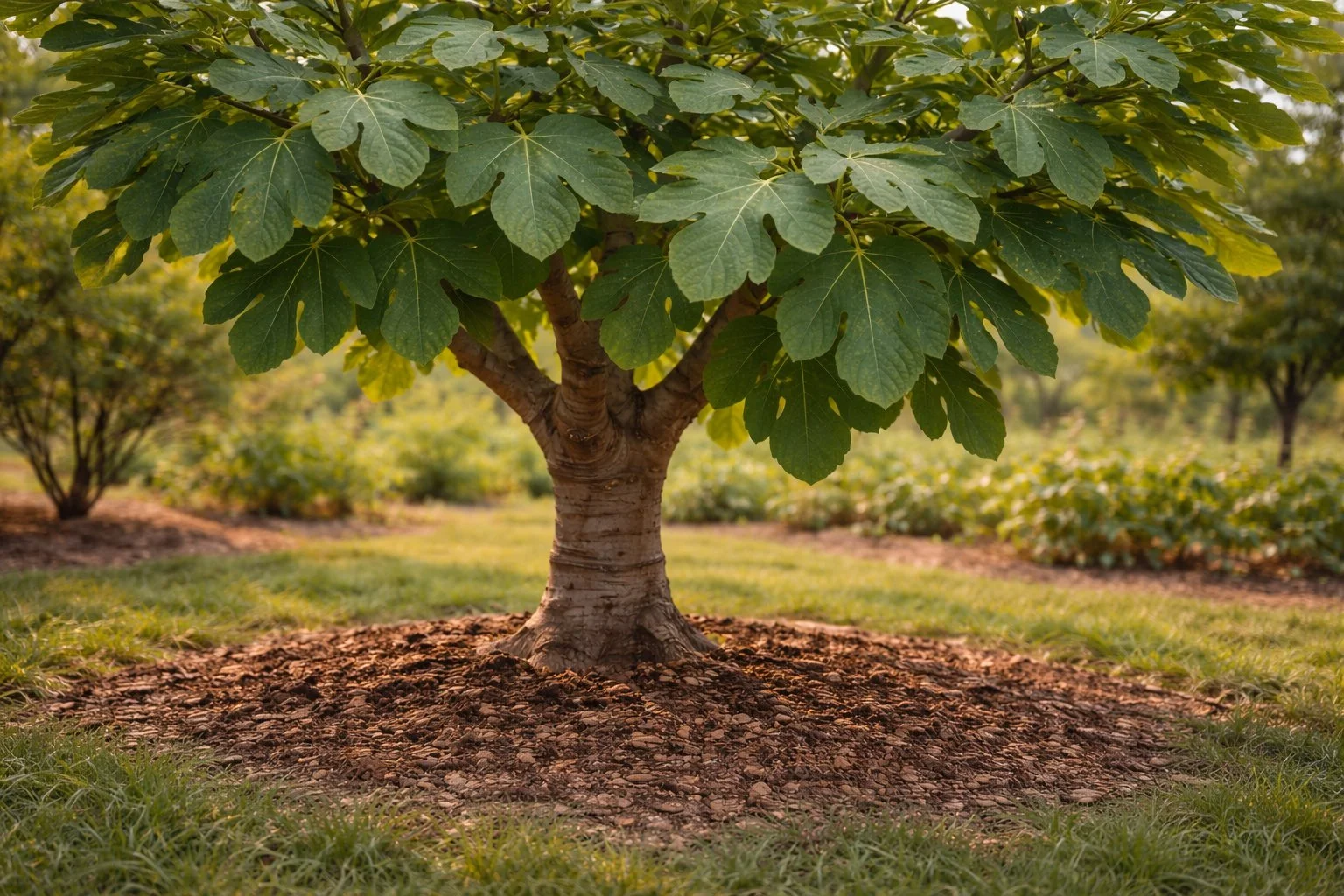
Knowing when to fertilize fig trees is only half the equation. Knowing when to stop matters just as much — and often more. Late-season fertilization is one of the most common contributors to winter damage, delayed dormancy, and excessive dieback in spring. Even well-intentioned feeding can undermine cold resilience if it extends growth beyond the tree’s natural hardening window.
For figs, stopping at the right time protects everything you worked to build earlier in the season.
Why Late Fertilization Increases Winter Risk
Fertilizer, especially nitrogen, signals growth. When nutrients remain readily available late in the season, fig trees continue producing soft, actively growing tissue instead of shifting toward dormancy. This tender growth does not harden properly and is far more vulnerable to cold, even during moderate winters.
Late growth also interferes with carbohydrate storage. Instead of consolidating energy in woody tissue and roots, the tree diverts resources into new shoots that are unlikely to survive winter.
Growth Behavior Tells You When to Stop
Figs do not rely on calendars — they respond to conditions. As days shorten and temperatures moderate, healthy fig trees naturally slow shoot extension. Leaves remain functional, but growth becomes incremental rather than expansive.
Fertilization should taper before this slowdown ends. If feeding continues while growth is still vigorous, the tree receives conflicting signals that delay dormancy preparation.
Containers Need an Earlier Cutoff
Container-grown fig trees require an earlier fertilization cutoff than in-ground trees. Containers stay warmer longer, and roots remain active later into the season. This extended activity makes late fertilization especially risky.
Stopping container fertilization earlier allows growth to settle, shoots to firm up, and roots to transition gradually rather than being pushed late by nutrient availability.
In-Ground Trees Are Not Immune
In-ground figs buffer nutrients more effectively, but they are not immune to late feeding. Nitrogen applied in mid to late summer often produces a flush of growth that looks healthy at first but fails to survive winter intact.
This is especially problematic in Zone 7b, where fall temperatures fluctuate. Late-fed trees may remain physiologically active during warm spells, then suffer damage when temperatures drop abruptly.
Organic Inputs Still Count as Fertilizer
Organic fertilizers, compost teas, and rich amendments still supply nutrients. While they release more slowly, they can continue feeding trees later than intended if applied too late in the season.
Organic inputs should follow the same seasonal logic as synthetic fertilizers. “Natural” does not mean seasonally neutral.
What Happens When You Stop at the Right Time
When fertilization ends at the proper point, fig trees shift naturally into hardening mode. Shoots lignify, buds set more securely, and roots store energy instead of expanding. Leaves may remain green for a time, but growth energy is redirected inward.
This transition improves winter survival, reduces dieback, and produces stronger, more predictable spring regrowth.
Recovery After Late Fertilization Mistakes
If late fertilization has already occurred, restraint becomes the best remedy. Avoid further feeding, manage water carefully, and allow the tree to settle as conditions cool. Aggressive correction rarely helps and often worsens stress.
Observing dieback patterns in spring provides valuable feedback for adjusting timing the following year.
The Takeaway
Stopping fertilization on time is one of the most effective ways to protect fig trees through winter. Late feeding delays dormancy, weakens wood, and increases cold damage risk. When nutrition tapers naturally with the season, figs enter winter better prepared and emerge stronger in spring.
For a complete, season-by-season guide to feeding fig trees correctly, see our full fertilization guide here.
