Why Late-Season Fig Varieties Fail in Zone 7b
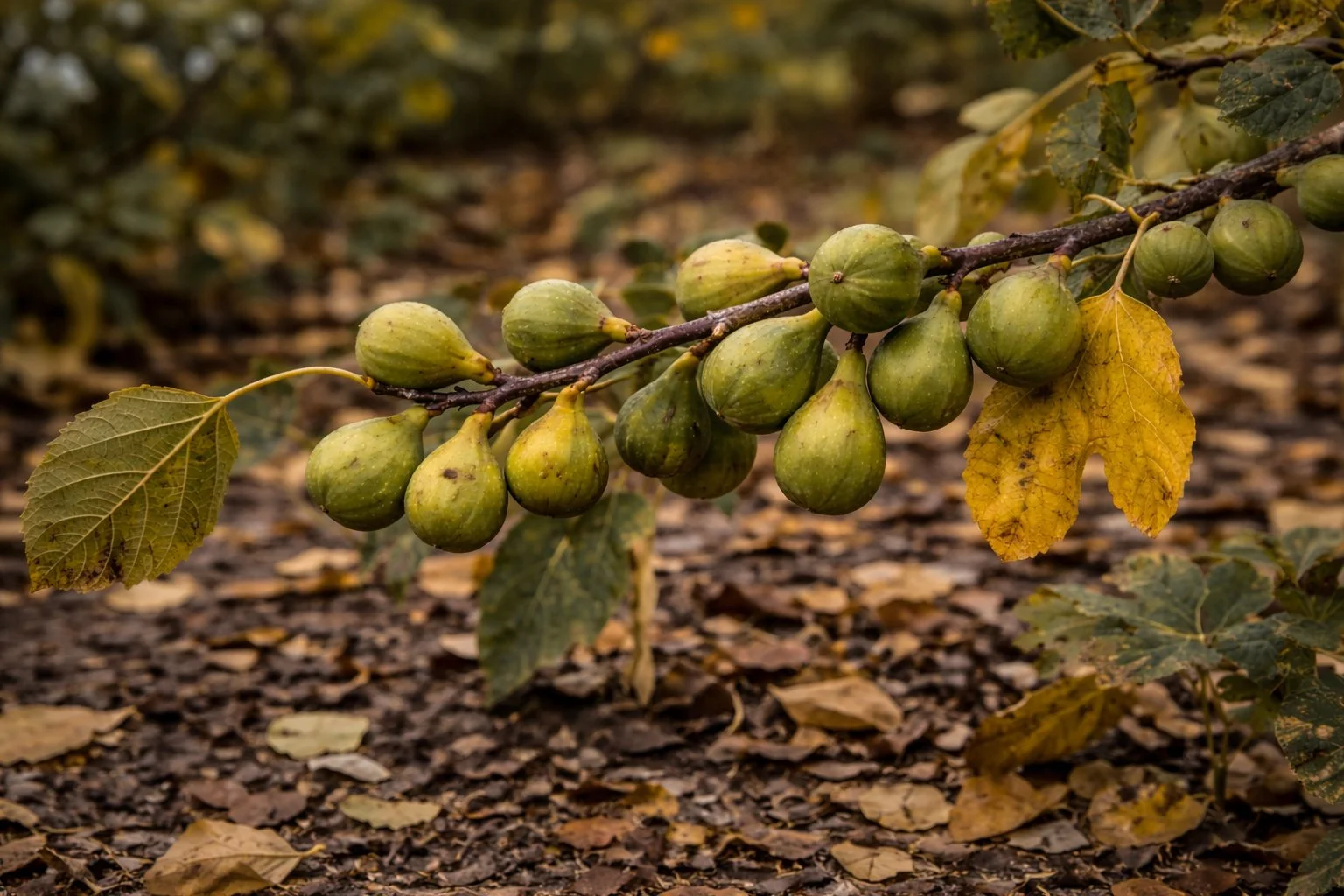
Late-season fig varieties are often the most tempting—and the most disappointing—in Zone 7b. These figs may produce vigorous growth, heavy fruit set, and beautiful trees, yet still fail to deliver ripe fruit before frost. Understanding why this happens helps growers avoid costly mistakes and make realistic decisions about which figs belong in unprotected ground, which require intervention, and which are better left for warmer climates.
This topic fits into the broader framework of Fig variety selection for Zone 7b, where cold tolerance, ripening windows, and long-term reliability are considered together.
The Calendar Is the Real Limiting Factor
Zone 7b provides plenty of summer heat, but the season length is finite. After winter, fig trees must leaf out, grow shoots, initiate fruit, size figs, and complete ripening—often before mid-October. Late-season figs simply require more time than the climate reliably provides.
Even in good years, late varieties often reach peak sweetness only when night temperatures are already dropping and ripening slows dramatically.
Winter Dieback Pushes Late Figs Out of Range
Late-season figs are especially sensitive to winter dieback. When fruiting wood is lost, the tree must rebuild structure before it can set figs. This resets the ripening clock weeks later than normal. Early and mid-season figs can absorb this delay; late figs usually cannot.
This is why a late fig may succeed one year and fail the next—even on the same tree in the same location.
Fruit Set Does Not Equal Ripening
A common misconception is that if a fig sets fruit, it will eventually ripen. In Zone 7b, many late figs set abundant fruit repeatedly but stall before reaching maturity. Cooler nights, reduced daylight, and fall rains all slow sugar accumulation and soften fruit prematurely.
The result is trees full of green or partially colored figs that never finish.
Breba Dependence Creates Additional Risk
Some late figs rely heavily on breba crops that form on older wood. When winter kills that wood, breba production disappears and the tree depends entirely on a late main crop. Without preserved wood, these varieties almost never ripen in Zone 7b.
This makes late breba-dependent figs particularly unreliable unless protection is used.
Heat Alone Is Not Enough
Growers often assume that hot summers compensate for late ripening. In practice, heat helps size fruit but does not replace the need for time. Ripening requires sustained warmth late in the season, when Zone 7b is already cooling.
Short bursts of summer heat cannot make up for a compressed fall.
When Late-Season Figs Can Work
Late figs are not impossible in Zone 7b, but they require deliberate strategies. Preserving several feet of fruiting wood through winter, using low tunnels or heat-retentive structures, and planting in strong microclimates can shift ripening earlier. Containers that allow overwintering in protected spaces offer the most control.
Without these measures, failure is the default outcome.
Choosing Realism Over Regret
Many growers persist with late figs for years, hoping for the “perfect season.” While those seasons do occur, they are unpredictable and rare. For most orchards, replacing late figs with earlier or mid-season varieties results in far more consistent harvests and less frustration.
Late figs should be treated as specialty projects, not foundation plantings.
Takeaway
Late-season fig varieties fail in Zone 7b not because they grow poorly, but because they run out of time. Winter dieback, delayed regrowth, cooling nights, and shortened fall seasons all work against them. Without preserved wood or season-extension strategies, most late figs will set fruit but never finish. Understanding this reality allows growers to plant intentionally—and harvest figs more often.
For a complete framework on choosing figs that actually succeed in this climate, see Fig Variety Selection for Zone 7b.
