How Preserved Wood Affects Fig Ripening
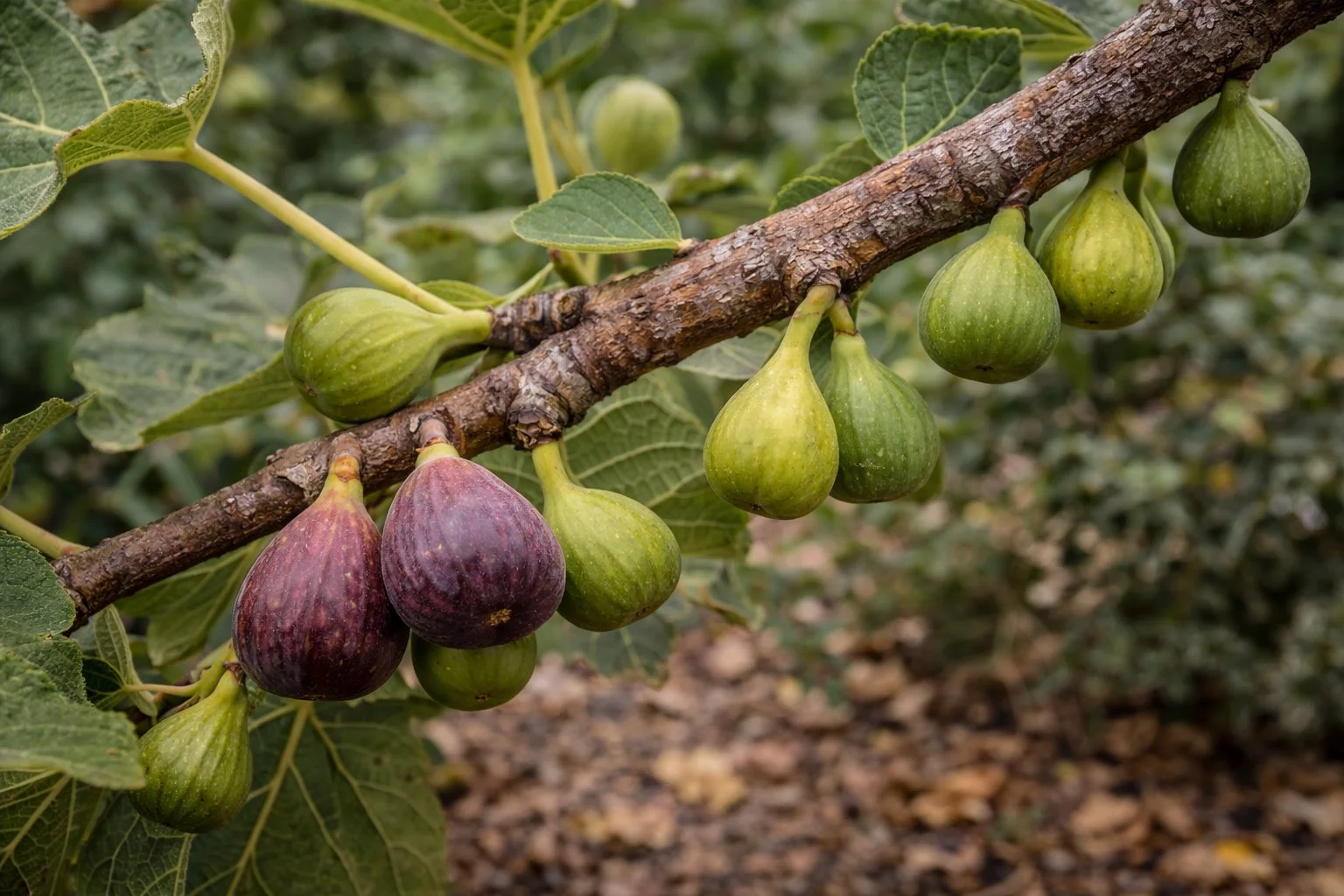
Preserved wood is one of the most powerful—and least understood—tools fig growers have in Zone 7b. While many figs can survive winter dieback, the difference between surviving and producing ripe fruit often comes down to how much living wood remains in spring. This article explains why preserved wood changes ripening timelines, which fig types benefit most, and when preservation truly matters.
This topic fits into the broader framework of Fig variety selection for Zone 7b, where cold tolerance, ripening windows, and long-term reliability are considered together.
What “Preserved Wood” Really Means
Preserved wood refers to living fig branches that survive winter intact, retaining dormant buds and fruiting nodes from the previous season. In Zone 7b, this typically means protecting two to four feet of above-ground growth from lethal cold. Even partial survival—just a section of scaffold or trunk—can significantly alter how the tree behaves the following season.
Preserved wood does not guarantee fruit, but it shortens the path to ripening.
Why Preserved Wood Accelerates Ripening
When wood survives winter, the fig tree bypasses the need to rebuild structure from the ground up. Buds on existing branches break earlier, shoots extend sooner, and fruit initiation happens weeks ahead of trees recovering from full dieback. This head start is often the difference between figs that finish in August and those that stall in October.
In Zone 7b, time—not heat—is the limiting factor.
New Growth vs Existing Wood: A Critical Difference
Figs fruit readily on new growth, but new shoots must first elongate, harden, and support fruit development. When all wood is lost, this process delays fruiting deep into the season. Preserved wood allows figs to set on earlier nodes, reducing the total time required from bud break to harvest.
This advantage compounds in years with cool springs or delayed leaf-out.
Fig Types That Benefit Most From Preserved Wood
Not all figs respond equally to wood preservation.
Berry and Adriatic-type figs often require preserved wood to ripen consistently in Zone 7b.
Breba-producing varieties depend heavily on older wood, making preservation critical for early harvests.
Late-season and elite figs may fail entirely without preserved wood but perform well when protection is used.
By contrast, early Mt. Etna and Celeste-type figs often ripen reliably even without preserved wood.
How Much Wood Is Enough?
Preserving just one or two feet of live wood can shift ripening noticeably earlier. Preserving three to four feet often turns marginal varieties into reliable producers. Beyond that, gains taper off unless breba production is a major goal.
This is why even modest protection—wraps, mulch cages, or low tunnels—can produce outsized benefits.
When Preserved Wood Does Not Solve the Problem
Preserved wood cannot overcome fundamental mismatches between variety and climate. Extremely late figs may still fail if ripening requirements exceed the season length. Preservation improves odds but does not eliminate risk.
Understanding these limits helps growers avoid overconfidence.
Preservation Strategies That Matter Most
The method matters less than the result. Whether through wraps, cages, tunnels, or containers, the goal is simple: keep wood alive long enough to advance fruiting. Dry insulation, wind protection, and soil warmth all contribute to success.
Choosing varieties because you plan to preserve wood—not the other way around—leads to better outcomes.
Takeaway
In Zone 7b, preserved wood shifts the entire fig timeline forward. It shortens recovery, accelerates fruit set, and increases the likelihood that figs finish ripening before fall. For mid-season, late, and flavor-focused varieties, preserved wood is often the difference between repeated disappointment and consistent harvests. Understanding when and how it matters allows growers to use winter protection strategically rather than reactively.
For a complete framework on choosing figs that actually succeed in this climate, see Fig Variety Selection for Zone 7b.
