Fig Tree Height Control: Keeping Figs Manageable
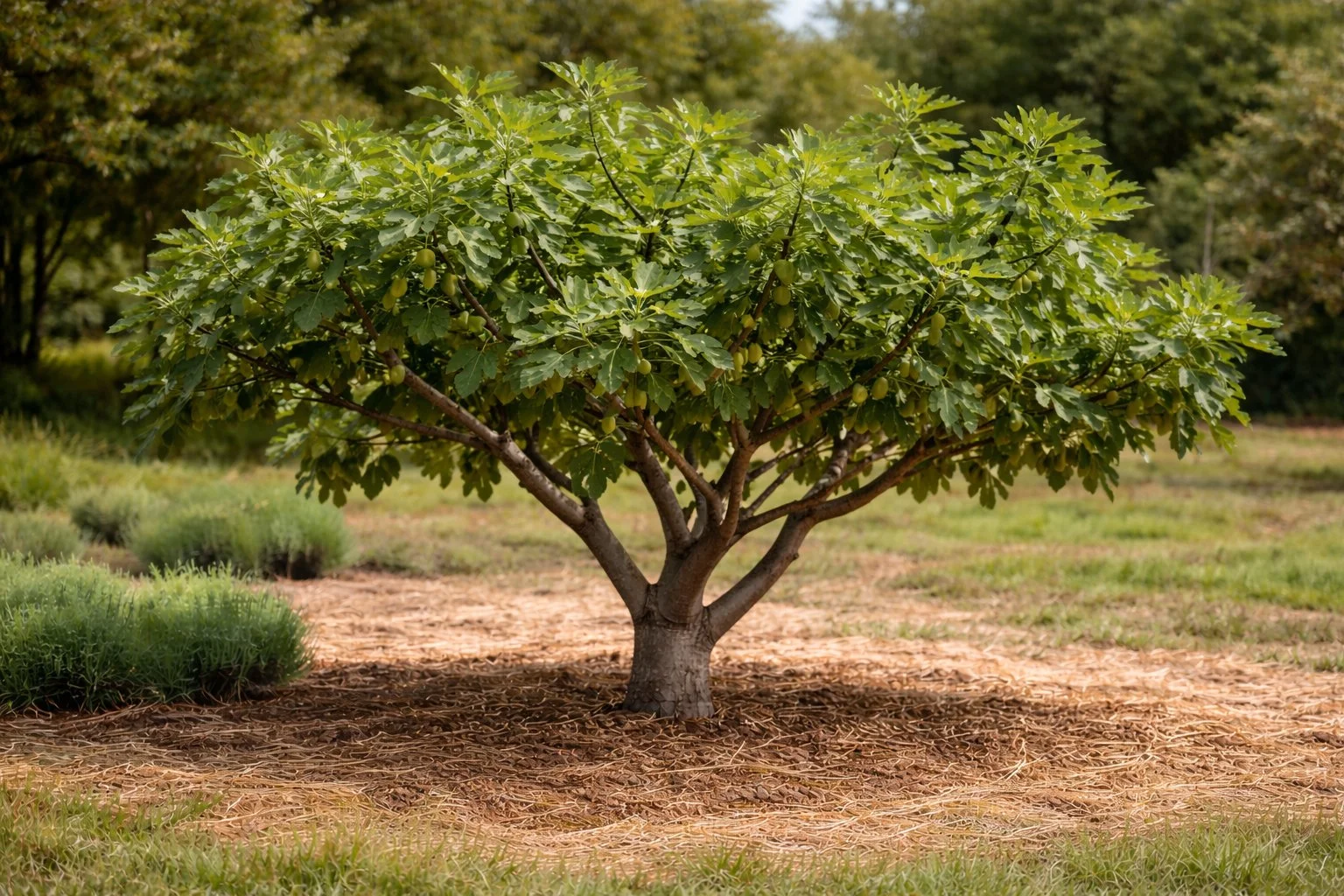
Fig trees are generous growers. Given space and favorable conditions, they will quickly reach heights that challenge harvesting, pruning, and winter protection. Height control is therefore not about limiting the tree’s potential, but about shaping that potential into a form that remains productive, accessible, and resilient over time. A well-managed fig at a comfortable height consistently outperforms a taller, unmanaged tree—not because it grows less, but because its energy is directed more intelligently.
Understanding why figs grow tall helps explain how to control them effectively. Figs naturally push vertical shoots in response to light competition and pruning wounds. When the upper canopy dominates, the tree prioritizes extension growth over lateral fruiting. This leads to long, whip-like branches with fruit set far above reach, while lower wood becomes shaded and less productive. Height control redirects this growth pattern, encouraging the tree to invest in horizontal structure where fruiting is strongest and management is easiest.
Timing is central to keeping figs at a workable height. Major height-setting cuts are best made during late winter or early spring, just before growth resumes. At this point, the tree’s energy is poised to respond, and cuts guide new growth rather than provoke chaos. Summer pruning can also play a role, particularly for removing overly vigorous shoots that threaten to exceed the desired height, but it must be done selectively to avoid stimulating excessive regrowth.
The most effective height control begins early. Young figs trained with a clear height limit adapt quickly, developing strong lateral scaffolds below the chosen cutoff. When a tree is allowed to grow tall for several years and then suddenly reduced, the response is often a flush of aggressive vertical shoots that complicate management. Gradual, consistent control produces calmer, more predictable growth. The tree learns where its ceiling is and redirects energy accordingly.
Technique matters as much as timing. Height control works best when cuts are made to outward-facing laterals rather than as blunt heading cuts. Redirecting growth into an existing branch preserves apical balance while preventing a burst of vertical replacements. This approach maintains fruiting wood and reduces the need for repeated corrections. Each cut should serve a structural purpose, reinforcing a canopy that spreads outward rather than upward.
Environmental goals also shape height decisions. In Zone 7b, height control is closely tied to winter protection. Trees kept within three to four feet of the ground are far easier to wrap, cage, or cover with tunnels. Preserving this manageable height increases the likelihood that last year’s wood survives winter, advancing fruiting and improving yields. Taller trees may look impressive in summer, but they often become liabilities when cold weather arrives.
Container-grown figs demand even stricter height discipline. Limited root volume naturally restricts growth, but without pruning, vertical dominance still develops. Keeping container figs compact improves stability, reduces wind stress, and allows the tree to allocate resources toward fruit rather than constant extension. Height control in containers is not restrictive—it is liberating, enabling the grower to maintain mature, productive trees in confined spaces for many years.
Height control is ultimately an ongoing conversation rather than a single intervention. Each season offers opportunities to refine structure, rebalance energy, and reinforce boundaries. When managed thoughtfully, a fig tree responds with calm, efficient growth and fruit that remains within easy reach. The result is not a smaller tree, but a better one—productive, accessible, and suited to the long-term realities of the grower’s climate and space.
For a complete, season-by-season approach to shaping healthy, productive fig trees, see Pruning & Training for Structure and Yield.
