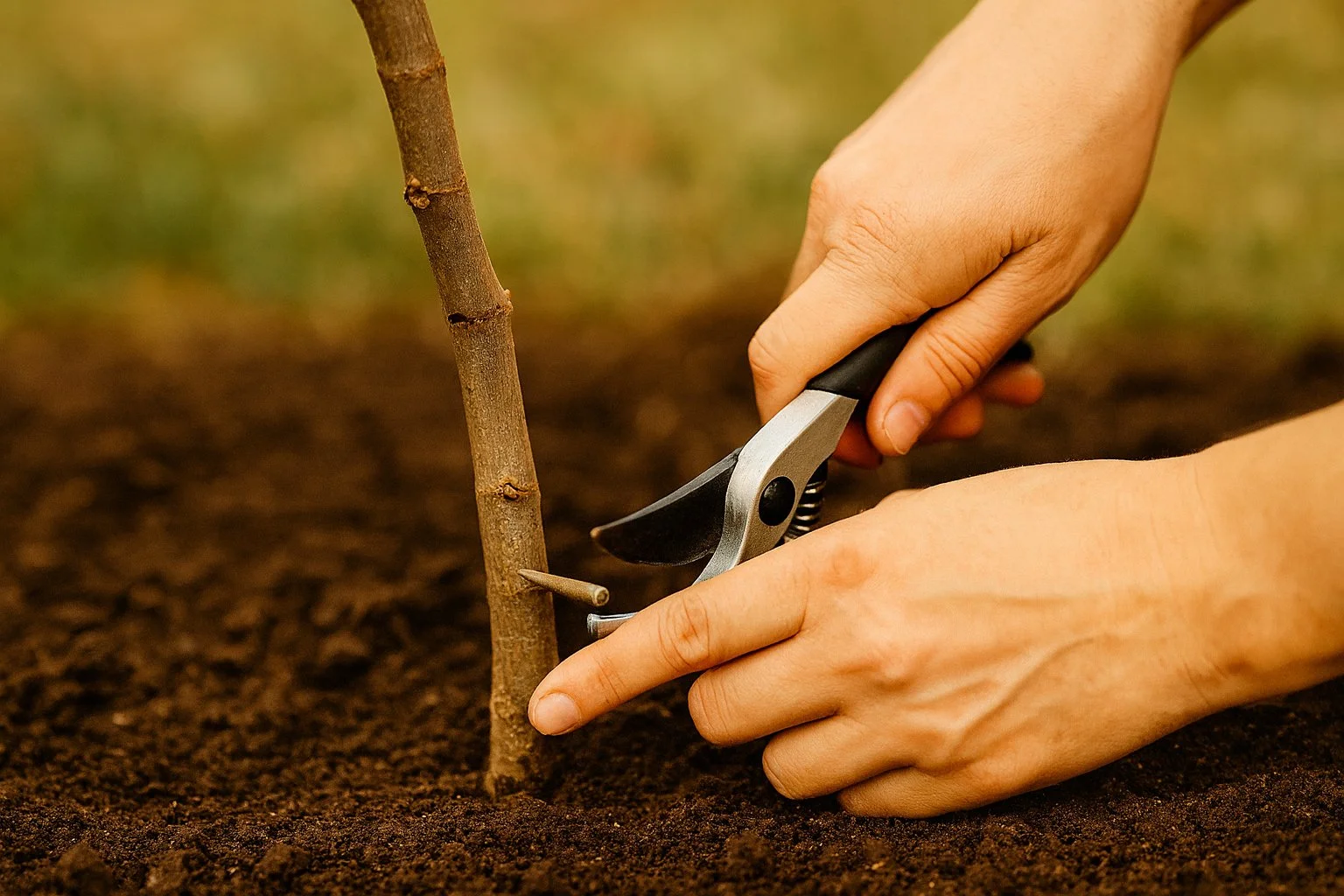
Pruning & Training for Maximum Growth and Productivity
Pruning and training are not separate tasks in fig growing—they are the foundation of long-term success. In Zone 7b, where winter dieback, variable spring conditions, and a compressed ripening window all influence outcomes, how a fig tree is shaped and maintained matters as much as the variety itself. Thoughtful pruning and training determine whether a tree recovers quickly, ripens fruit on time, and remains manageable year after year.
Rather than forcing figs into rigid forms, effective pruning works with the tree’s natural growth habits while accounting for local climate realities. Decisions made early—how much to cut, which shoots to keep, and how structure is built—compound over time. Small, well-timed actions often have greater impact than heavy corrective pruning later.
This guide provides a clear framework for pruning and training fig trees in Zone 7b. It focuses on how figs respond to cuts, how structure influences resilience and productivity, and how pruning priorities shift as trees mature. The goal is not perfection in a single season, but steady progress toward trees that are productive, durable, and easy to manage.
As you read, focus on principles rather than prescriptions. The most successful pruning strategies respond to the tree in front of you—its age, vigor, winter response, and growing space—while staying aligned with the broader goals of growth, balance, and reliable harvests.
1. How Fig Trees Respond to Pruning in Zone 7b
Effective pruning begins with understanding how fig trees allocate growth and fruit. Figs produce breba crops on older wood and main crops on current-season growth, which means pruning influences both structure and timing. In climates with winter injury, this balance becomes even more important, as cold resets growth and alters fruiting potential each year.
In Zone 7b, winter dieback regularly interrupts unchecked vertical growth. A successful pruning strategy anticipates this cycle rather than reacting to it. By encouraging strong, low framework branches and managing height intentionally, growers create trees that recover quickly from cold damage and resume productive growth without delay.
Without pruning, fig trees become tall, shaded, and inefficient. Airflow declines, interior wood weakens, and fruiting shifts out of reach. Pruning restores balance between vegetative growth and fruit production.
2. Building a Resilient Framework Early
The early years of a fig tree’s life shape its long-term behavior. In Zone 7b, the priority is not rapid height or early yield, but the development of a framework that can tolerate winter damage while remaining productive.
Many growers favor a multi-stem, open structure because it provides redundancy. When cold damages one stem, others often survive or regenerate quickly. This flexibility allows the tree to adapt without losing years of progress. Once a basic structure is established, pruning decisions become simpler and more consistent over time.
Early discipline prevents overcrowding and weak structure later, but aggressive correction at this stage often backfires. Restraint during establishment pays dividends in longevity and ease of management.
3. Pruning as a Seasonal Process
Pruning in Zone 7b is not a single event but a seasonal process aligned with the tree’s biology. Dormant pruning establishes structure and removes damaged or unproductive wood, while lighter in-season adjustments guide growth and maintain balance.
The exact timing and intensity vary by tree age, vigor, and winter response. What matters most is understanding why pruning is done at each stage, not memorizing a calendar. Well-timed, moderate cuts preserve momentum and avoid repeated growth resets that delay fruiting.
4. Height and Structure as Climate Tools
Height management is one of the most important—and most overlooked—pruning considerations in Zone 7b. Tall fig trees are harder to harvest, more difficult to protect, and slower to recover after cold damage. Keeping trees compact concentrates growth where light is strongest and makes winter protection feasible when needed.
Controlled structure also supports consistent ripening. By directing energy into productive wood rather than excessive vertical growth, pruning improves fruit quality and recovery speed after winter injury.
5. Training Systems and Long-Term Adaptability
Fig trees tolerate many training systems, but no single approach fits every situation. In Zone 7b, the most successful systems are those that allow flexibility. Trees often begin with looser, multi-stem structures and are refined over time as their growth habits and cold response become clear.
Training systems should evolve with the tree. Early adaptability is more valuable than early perfection, especially in climates where winter behavior is unpredictable.
6. Pruning and Fruit Production
In Zone 7b, the main crop is the most reliable source of figs because it forms on new growth each season. Pruning directly influences how quickly that growth develops and how efficiently it ripens fruit. Removing excess wood improves light exposure and airflow, which supports uniform fruit development and timely harvests.
Preserving older wood for breba production can provide early fruit in some cultivars, but this requires intentional restraint. Each pruning decision shifts the balance between renewal growth and fruiting potential.
7. Responding to Winter Damage
Winter dieback is a recurring feature of fig growing in Zone 7b, not a failure. Healthy fig trees respond with vigorous regrowth when pruning restores structure rather than overcorrects damage. Removing dead wood and selecting strong replacement shoots allows the original training system to be preserved whenever possible.
With disciplined pruning, even trees that suffer severe winter injury can return to full productivity within a season.
8. Maintenance as a Long-Term Strategy
Once established, fig trees benefit from consistent maintenance rather than dramatic intervention. Regular thinning, height control, and sucker removal preserve airflow, reduce disease pressure, and maintain productive structure. These small, repeated actions prevent the gradual decline seen in neglected trees.
Well-maintained figs are easier to protect, easier to harvest, and more resilient across variable seasons.
9. Putting Pruning and Training Into Practice
Pruning and training fig trees in Zone 7b is not about memorizing techniques. It is about understanding growth patterns, anticipating winter effects, and applying structure deliberately over time. The principles in this guide provide the framework, but success comes from adapting those principles to specific situations—young trees, mature trees, containers, confined spaces, and orchards of different scales.
The supporting articles that follow expand on these concepts, each addressing a distinct pruning or training scenario you are likely to encounter. Together, they form a practical reference you can return to as your fig trees mature and your planting evolves.
Use them as needed—whether you are solving a specific problem, refining your technique, or planning the next stage of your orchard’s development.
