Are Elite Fig Varieties Worth Growing in Zone 7b?
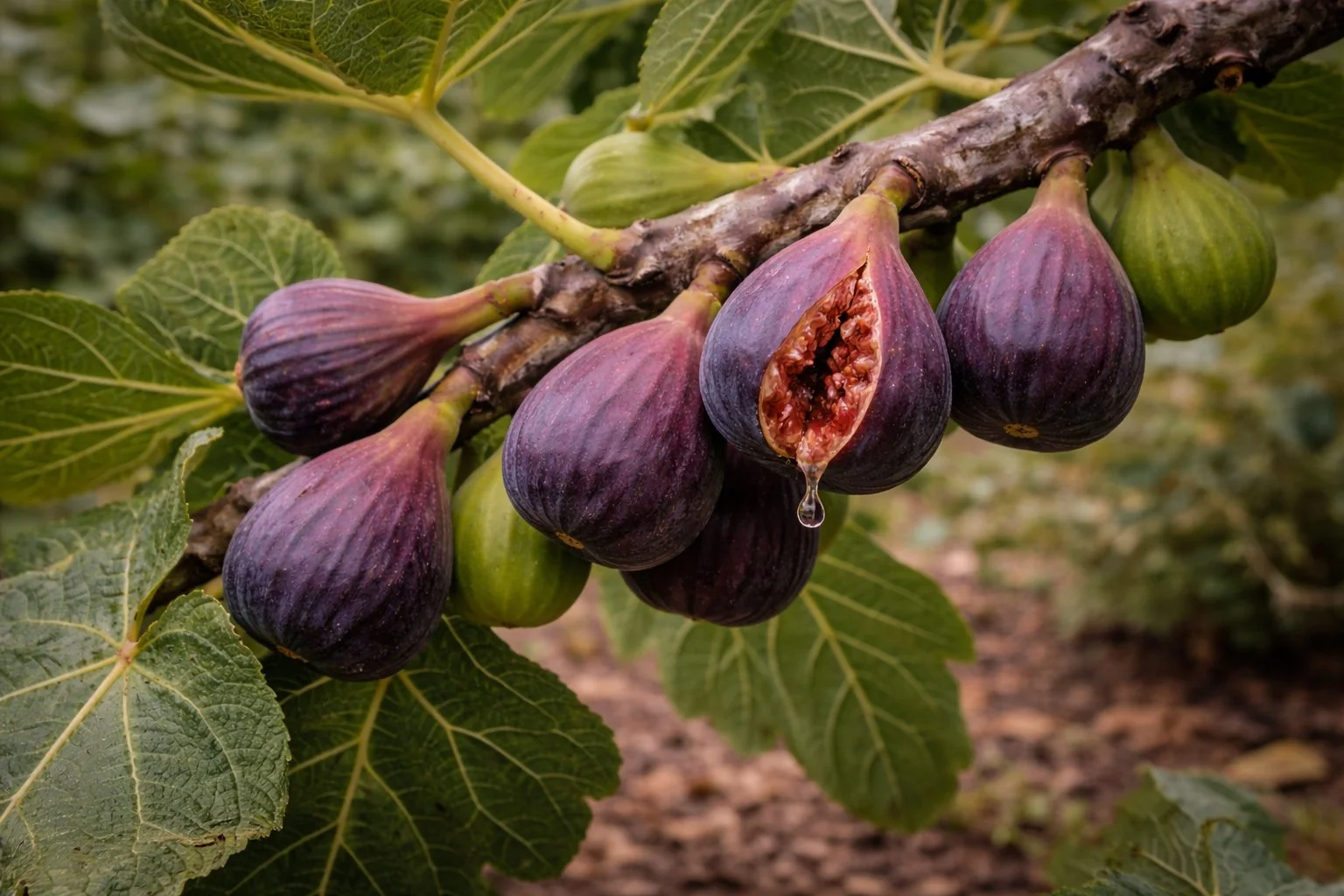
Elite fig varieties carry an outsized reputation. Names like Col de Dame, Black Madeira, and rare Adriatic selections are often associated with exceptional flavor, dense texture, and “best fig ever” experiences. In Zone 7b, however, the real question is not whether elite figs can taste incredible—but whether they are worth the effort, risk, and management required to get them to ripen consistently. This article helps growers decide when elite figs make sense and when they become a source of frustration rather than reward.
This topic fits into the broader framework of Fig variety selection for Zone 7b, where climate realities, ripening windows, and long-term reliability guide smart planting decisions.
What Makes a Fig “Elite”
Elite figs are typically defined by extraordinary eating quality rather than ease of cultivation. They often feature dense flesh, complex berry or honey flavors, and rich interiors that outperform common varieties when grown in ideal conditions. Many originate from Mediterranean climates with long, stable growing seasons and mild winters.
These figs were selected for flavor first—not for cold recovery or short seasons.
Why Elite Figs Struggle in Zone 7b
Zone 7b presents several challenges that work against elite figs. Winters frequently damage or eliminate fruiting wood, forcing trees to rebuild before setting fruit. Spring may arrive unevenly, delaying growth. Fall often cools before late figs can fully ripen.
Elite figs typically require:
preserved wood
long, warm ripening periods
stable late-season conditions
Without those factors, trees may grow beautifully yet fail to deliver ripe fruit.
When Elite Figs Can Be Worth It
Elite figs can be worth growing in Zone 7b when conditions are deliberately engineered.
Growers who use winter protection, low tunnels, favorable microclimates, or containers gain the ability to preserve wood and advance ripening. In these setups, elite figs often live up to their reputation, producing fruit that clearly surpasses more common varieties in flavor and texture.
For experienced growers who enjoy hands-on management, elite figs can be deeply satisfying.
The Cost of Growing Elite Figs
The true cost of elite figs is not the plant—it is the ongoing investment. Protection materials, time spent wrapping and unwrapping, space for overwintering containers, and the emotional toll of crop loss all factor into the equation.
Some years will still fail, even with careful preparation. Elite figs reward patience and experimentation, not growers seeking guaranteed harvests.
Comparing Elite and Reliable Varieties
Reliable figs produce good fruit most years with minimal effort. Elite figs produce exceptional fruit some years with significant effort. The difference is not quality versus mediocrity, but consistency versus peak potential.
Many growers discover that a reliable fig harvested fully ripe every year is more enjoyable than an elite fig harvested once every few seasons.
A Balanced Orchard Strategy
For most Zone 7b growers, the best approach is balance. Reliable figs provide steady harvests and learning opportunities. One or two elite figs add excitement and challenge without dominating the orchard or causing repeated disappointment.
This strategy allows growers to enjoy exceptional fruit when conditions align while still harvesting figs every year.
Signs an Elite Fig Is Not a Good Fit
Elite figs may not be worth growing if:
winter protection is not feasible
space is limited
consistent harvests are the primary goal
frustration outweighs enjoyment
Recognizing this early saves years of effort and allows orchards to evolve toward success rather than persistence alone.
Takeaway
Elite fig varieties can be worth growing in Zone 7b—but only with clear expectations and appropriate support. When protected and managed intentionally, they deliver remarkable fruit. When planted without regard for climate limits, they often disappoint. By balancing elite varieties with reliable performers, growers can enjoy both consistency and excellence without sacrificing one for the other.
For a complete framework on choosing figs that actually succeed in this climate, see Fig Variety Selection for Zone 7b.
