Common Mistakes When Choosing Fig Varieties in Zone 7b
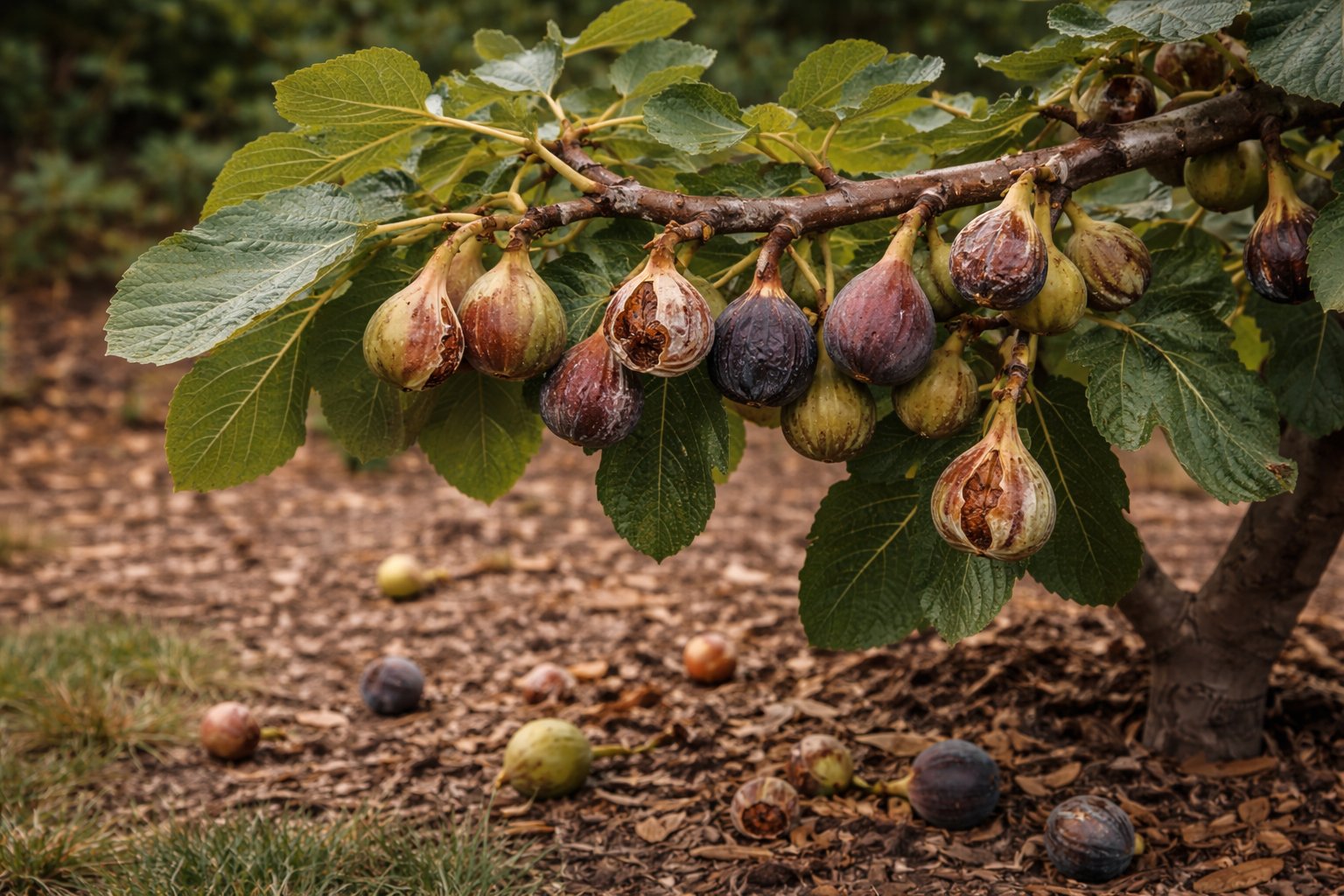
Most fig disappointments in Zone 7b begin long before winter—often at the moment of variety selection. Many growers choose figs based on reputation, online reviews, or flavor descriptions without accounting for climate realities, ripening timelines, or winter behavior. This article outlines the most common mistakes growers make when selecting fig varieties in Zone 7b and explains how to avoid them.
This topic fits into the broader framework of Fig variety selection for Zone 7b, where climate, genetics, and long-term performance must be considered together.
Mistake #1: Choosing Varieties Based on Reputation Alone
Some fig varieties are famous for exceptional flavor, but fame does not equal suitability. Many highly praised figs were selected in Mediterranean climates with long, stable seasons and mild winters. In Zone 7b, those same varieties may grow well yet fail to ripen consistently.
Successful growers evaluate how a fig performs in their climate, not how it performs elsewhere.
Mistake #2: Ignoring Ripening Windows
Ripening time is one of the most critical—and most overlooked—factors in Zone 7b. Varieties that ripen late may set fruit heavily and still fail every year. Growth vigor often misleads growers into thinking success is imminent, when the calendar says otherwise.
Choosing figs that finish early or mid-season dramatically improves success rates.
Mistake #3: Underestimating the Impact of Winter Dieback
Many growers assume that if a fig tree survives winter, it will fruit normally. In reality, winter dieback often resets ripening timelines by weeks. Varieties that require older wood or long seasons suffer most after repeated dieback.
Failing to account for this leads to years of healthy trees with little or no harvest.
Mistake #4: Expecting Winter Protection to Fix Everything
Winter protection can greatly improve outcomes, but it is not a cure-all. Preserving wood helps only if the variety can take advantage of it. Extremely late figs may still fail even when protected, while early figs may not need protection at all.
Protection should match the variety—not the other way around.
Mistake #5: Planting Too Many High-Maintenance Varieties
It is tempting to fill an orchard with elite or rare figs, but doing so increases risk and frustration. High-maintenance figs often require protection, careful pruning, and favorable weather to succeed. When conditions fail, entire harvests can be lost.
Most productive orchards balance a few challenging varieties with a strong foundation of reliable performers.
Mistake #6: Ignoring Growth Habit and Space Requirements
Some figs naturally grow large and resist size control. Planting these in small yards without a management plan leads to overcrowding, shading, and reduced productivity. Growth habit matters as much as flavor or cold tolerance.
Choosing figs that respond well to pruning makes long-term care far easier.
Mistake #7: Expecting Too Much, Too Soon
New fig trees rarely produce significant crops in their first year or two, especially in Zone 7b. Impatience leads some growers to replace perfectly good varieties before they have a chance to establish.
Understanding realistic timelines prevents unnecessary changes and builds confidence.
How to Choose More Successfully
Successful variety selection starts with honest goals. Growers should ask whether they value reliability, flavor, ease of care, or experimentation—and then choose figs that align with those priorities. Evaluating ripening windows, winter response, and maintenance requirements upfront saves years of trial and error.
Takeaway
Most fig-growing frustrations in Zone 7b stem from avoidable variety-selection mistakes. By choosing figs based on realistic ripening timelines, winter behavior, and management capacity—not reputation alone—growers dramatically improve their chances of success. Thoughtful selection leads to consistent harvests, healthier trees, and a far more rewarding fig-growing experience.
For a complete framework on choosing figs that actually succeed in this climate, see Fig Variety Selection for Zone 7b.
