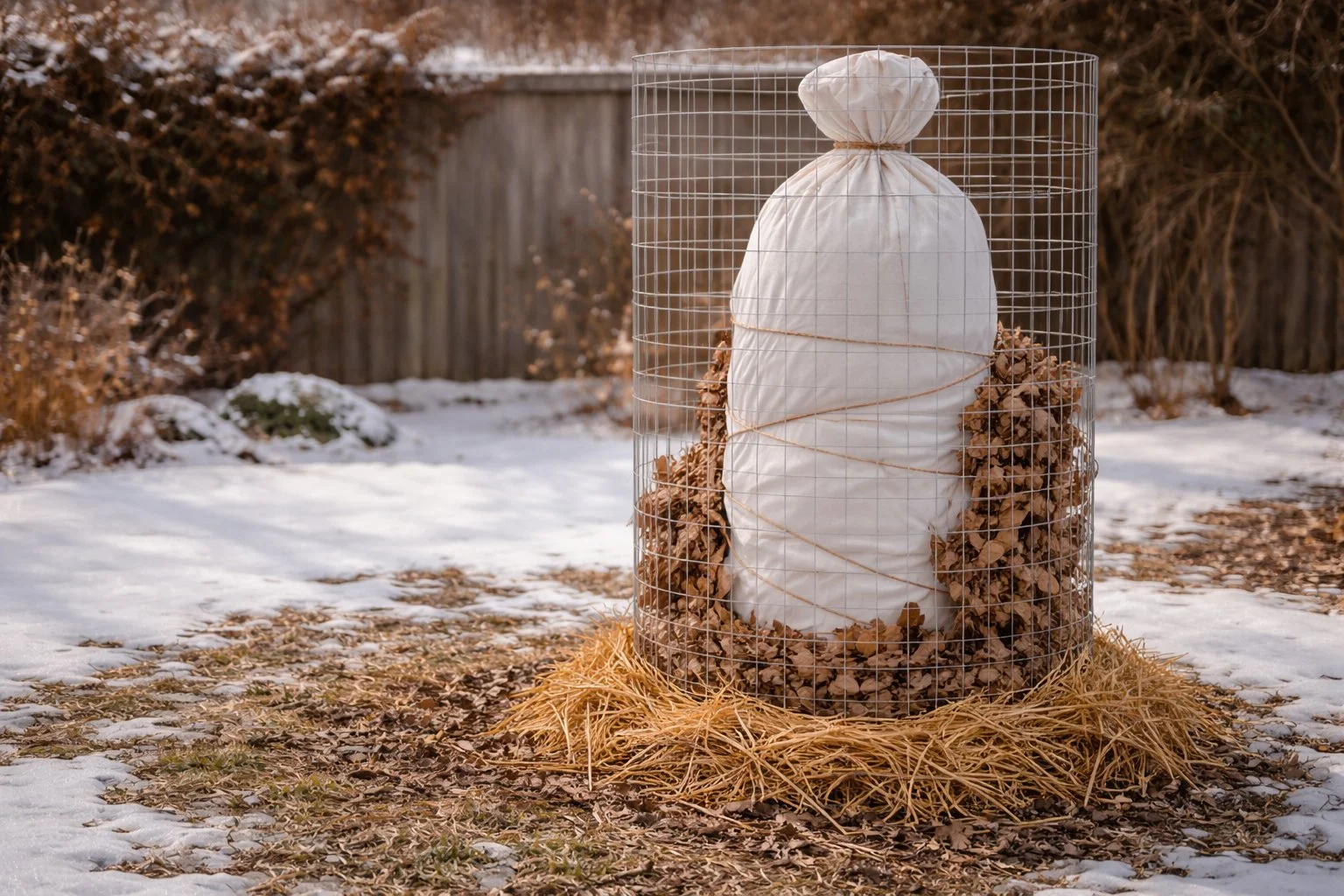
In Zone 7b, winter protection is not an afterthought—it is a defining factor in which fig varieties will succeed. Many figs fail not because they are poor varieties, but because they are mismatched to the level of protection a grower is realistically willing to provide. This article explains how to choose fig varieties based on winter protection strategy, rather than hoping protection will rescue an unsuitable choice later.
This topic fits into the broader framework of Fig variety selection for Zone 7b, where variety choice, winter behavior, and management style must align to produce consistent results.
Why Protection Level Should Come First
A common mistake is selecting fig varieties first and then trying to figure out how to protect them. In Zone 7b, this approach often leads to frustration. Winter protection requires time, materials, and consistency, and not every grower wants—or is able—to provide the same level of care every year.
Deciding how much protection you will actually use should come before deciding which figs to plant.
No Winter Protection: Choosing for Recovery and Speed
For growers who do not plan to protect figs at all, variety selection must prioritize recovery and early ripening. These figs must tolerate complete or near-complete dieback and still ripen fruit on new growth within a shortened season.
Early-ripening, cold-resilient varieties perform best in this category. They may not preserve wood, but they reset quickly and finish before fall weather becomes limiting. These figs form the most reliable, low-effort plantings in Zone 7b.
Light Protection: Preserving Partial Wood
Light protection includes methods such as mulch cages, wraps, wind breaks, or favorable microclimates. The goal is not to keep the tree warm all winter, but to preserve a portion of above-ground wood.
Mid-season figs and some higher-flavor varieties benefit greatly from this level of protection. Preserving even a few feet of live wood can advance ripening enough to turn inconsistent producers into reliable ones. This approach offers an excellent balance between effort and reward.
Moderate Protection: Intentional Wood Preservation
Moderate protection strategies—such as structured wraps, leaf-stuffed cages, or simple low tunnels—aim to preserve most of the previous season’s growth. This level of protection significantly expands the range of viable fig varieties in Zone 7b.
Berry figs, breba-producing varieties, and many flavor-focused selections perform best in this category. The added effort is repaid through earlier harvests, improved consistency, and higher fruit quality.
Heavy Protection and Containers: Maximum Control
Heavy protection includes insulated enclosures, heated tunnels, or container overwintering in protected spaces. These methods provide the greatest control over winter survival and spring timing.
With this level of protection, late-season and elite figs become realistic options. However, these systems require planning, space, and ongoing management. Growers should enter this category intentionally, understanding that protection becomes part of the routine—not an occasional intervention.
Matching Varieties to Realistic Habits
The most important factor is honesty. Many growers overestimate how much protection they will provide every winter. Selecting figs that require intensive protection can lead to burnout and eventual removal.
Choosing varieties that succeed at your minimum protection level—not your ideal one—leads to far better long-term satisfaction.
A Tiered Orchard Approach
Many successful Zone 7b growers use a tiered strategy. Unprotected figs provide baseline harvests every year. Lightly protected figs extend the season and improve flavor. One or two heavily protected figs satisfy curiosity and experimentation without risking the entire crop.
This approach spreads effort and risk across the orchard.
Takeaway
In Zone 7b, winter protection strategy should drive fig variety selection—not the other way around. By choosing figs that match the level of protection you are truly willing to provide, growers reduce frustration, increase consistency, and build orchards that remain productive year after year. Thoughtful alignment between protection and variety is one of the most powerful tools available to fig growers in challenging climates.
For a complete framework on choosing figs that actually succeed in this climate, see Fig Variety Selection for Zone 7b.
