Designing a Season-Long Fig Harvest in Zone 7b
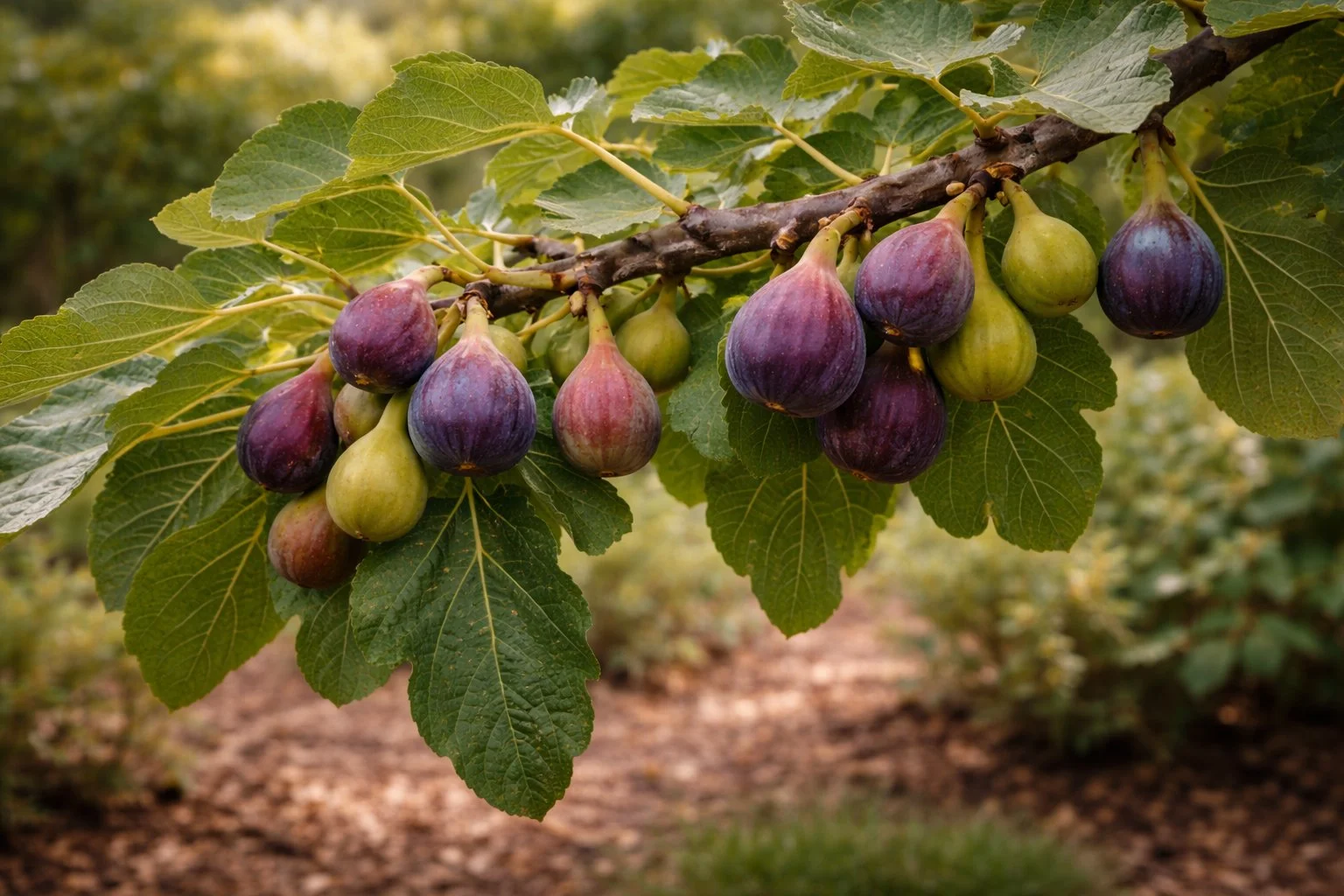
One of the most satisfying goals for fig growers in Zone 7b is a harvest that stretches across weeks instead of days. Achieving that requires more than planting multiple trees—it requires understanding ripening windows, winter survival, and how different fig varieties behave after cold stress. This article explains how to design a season-long fig harvest that works with Zone 7b’s climate rather than against it.
This topic fits into the broader framework of Fig variety selection for Zone 7b, where ripening timing, winter response, and long-term reliability guide successful planting decisions.
Why Most Fig Harvests Are Too Short
Many growers unknowingly plant figs with similar ripening timelines. The result is a brief surge of ripe fruit followed by weeks of nothing. In Zone 7b, winter dieback further compresses harvest windows by delaying fruit set on new growth. Without intentional variety spacing, even healthy trees often ripen all at once—or not at all.
A season-long harvest must be designed deliberately.
The Three Ripening Windows That Matter
Successful harvest planning starts with grouping figs by when they finish, not when they grow.
Early-season figs ripen reliably in mid to late summer, often even after winter dieback.
Mid-season figs extend the harvest into late summer and early fall, especially when some wood is preserved.
Late-season figs require protection or exceptional conditions but can push harvest into fall when managed correctly.
A balanced orchard includes at least one fig from each category.
Building the Foundation With Early Varieties
Early figs form the backbone of a season-long harvest. They reset quickly after winter, fruit on new growth, and finish before fall weather becomes unpredictable. These figs ensure that something ripens every year, even after severe winters.
Reliable early varieties create consistency and confidence, allowing growers to experiment elsewhere without risking a total crop loss.
Extending the Season With Mid-Season Figs
Mid-season figs add depth and length to the harvest. In Zone 7b, they perform best when planted in favorable microclimates or given light winter protection. Preserved wood advances fruiting just enough to keep these varieties within range.
These figs often provide excellent flavor and texture, making them ideal bridge varieties between early reliability and late-season ambition.
Using Protection Strategically for Late Figs
Late figs should be added intentionally and sparingly. Without protection, they often fail. With preserved wood, low tunnels, or container overwintering, they can extend harvest weeks beyond what early figs allow.
Rather than planting many late figs, most growers succeed by focusing on one or two varieties that respond strongly to protection.
Breba Crops and Early Season Gains
Some figs produce breba crops on older wood. In Zone 7b, brebas are only reliable when wood survives winter. When they do, brebas can produce fruit weeks earlier than main crops, effectively shifting the entire season forward.
Breba-producing varieties benefit disproportionately from winter protection and careful pruning.
Containers as a Harvest-Planning Tool
Containers allow growers to manipulate ripening timelines. Potted figs warm earlier in spring and can be overwintered to preserve wood. This makes containers an excellent way to extend harvests without committing to permanent in-ground protection systems.
Many growers use containers specifically for mid- and late-season figs to stretch production.
Avoiding Common Harvest-Planning Mistakes
A season-long harvest fails when:
all figs ripen in the same window
late figs are planted without protection
winter dieback resets every tree equally
variety selection is driven by reputation rather than timing
Spacing ripening windows matters more than variety count.
Takeaway
Designing a season-long fig harvest in Zone 7b requires intentional variety selection, not just multiple plantings. Early figs provide reliability, mid-season figs extend production, and late figs—used carefully with protection—push harvest into fall. By stacking ripening windows and matching varieties to winter realities, growers can enjoy fresh figs over a much longer season without increasing frustration or risk.
For a complete framework on choosing figs that actually succeed in this climate, see Fig Variety Selection for Zone 7b.
