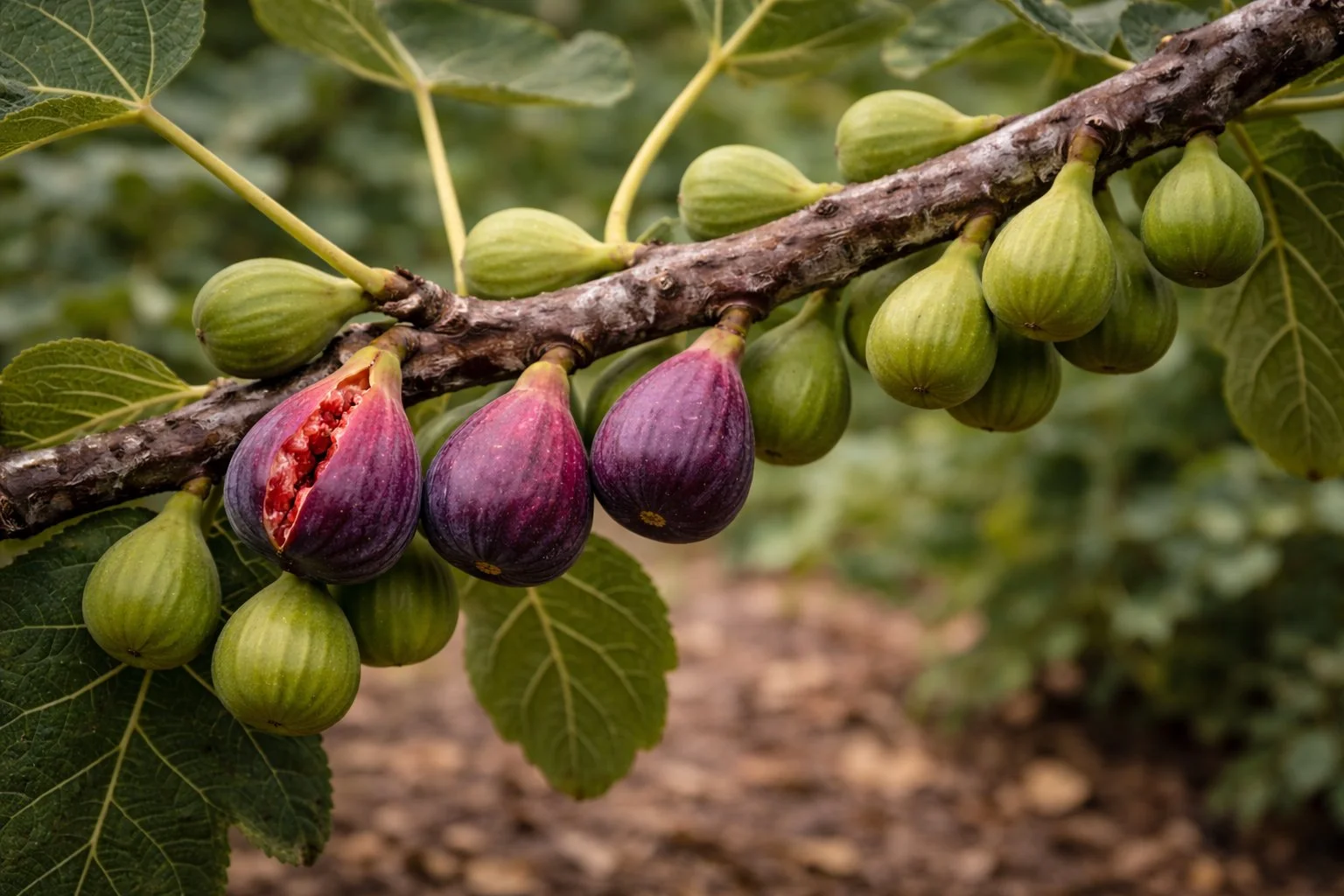
Flavor is what draws many growers to figs—but in Zone 7b, flavor must be balanced against ripening reliability and winter survival. Some of the best-tasting figs in the world struggle to finish in this climate, while others deliver excellent flavor year after year with minimal intervention. This article explains which fig varieties offer the best eating quality and realistic success in Zone 7b, and what tradeoffs growers should expect.
This topic fits into the broader framework of Fig variety selection for Zone 7b, where cold tolerance, ripening windows, and long-term reliability are considered together.
Why “Best-Tasting” Is Not the Same as “Best to Grow”
Fig flavor depends on sugar accumulation, acidity, texture, and aroma—all of which develop late in the ripening process. In Zone 7b, the limiting factor is often not tree health but time. A fig can look perfect and still taste flat if it is forced to ripen too late or under cooling fall conditions.
The best-tasting figs for Zone 7b are those that either ripen early enough to develop full flavor or benefit strongly from preserved wood.
Flavor Profiles That Perform Well in Zone 7b
Certain flavor styles are more forgiving in shorter seasons.
Berry-type figs tend to deliver rich, complex flavor even when ripened slightly early.
Balanced honey–berry figs offer sweetness with structure and often perform well in humidity.
Pure honey-type figs can be excellent but may taste bland if ripening is rushed or diluted by rain.
Understanding flavor style helps growers choose varieties that taste good in their climate, not just on paper.
Best-Tasting Reliable Varieties (Low to Moderate Risk)
These figs consistently deliver good to excellent flavor in Zone 7b without advanced protection.
Hardy Chicago
While known for reliability, Hardy Chicago also offers solid berry flavor when fully ripe. Its ability to finish early allows sugars to concentrate properly, making it one of the best “flavor-per-effort” figs for Zone 7b.
Violette de Bordeaux
When wood is preserved, VdB produces dense, rich figs with deep berry notes. Even in less favorable years, flavor remains strong, making it a favorite for growers seeking quality without extreme risk.
LSU Purple
LSU Purple combines jammy sweetness with excellent performance in heat and humidity. Its flavor holds up well in wet summers, giving it an advantage over more delicate varieties.
High-Flavor Varieties That Require Protection
Some of the best-tasting figs demand more management but reward growers who provide it.
Adriatic JH
Adriatic JH produces exceptional berry flavor with a vivid red interior. In Zone 7b, it benefits greatly from preserved wood, which advances ripening and improves consistency.
Strawberry Verte
Strawberry Verte offers intense, layered flavor but often struggles without protection. With wraps or tunnels, it becomes one of the finest-tasting figs available to Zone 7b growers.
Col de Dame Types
Col de Dame figs are widely regarded as elite dessert figs. In Zone 7b, they require serious winter protection and favorable heat to reach full flavor, but success is unmatched when conditions align.
When Great Flavor Still Falls Short
Some figs develop excellent flavor only when ripened very late. In Zone 7b, these varieties often set fruit repeatedly but fail to finish before frost. Even when partially ripe, flavor may be underdeveloped or watery.
This is why flavor reputation alone is a poor planting guide.
Managing for Flavor in Zone 7b
Flavor improves when figs are allowed to ripen fully on the tree, receive consistent moisture without excess rain, and benefit from sun exposure and airflow. Preserved wood shortens ripening timelines, increasing the likelihood that sugars and aromatics fully develop.
Good variety choice does most of the work; management fine-tunes the result.
Takeaway
The best-tasting fig varieties for Zone 7b are those that balance rich flavor with realistic ripening timelines. Hardy Chicago, Violette de Bordeaux, and LSU Purple offer strong flavor with dependable performance, while Adriatic JH, Strawberry Verte, and Col de Dame types reward growers willing to protect wood through winter. By choosing flavor varieties that finish in this climate, growers enjoy figs that taste as good as they look.
For a complete framework on choosing figs that actually succeed in this climate, see Fig Variety Selection for Zone 7b.
