How Pruning Affects Fig Ripening Time (Zone 7b)
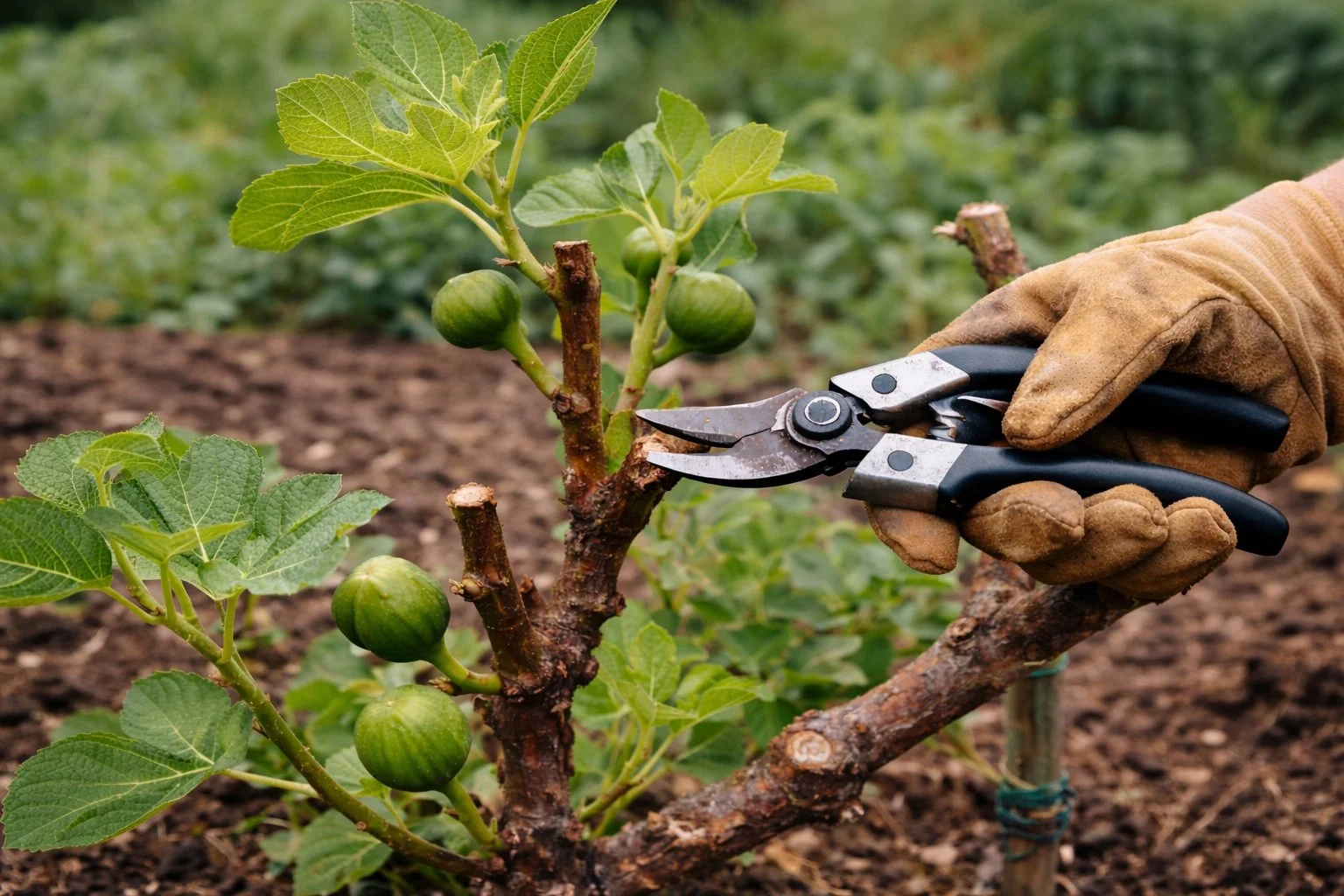
In Zone 7b, many fig harvest failures are blamed on weather or variety choice, when the real cause is pruning timing and intensity. Pruning directly influences how quickly fig trees grow, how soon they set fruit, and whether that fruit ripens before fall conditions shut the season down. Understanding this relationship is essential for growers who want consistent harvests rather than healthy trees with unfinished figs.
This article explains how pruning decisions affect fig ripening time and how to prune in ways that work with Zone 7b’s shortened season rather than against it.
Why Ripening Time Is Sensitive in Zone 7b
Zone 7b sits near the margin of reliable fig production. The growing season is long enough for many varieties, but only if growth and fruit development begin early and progress steadily. Anything that delays spring regrowth or forces the tree to rebuild structure late in the season pushes ripening into risky territory.
Pruning is one of the strongest influences on this timing.
The Connection Between Pruning and New Growth
Most figs grown in Zone 7b produce their main crop on new growth. Pruning stimulates that growth, but the timing and severity of pruning determine when new shoots emerge and how fast they mature.
Light, well-timed pruning encourages early shoot development. Heavy or repeated pruning forces the tree to restart growth cycles, delaying fruit initiation and ripening.
How Over-Pruning Delays Ripening
Excessive pruning removes stored energy and forces the tree to redirect resources toward rebuilding wood rather than developing fruit. Each time a tree is cut back hard, it must first replace lost structure before fruiting can proceed.
In Zone 7b, this lost time often cannot be recovered. Trees may grow vigorously yet fail to finish fruit before temperatures drop, especially with mid- or late-season varieties.
Timing Matters More Than Most Growers Realize
Pruning done too late in spring delays shoot emergence and shortens the effective growing season. Summer pruning, while useful for size control or light penetration, can also slow fruit development if done aggressively.
Early-season pruning that removes only what is necessary allows figs to establish fruiting shoots sooner, which is critical for timely ripening.
Winter Dieback and Ripening Reset
Winter dieback naturally delays ripening by forcing figs to regrow from lower points on the plant. When heavy pruning compounds this dieback, ripening is delayed even further. This is why figs that experience both severe winter damage and aggressive spring pruning often fail to produce usable crops.
Pruning after dieback should focus on selecting shoots, not reducing their number unnecessarily.
Balancing Structure and Speed
Good pruning finds a balance between maintaining structure and preserving momentum. Removing weak or poorly placed shoots early improves airflow and light without sacrificing ripening time. Leaving too many shoots, however, can spread energy thin and also slow fruit maturity.
The goal is not maximum growth, but efficient growth.
Adjusting Pruning Based on Variety
Early-ripening figs tolerate pruning more easily because they finish fruit sooner. Late-ripening varieties are far less forgiving. In Zone 7b, pruning intensity should be matched to the variety’s natural ripening window.
Treating all figs the same is one of the most common causes of inconsistent harvests.
Takeaway
Pruning decisions directly shape fig ripening time in Zone 7b. Heavy, late, or repeated pruning delays fruit maturity, while restrained, timely pruning supports early growth and successful harvests. By understanding how pruning influences the growth–fruiting timeline, growers can turn marginal varieties into reliable producers and avoid years of wasted effort.
For a complete framework on pruning methods, timing, training systems, and size control, see Pruning & Training Fig Trees in Zone 7b.
