How to Protect Young First-Year Fig Trees in Winter
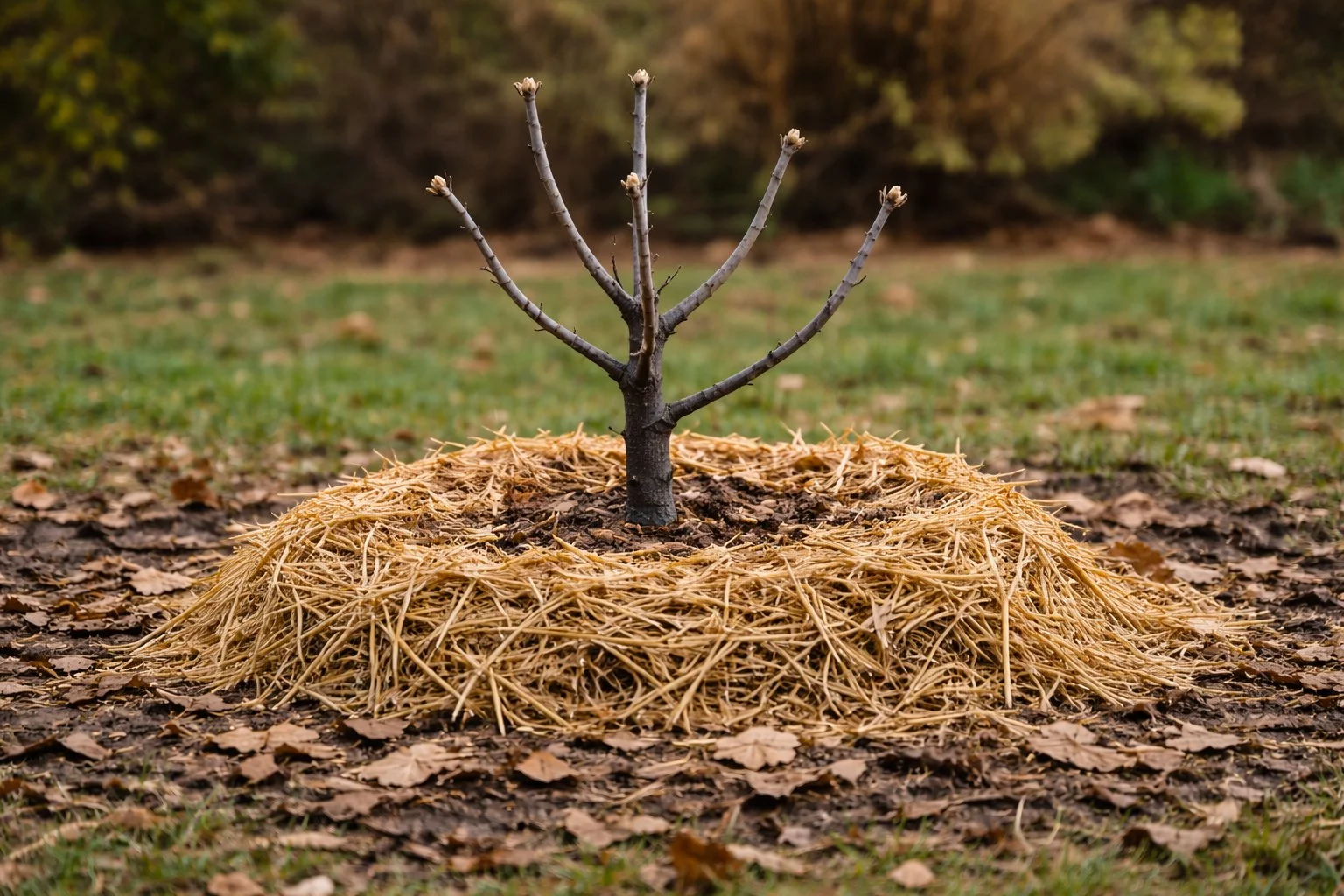
First-year fig trees are far more vulnerable to winter damage than established plants. Their root systems are shallow, their wood is less hardened, and they have not yet developed the carbohydrate reserves that help older figs rebound in spring.
This guide explains how to protect young first-year fig trees in winter, with practical strategies that prioritize survival, root protection, and healthy regrowth in Zone 7b and similar climates.
Why First-Year Figs Need Special Protection
Newly planted fig trees have not yet acclimated to outdoor temperature swings. Even varieties considered cold hardy can suffer severe dieback or death during their first winter if left unprotected.
In many cases, winter losses blamed on “cold sensitivity” are actually due to root-zone exposure, moisture stress, or poorly timed protection.
Prioritize Root Protection First
For first-year figs, protecting the roots matters more than preserving branch length. If the root system survives, the tree can regrow even after top dieback.
A deep mulch layer over the root zone helps insulate soil and reduce freeze–thaw cycling. Mulch should be applied after the ground begins to cool but before deep freezing occurs.
Avoid piling mulch directly against the trunk, which can trap moisture and invite rot.
Deciding Whether to Protect Branches
In colder winters, light branch protection can improve spring growth, but it should never compromise root health. For small trees, simple methods often outperform complex systems.
Loose wrapping with breathable fabric or a small leaf-filled cage can provide modest insulation without excessive moisture buildup.
If the tree is very small, focusing entirely on root protection and allowing top dieback may be the safest approach.
Timing Matters More for Young Trees
Applying winter protection too early is especially risky for first-year figs. Warm, insulated conditions encourage moisture accumulation around tender wood.
Protection should only be applied once the tree has fully dropped its leaves and temperatures consistently fall below freezing at night.
Common Mistakes With First-Year Fig Protection
One of the most common mistakes is over-wrapping young trees with plastic or dense insulation. This traps moisture and leads to bark damage that appears months later.
Another frequent error is assuming cold-hardy varieties do not need protection in their first year. Even hardy figs benefit from extra care while establishing.
Container-Grown First-Year Figs
First-year figs grown in containers should not be treated the same as in-ground trees. Containers expose roots to far colder temperatures than soil.
Relocating containers to a protected, unheated space is usually safer than outdoor insulation during the first winter.
What to Expect in Spring
Even with good protection, some dieback is normal in first-year figs. Healthy buds emerging from lower wood or the base of the plant indicate successful root survival.
Avoid pruning until new growth clearly shows which wood is alive.
Field Observations — Giles County, Tennessee (Zone 7b)
First-year protection guidance described in this article is informed by in-ground orchard establishment in Pulaski, Tennessee, USDA Zone 7b. Newly planted fig trees in this climate demonstrate greater vulnerability to winter cold due to limited root depth, incomplete structural lignification, and reduced carbohydrate reserves compared to established trees.
Observations across early establishment seasons indicate that root-zone insulation, moderated moisture levels, and preservation of lower-node viability significantly influence first-year survival and second-year regrowth potential. Multi-season monitoring demonstrates that early structural protection improves long-term orchard form and reduces the need for corrective pruning following severe winter events.
These recommendations reflect cold-edge southeastern growing conditions where first-year trees require greater protection than mature plantings.
The Takeaway
The goal for first-year fig trees is survival, not perfection. Protecting roots, managing moisture, and applying protection at the right time gives young figs the best chance to establish and thrive in future seasons.
For a complete overview of cold-weather strategies, materials, and recovery techniques, see Winter Protection & Dieback Prevention for Fig Trees.
