When to Apply Fig Winter Protection in Zone 7b
Timing matters just as much as materials when protecting fig trees in winter. In Zone 7b, applying protection too early or too late can reduce its effectiveness — or even cause damage that looks like cold injury but isn’t.
This guide explains exactly when to apply fig winter protection in Zone 7b, how to read weather patterns instead of calendar dates, and how to avoid the most common timing mistakes.
Why Timing Is Critical in Zone 7b
Zone 7b winters are unpredictable. Warm spells, sudden freezes, and repeated thaw–freeze cycles are common. Fig trees are surprisingly resilient to cold when dormant, but they are vulnerable to moisture buildup and premature insulation if protection is applied at the wrong time.
The goal is not to protect figs from every cold night, but to protect them from sustained cold and damaging temperature swings once dormancy is established.
Understanding Fig Dormancy Before Winter Protection
Fig trees need exposure to cool temperatures to fully enter dormancy. Applying winter protection before dormancy traps warmth and moisture around branches, increasing the risk of mold, rot, and bark damage.
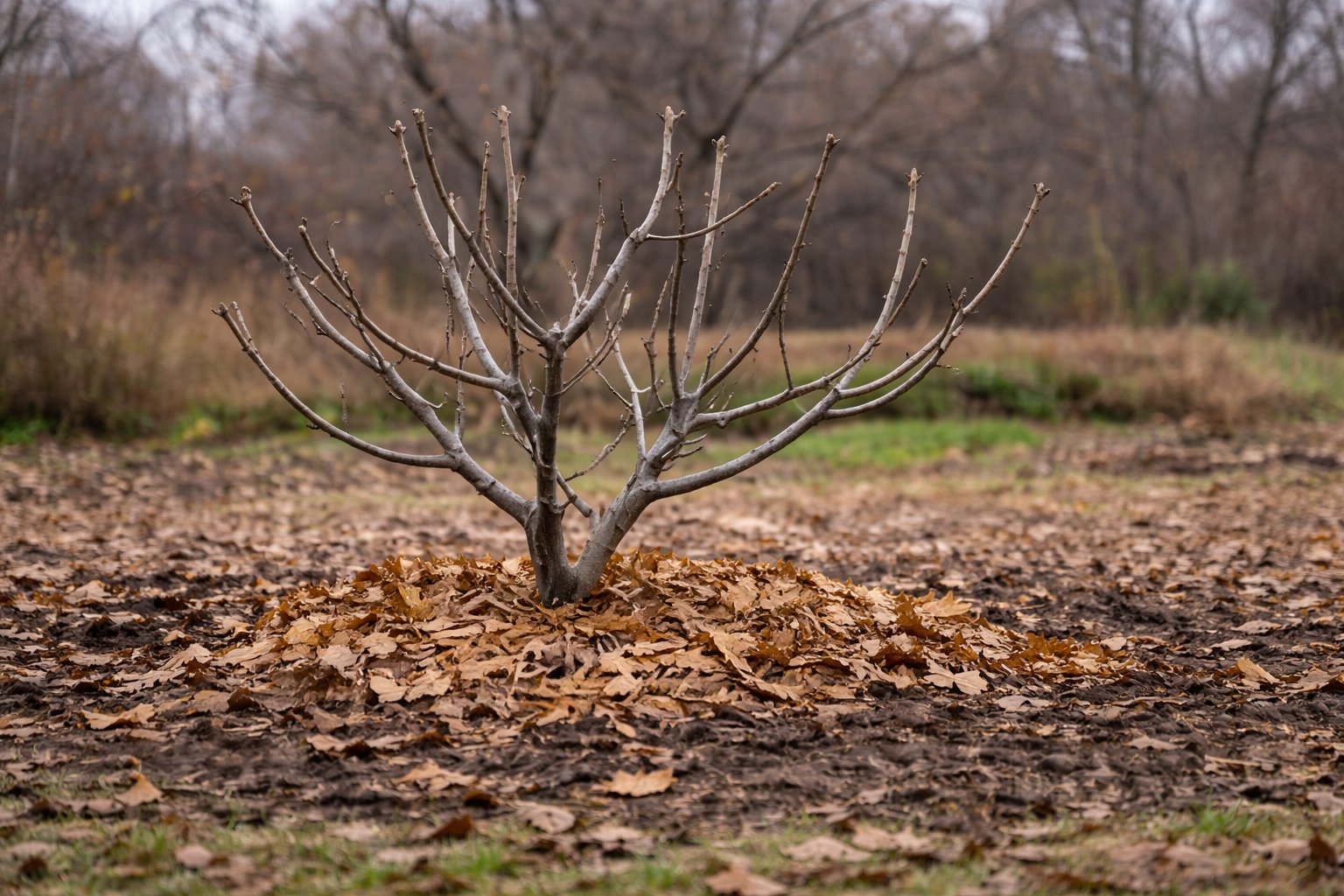
In Zone 7b, dormancy typically follows leaf drop and several nights of temperatures consistently below freezing. Protection should never go on while the tree is still actively growing or holding green leaves.
The Ideal Window for Applying Winter Protection
For most Zone 7b locations, winter protection is best applied after leaf drop but before the first prolonged hard freeze. This window usually occurs in late fall, but the exact timing varies year to year.
Watch for a forecast pattern that shows:
Consistent nighttime lows below freezing
No extended warm spells expected
Soil beginning to cool
This pattern signals that the tree is ready for insulation without increased moisture risk.
Why Early Protection Causes Problems
Applying winter protection too early is one of the most common mistakes, especially during mild winter conditions. Early wrapping or caging traps residual warmth from the soil and daytime sun, creating condensation inside the protection system.
This trapped moisture leads to mold growth, bark softening, and dieback that is often mistaken for freeze damage in spring.
Why Late Protection Can Still Work (Sometimes)
Late protection is usually less harmful than early protection. Fig trees tolerate brief cold snaps surprisingly well when dormant. However, prolonged exposure to deep cold without protection can result in branch dieback, especially in younger or less established trees.
If protection is delayed, it should be applied as soon as stable cold conditions are confirmed.
Adjusting Timing for Tree Age and Location
Young fig trees benefit from earlier protection than mature trees, but still only after dormancy begins. Trees planted in exposed locations may also need protection slightly earlier than those in sheltered microclimates.
Container figs follow different rules and are often better protected through relocation rather than outdoor insulation.
When Not to Apply Winter Protection
Do not apply protection during warm, rainy periods or just before a forecasted warm spell. Also avoid applying protection immediately after heavy rainfall, when leaves and branches are wet.
Dry conditions at installation are just as important as temperature timing.
Field Observations — Giles County, Tennessee (Zone 7b)
Timing guidance discussed in this article is based on in-ground orchard observation in Pulaski, Tennessee, USDA Zone 7b. Protection decisions are evaluated relative to first frost patterns, soil temperature trends, and projected cold events rather than calendar date alone. Seasonal variability in Middle Tennessee requires flexible timing that responds to weather progression rather than rigid schedules.
Observations focus on preserving viable branch structure while avoiding premature wrapping that can trap moisture or delay dormancy. Multi-season monitoring of freeze timing, bud survival, and spring recovery informs the protection thresholds described here.
These recommendations reflect cold-edge southeastern growing conditions where winter severity fluctuates year to year.
The Takeaway
In Zone 7b, successful fig winter protection depends on reading conditions, not dates. Waiting until figs are fully dormant and cold patterns stabilize prevents moisture problems and improves branch survival through winter.
For a complete overview of cold-weather strategies, materials, and recovery techniques, see Winter Protection & Dieback Prevention for Fig Trees.
