Do Fig Trees Need Wrapped or Covered in Mild Winters?
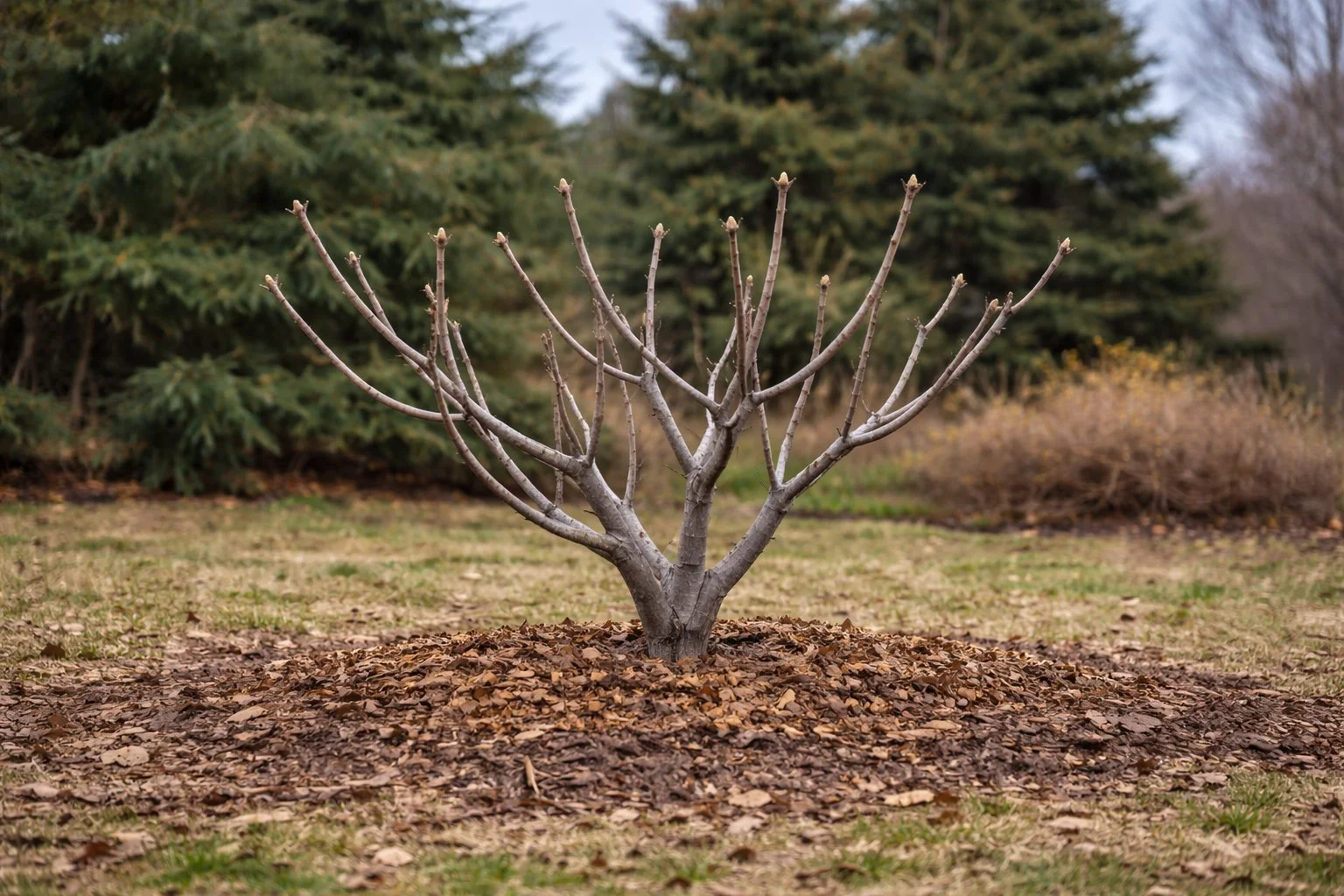
Not every winter requires aggressive protection for fig trees. In mild winters, wrapping or covering figs can sometimes cause more harm than leaving them exposed. Understanding when protection helps and when it hurts is key to avoiding unnecessary dieback, mold, and spring surprises.
This article explains whether fig trees need to be wrapped or covered during mild winters, how to judge winter severity, and how to make smart, low-risk decisions in Zone 7b and similar climates.
What Counts as a “Mild” Winter for Figs?
A mild winter for figs is defined less by the absence of cold nights and more by the lack of sustained deep freezes. Occasional dips below freezing, especially when followed by daytime warming, are usually well tolerated by dormant fig trees.
Problems arise when temperatures drop deeply and remain cold for extended periods, or when repeated freeze–thaw cycles stress unprotected wood.
Why Overprotection Can Be a Problem
Wrapping or covering figs during mild winters often traps moisture rather than preventing cold damage. Warm daytime temperatures combined with insulation create condensation inside wraps and cages.
This excess moisture softens bark, promotes mold growth, and leads to dieback that may look like freeze injury but actually results from poor airflow.
When Leaving Figs Uncovered Is the Better Choice
Established in-ground fig trees with good drainage often perform best when left uncovered during mild winters. Natural exposure helps maintain dormancy and allows branches to dry between weather events.
In these conditions, minimal intervention — such as mulching the root zone only — is often sufficient and safer than full wrapping.
Situations Where Light Protection Still Makes Sense
Even in mild winters, some situations benefit from light protection. Young trees, figs planted in exposed locations, or trees recovering from prior stress may need modest insulation.
Light protection should be breathable and easy to remove, focusing on wind reduction rather than heat retention.
Container Figs in Mild Winters
Container figs experience colder root temperatures than in-ground trees, even during mild winters. Relocating containers to a sheltered location is usually safer than wrapping them outdoors.
Leaving container figs exposed on decks or hard surfaces often results in unnecessary root damage.
Monitoring Weather Instead of Guessing
Rather than deciding once for the entire winter, successful fig growers monitor forecasts and respond accordingly. Protection can be added temporarily during cold snaps and removed during warm spells.
Flexibility reduces risk far more effectively than permanent wrapping.
Common Mistakes During Mild Winters
A common mistake is wrapping figs early in the season “just in case.” Another is leaving protection in place long after temperatures have moderated, trapping moisture during late winter rains.
Both approaches increase damage risk rather than preventing it.
The Takeaway
In mild winters, less protection is often better for fig trees. Allowing airflow, maintaining dormancy, and avoiding moisture buildup usually leads to healthier wood and stronger spring growth than unnecessary wrapping.
For a complete overview of cold-weather strategies, materials, and recovery techniques, see Winter Protection & Dieback Prevention for Fig Trees.
