Storing Fig Cuttings Over Winter: Cold Storage vs Callus
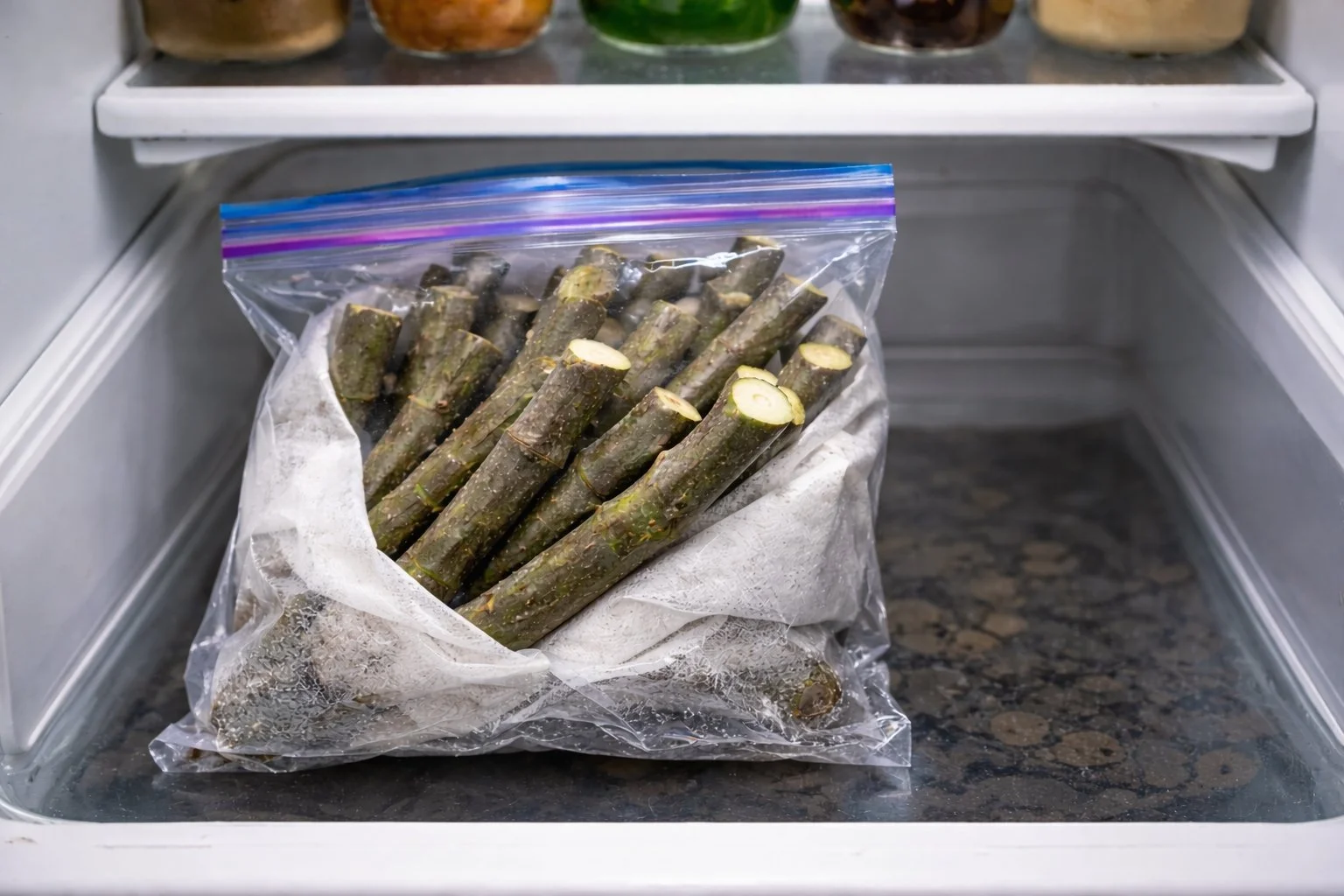
Storing fig cuttings correctly is the quiet hinge point between a successful propagation season and widespread failure. Many cuttings that appear healthy at harvest are lost not because of poor rooting technique, but because they were mishandled during storage. In Zone 7b, where winter temperatures fluctuate and humidity can vary widely, understanding how to store cuttings safely is essential.
The goal of winter storage is simple: keep cuttings alive, dormant, and hydrated without encouraging premature growth or rot. Achieving that balance requires choosing the right storage method for your situation. The two most common approaches—cold storage and callus storage—serve different purposes and suit different propagation timelines.
Why Storage Matters More Than Most Growers Realize
Once a cutting is removed from the parent tree, it becomes entirely dependent on the conditions you provide. It no longer has access to water, nutrients, or temperature regulation. Improper storage allows cuttings to dry out, freeze, mold, or break dormancy too early.
Dormant fig wood contains stored carbohydrates and moisture that must be preserved until rooting begins. Losing that internal balance during storage drastically reduces the cutting’s ability to form callus tissue and roots later on. Proper storage keeps metabolic activity low while maintaining cellular integrity.
Cold Storage: Preserving Dormancy Until You’re Ready
Cold storage is the most widely used method for overwintering fig cuttings, especially for growers who plan to root in late winter or early spring. The goal is to keep cuttings fully dormant until environmental conditions are favorable.
In Zone 7b, cold storage is typically achieved using a refrigerator or unheated but frost-free space. Ideal storage temperatures range from 34°F to 40°F, cold enough to suppress growth but not so cold as to damage living tissue.
Cuttings stored in this range remain stable for several months when properly prepared.
Preparing Cuttings for Cold Storage
Before storage, cuttings should be trimmed cleanly, labeled, and inspected for damage. Excessively long cuttings may be shortened to reduce moisture loss, while damaged ends should be re-cut to expose healthy tissue.
Most growers wrap cuttings in slightly damp—not wet—paper towels, then seal them inside breathable plastic bags. The goal is to maintain humidity without creating standing moisture. Too much water invites mold; too little leads to dehydration.
Ventilation matters. Bags should not be airtight. A small amount of air exchange helps prevent anaerobic conditions that encourage rot.
Monitoring During Storage
Cold-stored cuttings should be checked every few weeks. Healthy cuttings remain firm, with pliable bark and no visible mold. If paper towels dry out, they can be lightly re-moistened. If mold appears, affected cuttings should be removed immediately to prevent spread.
One advantage of cold storage is flexibility. Cuttings can remain dormant until you decide to begin callusing or rooting, allowing you to control timing rather than reacting to early bud break.
Callus Storage: Preparing Cuttings Ahead of Rooting
Callus storage takes a different approach. Instead of maintaining full dormancy, this method encourages callus formation at the base of the cutting before roots develop. It is commonly used by growers who want to jump-start the rooting process.
Callus formation occurs when cuttings are held at warm but controlled temperatures, typically between 70°F and 80°F, with high humidity and no light. Under these conditions, the cutting begins to heal its cut surfaces by forming callus tissue—a precursor to rooting.
When Callus Storage Makes Sense
Callus storage works best when:
You plan to root cuttings soon
You can maintain consistent temperature and humidity
You are actively monitoring conditions
In Zone 7b, callus storage is often done indoors using heat mats or insulated containers. Because warmth stimulates metabolic activity, cuttings must be carefully monitored to prevent dehydration or rot.
Risks of Callus Storage
While callus formation can speed rooting later, it also increases risk. Warm conditions accelerate moisture loss, and without roots, cuttings are vulnerable. Excess humidity encourages mold, while insufficient humidity leads to shriveling.
Callused cuttings should not be stored long-term. Once callus forms, they are best moved promptly into a rooting environment. Delaying too long can exhaust stored energy before roots develop.
Choosing the Right Storage Method for Your Goals
Cold storage and callus storage are not competing methods—they serve different purposes.
Cold storage is ideal when:
You harvest cuttings early
You want maximum flexibility
You are managing large numbers of cuttings
You prefer lower maintenance
Callus storage is useful when:
You want to accelerate rooting
You are working with limited quantities
You can closely monitor conditions
You plan to root within weeks, not months
Many experienced growers use both methods sequentially, cold-storing cuttings through early winter and then transitioning select cuttings to callus storage as rooting season approaches.
Common Storage Mistakes to Avoid
Storing fig cuttings fails most often due to extremes. Freezing temperatures damage cells. Warm temperatures break dormancy too early. Excess moisture causes rot. Dry conditions cause irreversible dehydration.
Another common mistake is neglect. Stored cuttings are not “set and forget.” Even cold-stored wood needs occasional inspection. Catching problems early saves entire batches.
Finally, poor labeling leads to confusion later. Always label cuttings clearly before storage, especially if working with multiple varieties.
What Healthy Stored Cuttings Look Like
When storage is successful, cuttings emerge from winter:
Firm and pliable
Free of mold or odor
With intact bark
Showing no signs of shriveling
These cuttings transition smoothly into callusing or rooting, with minimal losses.
Storage Is a Bridge, Not the Destination
Winter storage is not about growth—it is about preservation. The goal is to deliver viable, healthy cuttings to the rooting stage with their internal reserves intact. When storage is done well, rooting becomes far easier and more predictable.
For a complete framework covering timing, wood selection, storage methods, callusing, rooting environments, and transplanting young figs, see Fig Propagation & Cutting Techniques.
Common Questions About Storing Fig Cuttings Over Winter (Cold Storage vs Callusing)
Q: Should I store fig cuttings in the refrigerator over winter?
A: Yes—cold storage is a reliable way to keep cuttings dormant until rooting season. The goal is cool, stable temperatures that prevent early bud break while avoiding dehydration or mold.
Q: What is the safest temperature range to store dormant fig cuttings?
A: A typical household refrigerator is usually appropriate as long as the cuttings stay cold and stable. Avoid freezing conditions and avoid warm storage that triggers early growth.
Q: How do I keep fig cuttings from drying out in storage?
A: Seal cuttings in a bag with slightly damp paper or lightly moist packing material so humidity stays high without standing water. The wood should not feel wet—just protected from drying air.
Q: How do I prevent mold when storing fig cuttings in the fridge?
A: Mold usually comes from too much moisture and poor airflow. Keep the storage material only slightly damp, remove any visibly moldy pieces, and re-bag with clean material if needed.
Q: Is callusing fig cuttings before rooting necessary?
A: Callusing is not required, but it can improve consistency by forming a protective callus before the cutting sits in a humid rooting environment. Many growers root directly and still get excellent success.
Q: When should I take cuttings out of cold storage to start rooting in Zone 7b?
A: Bring them out when you can provide stable warmth and light for rooting—often late winter into early spring. The key is matching the start date to your indoor setup so cuttings don’t break bud before roots form.
Q: How long can dormant fig cuttings stay in cold storage?
A: If stored correctly (cool, sealed humidity, no rot), cuttings can last for months. The limiting factors are dehydration, mold, or warming that triggers early growth.
