When to Take Fig Cuttings in Zone 7b
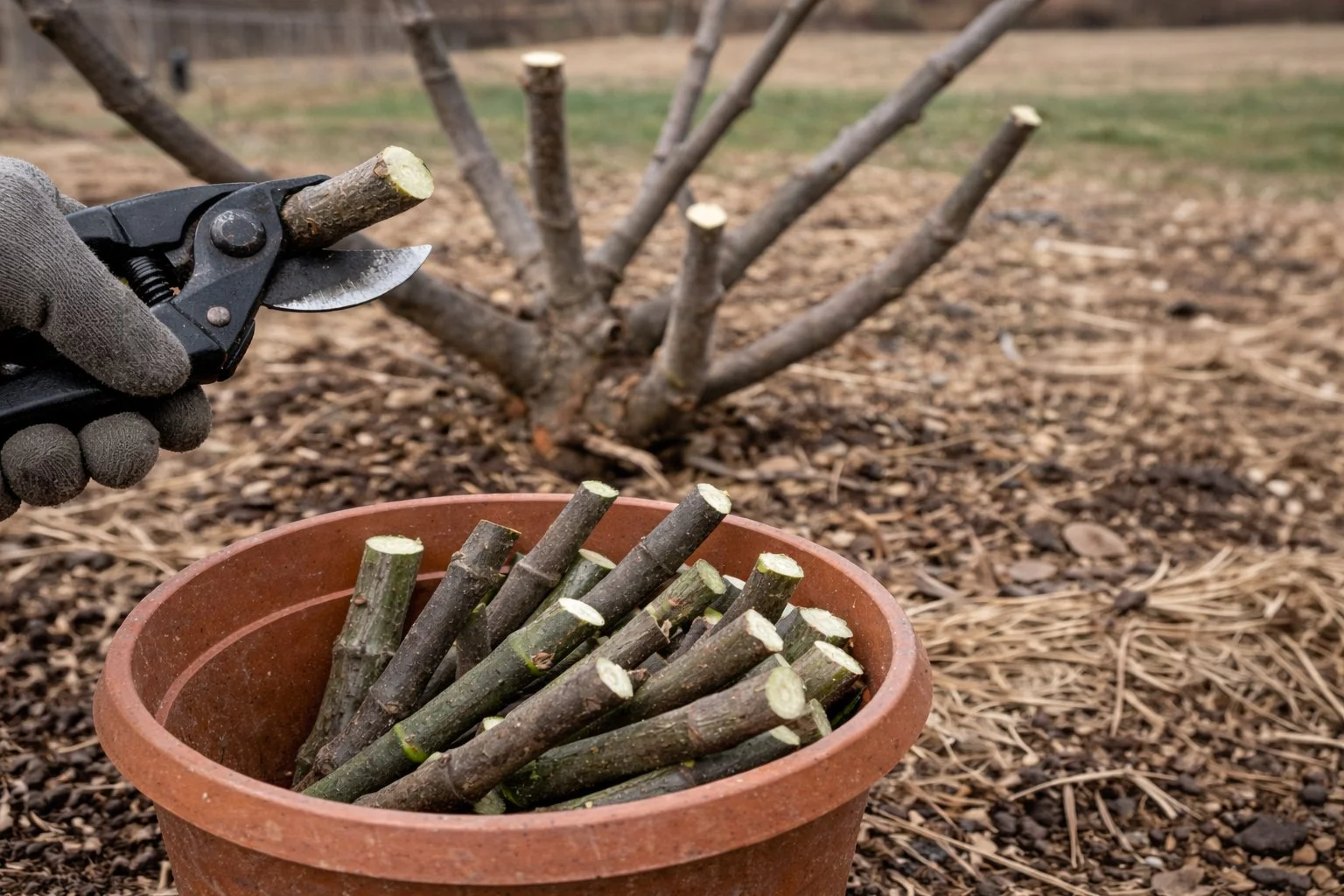
Timing is the single most important variable in fig propagation, and in Zone 7b it plays an even larger role than many growers realize. Fig trees are resilient plants, but their ability to root from cuttings depends heavily on aligning propagation efforts with their natural growth and dormancy cycles. Taking cuttings at the right time dramatically improves success rates, reduces losses, and simplifies every step that follows—from storage to callusing to rooting.
In Zone 7b, the window for successful fig propagation is shaped by winter dormancy, fluctuating temperatures, and early spring warm-ups. Understanding how figs store energy, respond to cold, and transition into growth allows growers to choose propagation timing deliberately rather than relying on trial and error.
Why Timing Matters More Than Technique
Many propagation failures are blamed on rooting media, humidity, or heat mats, but timing often sets the ceiling for success long before those tools come into play. A cutting taken at the wrong time may struggle regardless of how carefully it is handled later.
Fig cuttings rely entirely on stored carbohydrates and internal moisture until roots form. These reserves peak during dormancy, when the tree has completed growth for the season and redirected energy into its wood. Taking cuttings when these reserves are highest gives the cutting a longer window to callus, root, and establish without stress.
Conversely, cuttings taken when the tree is actively growing are already expending energy on leaves and shoots. Once removed from the parent tree, that energy demand becomes unsustainable, and the cutting often fails before roots can form.
The Ideal Window: Full Winter Dormancy
For growers in Zone 7b, the ideal time to take fig cuttings is during full winter dormancy, typically from late December through February. During this period, fig trees have dropped their leaves, sap flow has slowed dramatically, and growth has stopped.
Dormant cuttings offer several advantages. They dehydrate more slowly, resist fungal infection better, and tolerate storage with fewer losses. Dormant wood also calluses predictably when warmed later, making the entire propagation process more controllable.
Cuttings taken during dormancy can be stored safely for weeks or even months, allowing growers to coordinate rooting with available space, equipment, and attention rather than racing against the tree’s internal clock.
Recognizing True Dormancy in Fig Trees
Dormancy is more than leaf drop. True dormancy occurs when buds are tight, stems are firm, and there is no visible swelling at nodes. In Zone 7b, this often follows the first sustained cold periods of winter.
Warm spells can interrupt dormancy temporarily, causing buds to swell even in midwinter. Cuttings taken during these brief interruptions may behave unpredictably, breaking dormancy too early during storage or callusing.
When in doubt, wait. Patience during winter almost always pays off in propagation.
Late Fall Cuttings: Possible but Riskier
Late fall cuttings, taken after leaf drop but before full dormancy, can sometimes root successfully. However, they carry greater risk, particularly in Zone 7b where early freezes and temperature swings are common.
At this stage, the tree may not have fully redirected energy into storage. Cuttings may dry out faster, store poorly, or callus unevenly later. While experienced growers may experiment with fall cuttings, they are not ideal for consistent results.
For most growers, waiting until midwinter produces far more reliable outcomes.
Why Spring Cuttings Often Fail
Spring propagation is tempting. Buds swell, growth resumes, and it feels like the tree should be eager to root. Unfortunately, this is precisely why spring cuttings struggle.
Once sap flow increases, cuttings are prone to bleeding, dehydration, and rapid bud break. Buds push leaves before roots can form, exhausting stored energy and increasing water loss. Without an established root system, many spring cuttings collapse quickly.
Even when spring cuttings survive initially, they often root slowly and unevenly. In Zone 7b, where spring temperatures fluctuate widely, these challenges are amplified.
Spring propagation is possible under controlled greenhouse conditions, but for most backyard growers it introduces unnecessary difficulty.
Summer Cuttings: High Effort, Narrow Margin
Summer cuttings can root, but they demand strict environmental control. High humidity, constant moisture monitoring, shading, and careful temperature management are required to prevent dehydration and rot.
In Zone 7b’s heat and humidity, summer propagation is particularly challenging. Softwood cuttings lose water rapidly and are highly sensitive to environmental stress. Without misting systems or controlled propagation chambers, success rates are low.
Summer propagation may be useful for research, emergency preservation, or advanced growers, but it is rarely the most efficient choice.
Coordinating Propagation With Winter Pruning
One of the greatest advantages of dormant propagation is its natural alignment with winter pruning. Cuttings can be taken from healthy, productive wood removed during routine maintenance, turning pruning into an opportunity rather than waste.
This approach also encourages selectivity. Growers are more likely to choose well-placed, vigorous wood when pruning thoughtfully, improving the overall quality of cuttings.
By synchronizing pruning and propagation, growers reduce labor while increasing success.
Timing and Storage Go Hand in Hand
Choosing the right time to take cuttings simplifies storage. Dormant cuttings tolerate refrigeration or cool storage well, remaining viable for extended periods. Cuttings taken too early or too late often break dormancy prematurely or deteriorate during storage.
Proper timing extends flexibility. Growers can store cuttings through winter and begin callusing or rooting when conditions are optimal, rather than rushing to root immediately.
This flexibility is especially valuable in Zone 7b, where indoor space, heat mats, and light availability may be limited.
How Timing Affects Callusing and Rooting Later
Cuttings taken at the correct time respond more predictably during callusing. Dormant wood warms evenly, forms uniform callus tissue, and transitions smoothly into rooting environments.
Poorly timed cuttings often callus unevenly or break dormancy too early, complicating temperature and light management. These cuttings demand constant adjustment and still produce inconsistent results.
Starting with correctly timed material reduces complexity at every later stage.
Exceptions and Special Circumstances
There are situations where non-dormant cuttings are unavoidable. Storm damage, construction, or disease may force emergency propagation. In these cases, success depends on immediate attention to humidity, temperature, and light.
Even then, growers should expect lower success rates and plan accordingly. Emergency propagation is preservation, not optimization.
Understanding the ideal timing helps growers recognize when they are working outside best practices and adjust expectations.
Practical Guidelines for Zone 7b Growers
For most growers in Zone 7b, the following guidelines produce consistent results:
Take cuttings only during full winter dormancy.
Avoid spring and summer propagation unless conditions are tightly controlled.
Coordinate propagation with winter pruning.
Store dormant cuttings until ready to root.
Let timing do most of the work for you.
These principles reduce losses and simplify decision-making.
Timing Sets the Tone for the Entire Propagation Process
Propagation is a sequence of dependent steps. When the first step—timing—is handled well, every step that follows becomes easier. When timing is ignored, even the best equipment and techniques struggle to compensate.
Choosing the right moment to take fig cuttings transforms propagation from a gamble into a system.
For a complete framework covering timing, wood selection, storage, callusing, rooting environments, troubleshooting, and transplanting young figs, see Fig Propagation & Cutting Techniques.
