Cold-Hardy vs Cold-Resilient Figs: What the Difference Really Means
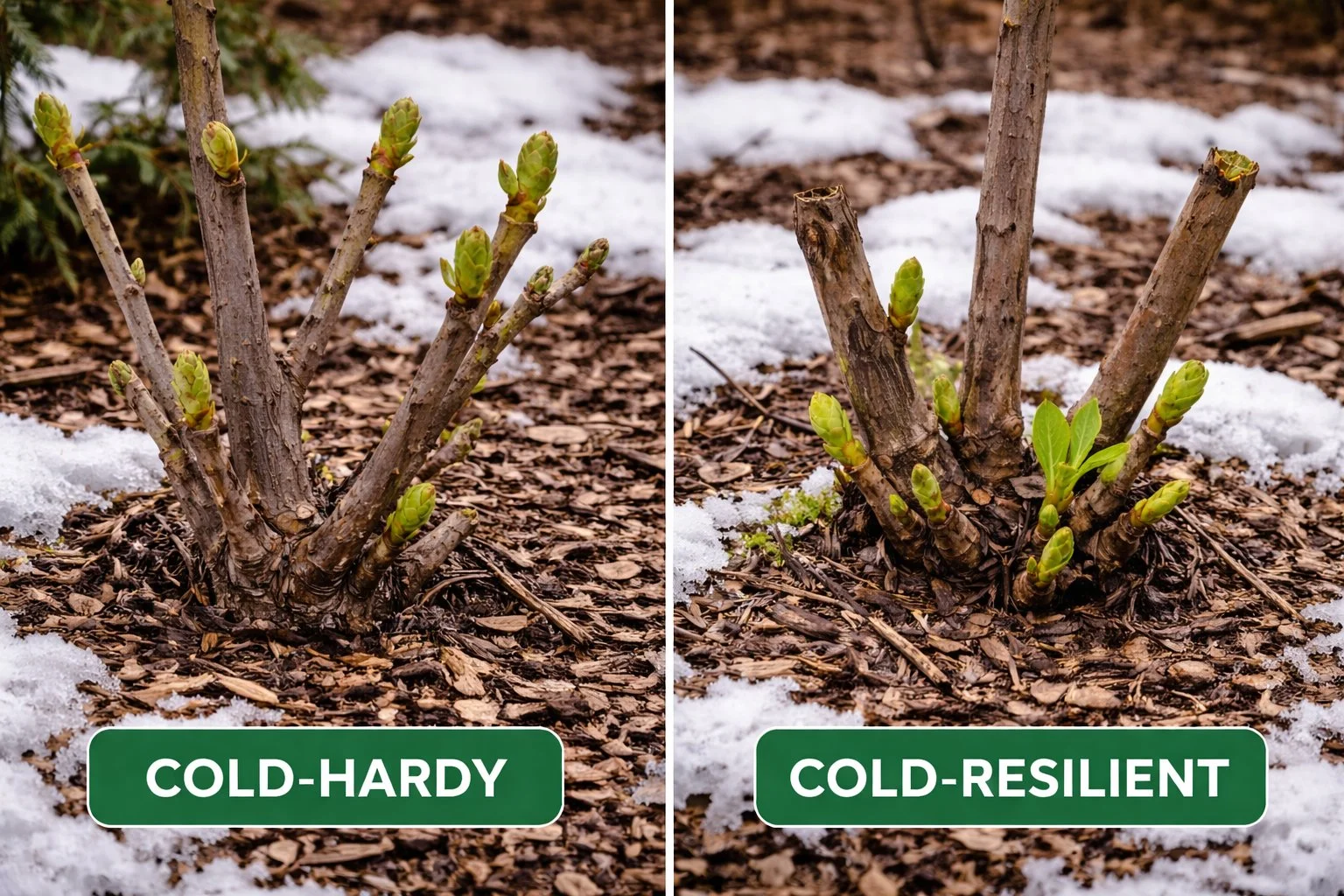
The terms cold-hardy and cold-resilient are often used interchangeably when discussing figs, but in Zone 7b they describe two very different survival strategies. Understanding the distinction helps growers avoid disappointment, choose the right varieties, and decide when winter protection is truly necessary. This article explains what each term actually means in practice—and why confusing them leads to poor planting decisions.
This topic fits into the broader framework of Fig variety selection for Zone 7b, where cold tolerance, ripening windows, and long-term reliability are considered together.
What “Cold-Hardy” Really Means
A cold-hardy fig is one that preserves above-ground wood through typical Zone 7b winters. In mild years, these trees may retain scaffolds and even fruiting spurs, allowing earlier leaf-out and earlier fig development. Cold-hardy varieties are most valuable when winters fluctuate around critical temperatures, as even partial wood survival can significantly improve yield.
However, cold hardiness is not absolute. A variety considered cold-hardy may still lose wood during unusually severe winters. Expectation management is key: cold-hardy does not mean “never freezes,” only that the tree is more likely to keep living branches when conditions are moderate.
What “Cold-Resilient” Actually Describes
Cold-resilient figs take a different approach. These varieties may lose all or most above-ground wood during winter, but they recover quickly from the base or lower trunk. Their value lies in rapid regrowth and early fruiting on new shoots. In Zone 7b, cold-resilient figs often outperform cold-hardy ones after harsh winters because they reset and still ripen a main crop.
Resilience is about recovery speed, not wood survival. A fig that looks dead in March but fruits heavily by August is a classic example of cold resilience.
Why the Difference Matters in Zone 7b
Zone 7b sits at a threshold where some winters preserve wood and others do not. In this environment, a grower relying on cold-hardy wood survival may see excellent crops one year and severe dieback the next. Cold-resilient varieties, while less impressive in mild winters, offer steadier long-term reliability because they are less dependent on surviving branches.
Understanding which strategy a fig uses helps growers predict performance across variable seasons rather than judging a tree by a single winter.
Examples of Each Strategy
Cold-hardy figs tend to include varieties that maintain scaffolds in average winters, producing earlier crops when conditions allow. Cold-resilient figs include many Mt. Etna–type and early-fruiting varieties that rebound aggressively after being frozen to the ground.
Neither strategy is inherently better; success depends on climate patterns, site conditions, and grower goals.
How Winter Protection Changes the Equation
Winter protection blurs the line between cold-hardy and cold-resilient figs. When wood is preserved intentionally, cold-resilient varieties gain many of the benefits usually associated with cold-hardy ones—earlier fruiting and higher yields. Conversely, cold-hardy figs may need little or no protection in favorable microclimates.
This is why protection decisions should be made before selecting varieties, not after.
Choosing the Right Strategy for Your Orchard
Growers prioritizing low effort and consistency often benefit from cold-resilient figs that perform reliably after dieback. Those seeking earlier harvests, breba crops, or premium varieties may favor cold-hardy figs combined with microclimates or protection systems.
Matching fig genetics to your tolerance for risk and labor leads to far better outcomes than relying on labels alone.
Takeaway
Cold-hardy figs survive winter by preserving wood; cold-resilient figs survive by recovering fast. In Zone 7b, where winters vary year to year, understanding this difference is essential. When growers choose varieties based on how they respond to cold—not just whether they freeze—they build orchards that produce consistently despite unpredictable winters.
For a complete framework on choosing figs that actually succeed in this climate, see Fig Variety Selection for Zone 7b.
