How to Bend & Bury Fig Trees for Cold Winters
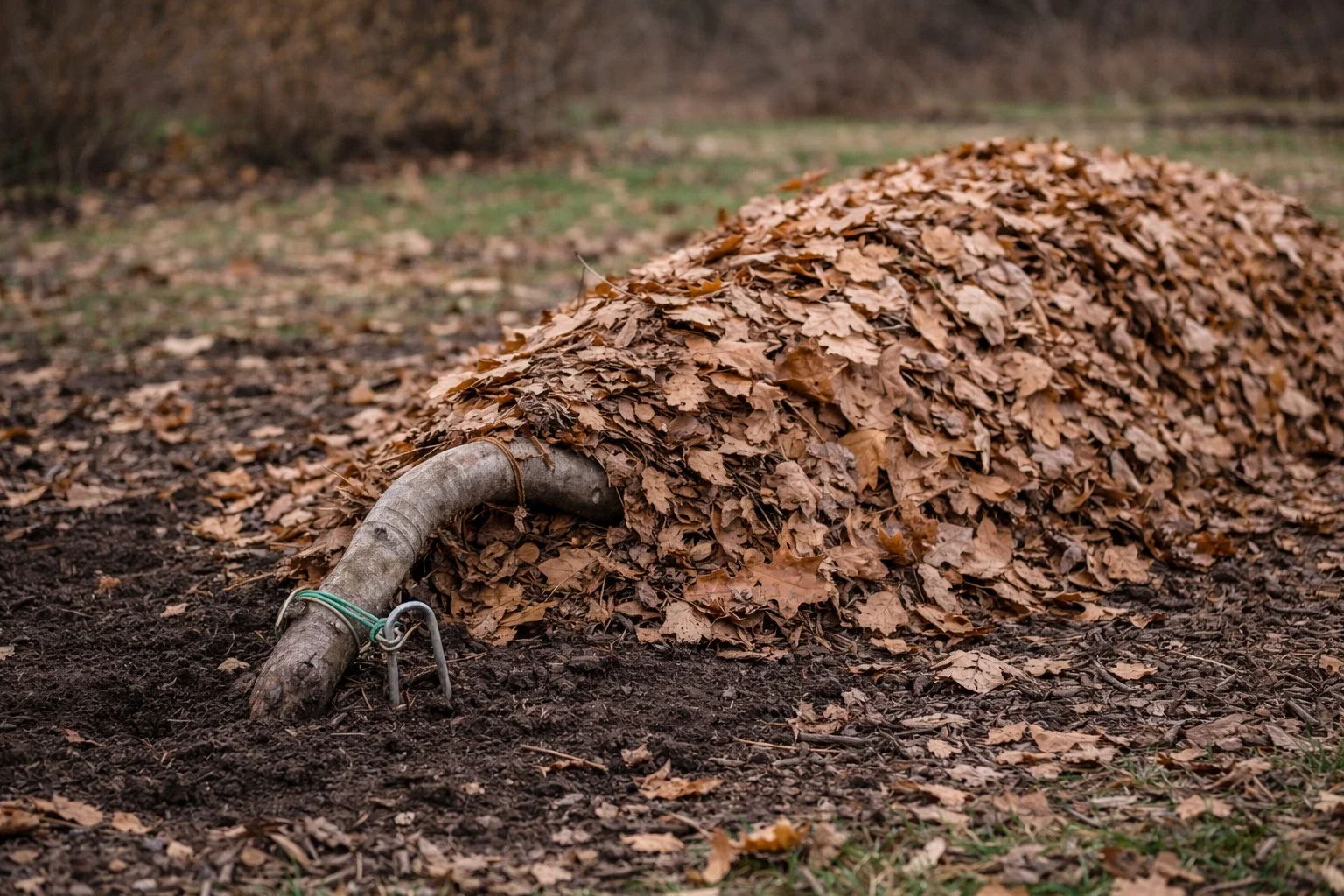
Bending and burying fig trees is one of the oldest and most effective winter protection methods for cold climates. When done correctly, it can preserve nearly all above-ground wood through winters that would otherwise cause severe dieback.
This guide explains how to bend and bury fig trees safely, when this method makes sense, and how to avoid the mistakes that lead to broken trunks or spring rot.
Why Bending and Burying Works
Soil is an excellent insulator. By placing fig branches below ground level, temperatures remain far more stable than in open air. Snow cover further enhances protection, keeping buried wood close to freezing instead of exposing it to extreme cold.
Unlike wrapping alone, burying removes wind exposure and minimizes freeze–thaw cycles that damage bark.
Which Fig Trees Are Good Candidates
Bending and burying works best for figs that are:
Trained low or in bush form
Planted on flexible young wood
Located where digging is practical
Multi-stem figs are easier to bend than single-trunk trees. Very old, rigid trunks may crack or snap if forced.
When to Bend and Bury Fig Trees
Timing is critical. Trees should be fully dormant before bending begins. This usually means:
All leaves have dropped
Several nights of freezing temperatures have occurred
Soil is still workable
Bending too early increases breakage risk. Waiting too late can make soil too frozen to work.
Step-by-Step: How to Bend and Bury a Fig Tree
Start by loosening soil on one side of the tree, opposite the direction you plan to bend. This allows roots to flex rather than tear.
Gently and gradually bend the branches toward the ground. Never force the movement. If resistance is strong, stop and reassess.
Once bent, secure the branches to the ground using landscape staples, boards, or weighted objects. Then cover the tree with soil, followed by dry leaves or mulch to improve insulation and drainage.
Avoid sealing the system airtight. Breathability prevents moisture buildup.
How Deep Is Deep Enough?
Branches should be covered with several inches of soil, enough to block wind and temperature swings. Deeper burial is not always better and can increase moisture problems.
A layered approach — soil first, then dry organic insulation — works best.
Protecting Against Moisture and Rot
Excess moisture is the main risk with buried figs. Avoid burying during wet conditions and never use plastic directly against wood.
Ensure water can drain away from the burial area. Raised beds or sloped sites reduce rot risk significantly.
Spring Uncovering: Go Slow
Do not uncover buried figs too early. Soil should warm gradually, and hard freezes should be unlikely before removal.
Begin by removing outer insulation first, allowing soil to dry before fully exposing branches. Rushing this step often causes more damage than winter cold itself.
The Takeaway
Bending and burying fig trees is a highly effective winter protection method when conditions allow. With careful timing, gentle handling, and attention to moisture control, it can preserve extensive live wood and dramatically improve spring growth.
For a complete overview of cold-weather strategies, materials, and recovery techniques, see Winter Protection & Dieback Prevention for Fig Trees.
