The Fig Farm of Giles County Tennessee
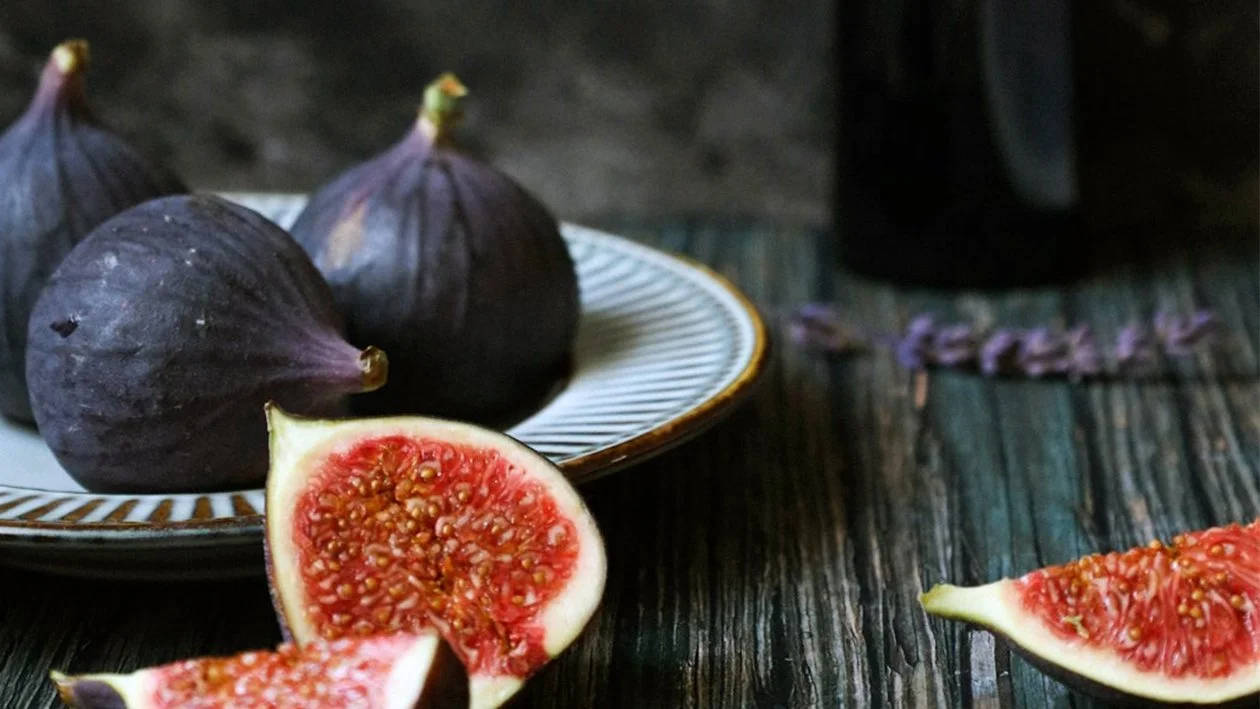
Fig Farm Practices — Understanding Fig Growth Fundamentals in Zone 7b
Growing figs successfully in Zone 7b begins with understanding how fig trees actually grow and produce fruit. Unlike most fruit trees, figs behave in unique ways: they form hidden internal flowers, they set fruit on new wood, they begin next year’s crop during this year’s growth cycle, and they respond intensely to heat, root health, and early-season protection. When you understand these patterns, everything becomes clearer — pruning choices, fertilizing schedules, watering decisions, winter preparation, and even how to diagnose problems before they affect your harvest.
Here on our Tennessee fig farm, we grow figs exactly the way you do: outdoors in real soil, under real weather patterns, with real risks of dieback, drought, humidity swings, and late cold snaps. Every method we teach comes from what we actually do on our land. Our success depends on dependable growth each year, and the best way to get that success is by understanding how figs grow from the inside out.
Figs reward growers who take time to observe. When you learn how buds form, how shoots elongate, how fruit develops, and when the tree shifts its energy through the seasons, you gain the ability to shape healthier trees, grow stronger branches, and produce more reliable crops. This guide gives you a complete foundation in fig biology so you can make informed decisions based on how the tree truly functions.
What Makes Fig Growth Unique? The Hidden Syconium Inside Every Fruit
Most fruit trees bloom openly with flowers that show their reproductive parts. Figs do something entirely different. What we call the “fig fruit” is actually a hollow, upside-down flower structure called a syconium. All of the flowers are hidden safely inside that chamber, protected from wind, frost, and pollinators. This is why figs never appear to bloom, and why common fig varieties can produce fruit without pollination.
Inside each developing fig are hundreds of tiny flowers lining the interior wall. As the tree grows, those internal flowers mature into seeds and sweet edible flesh. Because the fig’s reproductive system is enclosed, temperature swings and stress events affect them differently compared to other fruit crops. Instead of blossom drop, figs may show slowed fruit development, delayed sizing, or the premature abortion of small fruitlets.
Understanding the syconium helps explain why figs often begin forming their fruit very early in the season. Many varieties initiate their tiny syconia during the previous year’s growth, storing them through winter. When shoots elongate in spring, these tiny figs resume growth. This early formation is one reason winter dieback is so damaging: if the previous year’s wood is lost, the first potential crop is lost with it.
The Two Growth Streams That Power Every Fig Tree
Every fig tree grows in two parallel streams: vegetative growth and reproductive growth. Vegetative growth includes shoots, leaves, and the expanding root system. This growth fuels the tree’s energy production, canopy structure, and overall vigor. Reproductive growth, on the other hand, includes the formation of main-crop syconia on new shoots, the enlargement of overwintered breba figs on older wood, and the formation of next year’s fruit buds during the same season you are currently in.
This dual system can surprise growers. While your tree is ripening fruit for the current summer, it is also busy forming the fruiting buds that will become next year’s crop. That means the choices you make today — how much nitrogen you apply, how heavily you prune, how well you irrigate, and how you protect the tree late in the season — all influence next year’s harvest potential. A fig is never working on just one crop. It is always balancing this year's fruit and next year’s buds simultaneously.
How Nodes and Internodes Control Yield Potential
A fig tree grows in small repeating units called nodes. Each node is where a leaf, a bud, or a fig may form. The space between nodes is the internode. These tiny segments determine much of your tree’s productivity. Strong, well-formed nodes often produce healthier leaves, better buds, and more reliable fruit. Weak or stressed nodes usually produce less.
Short internodes often indicate that the tree experienced stress during shoot formation, which may come from nutrient imbalance, insufficient irrigation, excessive shade, or rootbinding if the tree is in a container. Long internodes may indicate too much nitrogen, too little sunlight, or overly vigorous growth that sacrifices fruiting potential. Balanced internode spacing usually reflects strong root health, good sunlight exposure, and proper nutrition. By learning to read internode patterns, you can spot problems early enough to correct them before the season is impacted.
The Three Major Seasonal Growth Phases of a Fig Tree
To manage a fig orchard well, it helps to understand how a fig tree shifts its energy throughout the year. Each phase has a dominant purpose, and knowing what the tree is trying to accomplish allows you to support it effectively.
Phase One — Post-Dormancy Activation in Early Spring
Growth begins when soil temperatures rise to around 50–55°F. At this moment, the tree awakens using stored carbohydrates from the previous season. Early shoots emerge before leaves can fully photosynthesize, which means the tree is briefly running on reserves. This stage is especially sensitive to the quality of winter protection. If the tree suffered dieback, its early growth will be delayed or weakened. Root health plays a major role here as well, because the tree relies on its underground system to deliver the moisture and nutrients needed for first-stage growth.
Phase Two — Rapid Shoot Elongation and Fruit Initiation
As temperatures warm, the tree enters a period of fast extension growth. Shoots lengthen rapidly, leaves expand, and tiny syconia begin to appear at the base of each leaf stem. This is the most important phase of the entire year. The tree is setting the current season’s fruit and also forming the buds for next year’s crop. Any stress during this time — drought, nutrient imbalance, heat waves, or poor soil moisture regulation — can reduce both this year’s yields and the following season’s potential. The foundation of your orchard’s productivity is created during this window.
Phase Three — Hardening Off, Fruit Ripening, and Storage Building
Late in the season, the tree shifts away from rapid growth and focuses on strengthening its wood, ripening its fruit, and storing carbohydrates for survival through winter. Growth slows as the tree prepares itself for cold weather. In Zone 7b, where winter dieback is a real threat, this phase is essential. Trees that harden well and go into dormancy with strong reserves are far more likely to maintain one-year wood — which means they are far more likely to produce a full crop the next year.
Environmental Forces That Shape Fig Growth in the South
Figs respond intensely to environmental conditions. Heat units drive fruit development; light exposure determines bud quality, internode spacing, and overall productivity; soil moisture controls whether the tree maintains or aborts developing figs; and nutrient availability dictates whether the tree invests its energy into leaves or fruit. Stress events such as sudden heat spikes or erratic watering often lead to premature fruit drop. Understanding these environmental pressures helps you prevent avoidable losses and maintain consistent production in challenging Southern climates.
Why Bud Types Matter for Pruning and Orchard Planning
A fig tree carries several kinds of buds, each with a specific role. Vegetative buds grow leaves and shoots, main-crop buds turn into figs on new growth, and breba buds form during the previous year and grow into early figs on older wood. Knowing where these buds form and how they develop determines how you prune your tree, how much wood you preserve, and how you train branches for future productivity. For growers in Zone 7b, where winter injury is common, this knowledge is essential. Preserving one-year wood usually means preserving next year’s crop.
What Fig Growth Looks Like Throughout the Season
If you were to walk your orchard at three points during the year, you would see very different signals from your trees. In early spring, buds swell and reveal which branches survived winter. In late spring, shoots extend and tiny figs appear, allowing you to estimate your crop load and read the health of your tree. By mid- to late summer, a well-managed canopy shows good light penetration, strong branch structure, and fruit developing at a steady and predictable pace. Late in the season, you would notice next year’s buds forming behind this year’s ripening figs, creating a layered look that teaches you exactly where future production will occur.
Turning Growth Knowledge Into Orchard Success
Understanding fig biology is only useful if it helps you make better decisions. Once you grasp how the tree grows, pruning becomes clearer, fertilization becomes more strategic, irrigation becomes more consistent, and winter protection becomes far more effective. You’ll also become more skilled at diagnosing issues early, whether it’s a nitrogen imbalance leading to excessive vigor, a moisture problem causing small leaves, or environmental stress leading to fruit drop. When you can look at a branch and immediately see what the tree is telling you, you have reached a level of understanding that transforms your entire orchard approach.
The Takeaway — A Professional Grower’s Mindset
When you walk your orchard and can identify last year’s wood, this year’s developing figs, and next year’s forming buds, you begin to see your trees in a new light. You develop the mindset of a professional grower — someone who understands not just what the tree is doing today, but what it is preparing to do tomorrow. With that understanding, every decision becomes easier, and your results become more consistent year after year.
Explore our core fig-growing guides, developed and tested on our Tennessee fig farm for reliable Zone 7b results.
• Fig Propagation
Essential methods for cuttings, rooting, and early growth success
→ Jump to Fig Propagation
• Pruning & Training
Techniques that improve yield, strengthen structure, and prevent dieback
→ Jump to Pruning & Training
• Fertilization & Nutrition
Balanced feeding for vigorous growth and long-term health
→ Jump to Fertilization & Nutrition
• Watering & Irrigation
Reliable moisture strategies for strong roots and high-quality fruit
→ Jump to Watering & Irrigation
• Winter Protection
Field-tested methods to preserve more live wood and ensure spring survival
→ Jump to Winter Protection
• Pest & Disease Management
Prevent, diagnose, and treat the most common fig problems the right way
→ Jump to Pest & Disease Management
• Fig Varieties & Cultivar Profiles
What to grow and why — flavor, hardiness, ripening times, and more
→ Jump to Fig Varieties & Cultivars
• Fig Orchard Management
How to build, maintain, and grow a healthy, productive fig orchard
→ Jump to Fig Orchard Management
• Growing Figs in Containers
Successful methods for pots, tunnels, low tunnels, and indoor systems
→ Jump to Container Growing
• Harvesting & Post-Harvest Care
When to harvest figs and how to handle fruit after picking to preserve flavor, texture, and shelf life
→ Jump to Harvesting & Post-Harvest Care
Explore Fig Farm Practices
Fig Propagation
Techniques That Ensure High Rooting Success, Strong Early Growth, and Healthy Fig Trees
Essential Methods for Cuttings, Rooting, and Early Growth Success
Growing fig trees successfully begins with proper fig propagation. Strong, healthy fig trees start with carefully selected cuttings, clean techniques, and controlled rooting conditions. After years of hands-on fig propagation work in Tennessee, we’ve learned that consistent success comes down to timing, sanitation, temperature control, and root-zone management.
Whether you are rooting a few fig cuttings at home or preparing dozens for a future orchard, the fundamentals remain the same: choose the right wood, keep tools and media clean, and provide each cutting with the stable environment it needs to develop strong roots. These early decisions directly affect vigor, cold tolerance, and long-term productivity.
To learn the exact fig propagation methods we use to collect, store, sanitize, and root cuttings with professional-level success, visit our full guide below.
→ Read Fig Propagation Guide
At Giles County Figs, we test every fig propagation system we teach — from dormant hardwood cuttings and heat-mat setups to humidity control, rooting chambers, and bottom-watering techniques. If you’ve struggled with rot, mold, or weak root development, you’re not alone. With a proven process and a few critical adjustments, fig rooting success can increase from 40–50% to well over 90%.
Pruning and Training Fig Trees
Techniques That Improve Yield, Strengthen Structure, and Prevent Dieback
Building Strong, Productive Fig Trees in Zone 7b
Pruning fig trees is about far more than shaping branches — it is the key to building strong structure, improving airflow, encouraging early and consistent fruiting, and reducing winter dieback. In Zone 7b, where figs must balance vigorous summer growth with cold-season survival, proper pruning directly determines yield, tree longevity, and recovery after winter injury. When figs are pruned correctly, they respond with cleaner branching, stronger regrowth, and more reliable production throughout the growing season.
At Giles County Figs, we use several pruning and training systems based on the tree’s age, planting method, and long-term purpose. These include open-vase pruning, central-leader development, multi-stem systems, and adaptive training strategies that perform well under variable winter conditions. Training young fig trees correctly establishes the framework for future harvests, influencing fruit load, disease resistance, ease of maintenance, and how quickly trees rebound after cold damage.
We focus closely on cut timing, branch angle management, productive wood selection, and maintaining the right balance between vegetative growth and fruiting potential. These decisions matter more than most growers realize, especially in climates where late frosts, dieback, and regrowth cycles are common.
To learn exactly how we prune and train fig trees for strong structure, balanced growth, and dependable yields — including when to prune, how much wood to remove, and how we manage productive branches year after year — explore our complete guide below.
Fertilization and Nutrition for Fig Trees
Balanced Nutrition Practices for Vigorous Growth and Long-Term Productivity
Feeding Fig Trees for Strong Growth and Abundant Fruit in Zone 7b
Fig trees are often described as low-maintenance, but in a nursery or orchard setting, proper fertilization and nutrition management are essential for vigorous growth and consistent fruit production. A fig tree’s nutrient requirements change as it progresses from cutting, to container-grown plant, to mature orchard tree. Inadequate nutrition leads to pale foliage, weak branching, and reduced yields, while excessive fertilization—especially high-nitrogen blends—promotes excessive vegetative growth, delayed fruiting, and increased susceptibility to winter injury.
At Giles County Figs, we use balanced, season-specific nutrition strategies designed around how fig trees naturally grow in Zone 7b climates. Container-grown figs perform best with slow-release fertilizers and bark-based growing media that encourage steady root development. Orchard trees benefit from targeted spring nitrogen to support early growth, calcium and potassium during fruit set and development, and careful nutrient moderation in late summer to prevent soft, cold-sensitive growth.
We also rely on visual nutrient indicators—leaf color, internode spacing, shoot vigor, and fruit response—combined with soil and media testing to fine-tune fertility throughout the growing season. Proper nutrition management improves fruit size and quality, strengthens cold tolerance, and supports long-term tree health and productivity in Zone 7b conditions.
To learn the exact fertilizer timing, soil mixes, and nutrition programs we use to grow productive fig trees in Zone 7b, explore our complete guide below.
Managing Irrigation and Moisture for Healthy Fig Trees in Zone 7b
Giving Fig Trees Exactly What They Need — No More, No Less
Watering fig trees may seem simple, but consistent irrigation and moisture management are among the most important factors affecting fruit quality, root development, and disease prevention. Fig trees thrive when their roots have steady access to moisture without becoming saturated. Excess water leads to weak growth, root stress, and diluted fruit flavor, while insufficient watering causes plant stress, reduced fruit size, and premature fruit drop. Successful fig irrigation is about balance—and understanding how figs respond to changing weather, soil conditions, and container environments.
At Giles County Figs, we rely on controlled irrigation systems that remove guesswork and support healthier, more productive fig trees in Zone 7b. In-ground orchard plantings benefit from drip irrigation systems that deliver precise, consistent moisture directly to the root zone. Container-grown figs require a different approach, with closer monitoring, occasional bottom-watering, and frequent adjustments based on temperature, growing media, pot size, and tree age. As fig trees mature, their water requirements change, and knowing when to increase or taper irrigation has a direct impact on fruit set, flavor, and overall yield.
To learn the exact watering schedules, irrigation layouts, moisture indicators, and drought-response strategies we use for both orchard and container-grown figs, explore our complete guide below.
→ Read Watering & Irrigation Strategies for Healthy Fig Trees
Watering and Irrigation for Fig Trees
Reliable Moisture Strategies for Strong Roots and High-Quality Fruit
Winter Protection for Fig Trees
Field-Tested Ways to Preserve More Live Wood and Ensure Spring Survival
Preserving Live Wood and Gaining a Measurable Spring Advantage
Helping Fig Trees Survive — and Thrive — Through Real Cold
Fig trees are resilient, but in a true Zone 7b winter, even well-established varieties can suffer significant dieback without thoughtful protection. Winter care is not about pampering fig trees—it is about preserving live wood, maintaining structure, and giving trees a measurable head start each spring. After years of hands-on experimentation with wraps, insulation systems, low tunnels, ground heat retention, and microclimate management, we’ve learned that small, strategic adjustments can dramatically increase how much productive wood survives winter.
At Giles County Figs, every winter protection method we teach is tested in our own Tennessee orchard. We use and compare heavy mulching, trunk and scaffold wrapping, bent-branch insulation, low tunnels, and emerging approaches such as thermal mass heat retention, sand-battery concepts, and controlled ventilation within protected structures. Some techniques perform exceptionally well; others look promising online but fail under real-world southern winter conditions. Our focus is practical and results-driven—helping growers reduce dieback, prevent structural loss, and achieve earlier, more reliable fruiting each season.
To learn the exact winter protection strategies we use to safeguard fig trees through real Tennessee winters—including wraps, insulation systems, low tunnels, heat retention, and microclimate design—explore our complete guide below.
Fig Pest and Disease Management
Prevent, Diagnose, and Treat Common Fig Problems the Right Way
Identifying, Preventing, and Managing Common Fig Pests and Diseases
Protecting Fig Trees with Knowledge, Timing, and Prevention
Fig trees are naturally resilient, but even tough varieties face challenges from pests and fungal diseases, especially in humid Zone 7b climates. Learning to recognize early signs of fig rust, leaf blight, scale insects, root stress, and fruit spoilage often makes the difference between a strong harvest and a disappointing season. Most fig problems are manageable when caught early, and in many cases, prevention and timing matter far more than treatment. Understanding how figs respond to stress—and how environmental conditions influence disease pressure—is the foundation of effective management.
At Giles County Figs, we focus on prevention-based pest and disease control. That starts with smart site selection, pruning for airflow, maintaining clean orchard floors, removing infected foliage promptly, and monitoring for scale insects before populations become established. When cultural practices are strong, chemical interventions are rarely necessary. We also teach growers how seasonal weather patterns affect disease development, how moisture cycles influence fungal pressure, and how maintaining overall tree vigor helps figs naturally resist pests and infections.
To learn how we identify, prevent, and manage common fig problems—including rust, blight, scale insects, fruit souring, and stress-related disorders—explore our complete guide below.
Fig Varieties and Cultivar Profiles
What to Grow and Why: Flavor, Hardiness, Ripening Times, and More
Choosing Fig Varieties That Perform Reliably in Zone 7b
Selecting the Right Fig Trees for Your Climate, Goals, and Growing Style
With hundreds of named fig varieties available, choosing the right cultivar can feel overwhelming—especially for growers in Zone 7b, where winter cold, spring variability, and summer humidity all influence performance. Each fig variety differs in flavor, fruit size, ripening window, cold tolerance, growth habit, and overall vigor. Some figs thrive in humid southern climates, while others perform best in drier heat. Certain varieties produce early and reliably in Zone 7b, while others require a longer season or additional protection to reach their full potential. Understanding these differences is the key to selecting fig trees that match both your climate and your goals—whether you’re growing for fresh eating, preservation, or dependable production.
At Giles County Figs, we evaluate fig cultivars under real Tennessee growing conditions rather than relying on catalog descriptions. We observe how each variety handles winter dieback, how quickly it recovers in spring, the quality and timing of breba and main crops, and how well fruit holds up during periods of summer rain. This field-based testing allows us to identify fig varieties that perform consistently and predictably in Zone 7b orchards and gardens.
To explore the fig cultivars we’ve found to perform best in Zone 7b—including cold-hardy selections, early-ripening varieties, and orchard-tested favorites—visit our complete guide below.
Fig Orchard Management
How to Build, Maintain, and Grow a Healthy, Productive Fig Orchard
Building a Productive, Long-Lived Fig Orchard from the Ground Up
Building a Productive, Healthy Fig Orchard from the Ground Up
A successful fig orchard is never accidental. It is built deliberately, season by season, through thoughtful planning, consistent maintenance, and a clear understanding of how fig trees grow in a real, in-ground landscape—not a controlled container environment. Orchard-grown figs face a different set of challenges: soil variability, wind exposure, winter temperature extremes, spacing pressures, long-term root behavior, and competition for water and nutrients. The decisions made early—row spacing, tree placement, pruning strategy, and soil preparation—shape orchard performance for decades to come.
At Giles County Figs, we focus on orchard systems that promote long-term strength, resilience, and ease of management. This includes structured planting layouts, mulching strategies that conserve moisture and suppress weeds, irrigation approaches that encourage deep rooting, and pruning methods adapted specifically to Zone 7b winter behavior. A well-designed orchard should be easy to walk, simple to maintain, and optimized for airflow and sunlight. We also teach growers how to monitor tree vigor, assess trunk and scaffold development, prevent overcrowding, and make mid-season adjustments that improve yield, health, and longevity.
To learn how we design, plant, and manage in-ground fig orchards for reliable growth and long-term productivity in Zone 7b, explore our complete guide below.
Growing Fig Trees in Containers
Growing Figs Successfully in Pots, Tunnels, Low Tunnels, and Indoor Systems
Flexible Systems for Faster Fruiting and Complete Root Control
Growing figs in containers opens possibilities that in-ground planting simply can’t match. Container systems give growers precise control over soil composition, moisture levels, and root development while avoiding the limitations of poor or variable native soils. They also allow trees to be moved into protected environments during winter, extending growing potential in colder climates. For many growers, container culture is the fastest path to early fruiting, often producing stronger yields than in-ground trees during the first several years.
At Giles County Figs, we raise hundreds of container-grown fig trees each year using bark-based media, fabric pots, and bottom-watering systems designed to encourage dense, healthy root structure without compaction. Fertility and irrigation demands change more rapidly in containers, requiring close attention to heat, pot size, and seasonal growth stages. Long-term success also depends on timely root pruning or pot upsizing to prevent decline. These details separate stressed container trees from consistently productive ones.
To learn the exact container methods we use — including pot selection, media recipes, watering strategies, and professional nursery management techniques for Zone 7b — explore our complete guide below.
Harvesting & Post-Harvest Care for Peak-Quality Figs
Harvesting figs is both the most rewarding and the most unforgiving stage of the growing season. Unlike most orchard fruit, figs do not continue ripening after harvest—every bit of sweetness, aroma, and texture must develop fully on the tree. Picking too early produces bland fruit; waiting too long invites splitting, souring, and loss in heat and humidity.
This section focuses on recognizing true ripeness, harvesting figs gently without damaging their delicate skin, and managing post-harvest handling to preserve quality. Topics include harvest timing in Zone 7b, preventing splitting and souring, rapid cooling, short-term storage, and simple grading strategies for fresh eating or small-scale sales. The harvesting and post-harvest care index brings these practices together into a clear system that protects flavor, reduces waste, and ensures figs reach the table at their peak.
Harvesting & Post-Harvest Cares
Techniques for harvesting figs at peak ripeness and preserving flavor, texture, and quality after picking.
About Giles County Figs
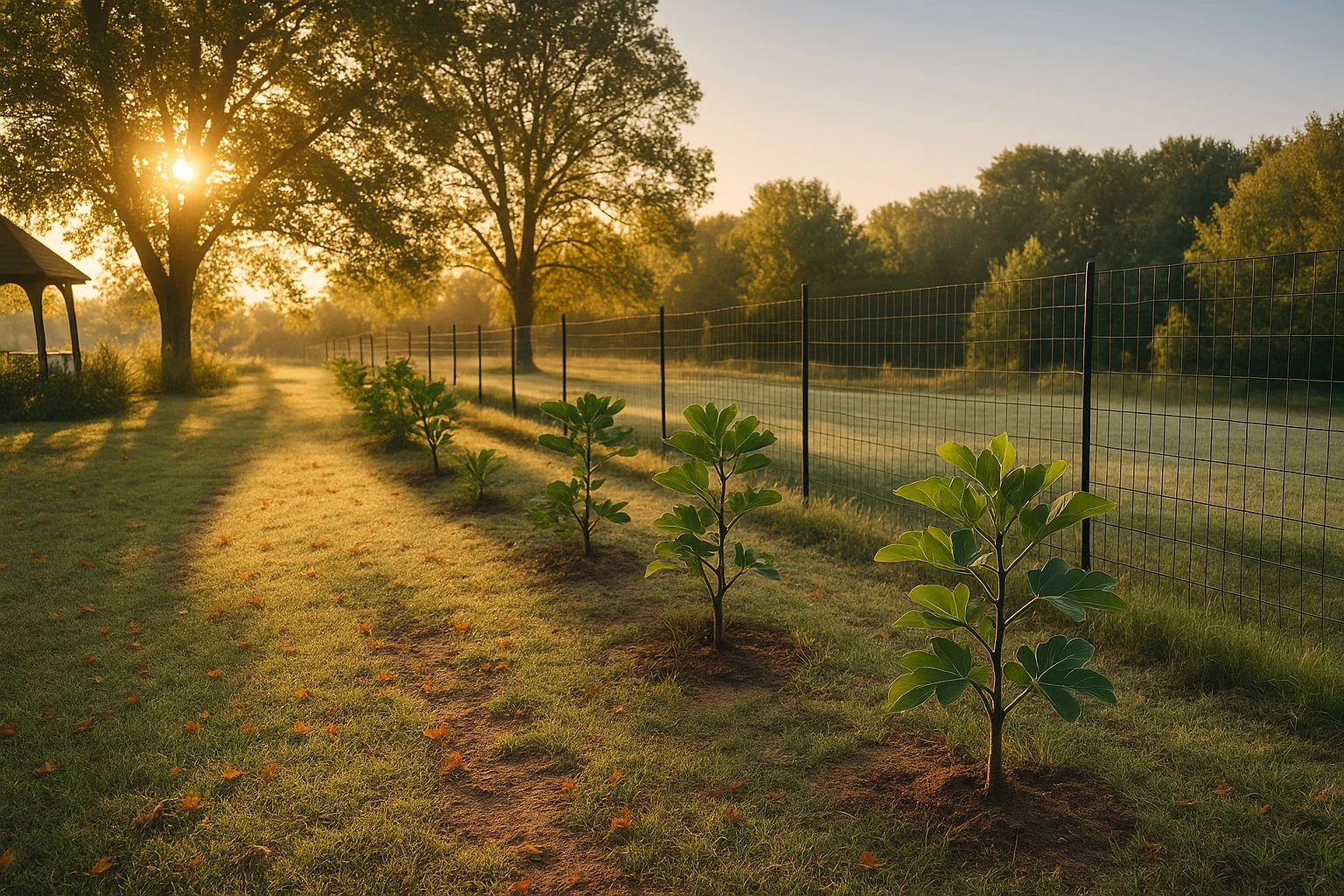
At Giles County Figs, we’re building something simple and beautiful — a small, intentional fig orchard rooted in Zone 7b and cared for with hands-on experience, daily observation, and a love for the craft of growing exceptional figs.
What started as a few cuttings has grown into a teaching-focused fig farm where we document everything we learn: how to protect figs in winter, how to prune for strong yields, how to start cuttings successfully, and how to grow figs in real Tennessee soil and weather.
Our mission is to help new growers avoid the confusion and trial-and-error that often slow beginners down. Every lesson, every photo, and every experiment comes directly from our own orchard here in Pulaski, Tennessee.
We’re glad you’re here — let’s grow figs together.