Fig Farm Practice Supporting Articles.
Professional guides to growing figs in Zone 7b
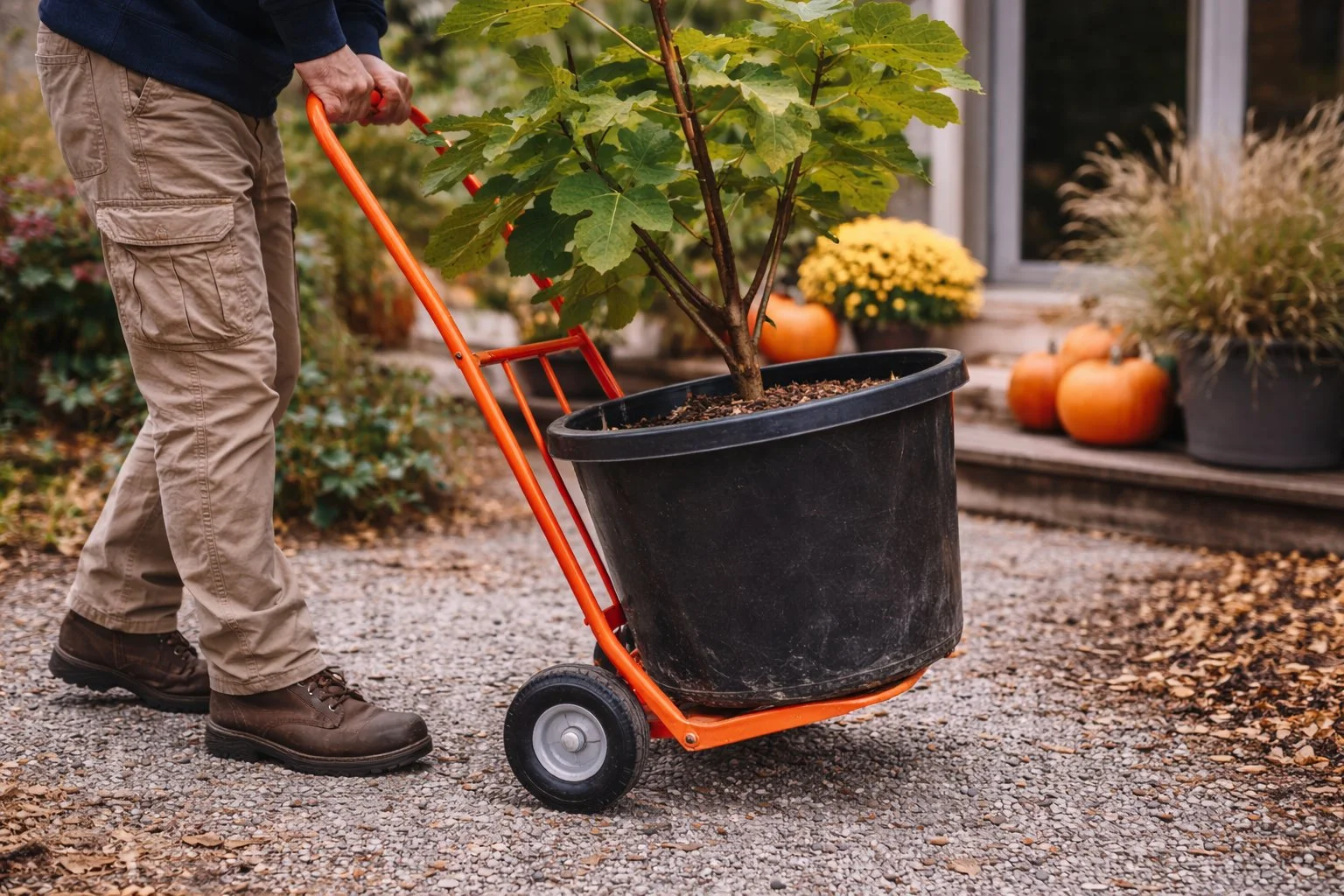
Seasonal Movement of Container Fig Trees: When and How to Relocate Without Stress
One advantage of container figs is mobility, but moving trees at the wrong time can cause stress. Knowing when and how to relocate container figs allows growers to protect trees, improve growth, and extend the season safely.
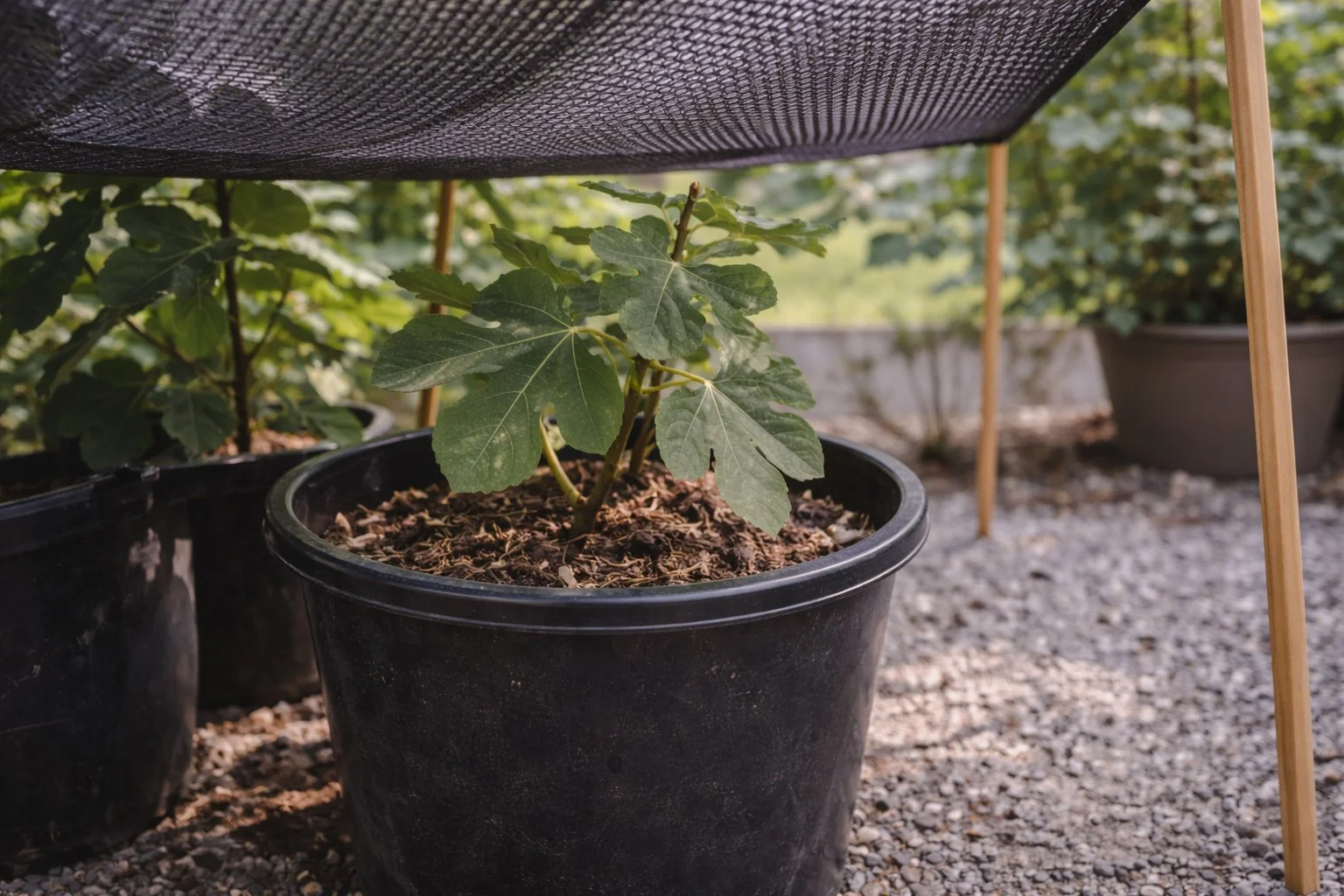
Managing Heat Stress in Container Fig Trees
Containers amplify heat, especially during summer. Understanding how high temperatures affect fig roots — and how to cool, shade, and water strategically — helps prevent stalled growth, leaf stress, and fruit loss.
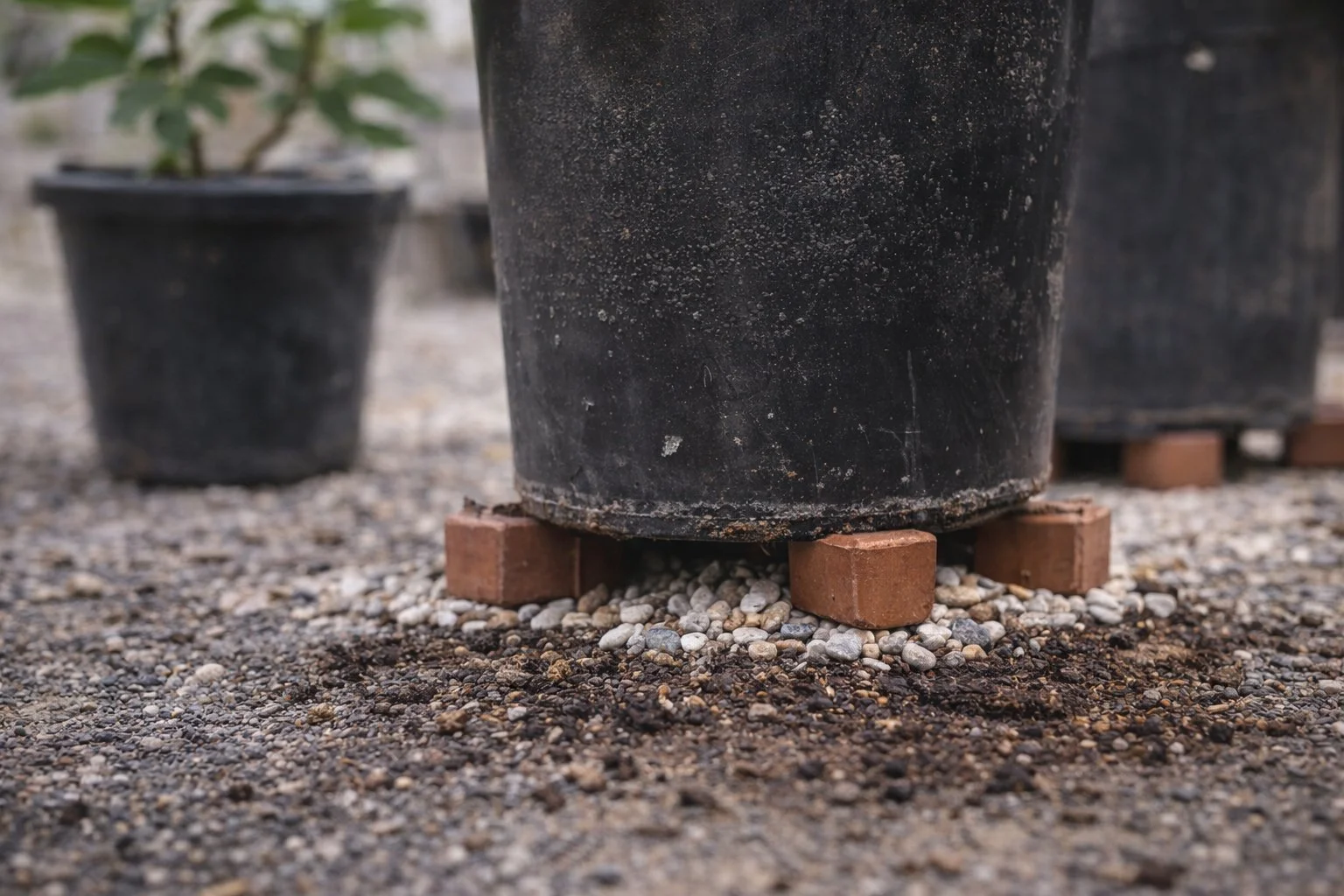
Drainage, Pot Feet, and Elevation: Preventing Root Rot in Container Figs
Poor drainage is one of the most common causes of failure in container figs. Elevating pots, improving airflow, and allowing excess water to escape are simple steps that dramatically reduce root rot and long-term stress.
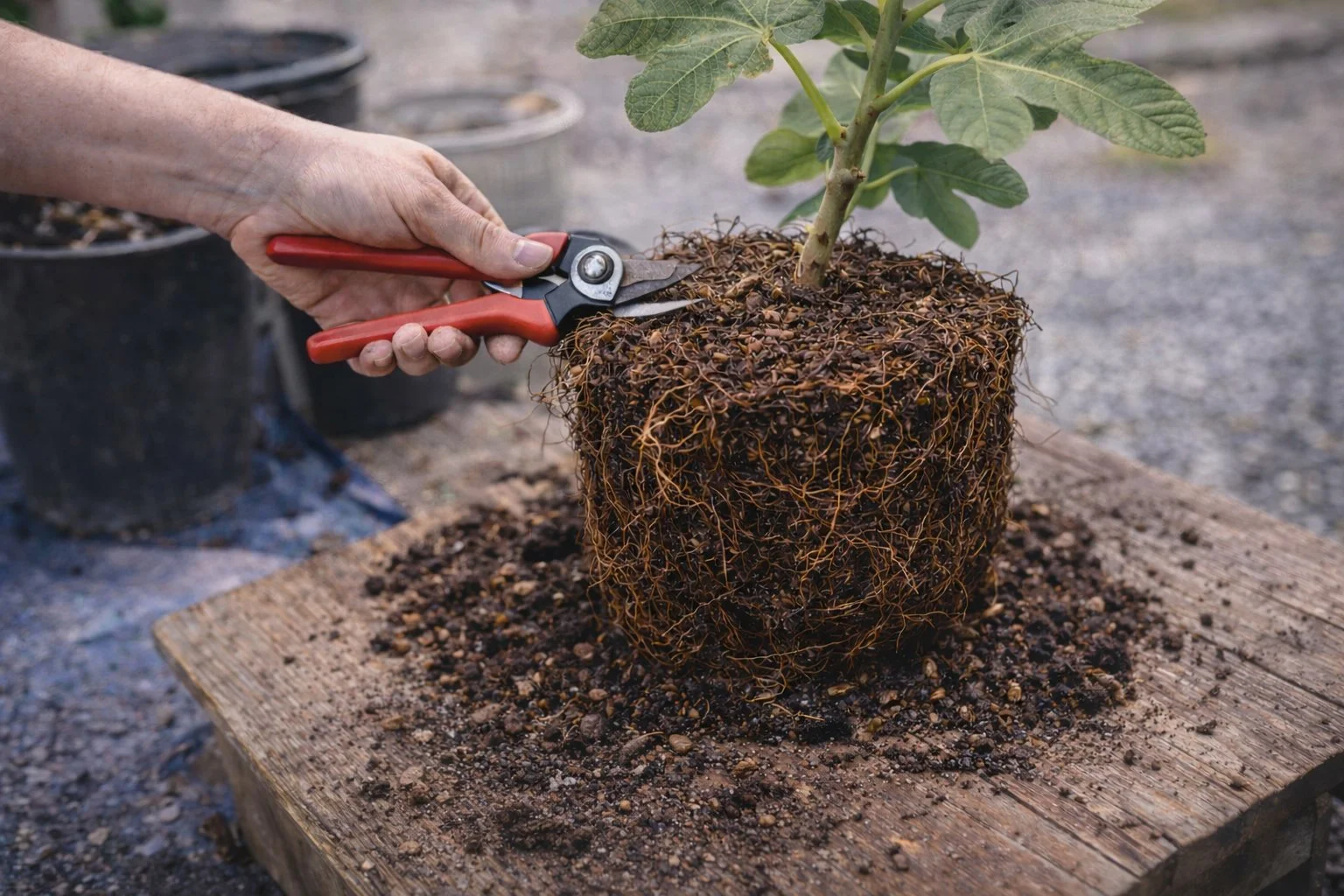
Managing Root Pruning and Repotting for Long-Term Container Fig Health
Container-grown figs eventually outgrow their root space, even with good care. Learning when and how to root prune and repot keeps fig trees healthy, balanced, and productive for many years instead of slowly declining from root congestion.
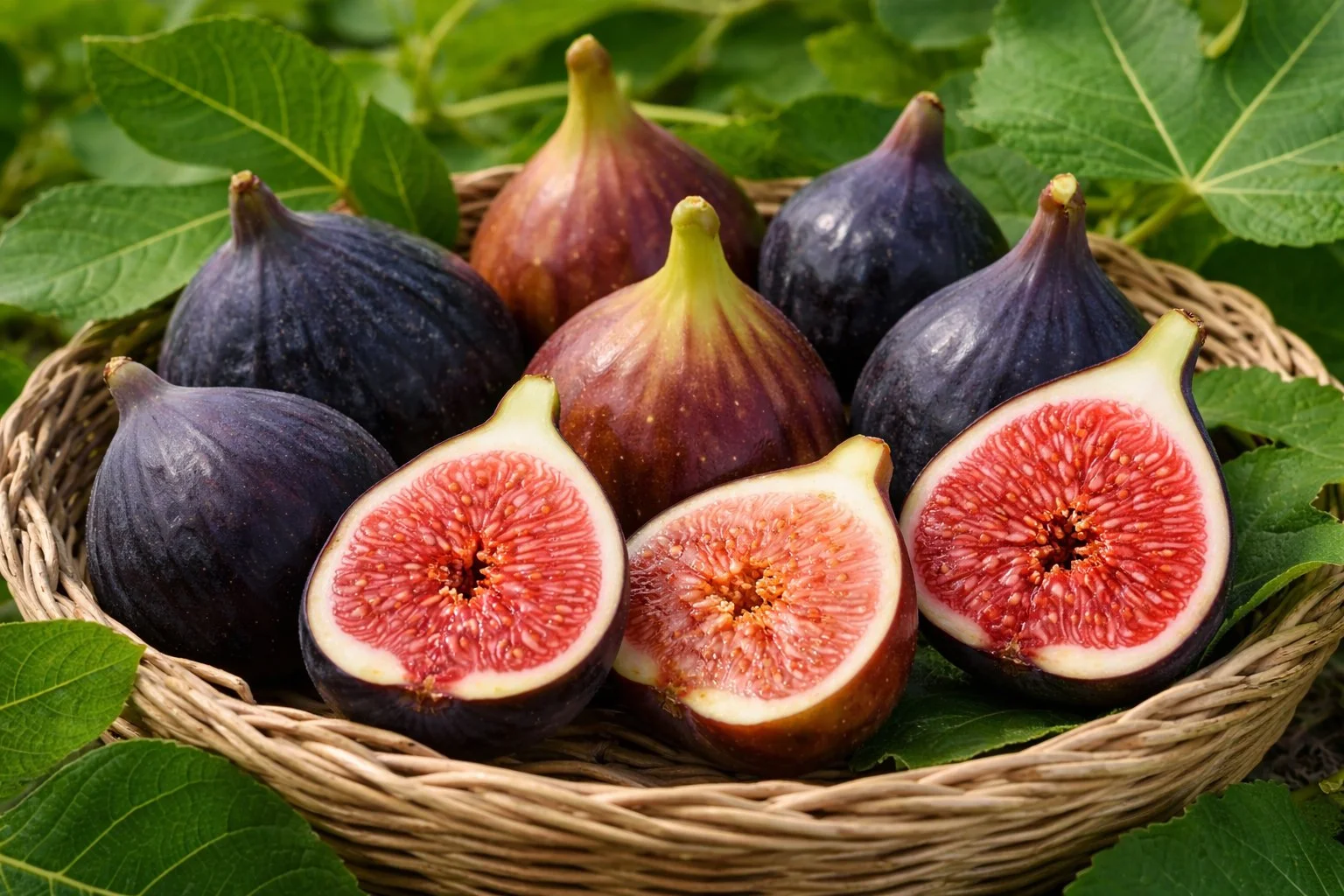
Best Fig Varieties for Container Growing in Zone 7b
Not all fig varieties are equally suited to container growing, especially in cooler regions. Selecting varieties with compact growth habits, reliable fruiting, and good cold tolerance helps container-grown figs thrive and produce consistently in Zone 7b.
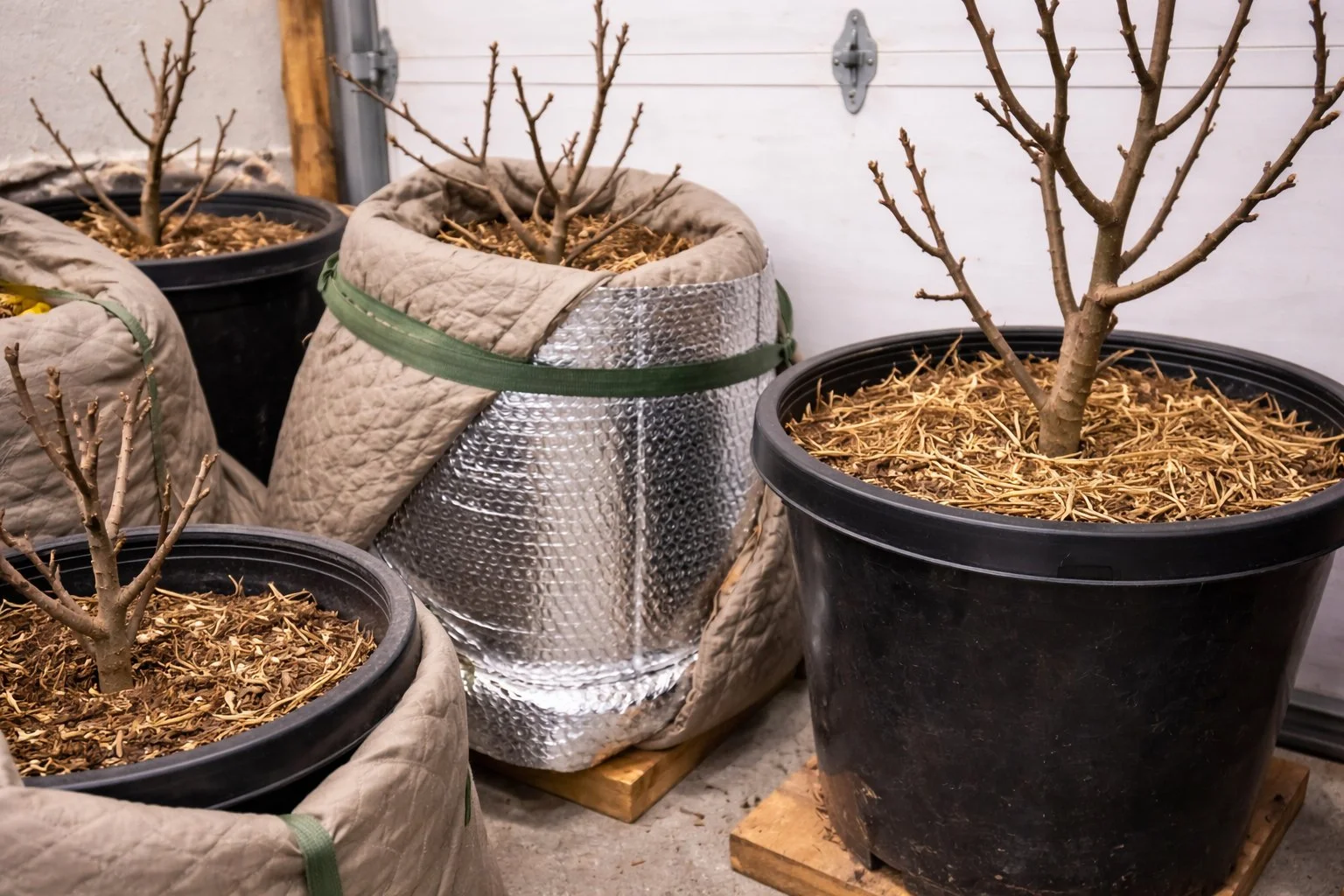
Overwintering Container Fig Trees in Cold Climates (Zone 7b)
In cold climates, container-grown fig trees must be protected during winter to prevent root and branch damage. Proper overwintering methods—such as insulation, mulching, and sheltered storage—help preserve healthy wood and ensure strong regrowth in spring, especially in Zone 7b conditions.
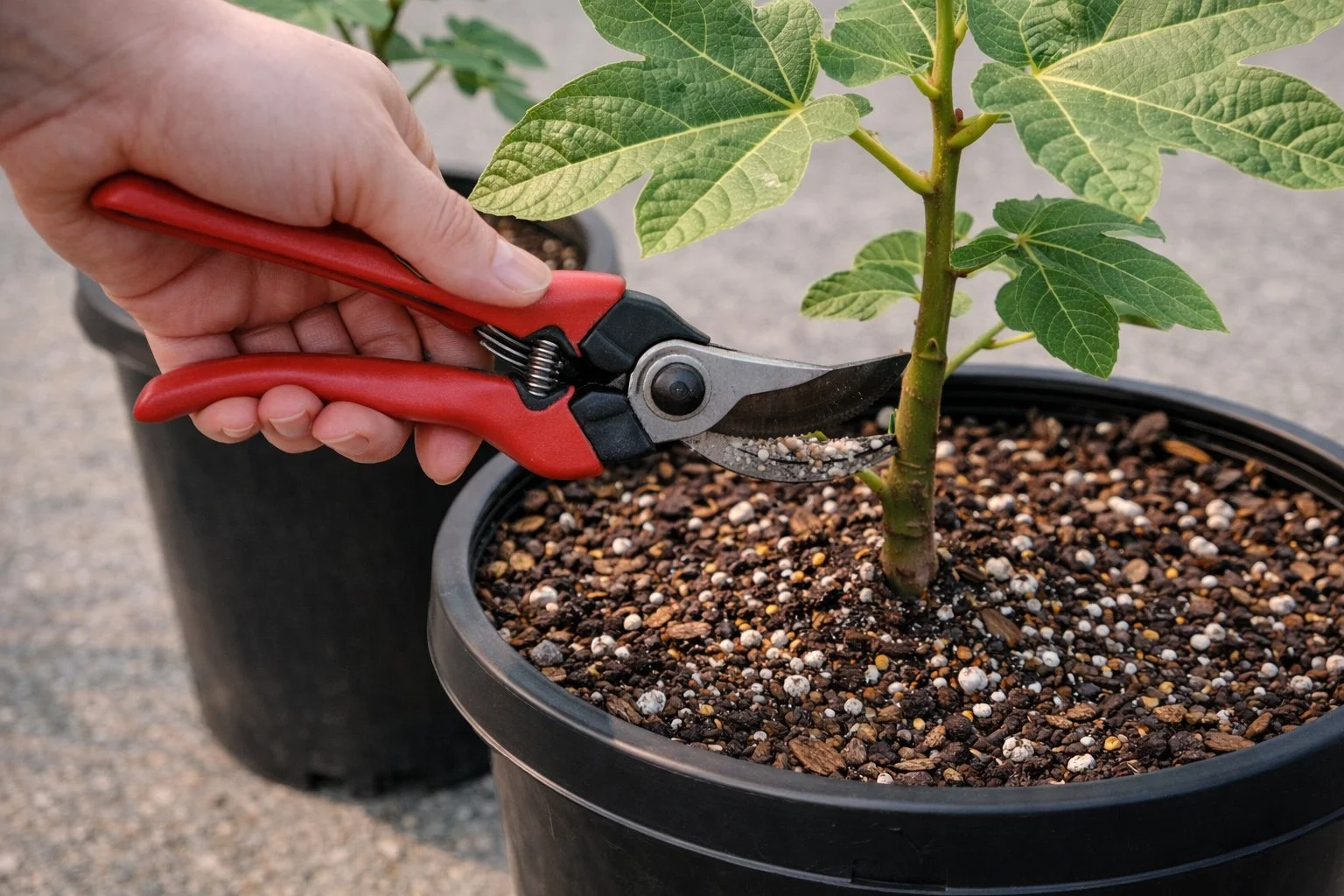
Pruning and Size Control for Container-Grown Fig Trees
Regular pruning is essential for keeping container-grown fig trees productive and manageable. Proper size control improves light penetration, encourages balanced growth, and helps maintain a compact structure suited to long-term container culture.
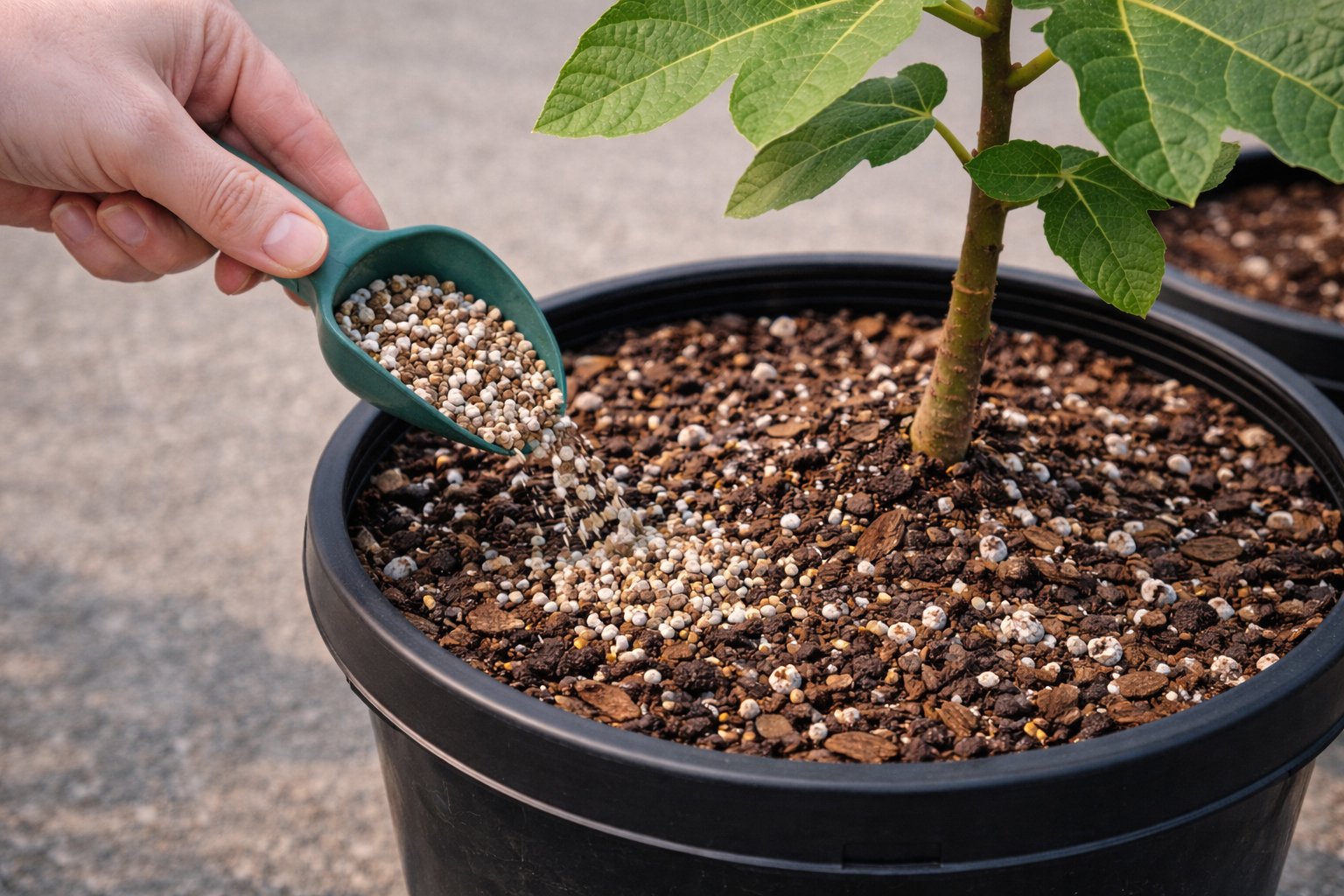
Fertilizing Fig Trees in Containers: Timing, Rates, and Common Mistakes
Fertilizing fig trees in containers requires careful timing and precise rates. Providing nutrients when trees can use them—while avoiding excess—supports steady growth, healthy leaves, and reliable fruiting without the common mistakes that lead to stress or poor performance.
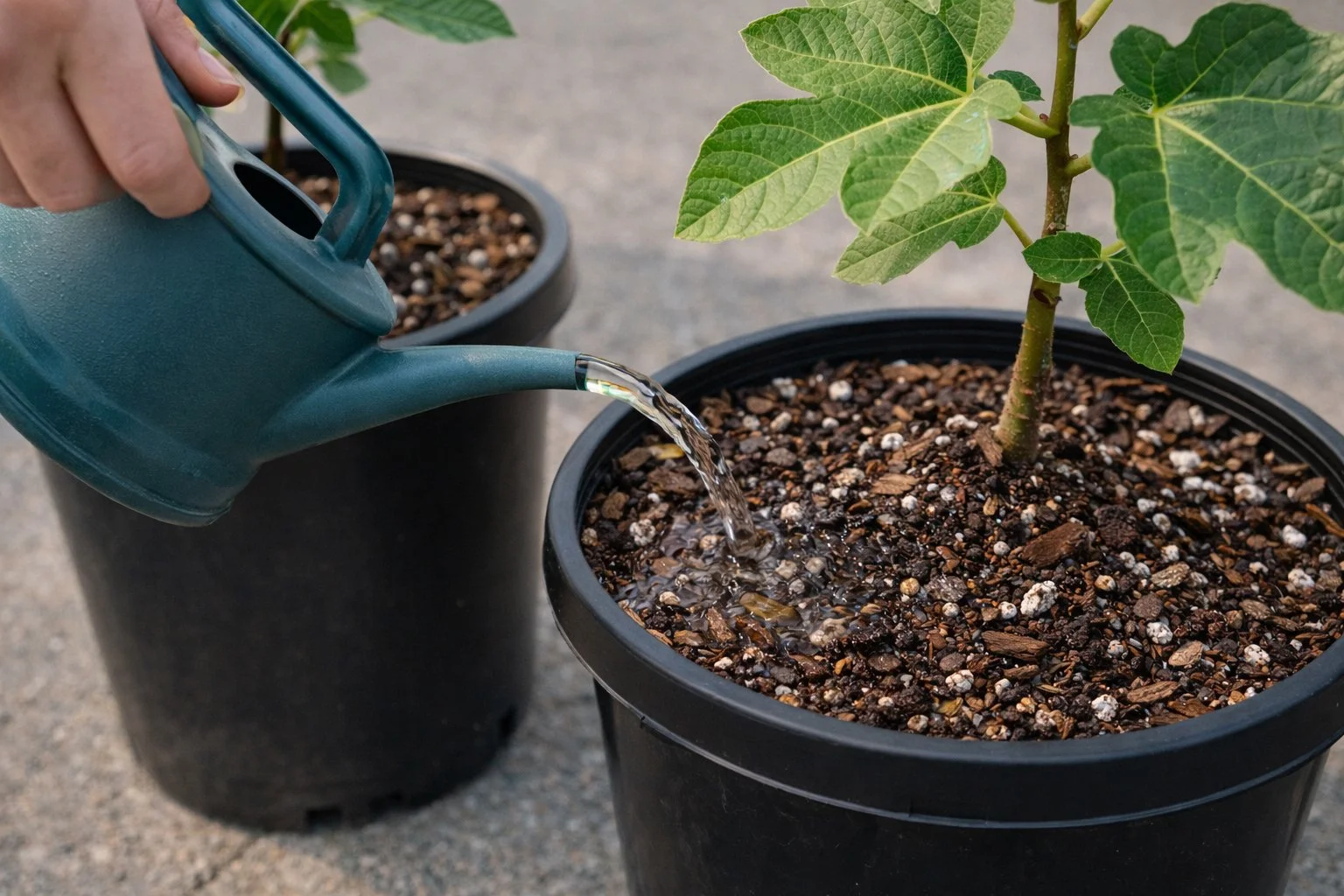
Watering Container Figs Without Root Rot or Stress
Proper watering is one of the most critical factors in successful container fig growing. Consistent moisture paired with excellent drainage helps prevent root rot, reduces plant stress during heat, and supports steady, healthy growth throughout the season.
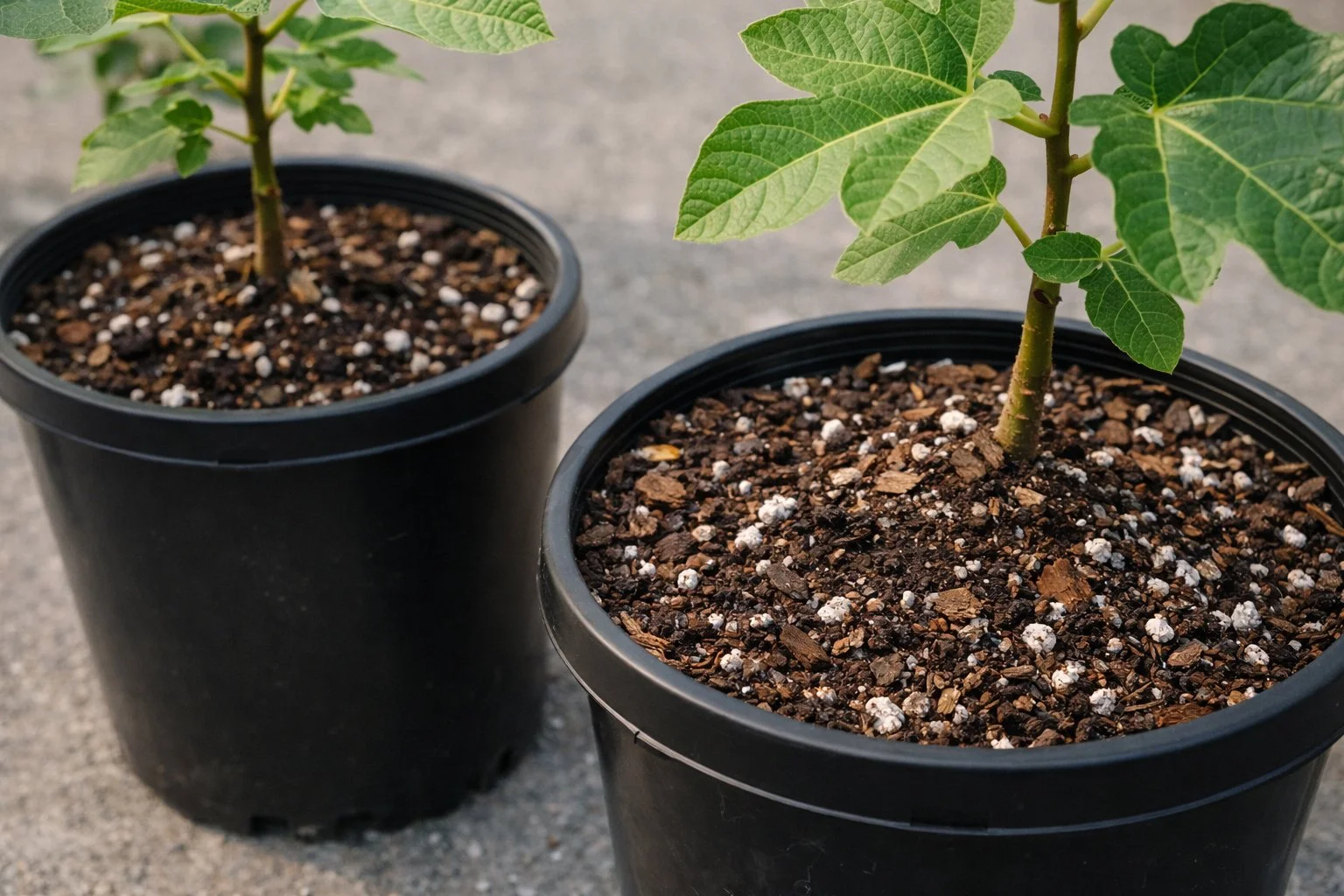
Best Soil Mixes for Container-Grown Fig Trees
The soil mix used in containers is one of the most important factors in fig tree success. A loose, well-draining blend promotes healthy root development, proper moisture balance, and steady nutrient availability—helping prevent root rot and growth stress in container-grown figs.
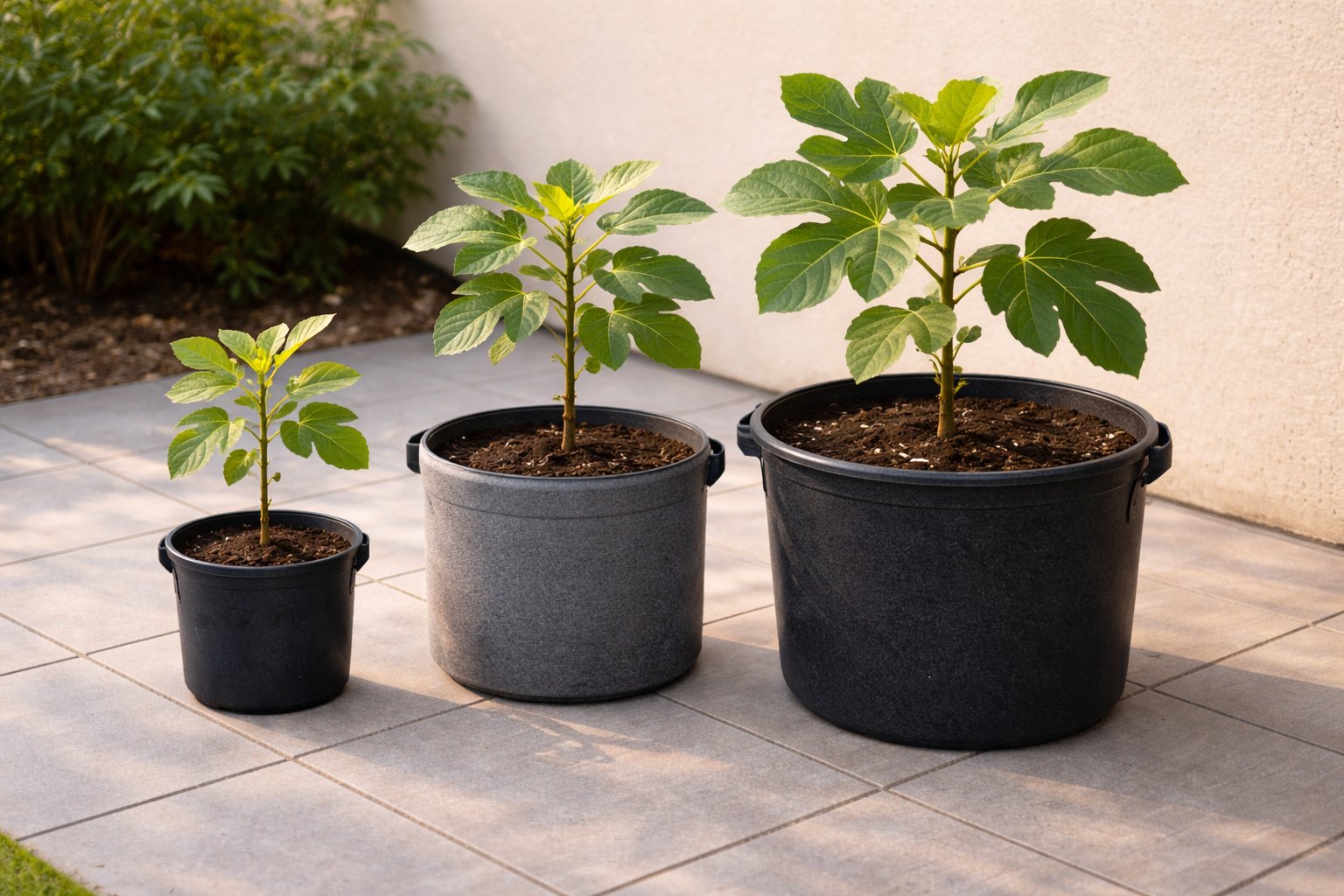
Choosing the Right Container Size and Material for Fig Trees
Choosing the right container size and material is one of the most important decisions when growing fig trees in pots. The container directly affects root development, water management, temperature stability, and long-term tree health—often determining whether a fig merely survives or truly thrives.
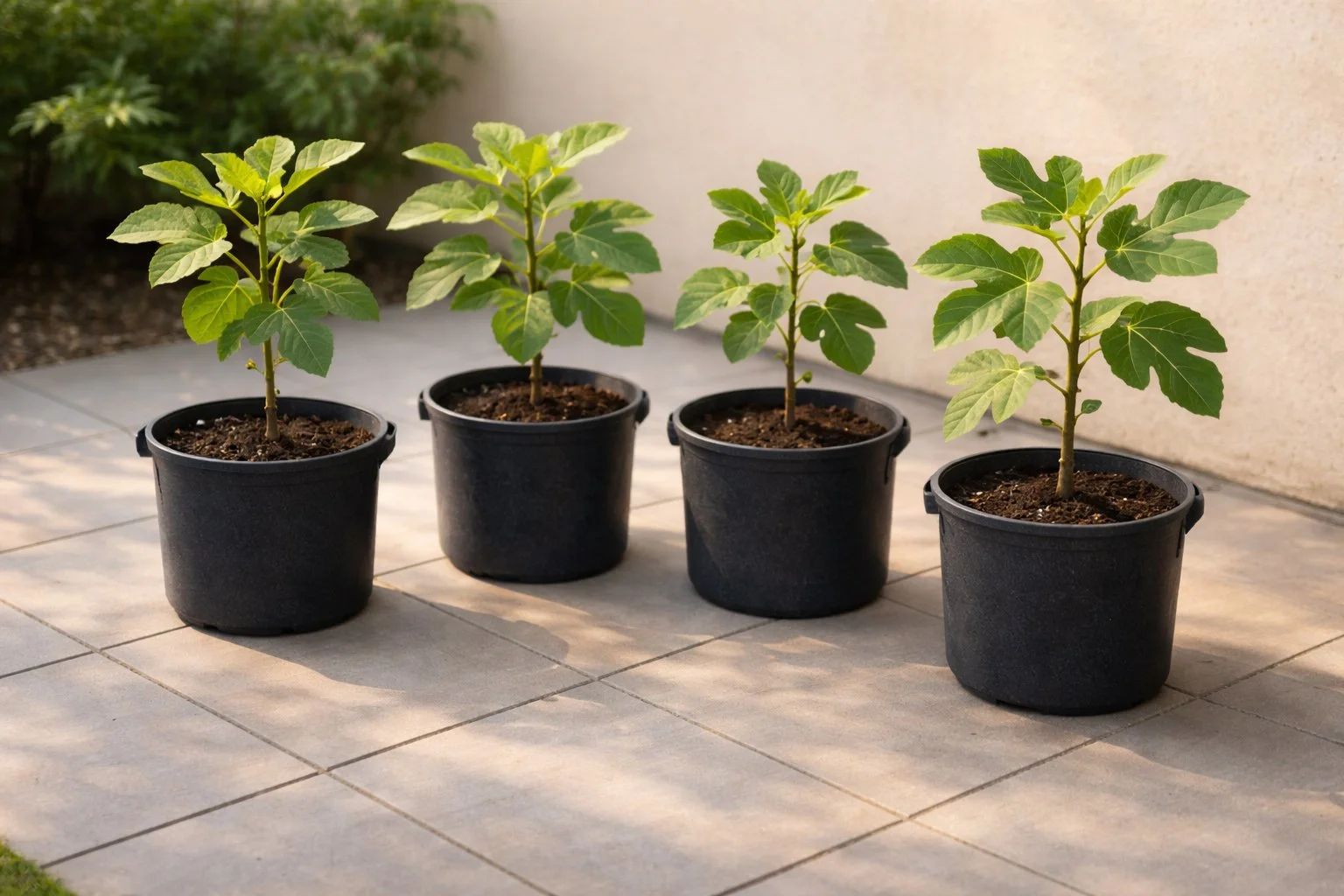
Why Container Growing Works So Well for Fig Trees
Container growing gives fig trees a level of control that’s hard to achieve in the ground. By managing soil composition, root space, water, and temperature, growers can produce healthier growth, earlier fruiting, and more consistent results—especially in challenging climates.