Fig Farm Practice Supporting Articles.
Professional guides to growing figs in Zone 7b
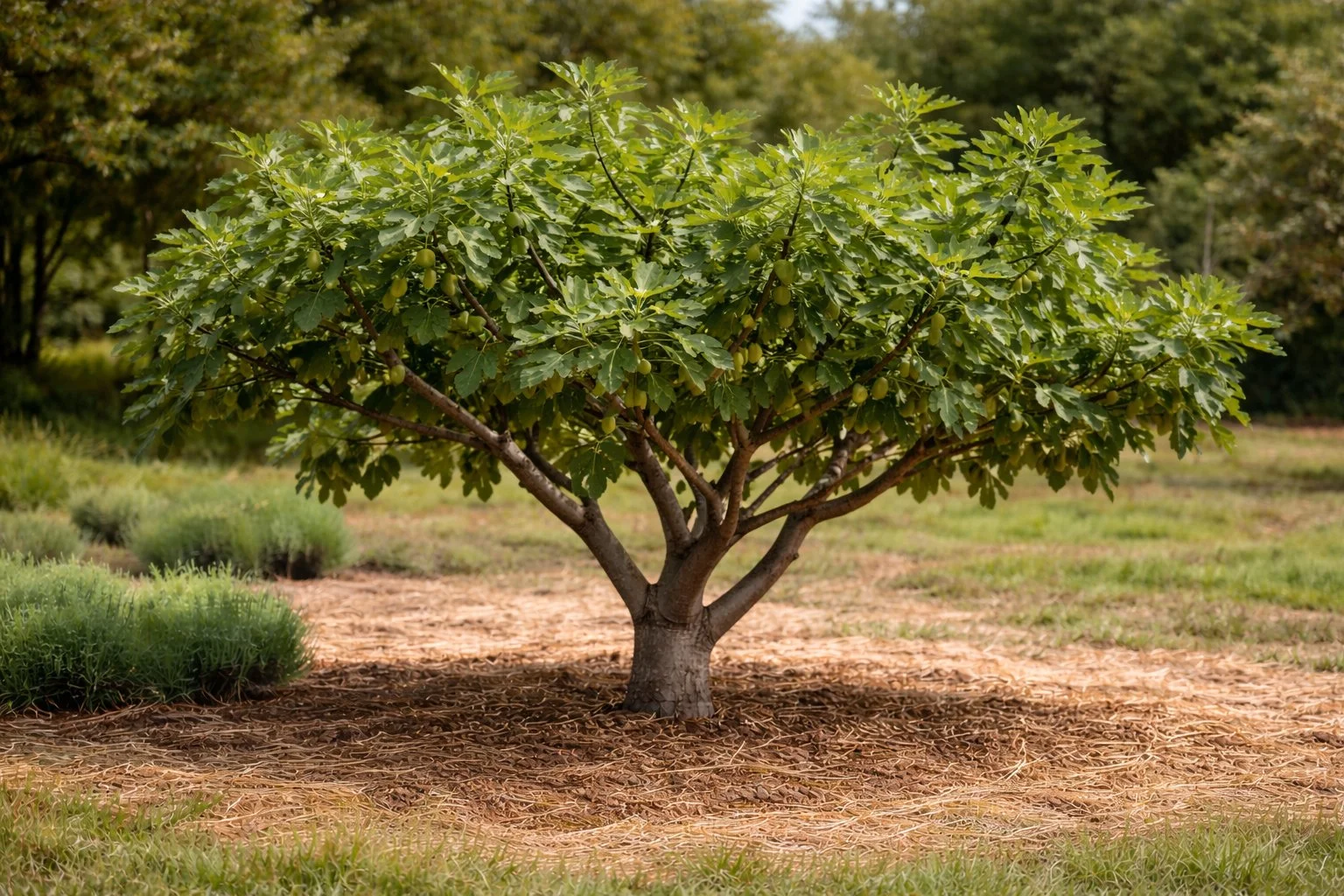
Fig Tree Height Control: Keeping Figs Manageable
Consistent height control keeps fig trees harvestable, structurally stable, and far easier to maintain year after year.
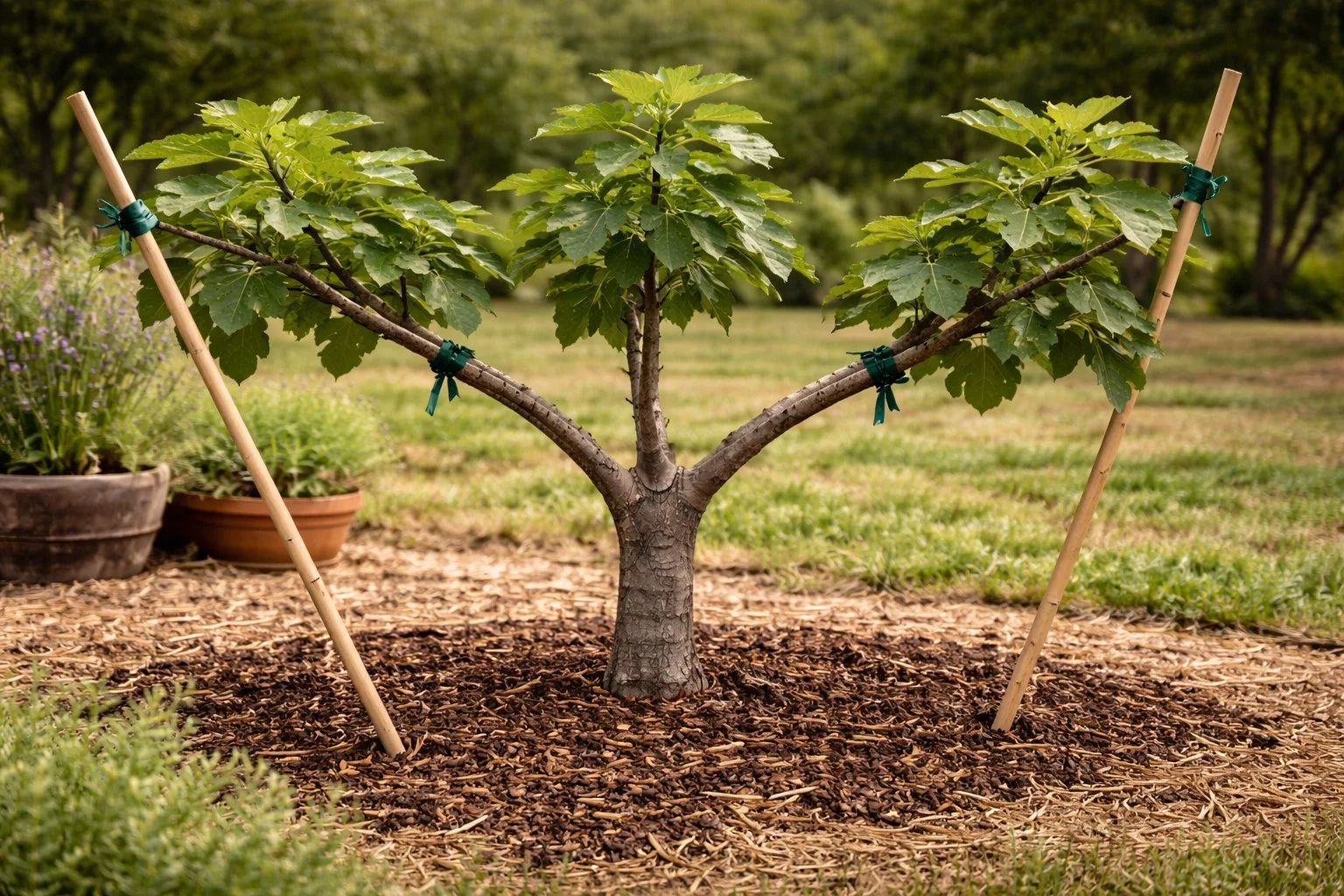
How to Train a Young Fig Tree into an Open Vase Shape
Early training into an open vase shape establishes strong scaffolds, improves light penetration, and sets the foundation for long-term fig tree productivity.
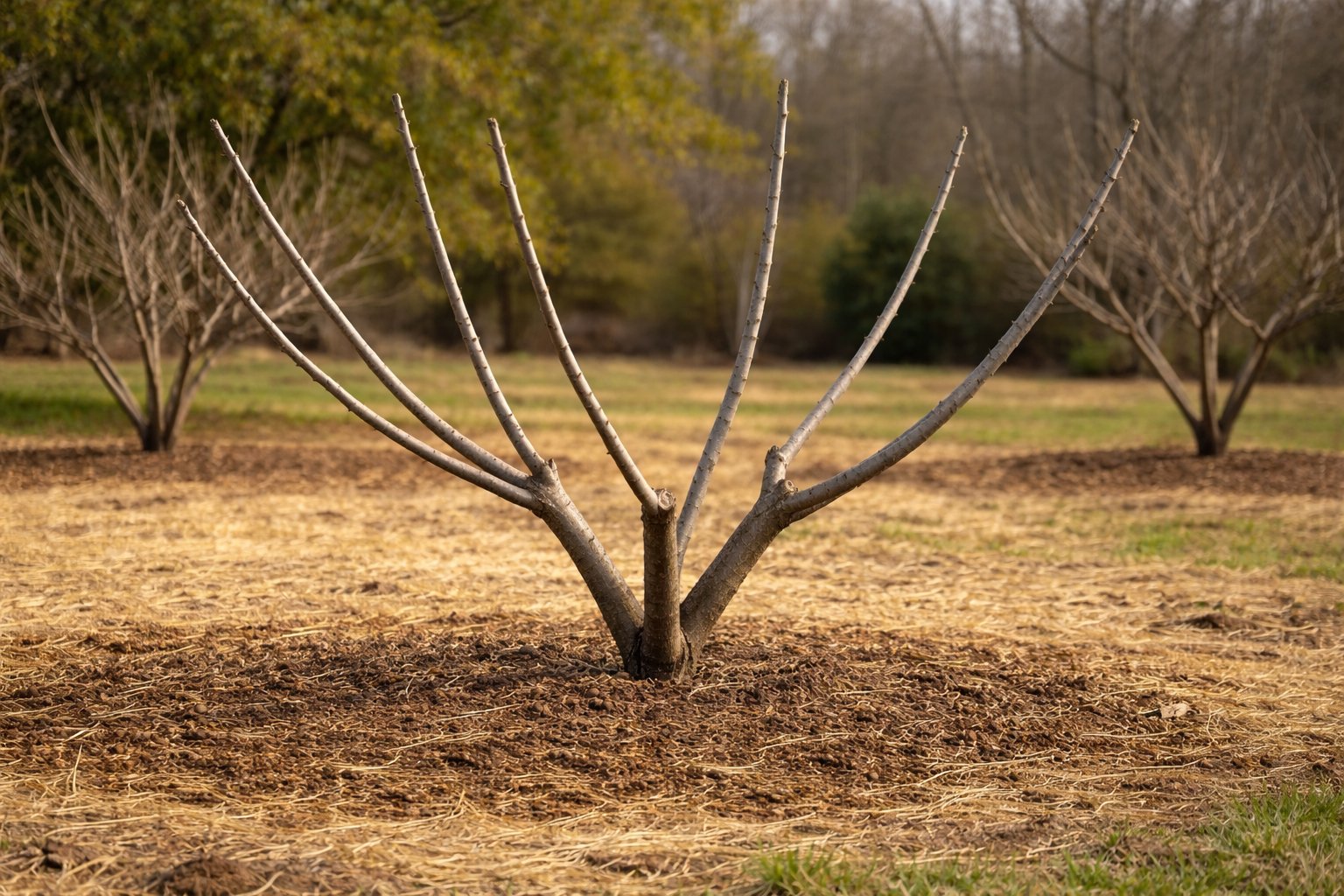
Multi-Trunk vs. Single-Trunk Figs: Which Is Better?
A properly trained open vase structure establishes strong scaffolds early, allowing sunlight and airflow to shape a productive fig tree for decades.
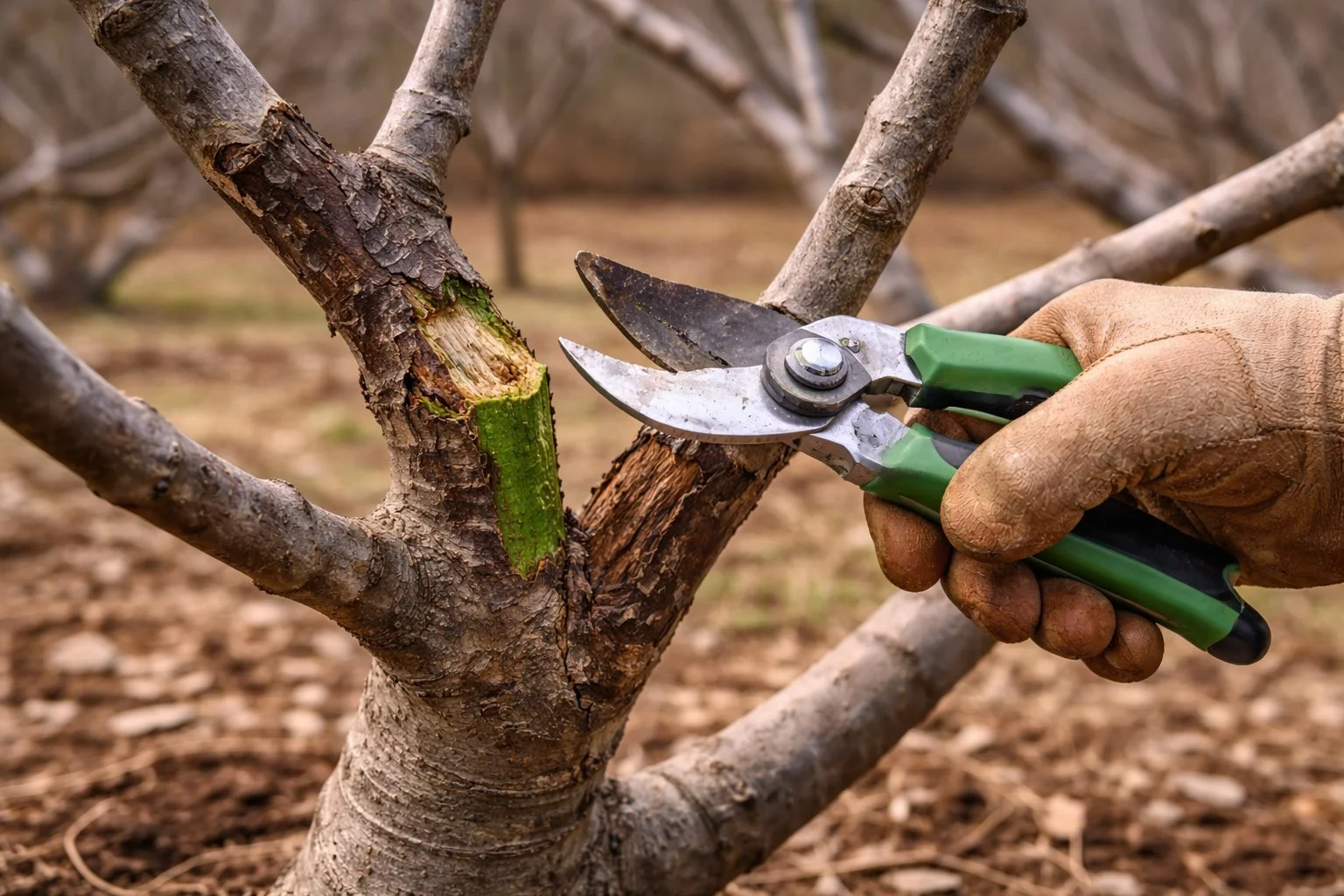
How to Prune a Fig Tree After Winter Damage
After winter injury, pruning focuses on restoring structure by removing dead wood and guiding strong regrowth.
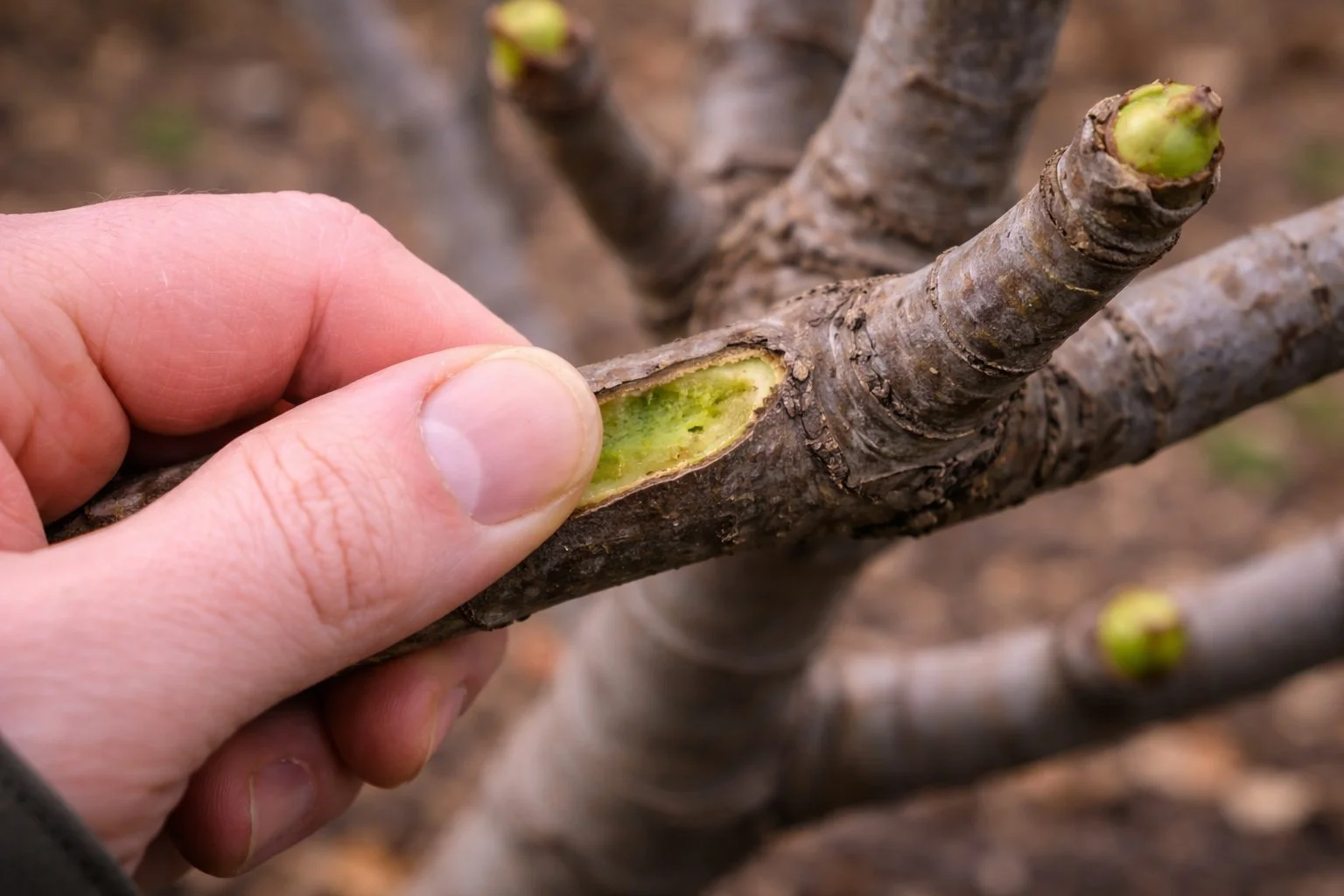
How Much Branch Dieback Is Normal?
Some branch dieback is normal after winter. This visual guide explains what typical fig dieback looks like and when it signals a real problem.
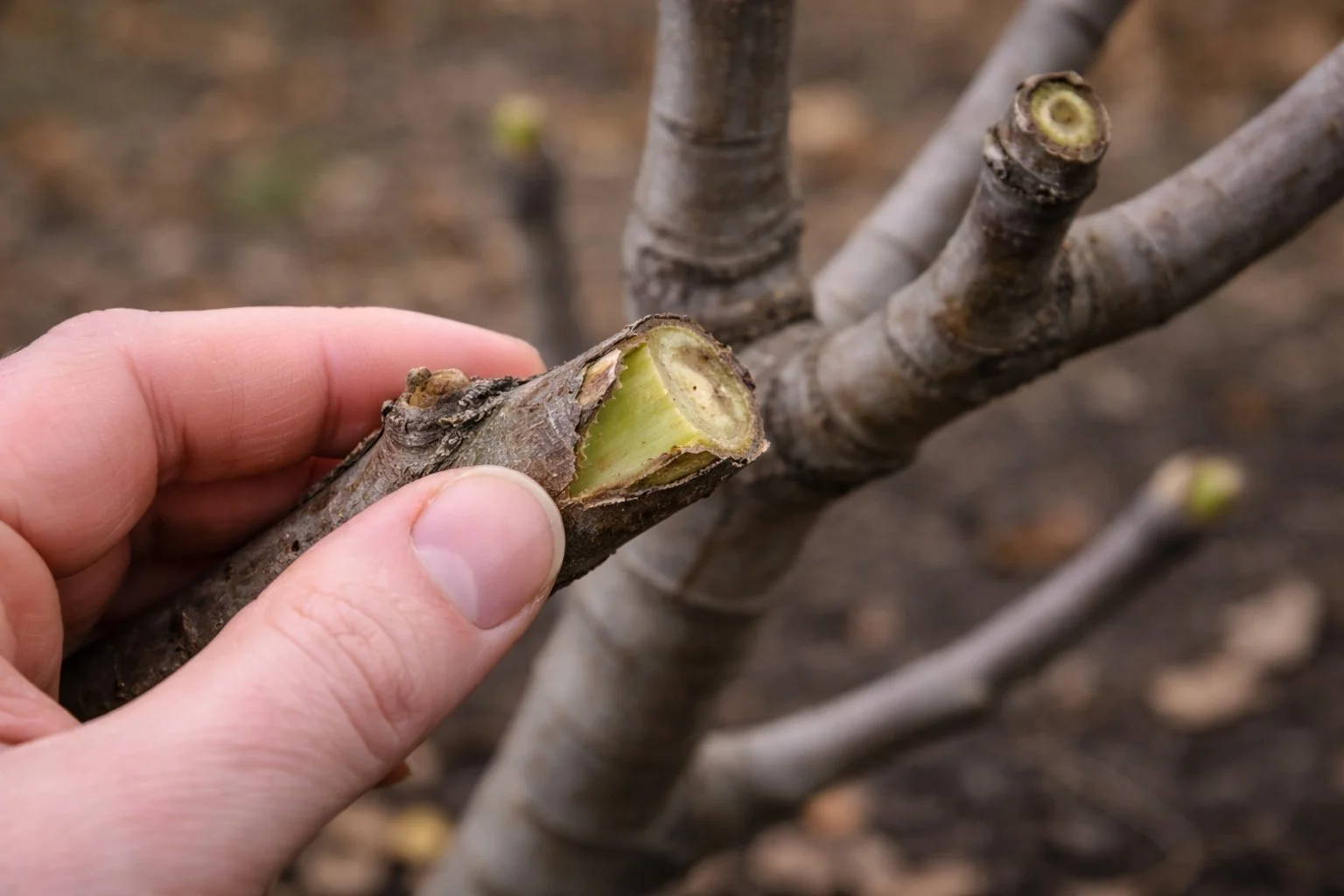
How to Check Fig Trees for Freeze Damage in Spring
Freeze damage often reveals itself slowly in spring. This article explains how to assess fig trees for winter injury without cutting live wood too early.
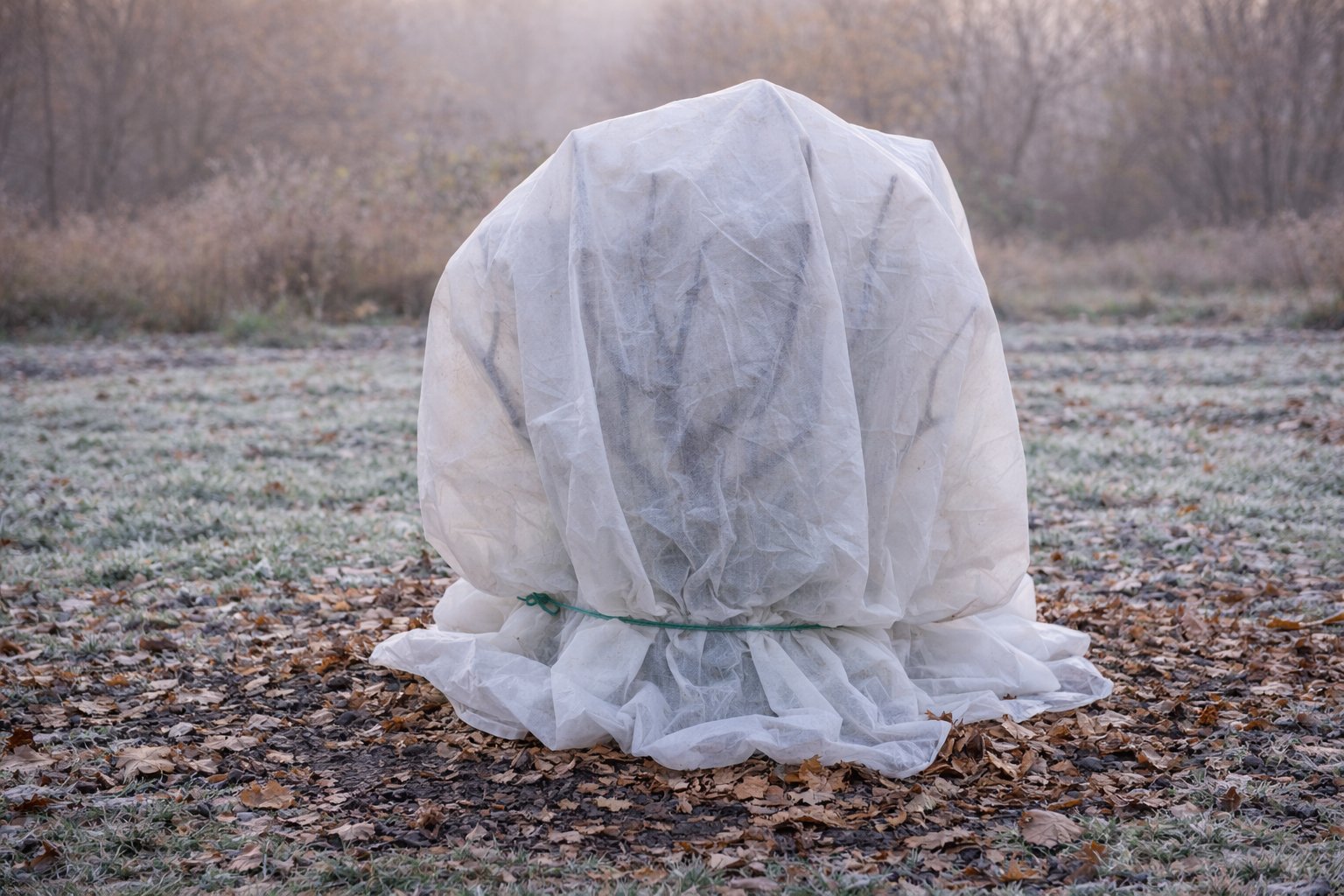
Winter Moisture Problems: Preventing Mold, Rot, and Wetness
Early fall frost affects fig trees differently than winter cold. This guide explains when temporary protection is useful and when it’s better to let figs transition naturally.
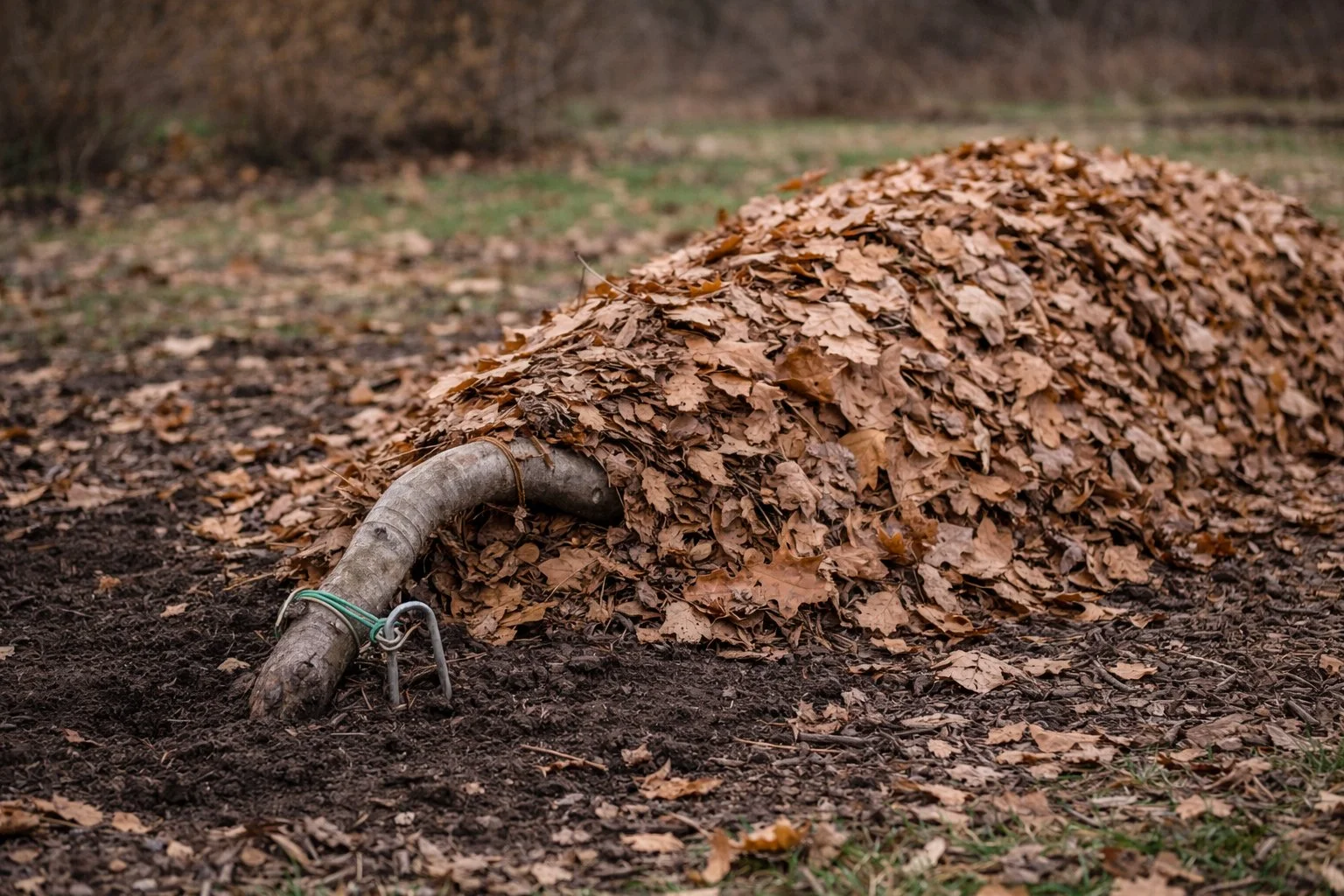
How to Bend & Bury Fig Trees for Cold Winters
Bending and burying fig trees is a proven winter protection method in cold climates. Learn how to do it safely without breaking branches or causing spring rot.
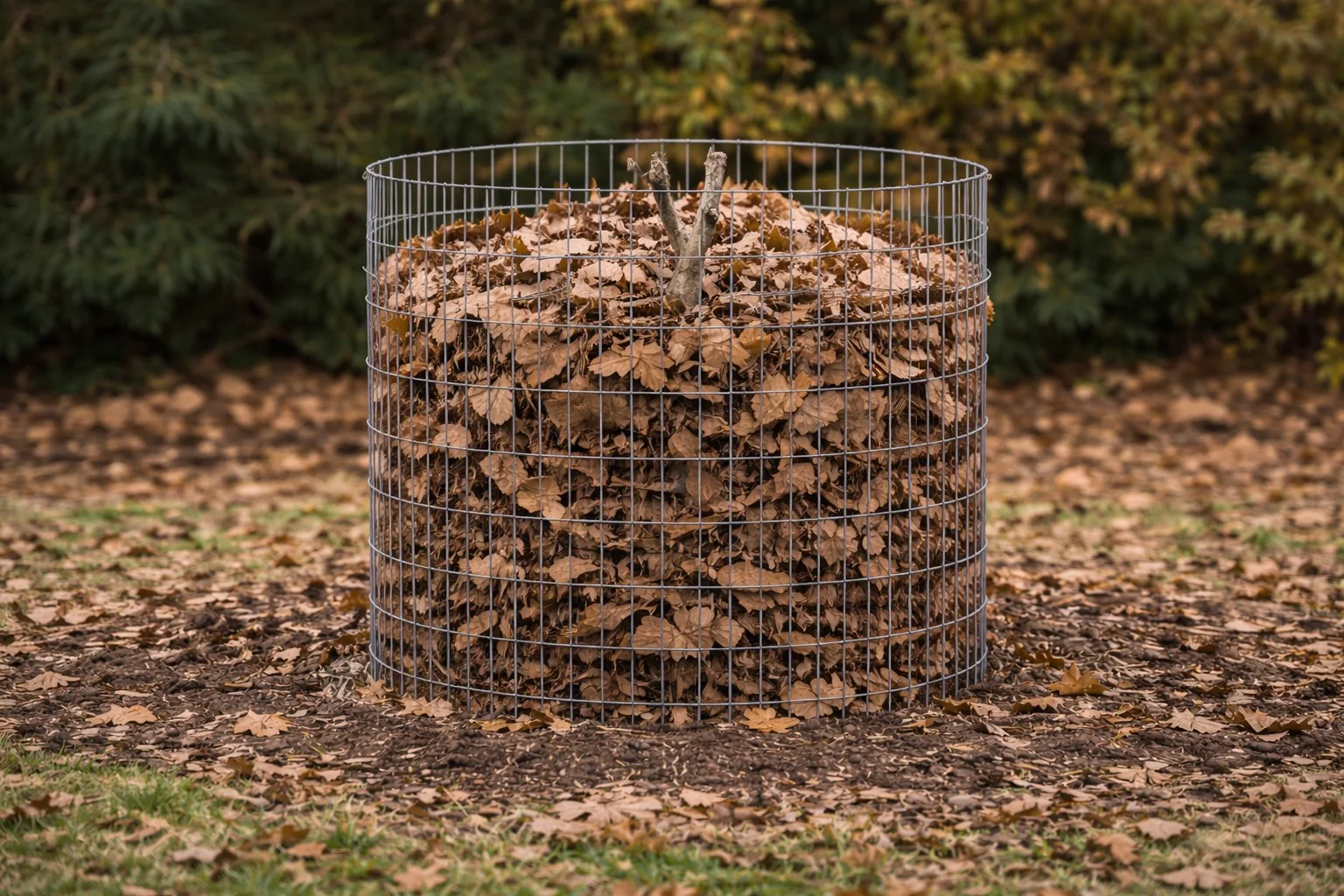
Best Winter Protection Materials for Fig Trees
Choosing the right winter protection materials for fig trees matters more than using more insulation. This guide ranks common options based on insulation, moisture control, and real-world reliability.
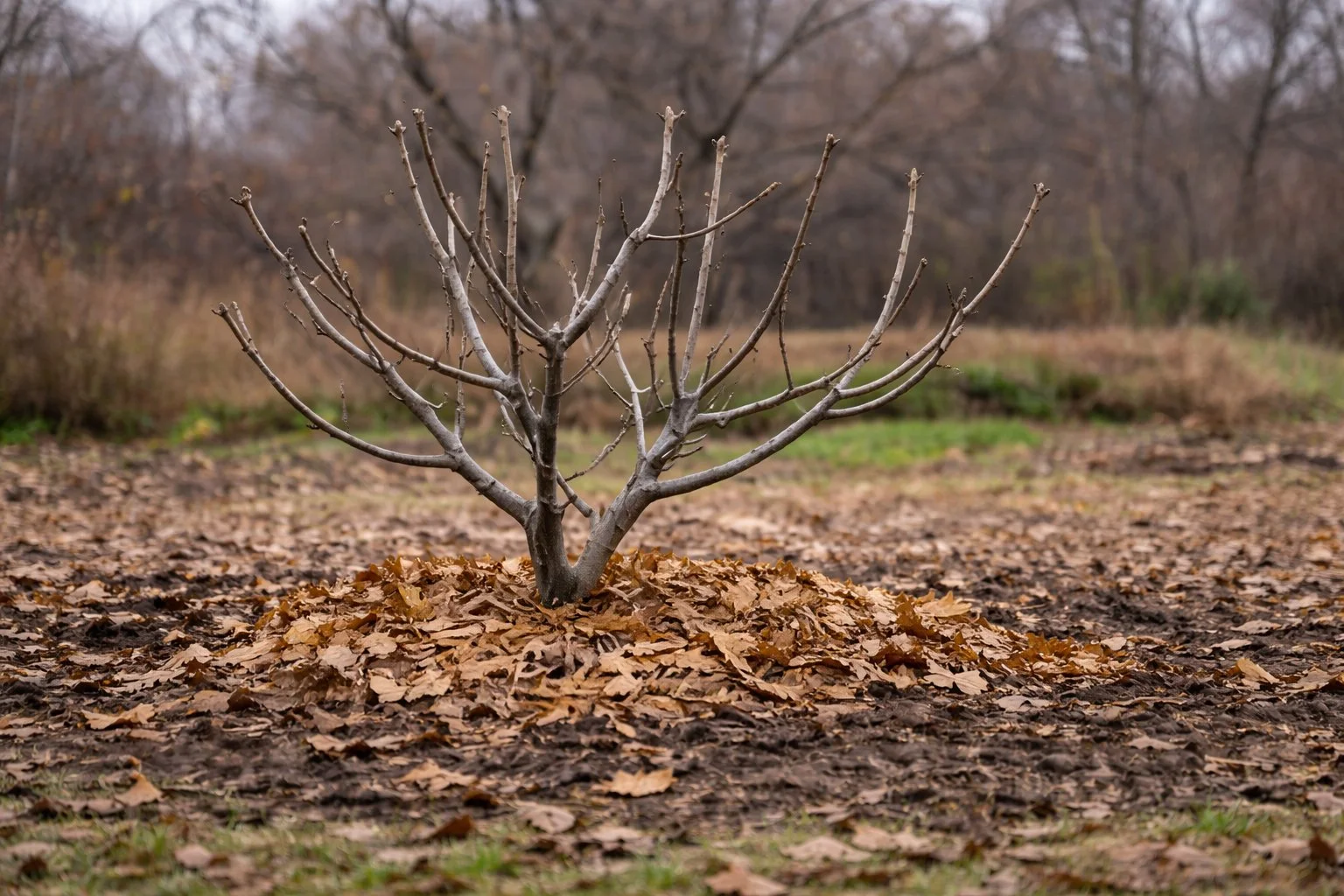
When to Apply Fig Winter Protection in Zone 7b
Applying winter protection too early or too late can harm fig trees. This article explains when to protect figs in Zone 7b by reading conditions instead of calendar dates.
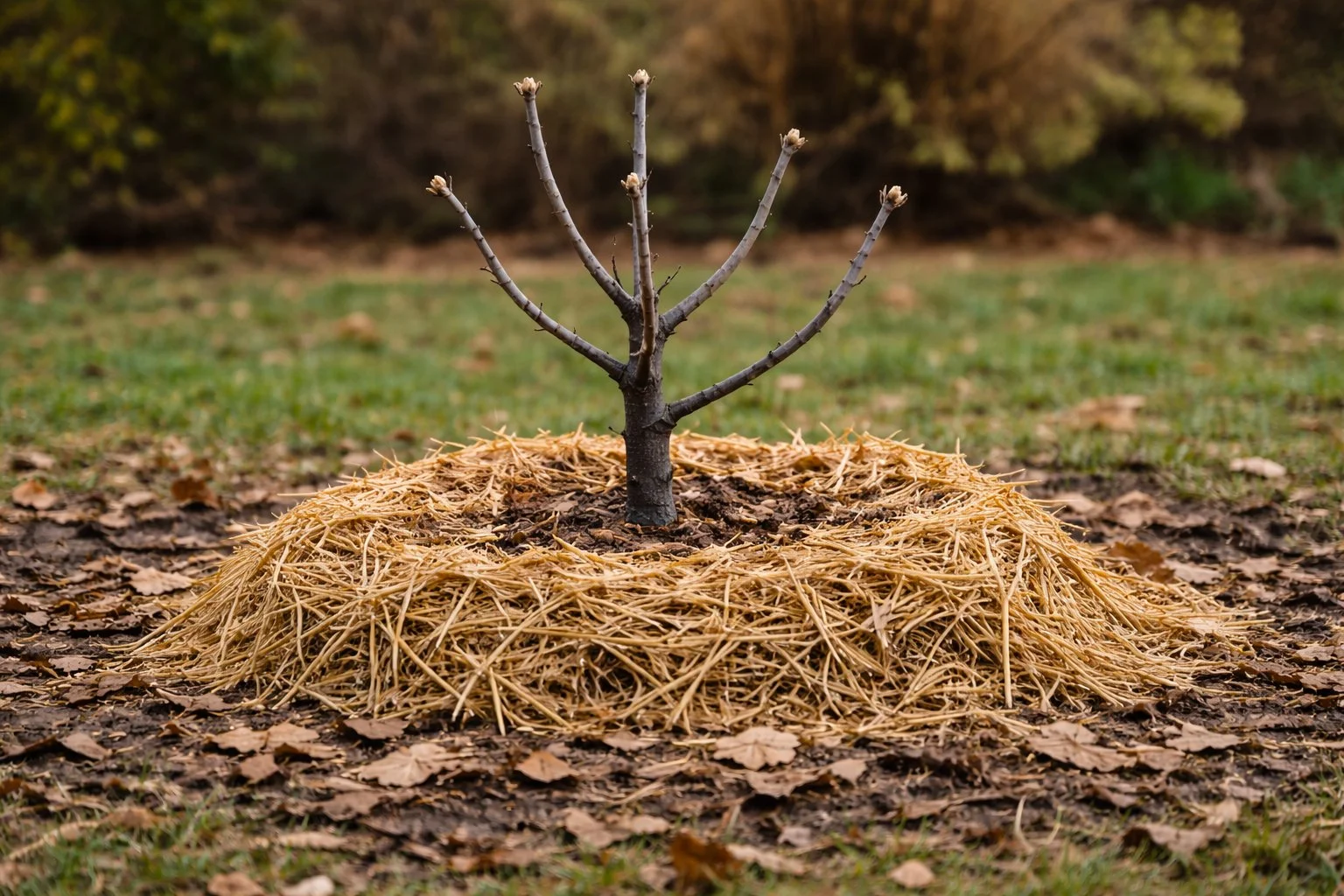
How to Protect Young First-Year Fig Trees in Winter
First-year fig trees need different winter care than established plants. Learn how to protect young figs by prioritizing root survival and avoiding common protection mistakes.
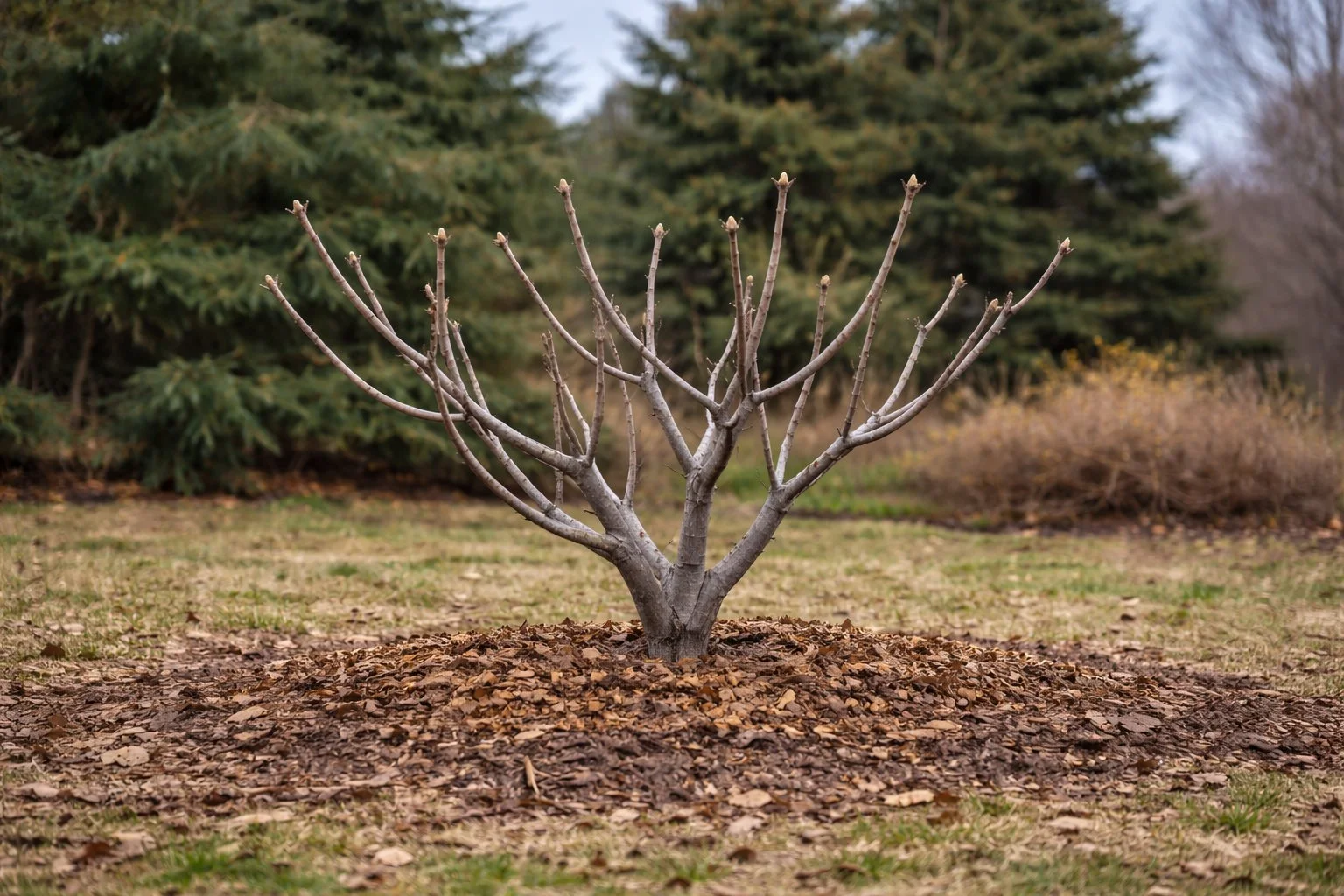
Do Fig Trees Need Wrapped or Covered in Mild Winters?
In mild winters, wrapping fig trees can sometimes cause more harm than good. This article explains when protection helps and when leaving figs uncovered is the safer choice.
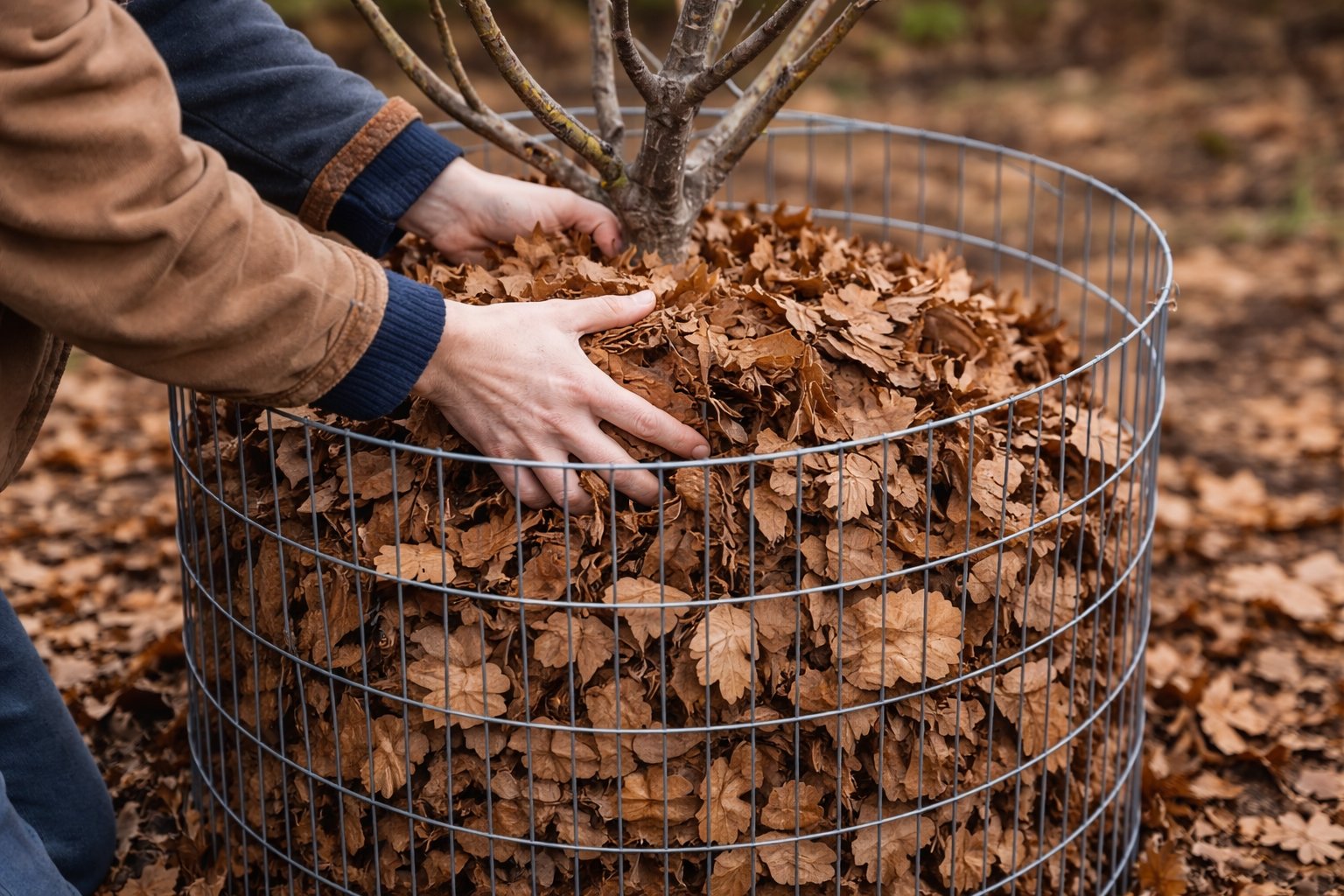
How to Build a Leaf-Stuffed Cage for Fig Winter Protection
A leaf-stuffed cage is one of the most reliable winter protection methods for fig trees in cold climates. This step-by-step guide shows how to build one correctly and avoid moisture problems.
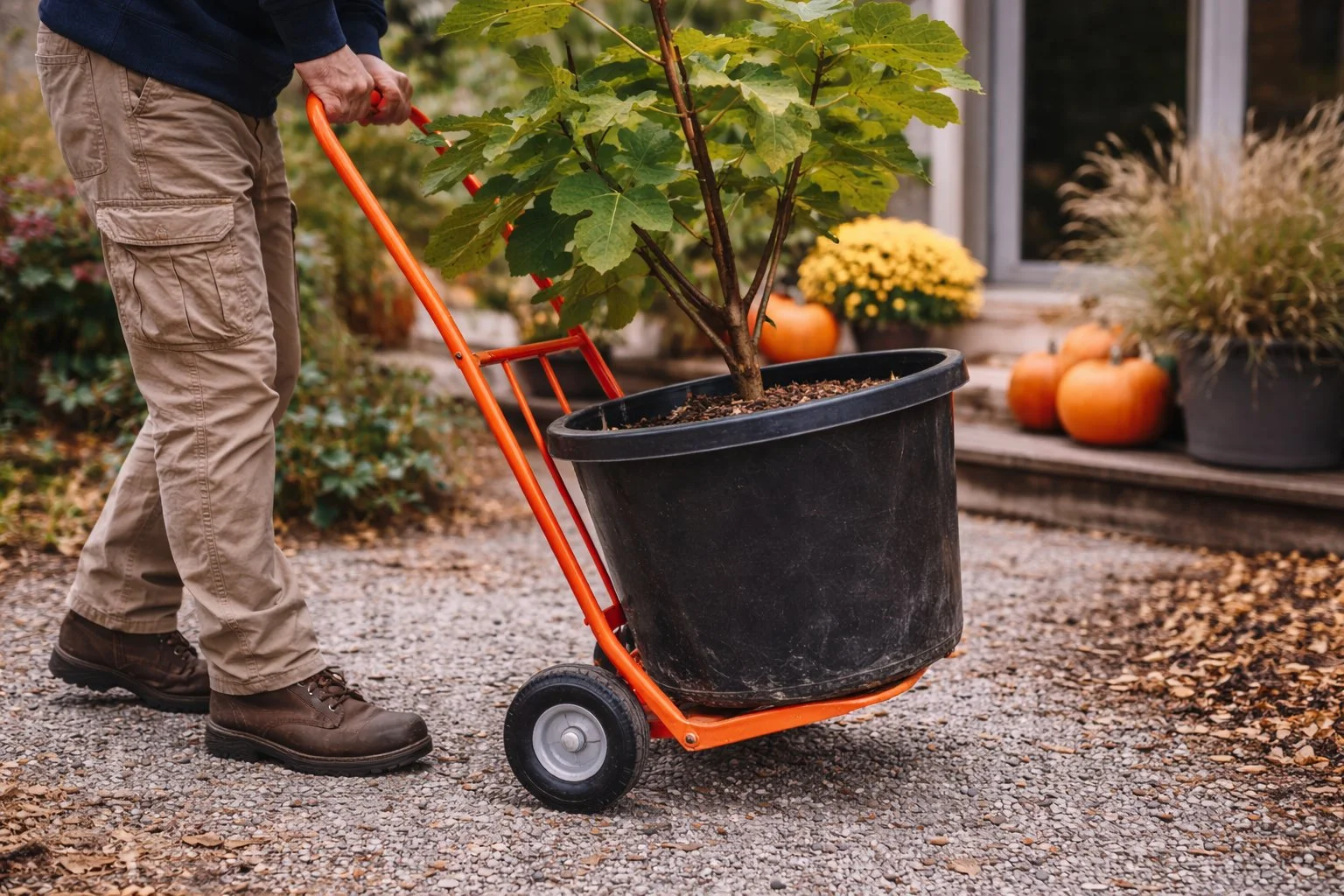
Seasonal Movement of Container Fig Trees: When and How to Relocate Without Stress
One advantage of container figs is mobility, but moving trees at the wrong time can cause stress. Knowing when and how to relocate container figs allows growers to protect trees, improve growth, and extend the season safely.
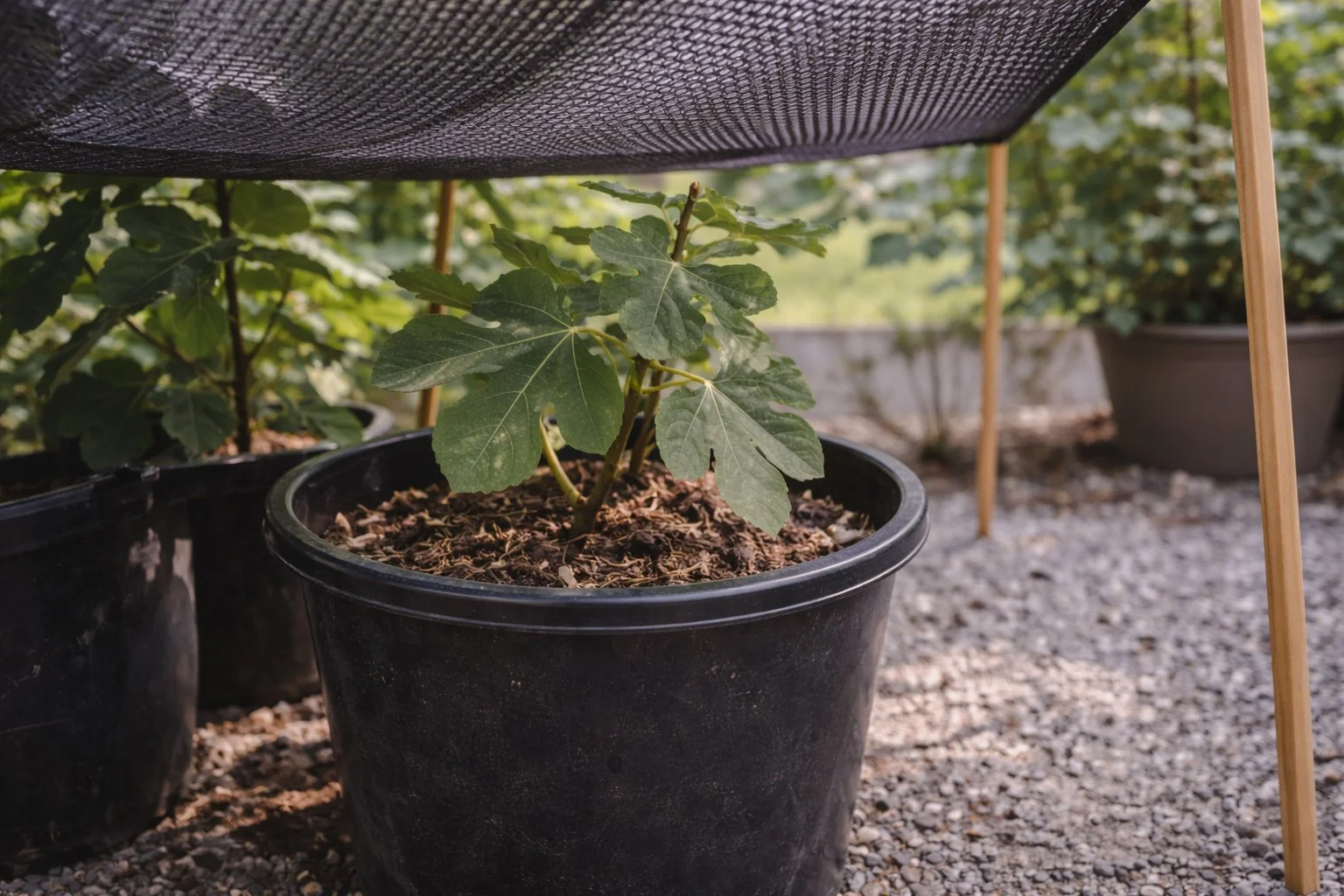
Managing Heat Stress in Container Fig Trees
Containers amplify heat, especially during summer. Understanding how high temperatures affect fig roots — and how to cool, shade, and water strategically — helps prevent stalled growth, leaf stress, and fruit loss.
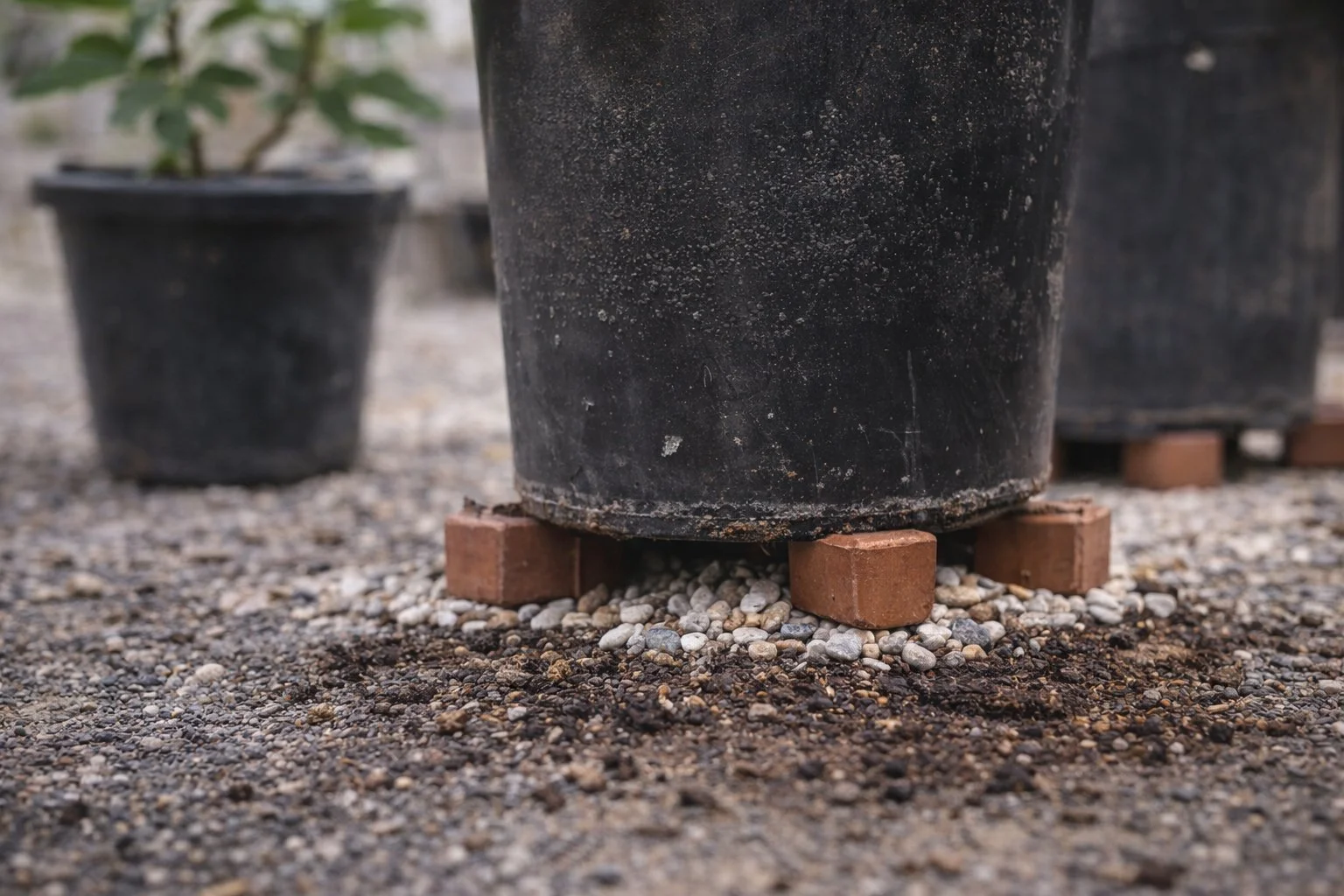
Drainage, Pot Feet, and Elevation: Preventing Root Rot in Container Figs
Poor drainage is one of the most common causes of failure in container figs. Elevating pots, improving airflow, and allowing excess water to escape are simple steps that dramatically reduce root rot and long-term stress.
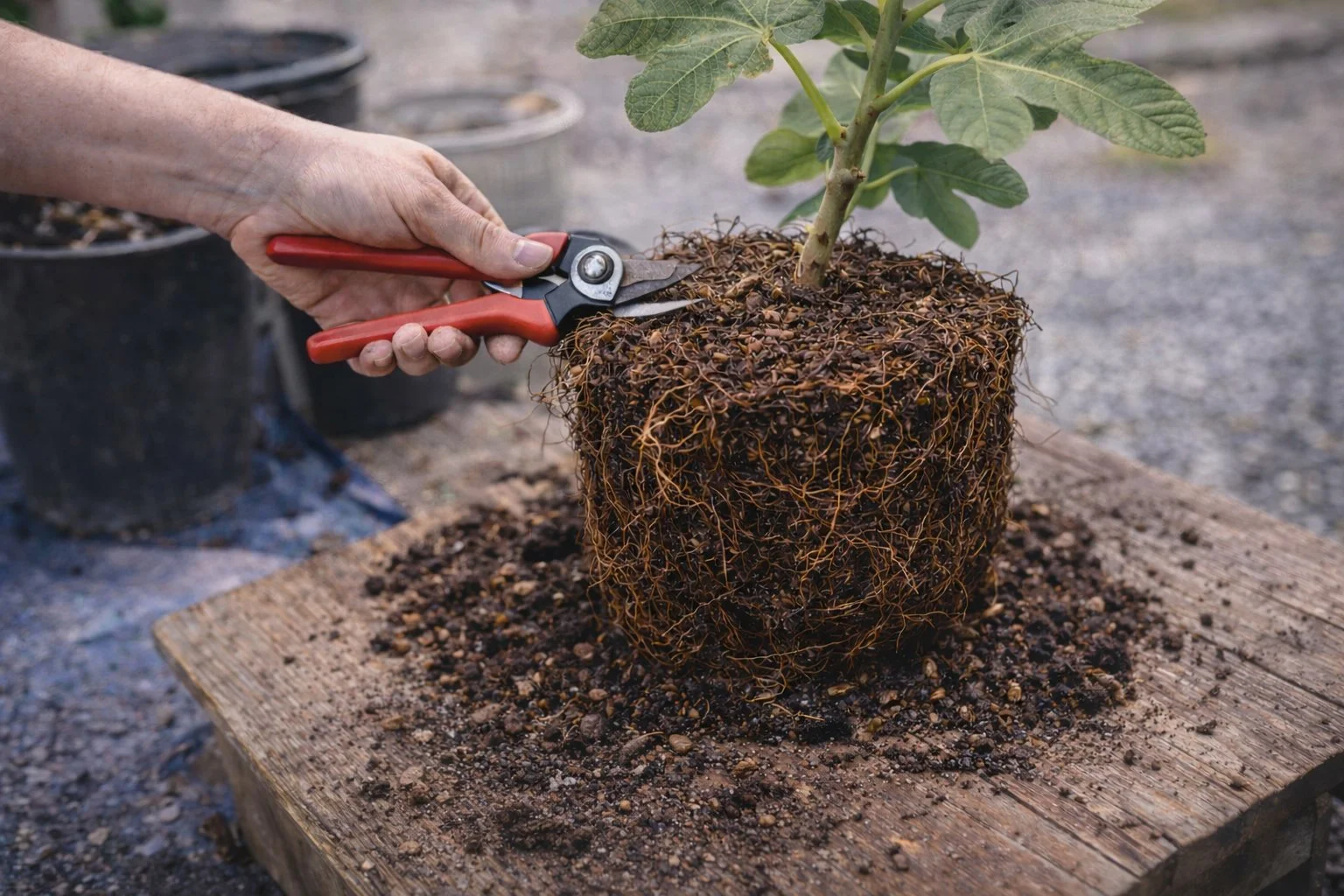
Managing Root Pruning and Repotting for Long-Term Container Fig Health
Container-grown figs eventually outgrow their root space, even with good care. Learning when and how to root prune and repot keeps fig trees healthy, balanced, and productive for many years instead of slowly declining from root congestion.
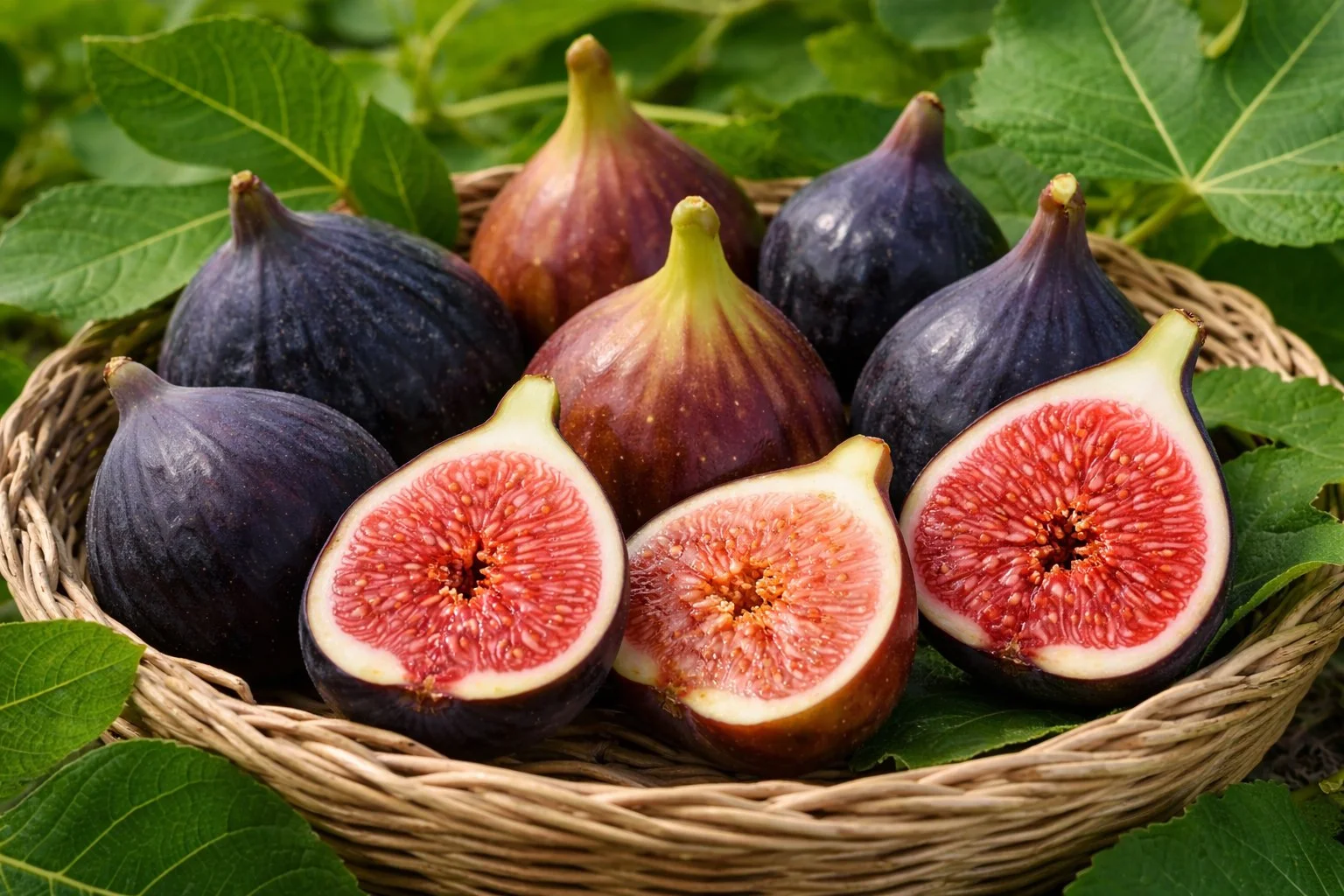
Best Fig Varieties for Container Growing in Zone 7b
Not all fig varieties are equally suited to container growing, especially in cooler regions. Selecting varieties with compact growth habits, reliable fruiting, and good cold tolerance helps container-grown figs thrive and produce consistently in Zone 7b.
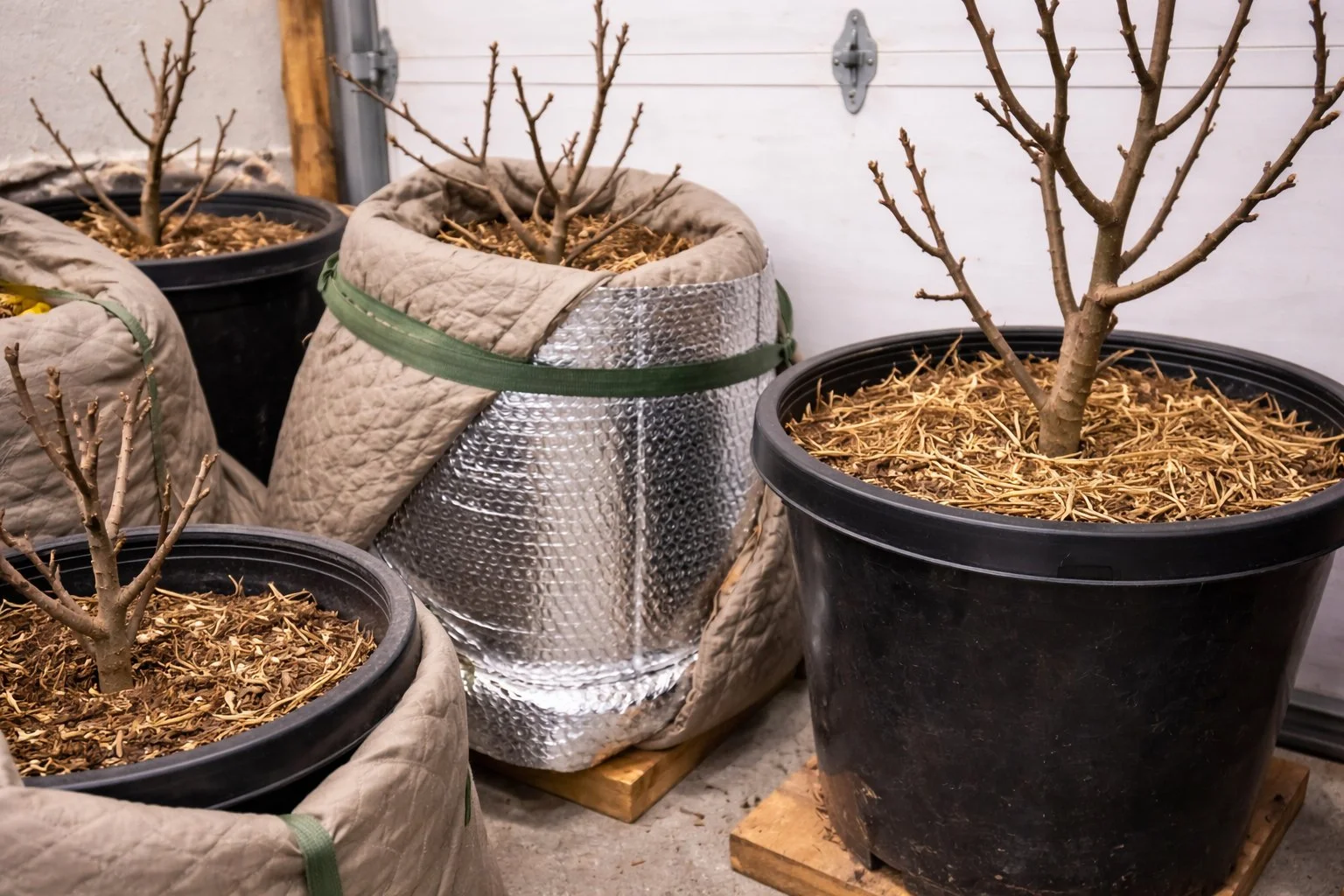
Overwintering Container Fig Trees in Cold Climates (Zone 7b)
In cold climates, container-grown fig trees must be protected during winter to prevent root and branch damage. Proper overwintering methods—such as insulation, mulching, and sheltered storage—help preserve healthy wood and ensure strong regrowth in spring, especially in Zone 7b conditions.
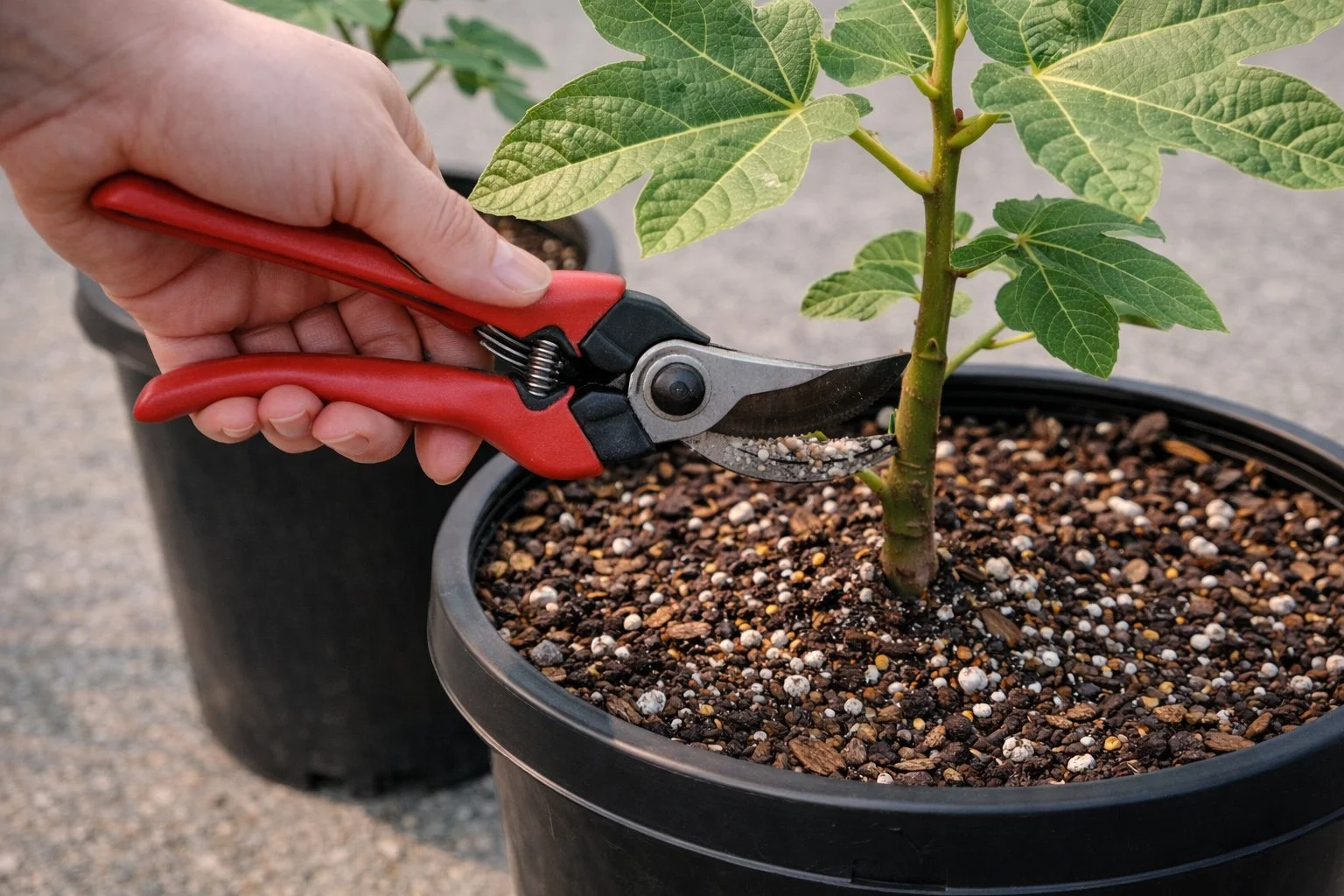
Pruning and Size Control for Container-Grown Fig Trees
Regular pruning is essential for keeping container-grown fig trees productive and manageable. Proper size control improves light penetration, encourages balanced growth, and helps maintain a compact structure suited to long-term container culture.